Do you dread the thought of living in a construction zone for months on end? Or having to temporarily move out of your abode until the renovation is done? There’s no shortage of reasons to stall on that much longed for reno you’ve been planning, but I’ll share some stats that hopefully will help you see past the short-term pain for the long-term gain.
The National Association of Realtor’s Remodeling Impact Report found that 84 percent of homeowners had a greater desire to be in their home post-reno and 69 percent felt a major sense of accomplishment when thinking about their renovation project.
Increased satisfaction with your home is not the only benefit as you’ll also realize an increase in property value when you renovate. Yet another benefit is the improvement in your home’s energy efficiency that green upgrades can deliver and the resulting savings on energy bills and reduction in carbon emissions.
So, want increased satisfaction with your home and a higher property value while also saving energy and lessening your impact on the environment? These are four very good reasons to dive into your renovation project.
Though there are several good reasons to renovate your home, here we’ll focus on just one aspect: the ROI of green home upgrades (based on the increased resale value of your home).
I’ve presented the top green upgrades. In some cases they are straightforward green or energy efficiency upgrades and in other cases they’re an eco-friendly version of a standard remodelling option.
Insulation
It’s costly. It’s a big project. And it’ll turn your home into a total mess, but it’s well worth it. Just in terms of cost recovery, the NAR Remodelling Impact Report ranked insulation upgrading third with a 100 percent return on investment when selling the house.

Get the Green Building Project Checklist
Use this handy checklist on your next project to keep track of all the ways you can make your home more energy-efficient and sustainable.
But when you take the massive savings in energy costs that come over the time living in the house, it makes even more sense. Since most homes are under insulated and since more and more homeowners are realizing the importance insulation has on a home’s energy consumption, it’s an upgrade that’s well worth doing.
If your budget is limited, focus on insulating the attic first. It’s the most important part of the house to insulate and, for that reason, it’s also the most talked about, which means home buyers would be more likely to ask whether the attic is insulated than any other part of the house.
Flooring
Finishing one, two, in terms of cost recovery on interior projects in the 2022 Remodelling Impact Report was refinishing hardwood flooring and new wood flooring.
Refinishing your existing hardwood is the more sustainable choice since you’re not dumping your old flooring into landfill and you’re not paying the environmental cost of producing, packaging, shipping and installing new flooring.
But if you don’t have hardwood floors to refinish, installing new wood flooring is a much greener choice than something like vinyl or PVC because it comes from a sustainable resource, whereas plastic is not.
But make sure to check if the flooring is certified (e.g. FSC or SFI) as it helps ensure the wood was sourced from a forest that’s responsibly managed. That’s not to say that uncertified wood is not as sustainable as the certified wood (or that certified wood is an absolute guarantee of sustainability), it’s just a tool that helps guide buyers’ decisions more easily.
Window Replacement
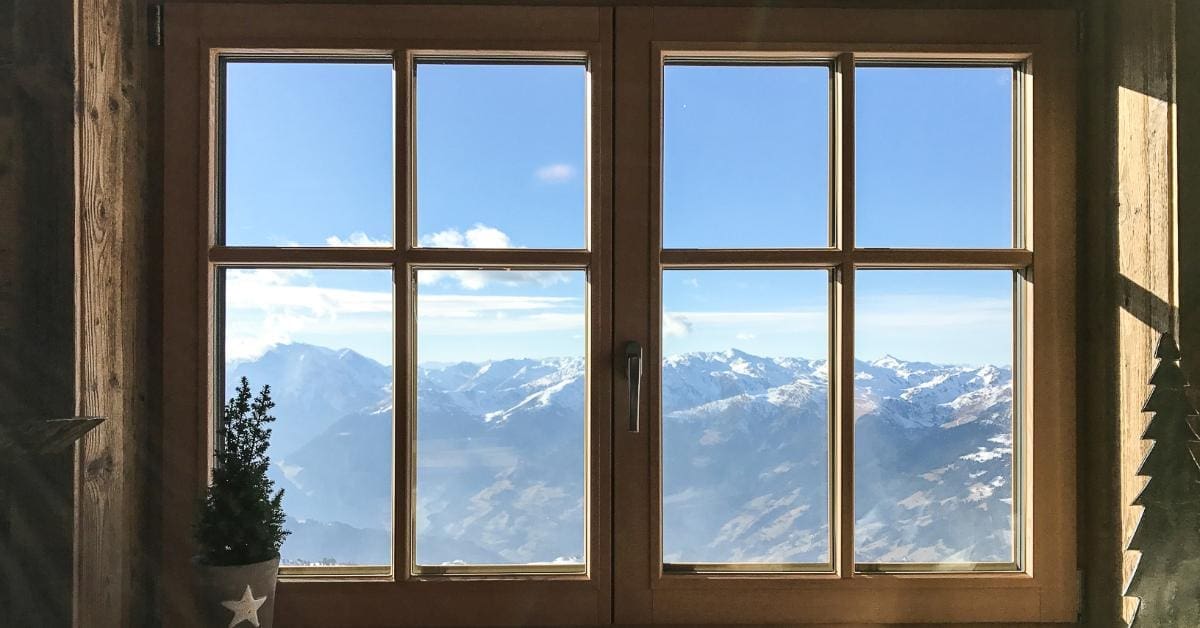
In NAR’s Remodeling Impact Report, two of the highest ROI exterior home remodelling projects they looked at in the report were to replace windows. Vinyl windows had a cost recovery of 67 percent and wood windows, 63 percent. These materials, along with fibreglass and composite, are the most energy-efficient you can install.
Wood has a few drawbacks. They can crack and warp with the weather. The paint peels off and requires a decent amount of maintenance to keep them looking good. If you get some serious storms and high winds where you live they’re not the best option since they get damaged too easily and replacing them would outdo the savings in energy efficiency.
On the upside, wood has natural insulating properties, making them energy efficient. They also give your home a classic look and can be painted or stained to match the aesthetics of your home. However, there are alternatives nowadays that come close to the look of wood.
Vinyl, composite, and fibreglass are three such options. Fibreglass windows are superb in terms of energy efficiency and durability but they cost a lot so it’s hard to recoup your investment anytime soon. Composite windows offer good insulation but are also expensive. Which leaves vinyl. They’re cost-effective, low maintenance, and can deliver good enough insulation that you can realize a very good return on your investment.
But the frame material is just one part of the equation. In terms of glass, if your home currently has single pane windows then it’s well worth upgrading, particularly for the energy savings you’ll reap. The jump to triple pane windows might not be worth your while due to the high price increase – it would depend on the climate where you live, energy prices, government incentives, etc. – but at least move up to double pane.
Installing a Heat Pump
Heat pumps are having a moment in the spotlight. Here are a few reasons why a heat pump may well be your home’s next heating and cooling system:
Increase in home value – There’s a good amount of research showing that heat pumps increase the value of a home. In the Better Homes, Cooler Planet study, it was found that heat pumps increase a home’s value by 1.7 to 3 percent. The average cost of a house in Canada currently hovers around $700k and the average heat pump installation costs $10k. So even if going with the low end of 1.7 percent increase in home value, by installing a heat pump the average home would increase $11,900 in value. That increase in home value alone could be a good enough reason to install a heat pump, but it’s far from the only reason.
Save energy costs – There’s a lot of variation on how much you’ll save because it depends on what heating system you’re switching from, the costs of energy where you live, size of your home, and other factors. But to give you an idea, according to the Climate Institute’s Heat Pumps Pay Off report, you can save the following amounts of energy: if you’re switching from a standard electric baseboard heater to a heat pump you’ll be consuming 65 percent less electricity. If you’re switching from gas, you’ll save about 10 to 20 percent depending on various factors (try out the Heat Pump Calculator to figure out your particular scenario).
Heat pumps are eco-friendly – A household can reduce its carbon dioxide emissions by approximately 40 percent by switching from a gas furnace to an air-source heat pump. The precise reduction will, however, vary depending on the sources used to generate the electricity that powers the heat pump.
Minimal maintenance – Heat pumps don’t need regular upkeep. They only require an annual inspection, which you can perform yourself instead of paying for professional servicing. The minimal maintenance demanded by heat pumps is advantageous for homeowners seeking methods to reduce expenses.
Eco-Friendly Landscaping
People often forget the solution that lies in our environment. Native plants play a significant role in sustainable landscaping, promoting biodiversity, reducing resource consumption, and enhancing ecosystem resilience.
Landscape design decisions are one of the highest yielding returns on investment, though it depends on the local market. According to the Remax Renovation Investment Report, landscaping ranks in the top three choices in Ottawa and Kingston.
These are some of the best choices when making upgrades to your property:
- repair lawn by aerating, removing weeds and overseeding to fill in bare patches
- trim shrubs and prune trees
- add low-maintenance pondless water features such as a streambed or bubbling rocks. Connect your roof’s downpipe to harvest rainwater and reuse it for your water feature.
When planning landscaping improvements, it’s wise to talk to both a local real estate agent and a landscaping expert. By getting their input, you can learn about features home buyers want and get cost estimates and possibilities for projects that will give you a good return on your investment in your region.
Reusing Grey Water and Conserving Water Resources
Climate change exacerbates aridification thanks to increased drought, wildfires, and other factors. Consequently, people living in arid places are becoming increasingly conscious of their water usage. In these regions in particular, technologies that increase water efficiency like rainwater harvesting, greywater recycling, and low-flow plumbing fixtures can be smart investments.
Discerning homeowners living in water-scarce areas are increasingly attracted to sustainable products that raise their standard of living and reduce environmental impact. Imagine refreshing your landscape with rainwater harvesting or sprinkling with recycled gray water. Not only is this water-efficient technology kind to the environment but they’re a testament to forward thinking in today’s premium real estate market.
Renovating the Kitchen
Even though remodelling an entire room like a kitchen or bathroom is not necessarily a sustainable or energy-efficient upgrade in and of itself, it can be if you choose to make it that way.
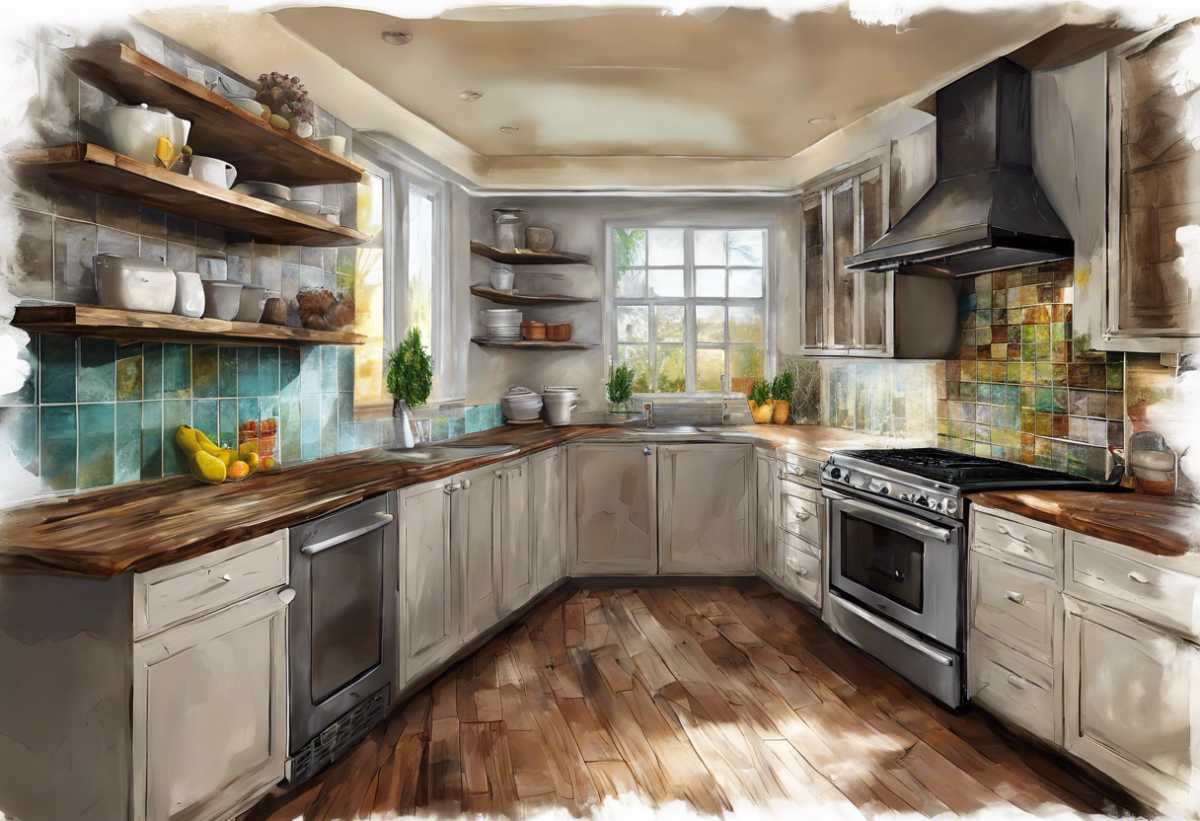
Kitchen renovations are the number one room-specific renovation you can do in terms of ROI. According to the 2024 Cost vs Value report, a mid-range minor kitchen remodel ranks the fifth highest with an ROI at 96.1 percent. Here are some examples of changes that can be made.
Refinishing – Instead of splurging on brand-new cabinets and then having to toss your old cabinets, opt for a sustainable and budget-friendly approach by sanding and painting your current ones with natural paint. To give them a contemporary touch, consider replacing the hardware.
Cabinetry – A good number of people are sensitive to chemicals. Since standard MDF cabinetry can emit harmful VOCs and formaldehyde, opting for a natural material like wheatboard, hemp board, or sunflower board could be a wise move. By choosing finishes that complement each other it will immediately make the kitchen appear more unified.
Countertops – Select a sustainable material like recycled glass, stainless steel (it can contain 60 percent or more recycled material), or reclaimed wood. At the very minimum, select a durable countertop material that can endure high temperatures, resist scratches, and repel stains so it won’t have to be replaced for a long time.
Backsplash – Installing a backsplash behind the sink area can freshen up the look of the kitchen and are simple to wipe down. You can use recycled glass tiles.
Remodelling the Bathroom
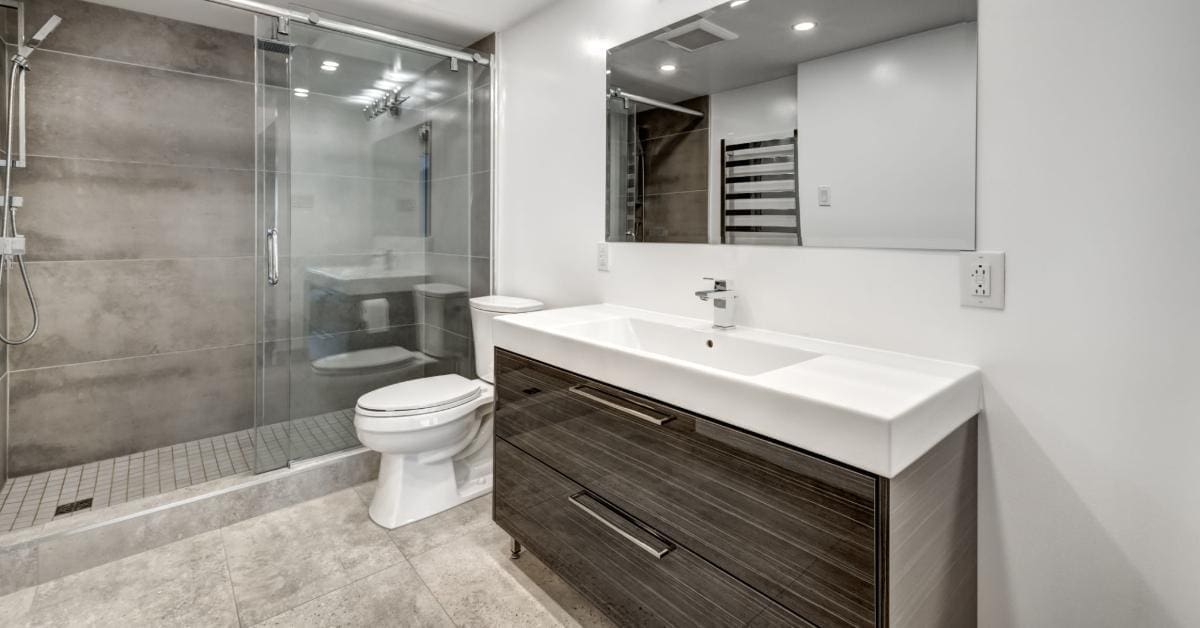
Right after the kitchen, the bathroom delivers the second-highest ROI of room-specific renovations. The cost of remodeling a bathroom is $11,000 on average, and the ROI averages 73.7 percent for a midrange job (based on the 2024 Cost vs Value report).
Some simple and effective upgrades include swapping the existing showerhead and faucet for a new low-flow one, installing a new toilet seat, and modernizing the faucet fixtures and cabinet pulls. You can opt for sustainable versions of these that are made of recycled and/or natural materials.
If you have a compact bathroom, make an effort to optimize the area and create storage options. For example, you can convert the bathtub into a walk-in shower, use a pocket door or barn door, and install shelves.
If you want to increase the value of your home and sell it faster, you should consider remodelling. It takes time and money, but it pays dividends down the road. And if you’re going to go through the effort of remodelling why not not opt for green upgrades such as these. You can save money on energy bills and improve the environment at the same time.