Buying a home is a difficult and overwhelming process in itself. What not many people think about when they’re shopping for a house is home insurance. Insurance might be a particularly interesting aspect to consider, though, if you are thinking of buying a home that is sustainable and has unique features that make it environmentally friendly.
The cost of home insurance can differ from home to home; therefore, you should know exactly how your home may be affected by any sustainable features. This article will discuss when green homes are more, and less, expensive to insure.
What Counts as a Green Home?
Green homes are essentially homes that have been built or renovated with the environment in mind. The most common feature of these houses is their efficient use of energy, which makes them less expensive to operate.
These homes might feature high-performance building envelopes, extra layers of insulation, water saving technologies and daylighting and/or other energy-saving measures.
Green homes also commonly rely on renewable energy sources to meet some or all of their energy needs. Solar panels, solar thermal systems, geothermal, wind or micro-hydro power are all examples of energy sources that a green home could tap into to lessen occupant reliance on fossil fuels.
Aside from, or in addition to this, a green home might be built with natural or sustainably sourced materials. These building materials can contribute to energy efficiency and lower the embodied carbon associated with the home. They also contribute to occupant wellness, which is another feature of a green home.
Is Home Insurance More Expensive for a Green Home?
Get the Green Building Project Checklist
Use this handy checklist on your next project to keep track of all the ways you can make your home more energy-efficient and sustainable.
The short answer is that it depends. Homes are insured based on a number of different factors, so every situation needs to be assessed individually. Let’s get into some more details about when going green might save you money on insurance and when it might cost you extra.
When Might It Be Less Expensive?
Some insurance companies offer discounts for energy-efficient homes or homes that use sustainable materials. Finding a company that will offer them is often a matter of legwork. LEED-certified homes, in particular, are eligible for insurance discounts through a few different insurers, such as The Co-operators and La Capitale General Insurance.
You could also get 25 percent of your insurance premium back if you successfully apply for the Canada Mortgage and Housing Corporation (CMHC)’s Eco Plus program. Applicants must be CMHC insured, and their homes must meet EnerGuide’s ratings standards for energy efficiency.
Finally, even insurers who don’t specifically offer green discounts will often offer discounts if your home has features that make it more climate-resilient. Again, this would be highly dependent on your geographical area and on your insurer, but metal roofs, for example, are a common green feature that insurers will offer a discount for because they’re more durable in weather events. If you’re considering one of those, we recommend that you visit How Much Does It Cost to Install a Metal Roof? before you make your decision.
When It Could Be More Expensive
Sustainable materials are often more expensive than standard ones. Insurance companies want to save as much money as possible; therefore, if they deem that any repairs you make to your home will be costly, they will match the insurance premiums to protect themselves.
Triple-glazed windows are more expensive to replace, for example. Thus, insurers could raise the price of your home insurance to cover those potential costs.
When researching home insurance options, check how insurers value green features like solar panels or smart systems. This is especially important because advanced technologies and renewable systems may influence both repair costs and insurance premiums. Understanding how each company treats these features will help you find fair and comprehensive coverage.
When it comes to submitting a claim for damage, insurance policies might not cover additional costs for sustainable materials if you haven’t accounted for them when the policy was created. That could mean higher out-of-pocket expenses for you if you want to replace, for example, a salvaged wood floor.
Solar panels or roof-mounted solar thermal systems are another good example of when green homes might be pricier to insure. If bad weather strikes or a tree branch falls on a roof with solar panels, it’s no longer just the roof that needs repairing, but this expensive technology, as well. Insurance companies who don’t offer green discounts could therefore charge a higher premium to cover the extra risk.
How to Choose a Home Insurance Company for a Green Home
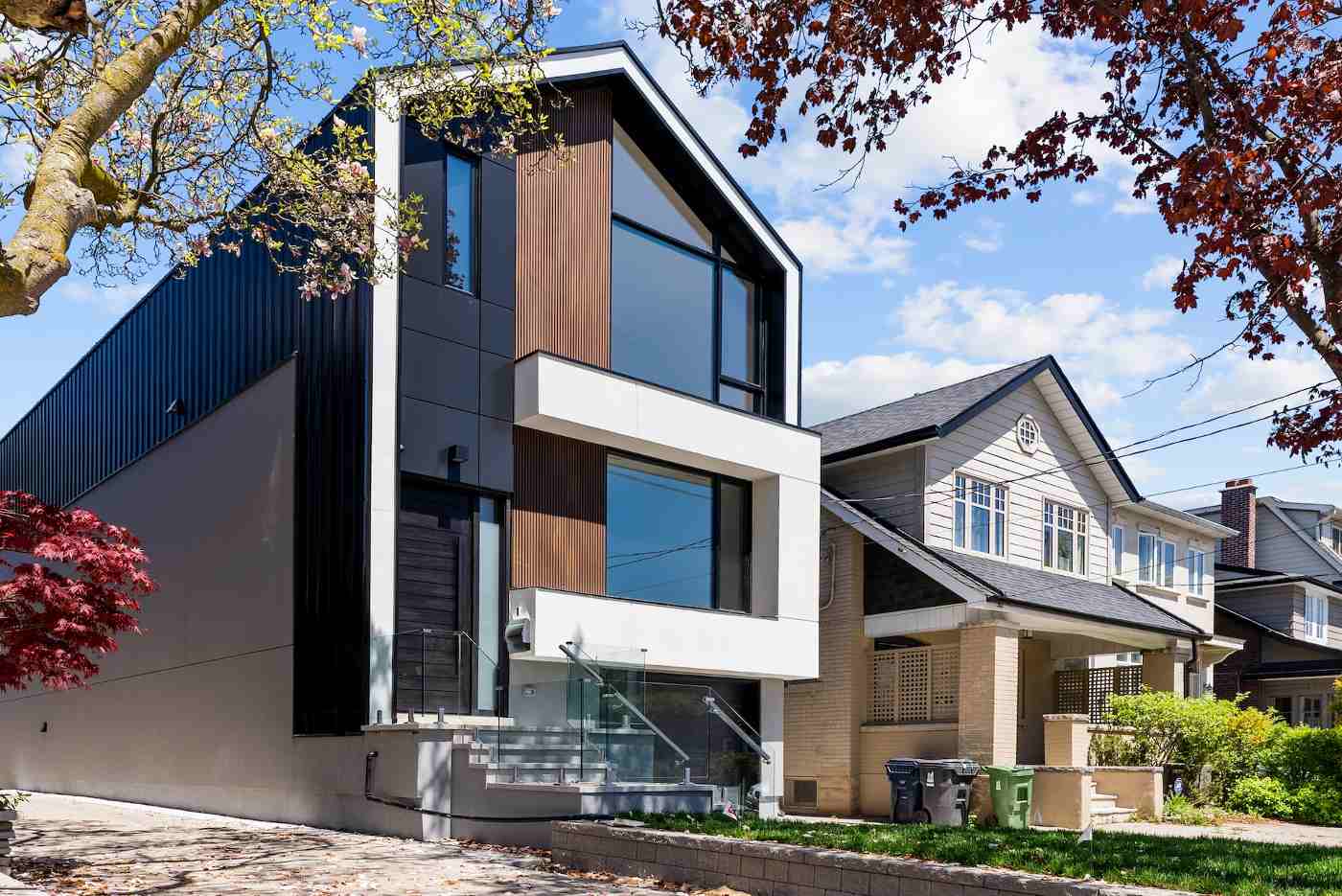
First, think through your home. All of its features, including the property’s square footage, the built materials, and any added safety features will be taken into account when it comes to calculating the insurance premium.
Different companies will offer different coverage options and not every one will be suitable for you. This includes any particular ‘green’ features your property may have or modifications that you want to make in your home to make it more sustainable.
Next, get multiple quotes. Once you start looking for an insurance provider, you may quickly realize that there are many companies out there. It can get overwhelming to decide which company to use. Make sure to look at different home insurance plans with different providers. If you already have an insurance provider that you want to stick with, read Keep These 6 Things In Mind When Looking For A Green Home for advice on determining what they’ll cover.
You should also make sure you research environmentally-friendly companies out there that want to encourage more sustainable living. Companies that are invested in addressing climate change may be a better option for you for obtaining insurance at a discounted price.
How Are Home Insurance Premiums Calculated?
The Deductible
This is the amount of money you will pay towards the costs of a claim. For example, if your deductible is $1000, and you need to fix damages worth $5000, you will pay the deductible of $1000 whilst the insurance company will cover the rest.
People tend to think that the lower the deductible the better since they would not have to pay much in case they make a claim. Although this is not necessarily the best route. With a higher deductible, your monthly payments would be lower, thus being more cost-effective in the long run.
Risk
Insurance companies will assess how much risk there is to your property to determine the costs you are required to pay. This is so that they know there are few chances of you actually making a claim. For example, as previously discussed, renewable technology may be deemed a risk. This will raise the premiums and is an important factor to consider in your budget.
There are diverse variables affecting home insurance, especially for green homes. You should have an understanding of what will be considered when you try to get your property insured. Make sure to do your research when it comes to insurance providers and to ask for green discounts from every provider you talk to.
Feature image: Jens Mahnke; Image 1: André François McKenzie