
When it comes to cleaning and preserving your cherished rugs, embracing eco-friendly practices not only benefits the environment but also prolongs the lifespan of your carpet. This article spotlights realistic approaches to carpet drying that are kind to our planet while ensuring your carpets remain fresh and dry.
Drying Process Overview
The drying process commences once you’ve undertaken an intensive cleaning of your carpet. Given that soggy carpets pose risks of growing mould and emitting smells, immediate drying is essential.
Expeditious drying helps maintain the integrity of the carpet materials and retain their comforting texture. However, conventional drying approaches often employ hefty energy consumption and may even contain harsh chemicals.
Water Damage Restoration
If a flood or significant spill has occurred, seek assistance from a professional service such as a water damage specialist. These people carry vast expertise in salvaging water-drenched items efficiently and reducing potential damage. Always do your research and find professionals who demonstrate a commitment to eco-friendly practices.
Green-minded professionals will use smart technology to detect any hidden water pockets within the carpet materials and underlying padding. They’ll utilize energy-efficient industrial blowers for enhanced airflow, leading to accelerated evaporation. Lastly, they’ll avoid harsh chemicals and choose safe biological treatments instead.
Get the Green Building Project Checklist
Use this handy checklist on your next project to keep track of all the ways you can make your home more energy-efficient and sustainable.
Emphasis on Prevention
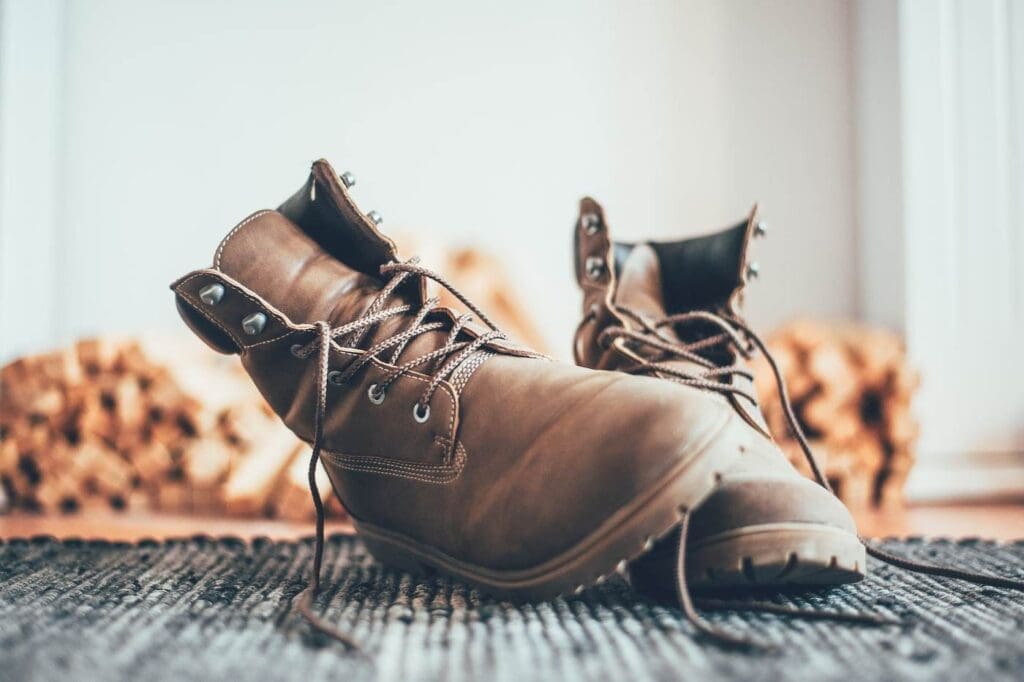
Remember, prevention is better than cure. Try to avoid circumstances that could lead to soaked carpets in the first place. A straightforward practice includes not dragging heavy water-filled items across the carpet and exercising immense care while dealing with liquids. Easy steps like taking off shoes before stepping onto carpets also help prevent unnecessary moisture.
In locations subject to recurring flooding, consider installing flood guards. These apparatus are designed ingeniously to keep out flood water from indoor surroundings.
Carpet Material Considerations
The material composition of your carpet serves as a critical criterion regulating the appropriate drying methods. Natural fibres like wool tend to shrink and discolor if dried incorrectly or overly exposed to sunlight. Synthetic fibers boast greater resistance to such issues but might succumb to the excessive heat produced by some dryers.
Learn about your carpet’s materials and consider professional consultation if unsure. The key here is to secure an effective balance of fast yet gentle drying methods sensitive to your carpet’s nature.
Eco-Friendly Drying Methods

A variety of invaluable eco-friendly drying methods are open for use at home. If possible, employ maximum sunlight coupled with sweeping winds. Sunlight is a natural disinfectant, promoting a healthy carpet by demolishing potential allergens and bacteria. Winds, meanwhile, function to dissipate the moisture.
Be wary of leaving your carpet exposed to constant sunlight for extended hours, however, since discolouration may occur. Instead, implement a balanced approach of maximizing and minimizing outdoor exposure. For indoor drying, utilize fans and open windows, allowing consistent movement of air across the carpet, which promotes evaporation.
Dealing with Mold
A persistently damp carpet is more likely to harbour mould growth; an unwelcome intruder causing potential health hazards. Combatting this calls for effective mould treatments that steer clear of harsh chemicals.
Gleaming inspiration from Mother Nature is highly beneficial here. Use mild yet potent natural disinfectants such as vinegar or citrus extract diluted in water. These constitute formidable foes for mould while maintaining safety for your home’s inhabitants and the environment at large.
Importance of Ventilation
Utilize open windows to their maximum potential to dry your carpets without using extra energy. Cross ventilation is ideal, if you can create it. Simply open windows across the room to create a wind tunnel, which contributes to rapid drying. Another tested tactic includes employing ceiling fans that stir up the air and cut down on humidity.
Effective Use of Fans
Fans are also a powerful weapon you can use to dry your carpets. The driving principle here is to generate robust airflow indirectly onto the carpet’s surface. This not only catalyzes evaporation but also ensures uniform drying instead of a few dry patches. Opt for oscillating fans that rotate across various angles, reaching every nook and cranny.
A ceiling fan is also helpful as it churns the warm air usually trapped near the ceiling. Ensure efficient spacing between the fan and carpet—too close could create hot spots that harm the carpet fibres or merely circle air in a tight space rather than the whole room.
DIY Green Drying Solutions
Simple DIY solutions are usually the answer to carpet drying needs. Source readily available household items to craft environmentally friendly carpet dryers. A squeegee usually utilized for window cleaning, for example, can be run over your carpet repeatedly to extract surplus moisture after cleaning!
Baking soda ranks as another fantastic tool. Sprinkle generous amounts onto the wet carpet, let it absorb water overnight and then vacuum it all up.
Incorporating Green Products
Champion green practices by integrating eco-friendly products into your carpet cleaning and drying techniques. These could range from biodegradable detergents to high-efficiency appliances to water-saving fixtures.
Microfibre cleaning tools, for example, are a simple product to incorporate into your cleaning routines. These require less water, absorb more moisture and consume less energy to dry out compared to regular cleaning cloths.
Evaluating and Improving Your Drying System
Optimal drying times hinge significantly on the efficiency of your chosen drying systems. Infusing green tactics might not yield immediate results, requiring you to evaluate and continuously improve your systems.
Measure tangible outputs like drying time or energy consumption to gauge efficiency. These serve as reliable indicators that can inform any modifications you make to your techniques, such as procuring specific tools like a sustainable dehumidifier.
It can also mean switching to renewable energy sources such as solar or wind energy. If you can’t install these systems on-site look to energy providers that provide renewable energy.
Remember, this is an ongoing process, it’s a cycle of planning, testing, evaluating and then repeating these steps until the desired results are achieved.