
The recent derecho storm that hit Ontario has put climate change in the spotlight in discussions across the province, if not the entire country. It isn’t hard to see why: it claimed the lives of 10 people, left swathes of neighbourhoods without power, and caught many by surprise.
Unusual phenomena are signs often associated with climate change. As much as a dwindling few may still deny it, there’s mounting pressure from the public and multiple sectors to prepare Ontario for similar anomalies in the future. As experts predict weather anomalies will get stronger in the future, it stands to reason that this won’t be the last of such a phenomenon.
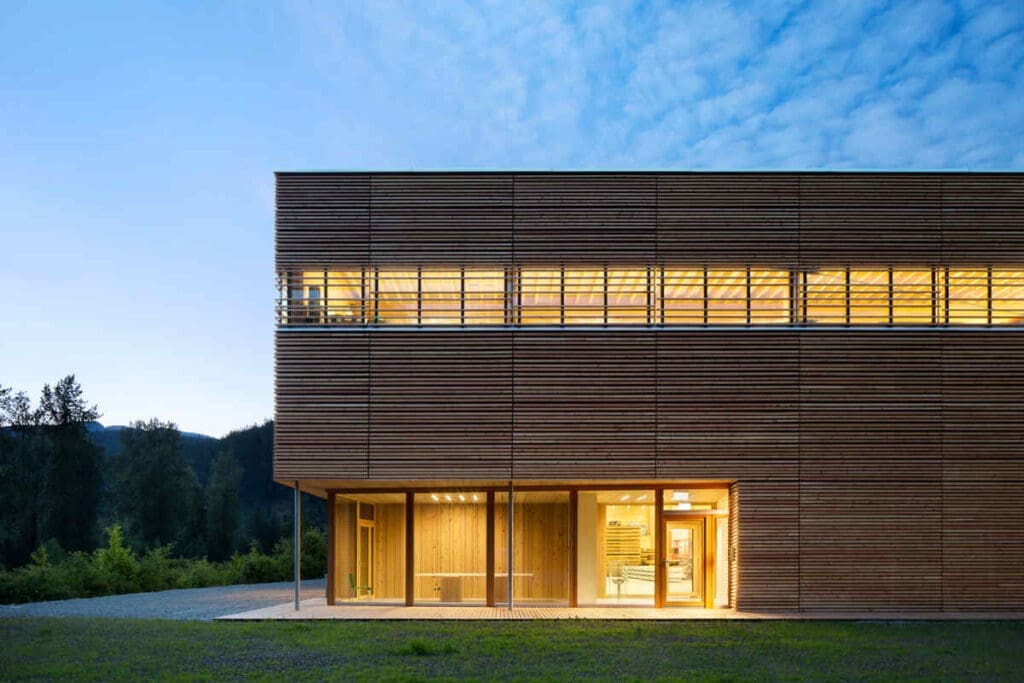
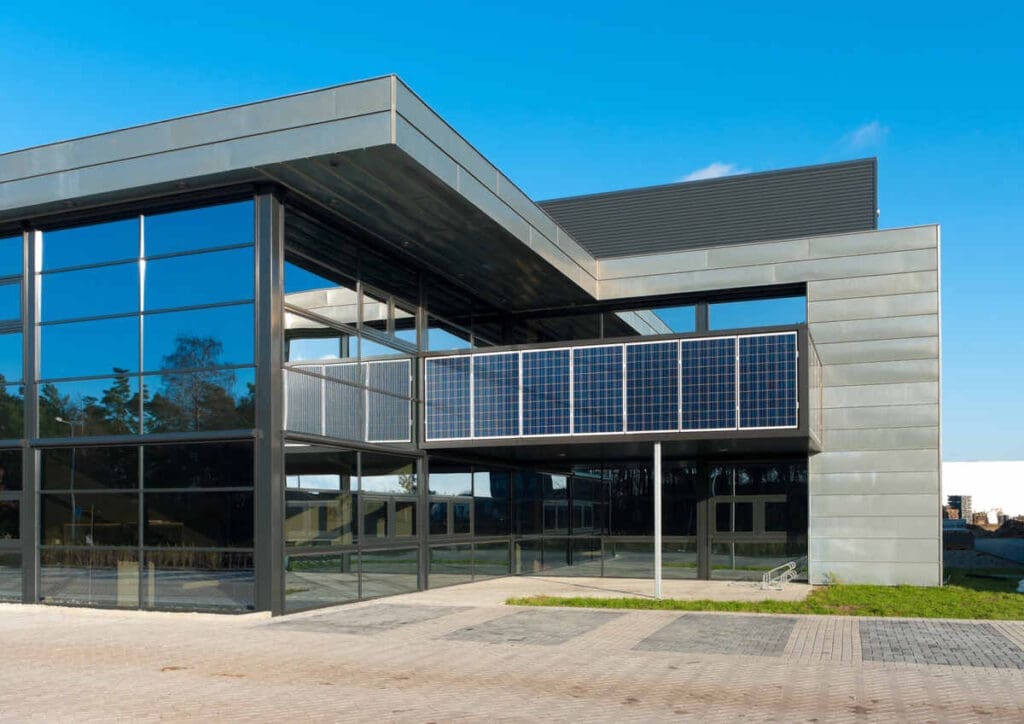
Green buildings will likely be at the helm of preparations to make the province more resilient. These buildings might be brand new, constructed as per the latest building codes, or they might be existing structures retrofitted with the latest green technologies from energy-efficient appliances to solar panels. Here’s how these structures can help Ontario combat climate change.
Reducing Energy Demand
New building materials and techniques contribute to the movement to combat climate change. These days, it isn’t unusual for new constructions to use recycled building materials and have energy-efficient designs. While a welcome development, it can sometimes be challenging to build a new green building without tearing down an old one.
In regions with a fair share of old buildings, like Ontario, greening strategies involve an extensive retrofitting program. From swapping old lamps with LED lights to installing photovoltaic panels, a retrofit can greatly reduce energy use. To quote Carl Elefante, who served as president of the American Institute of Architects in 2018: “The greenest building is one that is already built.”
Reducing energy demand also means reducing the need for new energy production facilities. Hydroelectric dams meet a significant portion of the country’s energy needs, but building one entails displacing and disrupting the local environment. Given Ontario’s relative dependence on hydropower, Ontario climate change policies must consider such trade-offs.
Mitigating Emissions

Get the Green Building Project Checklist
Use this handy checklist on your next project to keep track of all the ways you can make your home more energy-efficient and sustainable.
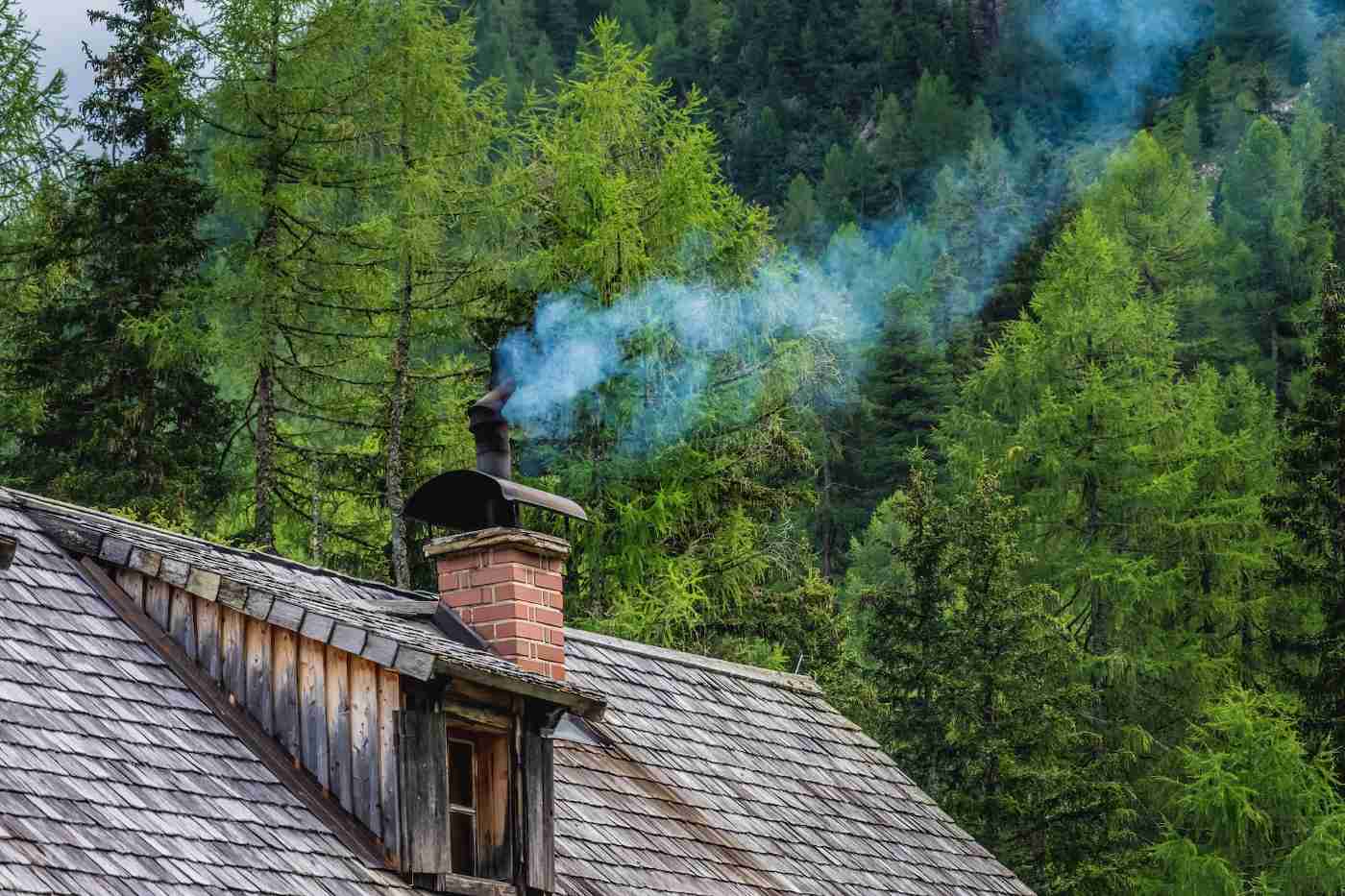
Whether or not they come with a visible chimney or smokestack, all buildings emit greenhouse gases (GHG). According to the Government of Canada, homes and buildings are the third-highest producers of GHGs, behind the fossil fuel and transport sectors.
These emissions happen in two ways: purchased electricity and direct consumption. Purchased electricity is when you plug in an appliance to draw electricity from the grid. The power plant then has to produce more to meet demand, leading to more GHG emissions. Government estimates indicate that this method accounts for 5% of national emissions.
On the other hand, direct consumption mainly applies to boilers and furnaces. Using them will draw energy from an existing gas line, resulting in emissions. In this scenario, the house itself produces GHGs alongside the wells and processing plants that supply the gas. The Government of Canada states: “Canada’s homes and buildings account for 13% of national greenhouse gas (GHG) emissions, due to the combustion of fossil fuels for space and water heating.”
Green buildings can lower emissions in various ways, such as tapping into sustainable energy, particularly solar energy and geothermal, for their use. Solar panels don’t produce emissions when generating power, and the emissions from the manufacturing process are far less than emissions from coal. Experts estimate that solar systems can become carbon-neutral after a few years of use.
In some cases, mitigating emissions can involve basic improvements and changes. For example, swapping furnaces for air source heat pumps can cut back on GHGs by reducing reliance on fossil fuels. Closing any unwanted gaps in windows or ductwork helps stop heat from leaking out. Heat recovery ventilators can maintain the ambient indoor temperature while letting stale air leave.
Promoting Green Spaces
Ontario is one of Canada’s most highly urbanized regions of Canada, home to more population centers than the Atlantic provinces and British Columbia combined. However, its urban development comes at a cost; it’s losing much of its greenness.
In a study of almost 1,000 population centers, Statistics Canada noticed a decline in greenness in most regions between 2011 and 2019. In Ontario, 36% of its urban areas saw a rise in greenness in 2011 but only 28.3% in 2019. Even the number of areas that maintained their greenness amid development decreased, from 37.1% in 2011 to 33.6% in 2019.
For instance, the town of Milton has lost much of its natural landscape over the years. In 2001, less than a quarter of the area was urban; however, it only took a decade for the urban areas to double in size. While its greenness slightly increased in 2019, Milton’s natural scenery remains far from what it had been two decades prior.
The country is in the process of trying to achieve net-zero emissions by 2050; by that time, nearly seven out of ten people worldwide will be living in cities. Green spaces will become more integral than ever, and green approaches to building will be at the heart of such developments.
These structures can contribute to the movement against climate change by taking environmentalist approaches in their design and construction. Apart from providing much-needed living spaces, they have to ensure their operation won’t unduly impact the local environment.
As a bonus, research in 2015 suggests that green spaces may have mental health benefits. Of at least 2,600 children who participated in the study, researchers found that those exposed to green spaces showed more significant improvements in memory. Furthermore, the green spaces that contributed more to such improvements were common areas like parks and school yards.
Conclusion
Green advocates stress that the world doesn’t have much time left before the effects of climate change make the planet less habitable. The derecho storm that hit Ontario is perhaps a taste of what’s to come; future storms and weather anomalies will likely leave a far greater trail of destruction.
Ontario’s climate change strategy may rest on green buildings, whether it builds new ones or outfits existing ones with energy-efficient tech. The solutions are affordable right now, and their long-term benefits will pay for themselves.
Feature image: Callum Shaw; Image 1: Sandra Grünewald