
GREEN BUILDINGS IN CANADA
A collection of some of the country’s finest
Canada punches above its weight when it comes to green buildings. Despite it’s relatively small population, the country ranks in the top five worldwide in the number of certified green buildings, right up there with countries like India and Brazil.
Across the country there are approximately 15,000 certified green buildings along with many more that are uncertified. The buildings we are about to see are just a few examples of those.
Discovering Canada’s Green Buildings
A building does not have to be certified for it to be green. But if it is certified, it’s easier to find out about it. Some of the green building certification organizations in Canada keep project databases of their certified buildings so you can check them out. Here’s a list with links that go directly to either their project databases or case studies:
Get the Green Building Project Checklist
Use this handy checklist on your next project to keep track of all the ways you can make your home more energy-efficient and sustainable.
UBC Centre for Interactive Research on Sustainability (CIRS)
Location: Vancouver, BC
Type: Institutional, Education
Size: 62,000 square feet
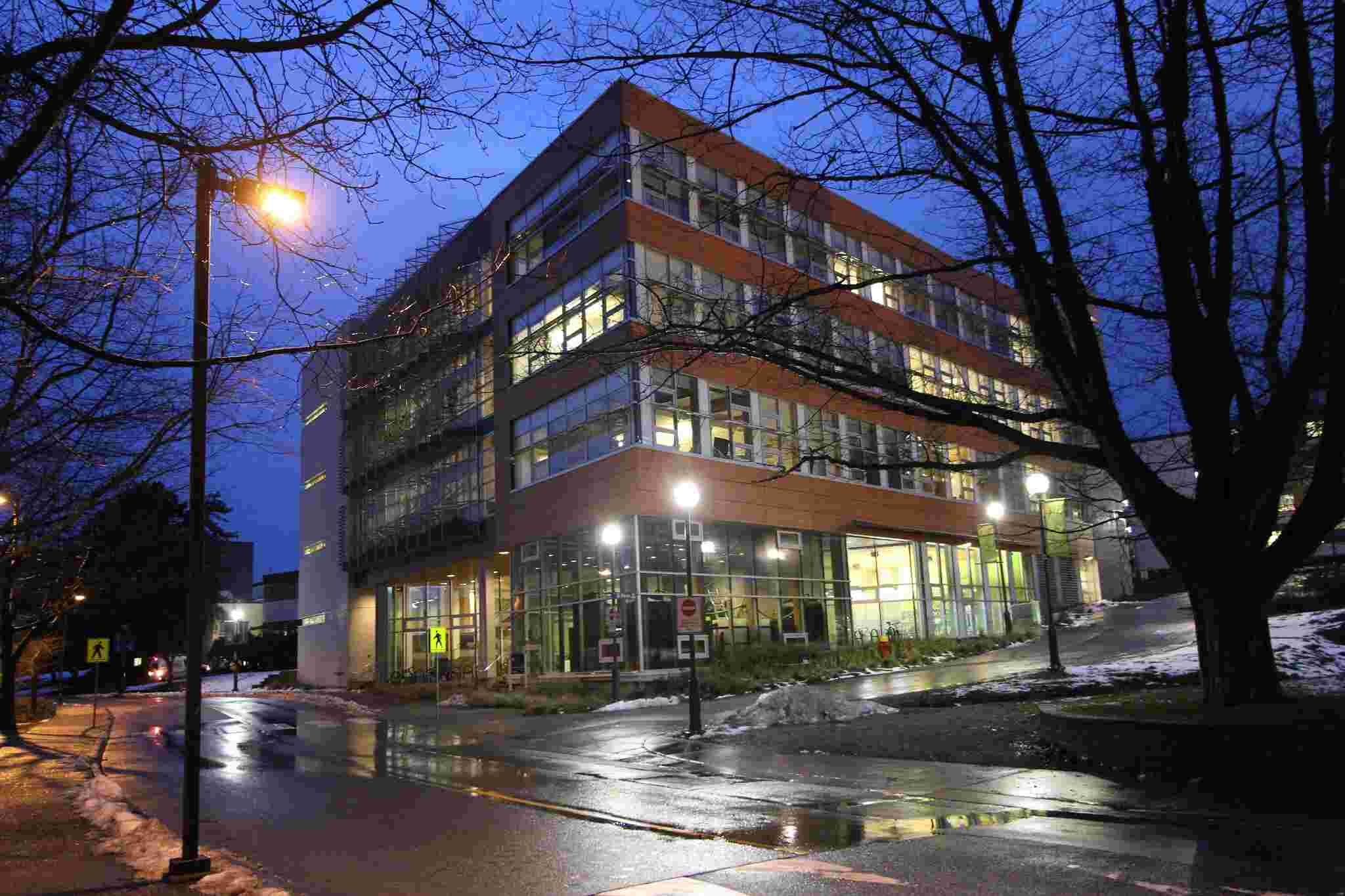
University of British Columbia’s CIRS building was designed as a living laboratory to test ideas about new sustainable building technologies and share knowledge about those ideas. To this end, it features a variety of systems, including geothermal, solar thermal hot water, photovoltaics and heat exchange. The building is certified LEED Platinum and has achieved a number of high-performance and sustainability awards.
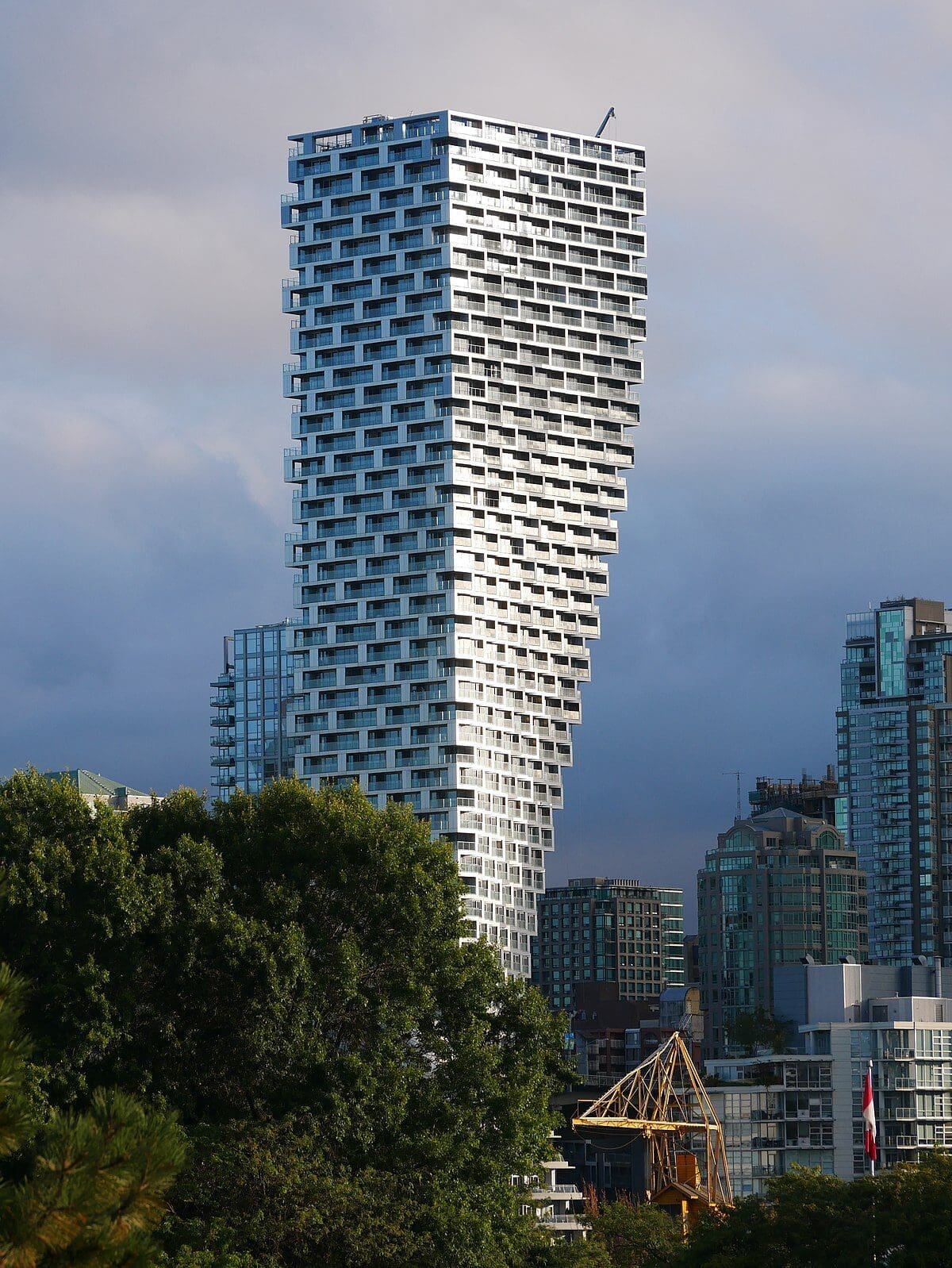
Vancouver House
Location: Vancouver, BC
Type: Residential
Size: 653,000 square feet
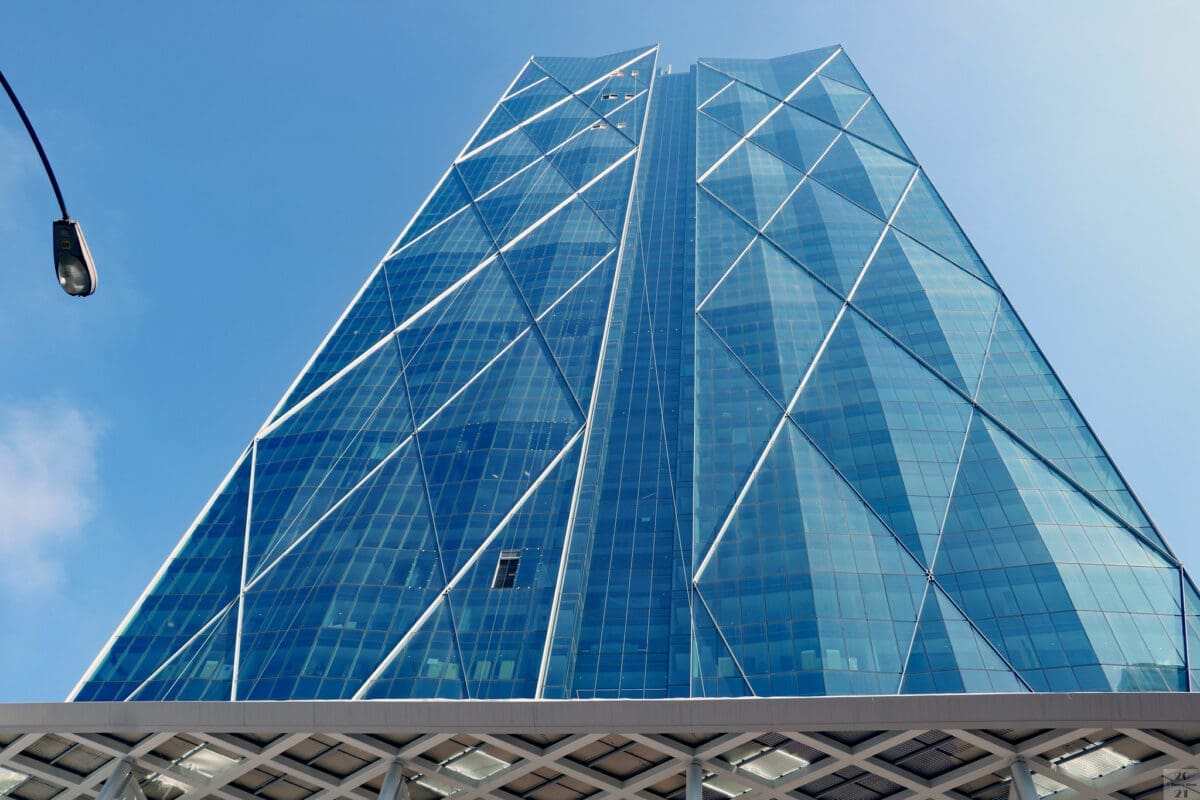
Built in a neo-futurist style, Vancouver House is considered one of Western Canada’s most iconic buildings. It has a passive envelope along with triple glazing, green roofs, radiant ceiling heating and cooling and a rainwater harvesting system that provides for 100 percent of irrigation needs and contributes to a 40 percent reduction in potable water usage.
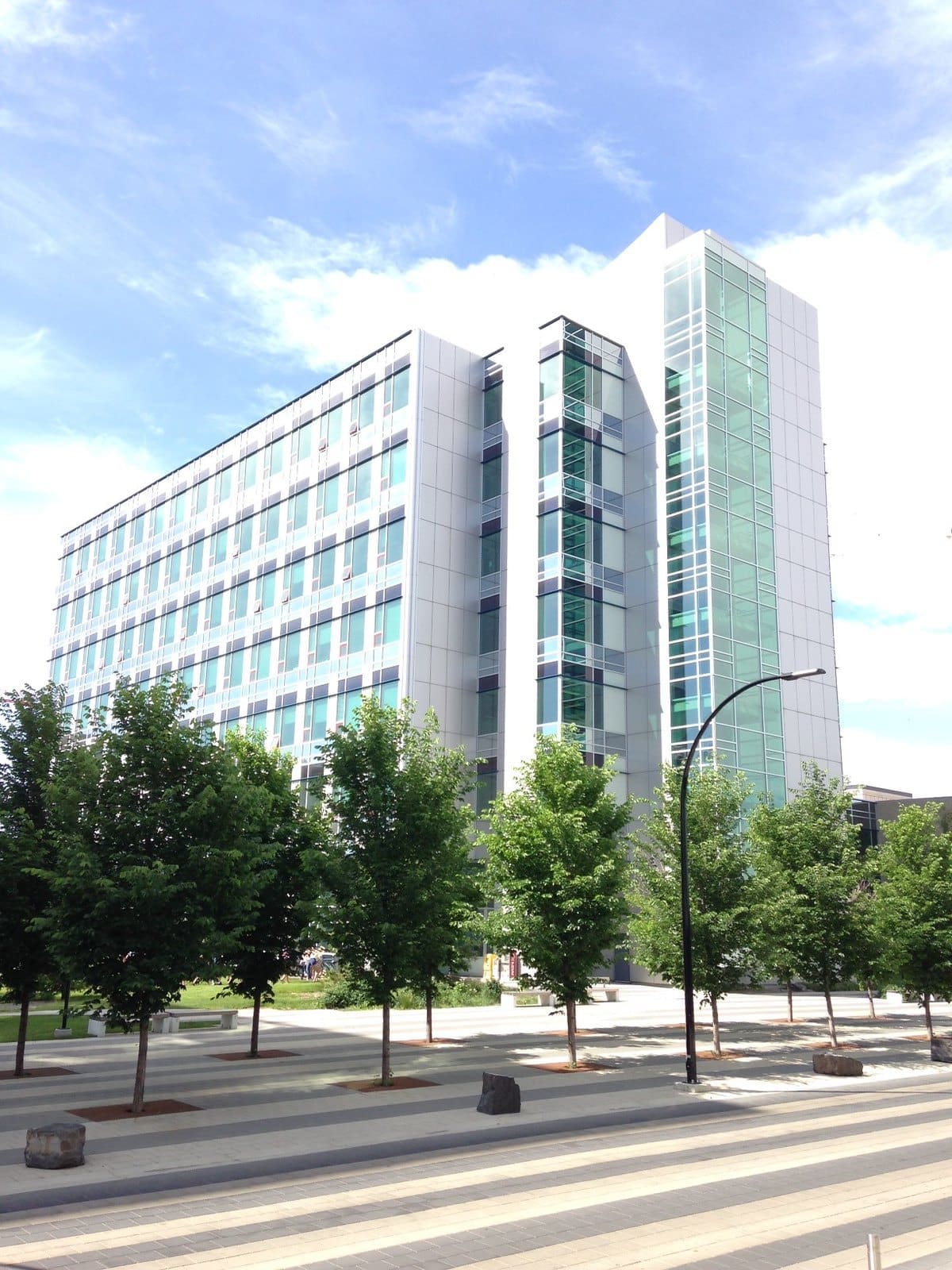
The Energy Environment Experiential Learning (EEEL) Building
Location: Calgary, Alberta
Type: Institutional, Education
Size: 250,000 square feet
The EEEL building at University of Calgary offers students learning about energy and the environment a space where they can experience firsthand what they’re learning about. With horizontal louvres that keep summer heat out and allow more heat in the winter, efficient daylighting design, earth tubes, an efficient envelope and a host of other design features, EEEL uses 45 percent less energy than a conventional building.
The Enbridge Centre
Location: Edmonton, Alberta
Type: Commercial
Size: 551,200 square feet
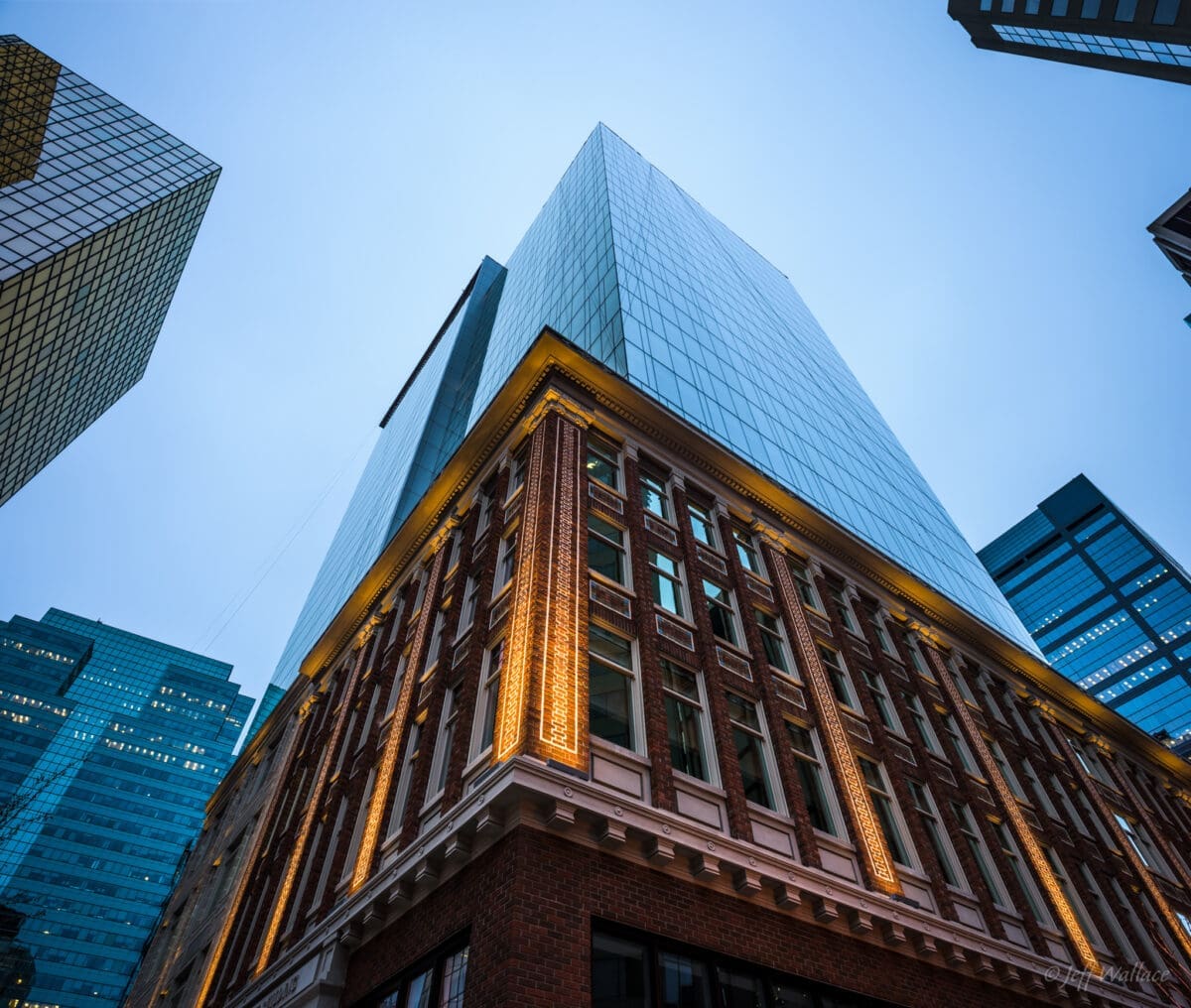
The Enbridge Centre is the first skyscraper built in Edmonton for 25 years and the first to achieve LEED Platinum O+M certification in Alberta. Some of its features include a high-performance building envelope, energy-efficient heating, cooling and lighting systems and an advanced waste management program.
L’Avenue
Location: Montreal, Quebec
Type: Mixed-use
Size: 592,000 square feet
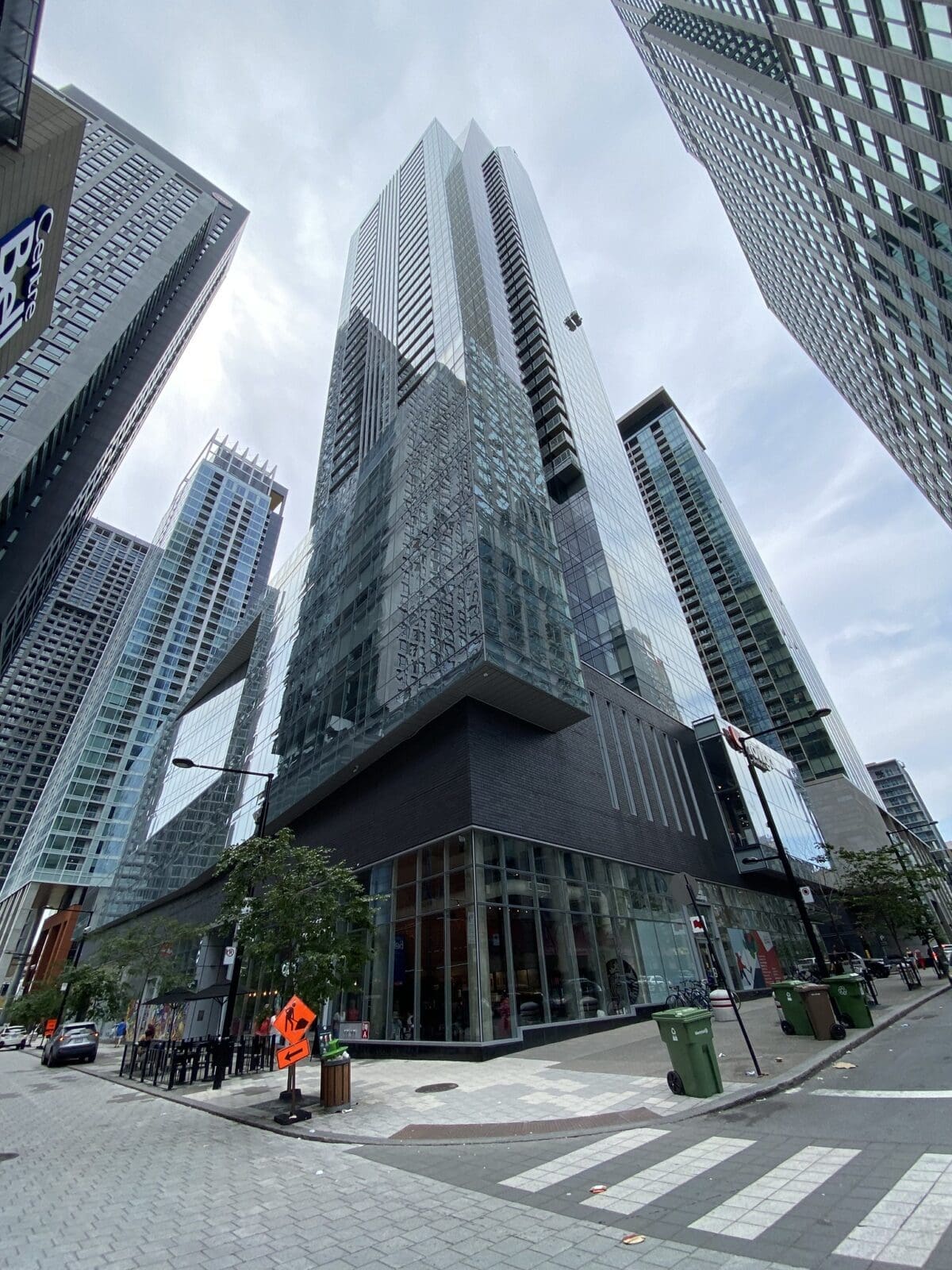
In the heart of downtown Montreal, L’Avenue is a mixed use development designed with a minimalist, contemporary style. The building has an advanced approach to water management, including rainwater harvesting and greywater recycling and is constructed with low-embodied carbon materials and features green roofs and energy efficient HVAC systems.
TD Centre Tower
Location: Toronto, Ontario
Type: Commercial, Office
Size: 1,300,000 square feet
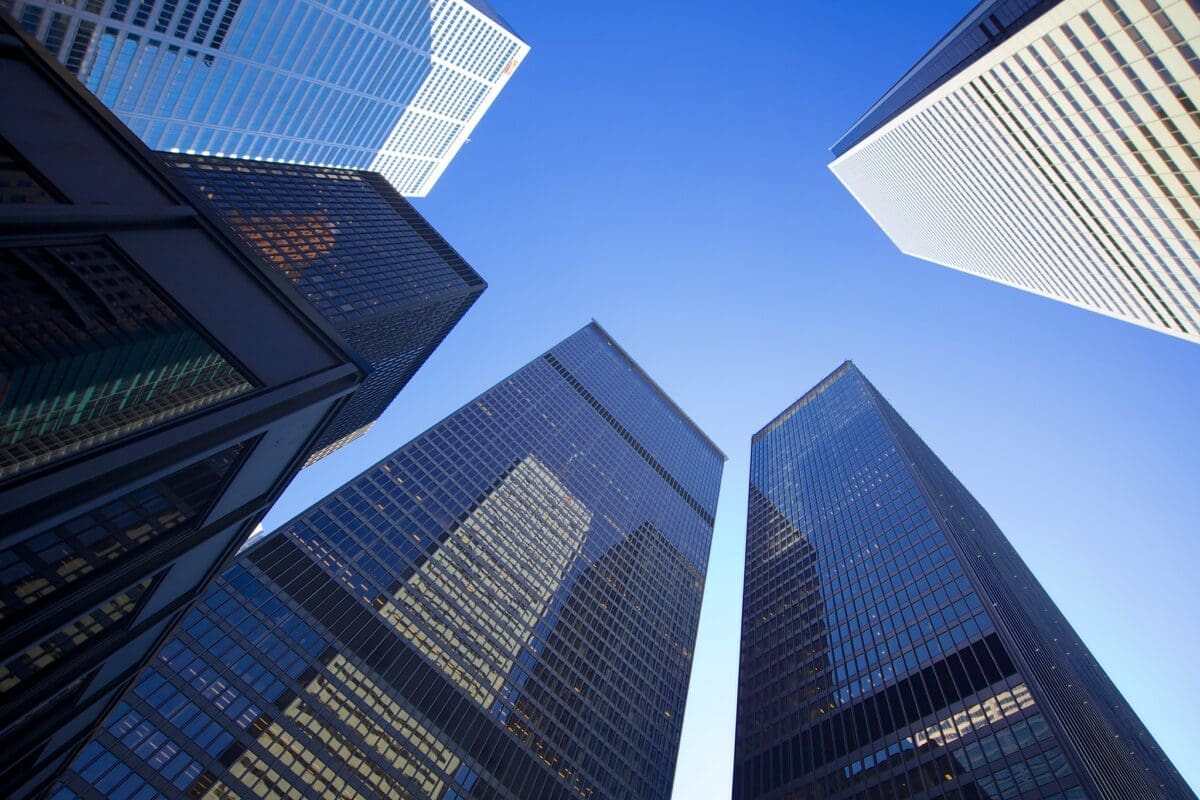
The TD Centre Tower is a sprawling six tower office complex in downtown Toronto that ranks as one of the most sustainable for its size in the world. This building complex broke ground in a couple of ways. It was both the first building in Canada to become certified LEED Gold as well as the first existing building in North America to be WELL Certified, marking its commitment to occupant health and wellbeing. The complex pulls cold water from Lake Ontario for its deep lake water cooling system, greatly reducing energy usage from air conditioning. In terms of operation, they conduct regular water and waste audits and they engage tenants to help them continually improve.
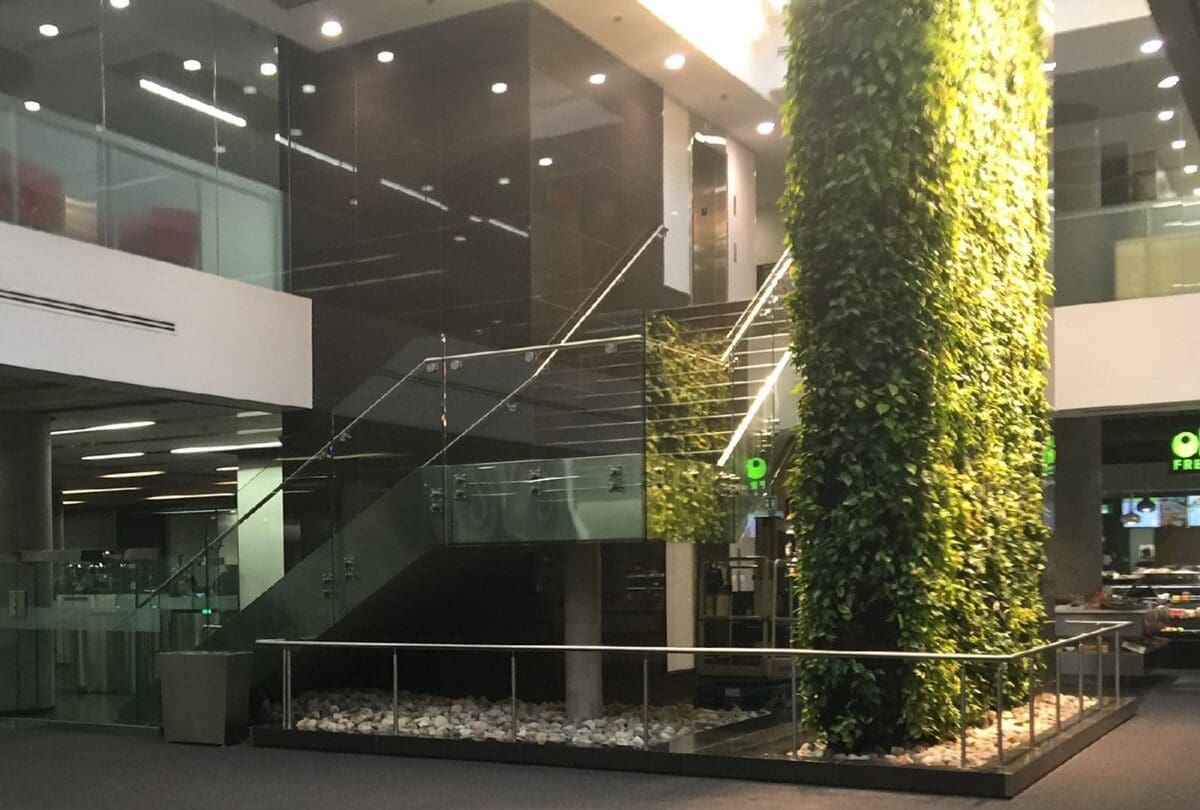
The James Michael Flaherty Building is a government building in Ottawa that features a T-plan configuration designed to reduce heat gain and glare. Extensive energy modelling was done to give occupants good access to light and views, yet still realizing energy performance goals. The building also has green roofs and walls. One of the walls, at six storeys is the highest in Ottawa.
The James Michael Flaherty Building
Location: Ottawa, Ontario
Type: Institutional, Government
Size: 650,000 square feet
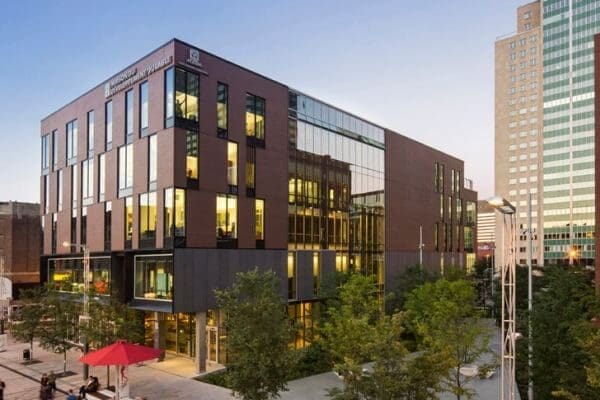
Being a Center for Sustainable Development that houses offices for organizations with social and environmental values, it’s not surprising that Maison du Développement Durable would design its building to demonstrate green building practices. Geothermal is used to power nearly 100 percent of its heating and cooling needs. They have an advanced building management system with motorized dampers that create a stack effect to reduce heat gains in the summer and other innovative features like interactive energy display boards located in public areas that show the building’s energy consumption in real-time as compared to a reference building to inform occupants about how their activities affect energy consumption.
Maison du Développement Durable
Location: Montreal, Quebec
Type: Commercial, Office
Size: 68,450 square feet
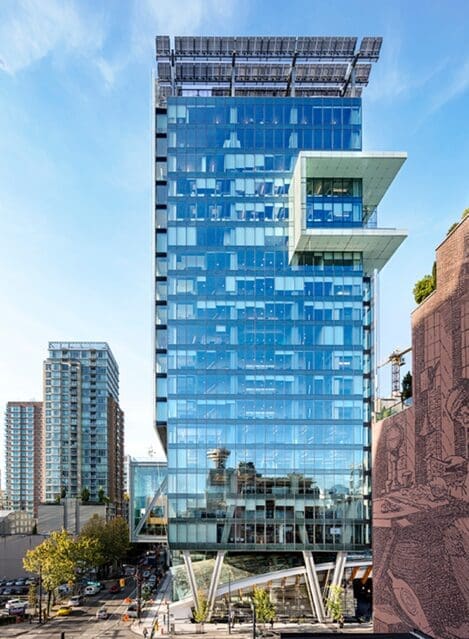
Telus Garden Office Tower
Location: Vancouver, BC
Type: Commercial, Office
Size: 500,000 square feet
Telus Garden was Vancouver’s first LEED Platinum certified office tower. With expansive green roofs including a rooftop forest, a district energy system that reduces demand from conventional energy sources by 80 percent, triple-pane curtain walls and other notable features, the building has one of the highest LEED scorecards in Canada.
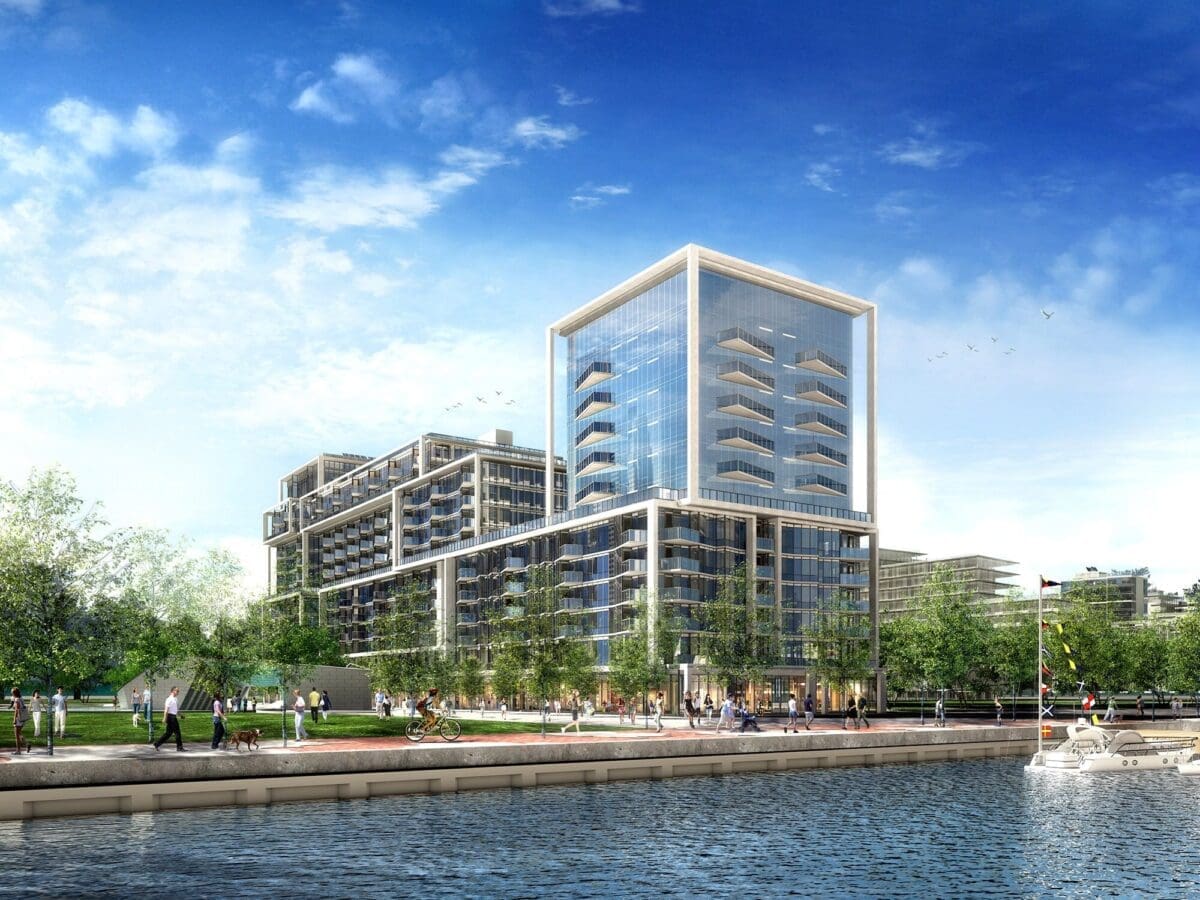
Aqualina at Bayside
Aqualina at Bayside offers NetZED suites, which are all-electric net zero energy dwellings. The suites use energy recovery ventilators (ERV), variable refrigerant flow (VRF) heat pumps, home energy management and monitoring systems along with a number of other technologies. Aside from the technology, sustainable design was used for all aspects of the suite, from appliances to finishes to furniture.
Dockside Green
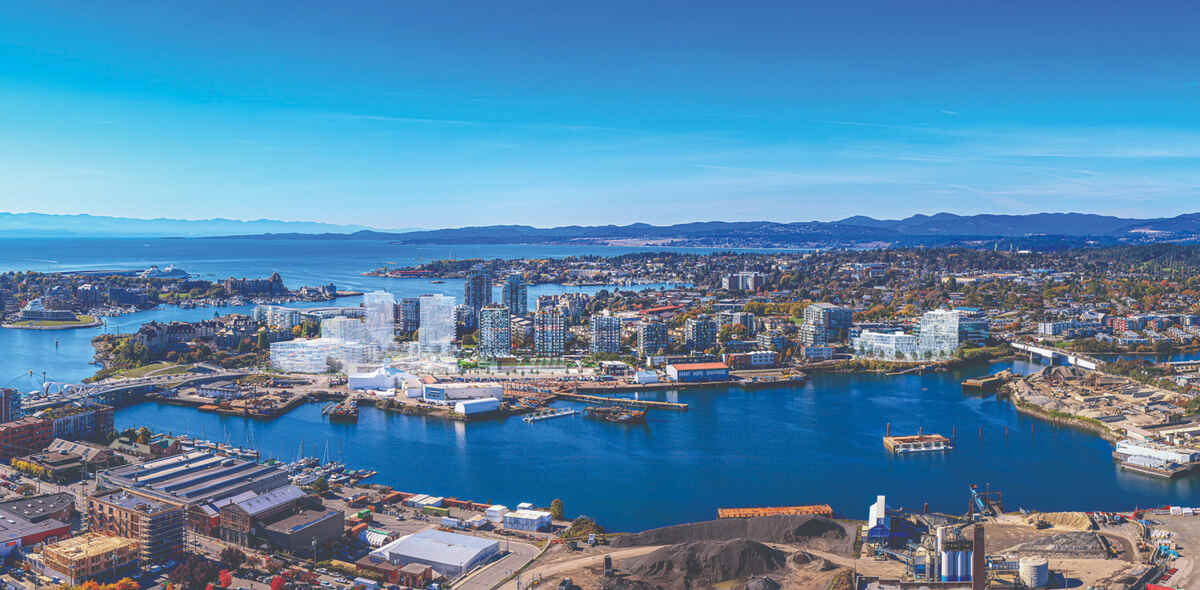
Location: Victoria, BC
Type: Mixed-use community
Size: 15 acres
Designed with smart growth principles in mind, Dockside Green is promoted as “an urban wellness neighbourhood built for health and happiness, recreation and sustainability.” The greatest benefits the community offers are its walkability, connection to nature and social connection. It’s built right on the water and is at the trailhead of the Galloping Goose Trail, making it a desirable place to live for outdoor enthusiasts and anyone seeking greater health, social and mental well-being.
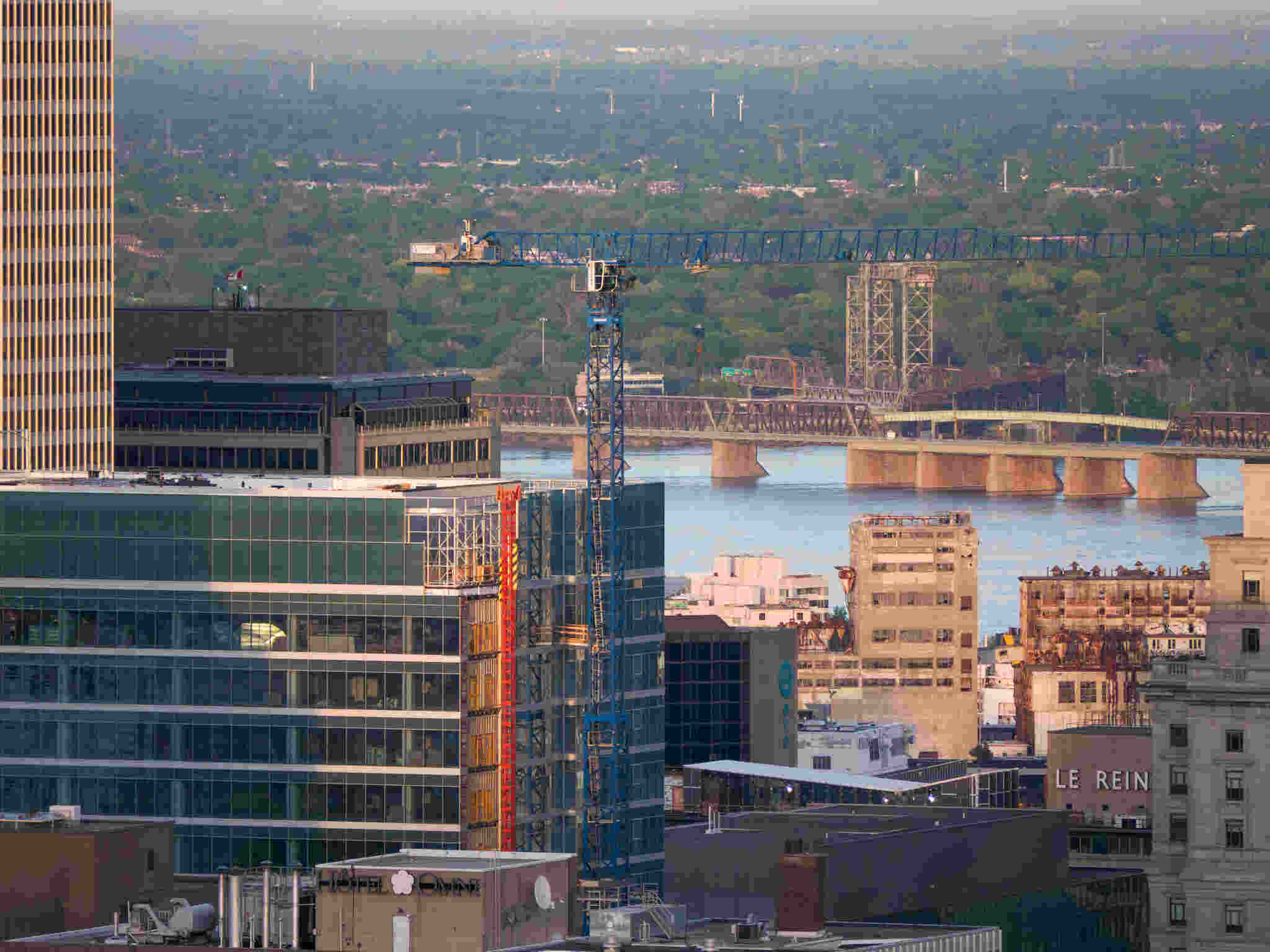
The home of Manulife’s Quebec headquarters in Montreal, Maison Manuvie has attained a number of credentials and awards, including being a Zero Carbon Building. To meet stringent energy efficiency requirements, the team included everything that was planned for, including heat recovery chillers, a cool roof, abundant natural light and a double glass envelope to improve thermal performance.
Maison Manuvie
Location: Montreal, Quebec
Type: Commercial, Office
Size: 486,500 square feet
CIBC Square
Location: Toronto, Ontario
Type: Commercial, Office
Size: 3,000,000+ square feet
This two-tower office complex features a one-acre elevated park that connects the two buildings at the fourth floor to the train station underground. The building became the largest financial workplace in the world to achieve the WELL standard, which certifies the health and well-being aspects of the building, such as maximizing daylight, reflection and lactation rooms and improved air quality. It is also one of the first three Canadian buildings to receive SmartScore Certification, which accredits the world’s smartest buildings. In addition to featuring green roofs, a high-performance building envelope and various other features, the building was designed to deter bird strikes.
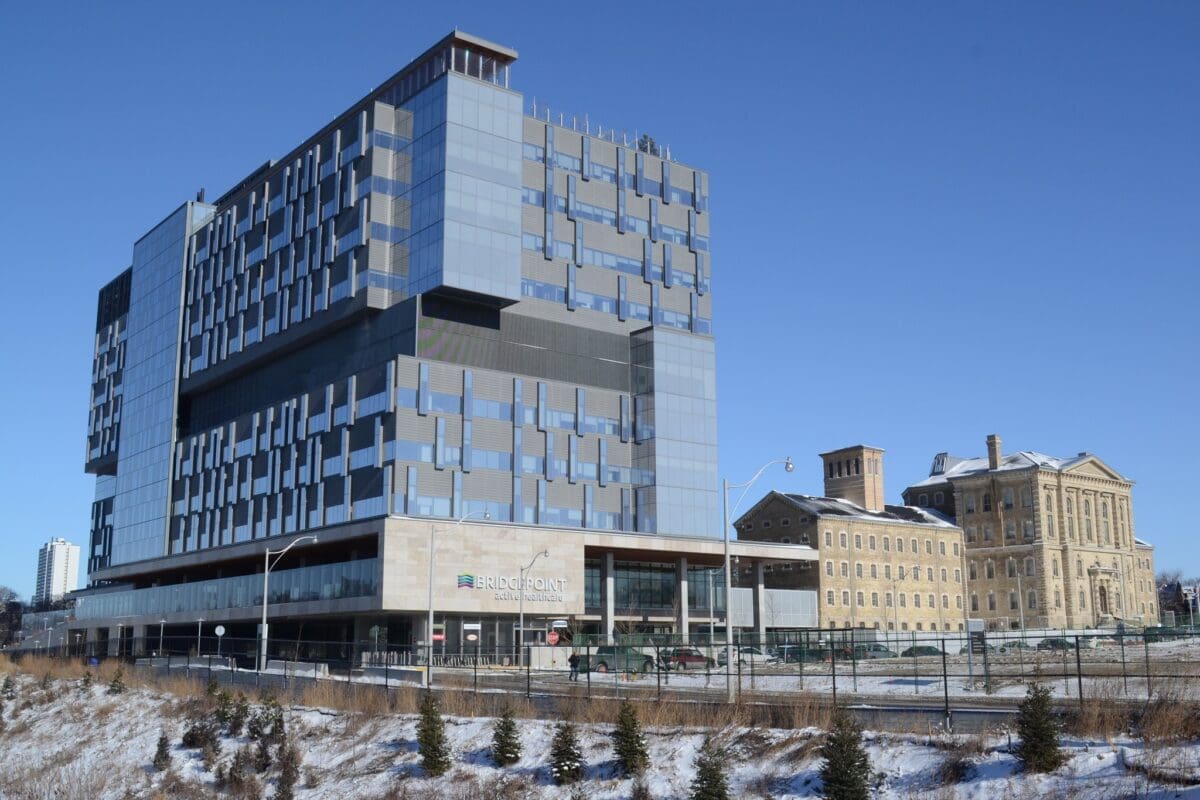
Being a healthcare facility, Hennick Bridgepoint Hospital’s construction placed much emphasis on thermal comfort and indoor air quality. The main goal was to improve the health outcomes for its patients. The building was also designed with a variety of sustainable materials. Besides that, it also features green spaces, natural lighting and a variety of highly energy efficient systems.
Hennick Bridgepoint Hospital
Location: Toronto, Ontario
Type: Institutional, Healthcare
Size: 680,000 square feet
Bibliothèque du Boisé
Location: St. Laurent, Quebec
Type: Institutional, Library
Size: 65,000 square feet
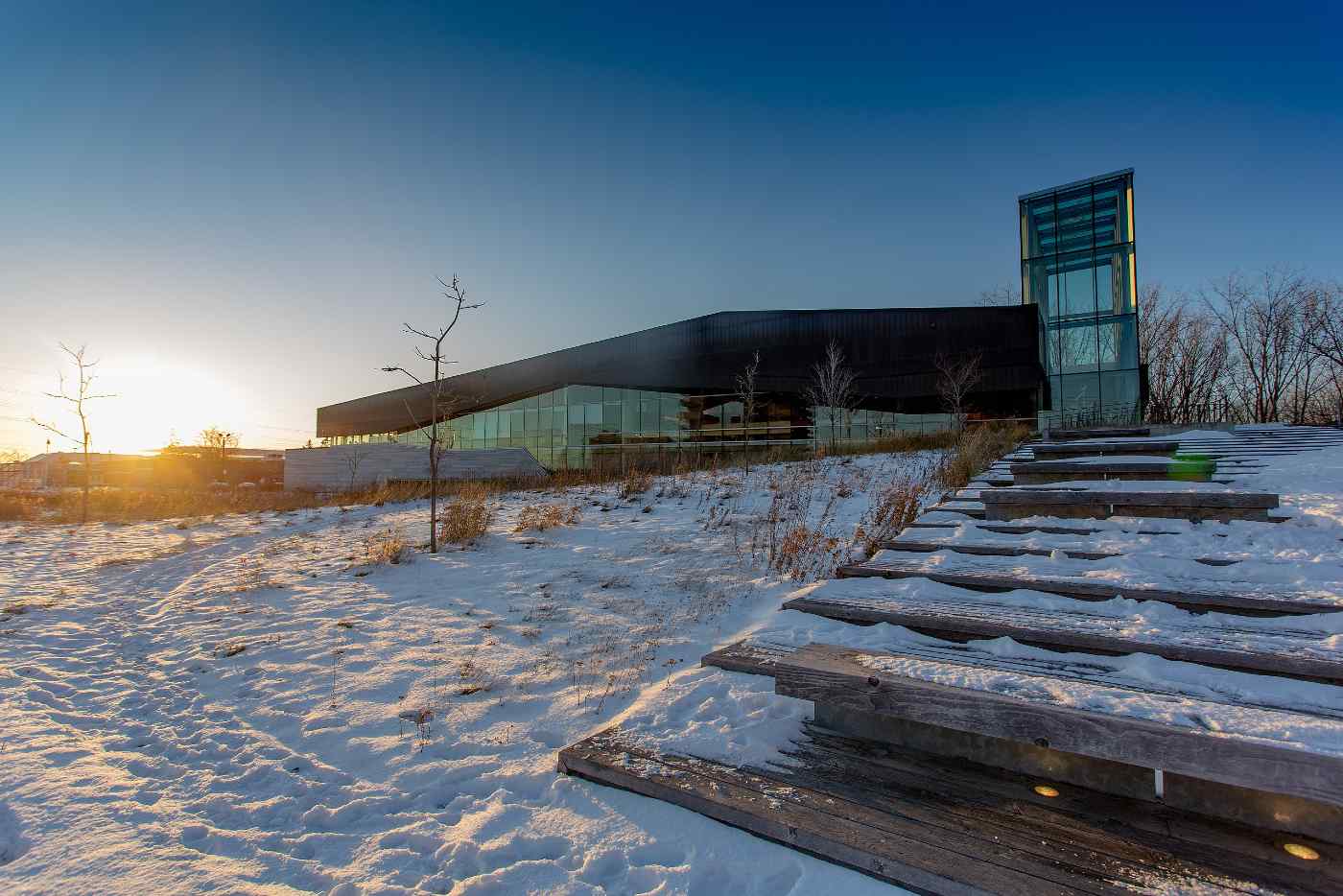
Built with high-performing, low-carbon emitting materials, a green roof and a geothermal heating system, this 65,000 square foot library is considered Canada’s greenest library. It was the first library in Canada to achieve LEED Platinum status and has earned 20 awards, a few of which relate to green building.
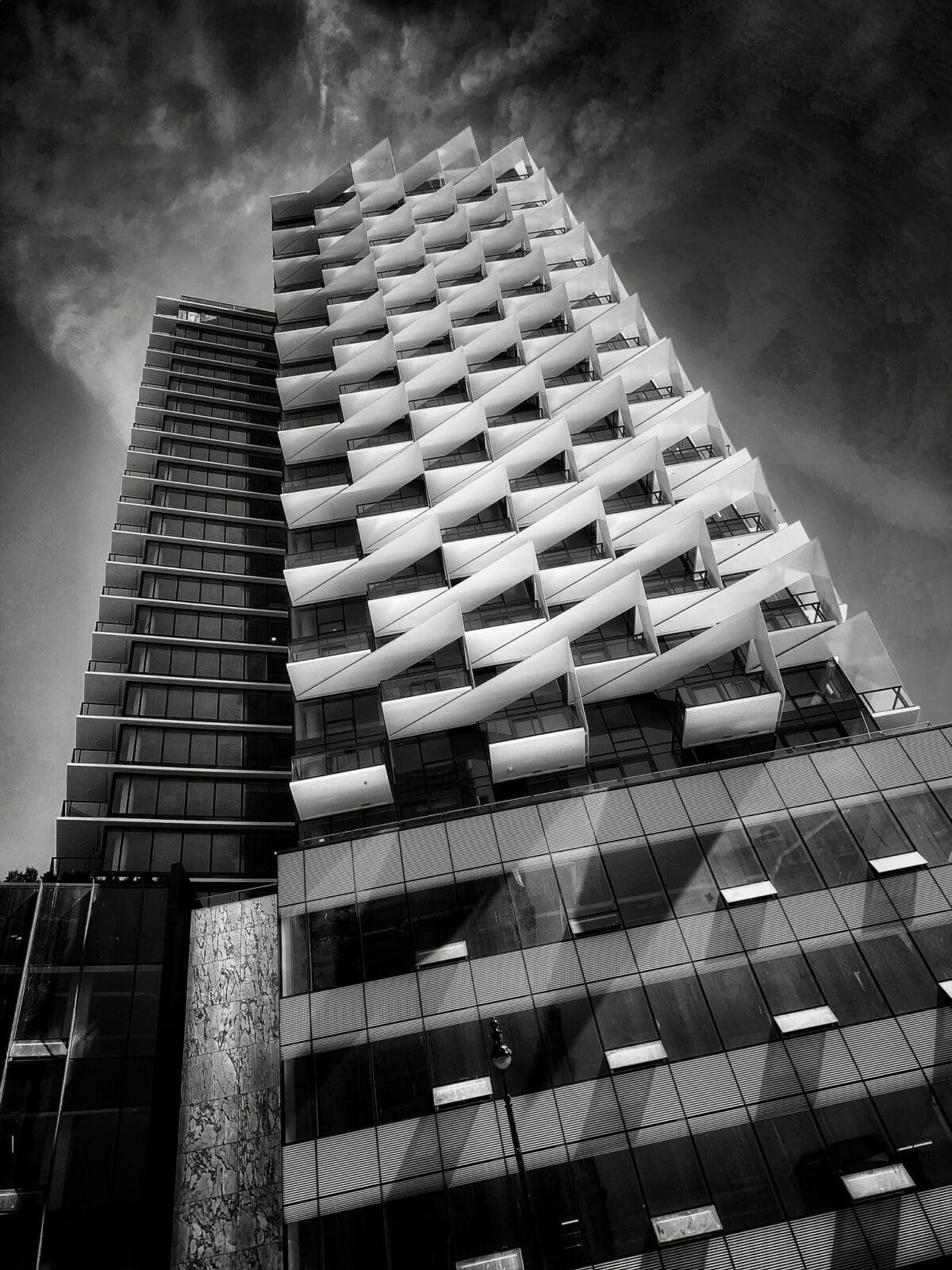
The Cardero
Location: Vancouver, BC
Type: Residential
Size: 198,000 square feet
The Cardero stands out with its distinctive origami-like screens, designed to provide privacy while also reducing solar heat gain. The building has a high-performance envelope combined with advanced mechanical systems designed to enhance overall energy efficiency. This residential building also engages in rainwater harvesting and features a variety of green spaces.
Have any favourite green buildings you don’t see on the list? Add them to the comments below.

Were there no example green green buildings east of Montreal that could have been profiled?
Yes there are. The list here is growing – there will be an update later this year with additional buildings, including a couple from Atlantic Canada.