
The Path Forward
Green Building Trends in 2025 and Beyond

Published: November 27, 2024
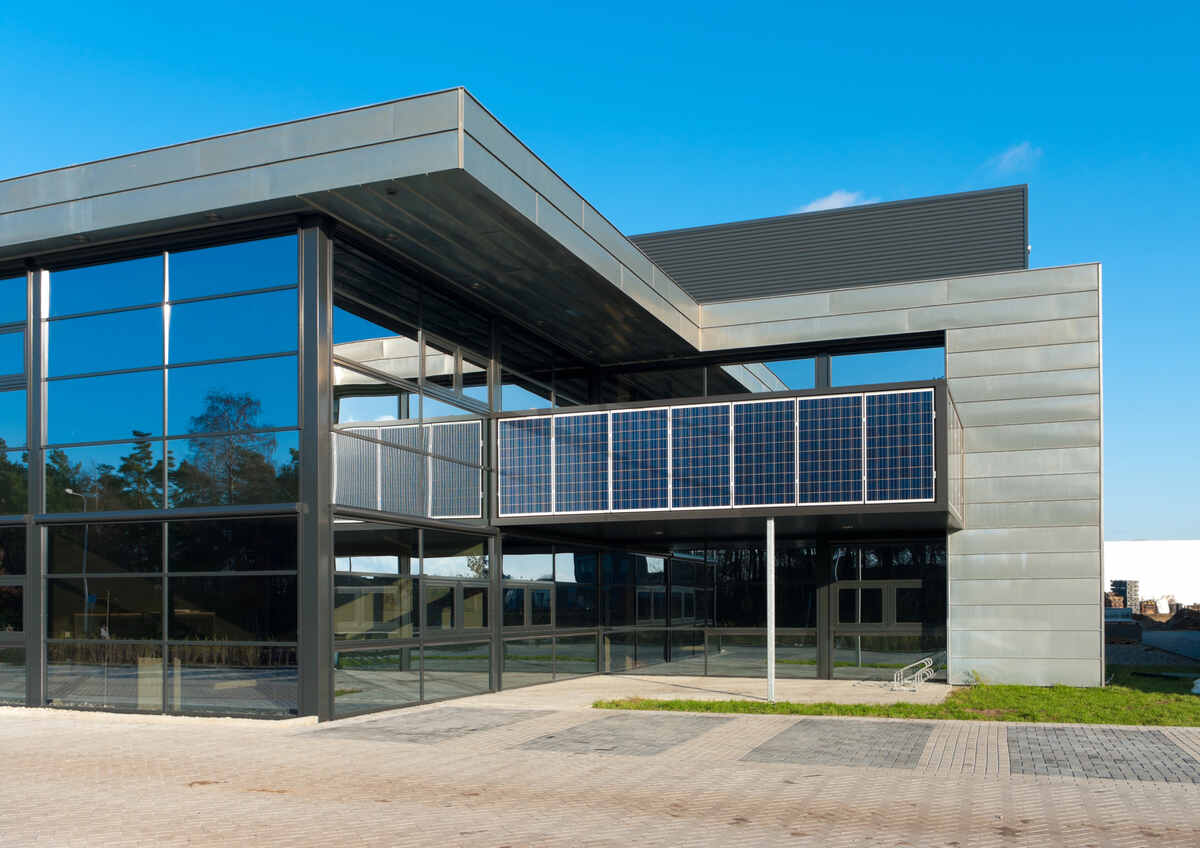
The green building industry is rapidly evolving, transforming how we interact with and live in our built environment. It encompasses the physical materials and products we use, the industries that manufacture them and the regulatory bodies that govern their use. As new materials and technologies emerge and advance, they significantly influence all facets of construction.
As climate change intensifies and resource scarcity grows, sustainable building practices are no longer an option – they’re a necessity. Major initiatives like climate goals, technological innovation and adoption and government regulations are coming together to drive the industry forward.
The year 2030 is a pivotal target year for many climate commitments. It is seen as a tipping point to get the world on track for more substantial climate initiatives and net-zero emissions by mid-century. As builders and consumers, we must contribute meaningfully to climate initiatives to ensure that future generations enjoy healthy, well-constructed buildings.
According to the Canada Green Building Council, the critical areas for improving the industry include human health, decarbonization, energy efficiency, healthy and sustainable materials, innovative technologies and net-zero goals.
As we approach the halfway point of this decade, this is an excellent time to assess the green building industry’s current state and inquire about its future direction. In this article, we will take a wide-angle approach and examine where the industry is headed, looking into emerging materials and technologies, building methods and practices, and regulatory initiatives.
Healthy Buildings, Healthy Occupants

Get the Green Building Project Checklist
Use this handy checklist on your next project to keep track of all the ways you can make your home more energy-efficient and sustainable.
Biophilic Design and Natural Light
Biophilic design, which integrates natural elements into buildings, is becoming vital to green construction. Studies show that access to natural light, plants, and outdoor views can improve mental well-being and reduce stress. In the coming years, biophilic design will become a more common building practice, especially as more Canadians recognize its impact on mental and physical health.
Currently, biophilic designs are seen across the country, like in the VanDusen Botanical Garden Visitor Centre in Vancouver, where extensive glazing maximizes natural light, thereby reducing the need for artificial lighting and connecting visitors to the surrounding gardens. Similarly, the North Bay Regional Health Centre in Ontario incorporates natural materials, extensively using wood to create a warm, inviting atmosphere that promotes healing and comfort.
Indoor Air Quality
Indoor air quality (IAQ) is a foundational aspect of green building, as poor air quality can exacerbate health issues like asthma and allergies. As we move towards 2030, green building practices will continue emphasizing IAQ by using non-toxic materials, like low-VOC paints and adhesives, which release fewer pollutants into the air. Improved ventilation systems with sensors that detect particulate matter, CO₂, and other pollutants are also critical, ensuring a consistent, clean airflow.
Under the initiative and guidance of organizations like the Canadian Committee on Indoor Air Quality (CCIAQ), Canadians will see an increased adoption of Air Quality Management systems (AQM) to help maintain optimal air quality levels in all building types across the country.
For more on this topic read Green Building Guide to Indoor Environmental Quality (IEQ).
Decarbonizing the Industry
Reducing Embodied Carbon
Embodied carbon refers to the CO₂ emissions associated with producing building materials. Innovative solutions, like those developed by Halifax-based CarbonCure, which capture and store carbon dioxide in ready-mix concrete, have changed how we pour concrete. By injecting CO₂ into concrete, where it mineralizes, they improve compressive strength and lower the carbon footprint without impacting quality or performance. As regulations push for lower emissions, carbon-reducing materials like these will become standard in the industry, helping Canada move towards its emissions targets.
Life Cycle Assessment Tools
Life Cycle Assessments (LCAs) allow builders to evaluate the total environmental impact of materials from production to disposal, making them a vital tool in the push for sustainable construction. Tools like the Embodied Carbon in Construction Calculator (EC3) enable architects and engineers to select materials with the lowest carbon footprint, directly contributing to decarbonization efforts.
A 2023 report by One Click LCA highlights the growing confidence in LCAs’ effectiveness. 58 percent of North American respondents, consisting of construction consultants, engineers, architects, designers and construction project managers – up from 41 percent in 2021 – agreed that LCAs help reduce a project’s embodied carbon by at least 10 percent. The increase underscores the growing recognition of LCA’s value in reducing emissions. With North America and other regions like the UK and Ireland leading the charge, using LCAs is expected to become widespread by 2030, providing a systematic approach to assessing and minimizing emissions across a building’s lifecycle.
For more on this topic read our guide to Life Cycle Assessments.
Policy and Market Drivers
Canada’s climate policies, such as the federal carbon tax and the Net-Zero Emissions Accountability Act, drive demand for low-carbon construction. These policies incentivize using sustainable materials, encouraging builders, architects and engineers to prioritize materials and methods with lower emissions. The Canadian government’s 2050 emissions targets, which include substantial reductions in construction emissions, will eventually make carbon-conscious construction practices a requirement rather than a choice.
Resource Efficient Dwellings

Building Design and Insulation
Efficiency is essential to reducing operational emissions. Designs incorporating passive heating, airtight envelopes and superior insulation, like those enshrined in Passive House standards, will significantly lower the average building’s energy use. By 2030, sustainable design principles may become standard for residential and commercial buildings, reducing the demand for heating and cooling.
Consequently, minimizing the energy required to heat, cool and power buildings throughout their lifecycle is essential to lowering operational emissions. Passive heating, for instance, leverages solar gains and internal heat sources to maintain comfortable indoor temperatures with minimal energy input. Airtight construction eliminates drafts and heat loss, while high-performance insulation reduces the energy needed to maintain temperature stability year-round.
These principles are particularly impactful in Canada’s diverse climate, where extreme temperatures can lead to significant energy demands in winter and summer. By 2030, as regulatory frameworks tighten and consumer awareness grows, these energy-efficient practices will see broader adoption in residential and commercial construction, not only for their environmental impact but also their cost effectiveness on the end user. As energy prices and carbon taxes continue to rise, the demand for efficiency-driven designs will accelerate, making adopting Passive House principles an effective sustainable building practice.
For more on this topic read our Green Building Guide to Sustainable Building Design.
Efficient Building Systems
Advanced HVAC systems, LED lighting and automation technologies have transformed building energy efficiency. Smart thermostats and lighting systems adapt in real time to reduce unnecessary energy use while maintaining occupant comfort.
As new, more efficient technologies emerge, municipalities may increasingly adopt building standards that align with green building certifications such as Living Building Challenge and LEED, making certain sustainability measures mandatory. For example, the Toronto Green Standard (TGS) sets specific performance benchmarks for energy efficiency, water conservation and environmental impact in new developments, many of which mirror LEED criteria. Compliance with the TGS is mandatory for new projects in Toronto, demonstrating how municipalities drive the adoption of green building practices through policy.
While LEED certification itself is voluntary, it is likely that the standards and principles LEED promotes – such as energy-efficient building systems, reduced greenhouse gas emissions and enhanced resource conservation – will influence municipal and provincial building codes and standards.
Greater Consideration for Water
Water use and conservation are other areas where a building’s resource consumption will improve. Greywater recycling involves collecting and treating wastewater from sources like showers, baths and laundry for reuse in non-potable applications such as toilet flushing and irrigation.
This practice reduces freshwater consumption and decreases the burden on sewage systems. For example, the City of Guelph conducted a residential greywater recycling study that resulted in a 30 percent reduction in household water use. As regulations and codes align, we will see a greater adoption of these systems.
Another promising technology in water conservation is Atmospheric Water Generation (AWG), which extracts moisture from the air to produce potable water. While primarily used in disaster relief and remote regions, this technology is gaining traction in North America. Trinity University, San Antonio, Texas, recently implemented an AWG system on campus to provide a sustainable water source, demonstrating the technology’s applicability in mainstream applications and contributing to sustainable water management and conservation.
Read more on this topic in Green Building Guide to Water Efficiency.
Healthy and Sustainable Materials
Recycled Materials
Recycled materials, like recycled concrete, have emerged as a viable solution to reduce the need for virgin resources and help to cut construction waste. Canada has made significant strides in promoting recycled materials, with organizations such as Circular Economy Leadership Canada leading initiatives to support material reuse. This trend will grow as recycled materials become cheaper and more widely available, reducing landfill waste and conserving resources.
Read more on this topic in 5 of the Most Recyclable Materials Used in Construction (and 5 that are Not).
Bio-Based Materials
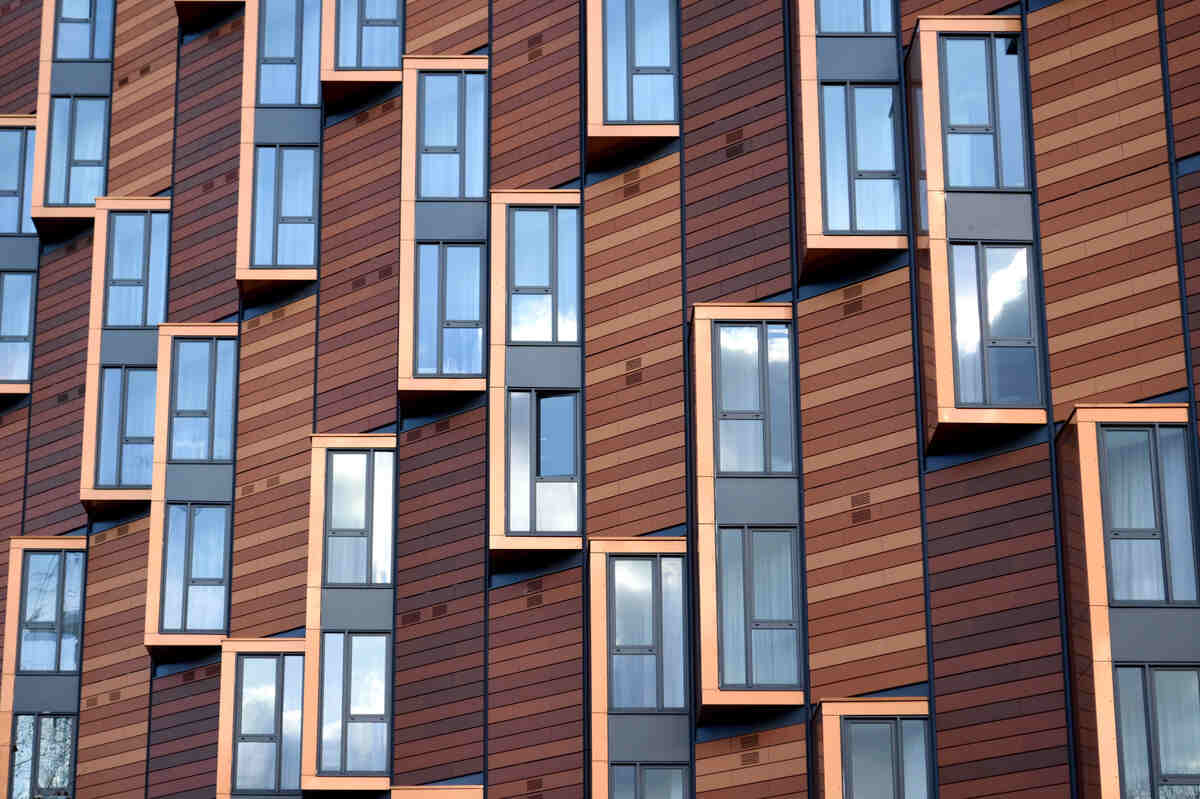
Bio-based materials, such as bamboo, hempcrete and mass timber, are gaining traction for their renewability and low environmental impact. These materials are renewable, carbon sequestering and have a lower environmental impact than traditional materials like steel and concrete. Bamboo and cross-laminated lumber perform better in specific applications than their steel counterparts due to their high strength-to-weight ratio. As regulatory developments align with national and global carbon reduction goals, mass timber and other bio-based materials are poised to become viable alternatives for the construction industry going forward.
We are already seeing trends in this direction. In Canada, building codes have evolved to accommodate the use of mass timber in larger structures. The 2020 National Building Code of Canada (NBCC) introduced encapsulated mass timber construction provisions, permitting buildings up to 12 storeys (42 metres), marking a significant change from the previous six-storey limit for wood structures.
British Columbia is at the forefront of adopting these changes in Canada and has proposed updates to the province’s Building and Fire Codes to enable mass timber buildings up to 18 stories for residential and office use, reflecting a commitment to sustainable construction practices.
Read more on this topic in Green Building Guide to Sustainable Materials.
Innovative Technologies
IoT and Building Automation
Internet of Things (IoT) systems increasingly optimize Canadian buildings by tracking energy use, occupancy and environmental conditions in real time. IoT-connected HVAC, lighting and other systems can adjust automatically to reduce waste and lower operational costs. With the integration of data analytics and predictive maintenance, building managers can monitor performance, anticipate maintenance needs and prevent costly repairs, extending the lifespan of systems and enhancing efficiency. This technology is being deployed country-wide, from The Exchange Tower and MaRS Discovery District in Toronto to the TELUS Garden in Vancouver.
IoT and predictive analytics will increasingly become the standard across Canadian buildings, supporting sustainability and resource conservation. A 2021 McKinsey & Company report titled The Internet of Things: Catching up to an Accelerating Opportunity, outlines a global trend towards smart building technology, detailing how newly constructed buildings incorporate thousands of embedded sensors that monitor occupancy, temperature, humidity and light levels to ensure efficient energy management and improved occupant experiences.
Advancement in Photovoltaics
Recent advancements in photovoltaic (PV) technology, such as perovskite-silicon tandem cells, building-integrated photovoltaics (BIPV), and transparent, flexible solar panels, are transforming how we capture solar energy. These innovations allow buildings to generate energy directly through facades, windows and rooftops, enhancing energy efficiency and creating unique architectural aesthetics. With increasing regulatory support and efficiency gains, solar power will continue to become an ever more cost-effective and attractive option, making buildings we occupy active contributors to renewable energy generation and reducing dependence on fossil fuels.
Read more on this topic in The Path Forward: Solar Energy Trends in 2025 and Beyond.
Building a Sustainable Future
The green building industry is at the forefront of transformative change, driven by materials, technology, and advancements in sustainable practices. As we approach the critical benchmark 2030, we will see an increased alignment with global climate goals to reduce carbon emissions, conserve resources and prioritize human health. By embracing these trends, Canada’s construction industry can build resilient, eco-friendly spaces that address the needs of people and the planet, paving the way for a sustainable future.


Nice to see some positive changes are coming. I got here because my concern is to identify systems for adding exterior insulation to existing brick classed housing including approaches that favour DIY installation. There will be a learning curve so even if one hires a contractor there still will be a Guinea pig experience they will learn at the expense of the consumer.