
The worldwide market for green building materials is calculated at USD $475.23 billion in 2024. That number is expected to climb to USD $1.35 trillion by 2033, representing an annual increase of 12 percent, according to a recent report by Precedence Research.
Of all the regions in the world, North America leads the way in green building material manufacturing, producing around 35 percent of the green building materials used in construction in 2023. Followed by Europe at 29 percent, and Asia Pacific rounds out the top three at 25 percent.
The market is slated to expand so rapidly largely due to environmental policy. Since governments around the world are pushing towards a policy of net-zero carbon emissions, with buildings and construction being such a major contributor to climate change, the industry is facing changing building codes that are pushing it towards decarbonization, thus demanding sustainable building materials.
Other factors for the high growth include Asia’s emergence as a major player in the industry, housing shortages in many countries that demand extensive new construction to satisfy, and high expected growth in commercial construction.
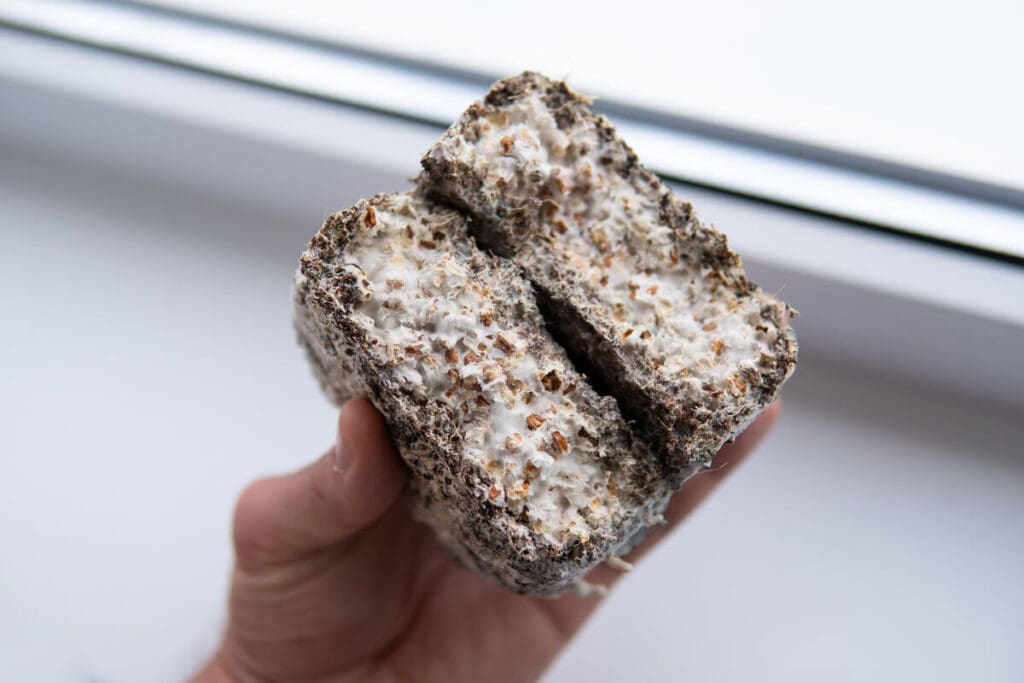
Major players in the industry are investing in production of green building materials, but in many cases, these products are still in the developmental stage. Once these companies pass this stage and start large-scale production of their sustainable products, the market will continue to grow at a significant pace.
Wood is the most commonly used green building material as it can generally be sourced locally and is cost effective. In this segment, engineered forms of wood, such as cross-laminated timber are experiencing high growth due to various factors, such as an increased level of sustainability, performance, and cost-effectiveness.
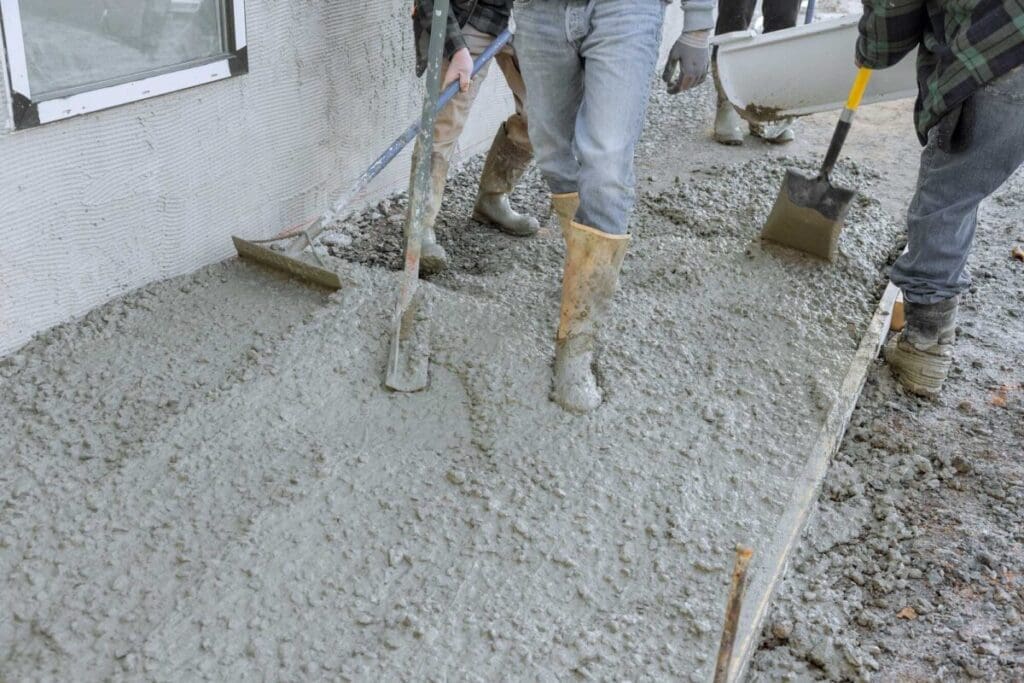
In conventional building, concrete is the number one building material, but there too, there’s been a lot of progress made on improving its sustainability. Recently, Lafarge’s Brookfield Cement Plant in Nova Scotia started producing 100 percent recycled clinker (a main component of cement), which can cut carbon emissions from cement production by 60 percent. If the world’s number one building material goes green that can create an even more dramatic shift in the market.