The five-year federally funded Green and Inclusive Community Buildings Program (GICB) has been extended until March 2029 with an additional $500 million allocated to the plan.
The $1.5 billion program first started by the federal government four years ago supports retrofits, repairs or upgrades to community and public buildings to align with the government’s environmental goals. The program also finances new construction of community buildings in underserved and high-needs communities. By making financing available for projects that benefit the environment it is also meant to foster employment opportunities.
Important Dates and Deadlines
Dates to apply for small and medium retrofits: Aug. 1 to Oct. 16, 2024
Large retrofits and new builds: From Sept. 4 to Oct. 16, 2024
Small and medium retrofit applications opened on Aug. 1 and submissions will be accepted until Oct. 16, 2024. Applications for large retrofits and new buildings will open on Sept. 4, 2024.
Applicants must demonstrate that they have the appropriate authority to carry out the project on the building or land. Federal entities, including federal crown agencies, individuals, private citizens and for-profit organizations, are excluded from the program. The following bodies are eligible to make applications to participate in the program:
- Regional or municipal governments
- Provincial or territorial governments
- Municipally-owned corporations such as economic development or tourist agencies
- Provincial or territorial organizations that deliver services
- Federal or provincial non-profit organizations
- Indigenous development non-profit organization
- Indigenous governing bodies such as band councils, as per section 2 of the Indian Act
- First Nation, Inuit or Métis government that incorporates a government structure and is established by federal or provincial legislation.
Webinars are an important first step in the program, helping to raise awareness of its objectives and advising on ways to participate. They are scheduled for Aug. 28 and Sept. 18, 2024. To participate in the webinar, use the Green and Inclusive Community Buildings Program link to complete the short registration form and you will receive an email containing additional details.
The GICB program has the following objectives:
- Improve the condition and availability of community buildings for underserved Canadian communities with higher needs
- To stimulate the economy and create employment
- To improve energy efficiencies and reduce GHG emissions
- Promote Canada’s climate goals
Get the Green Building Project Checklist
Use this handy checklist on your next project to keep track of all the ways you can make your home more energy-efficient and sustainable.
A Healthy Environment and a Healthy Economy
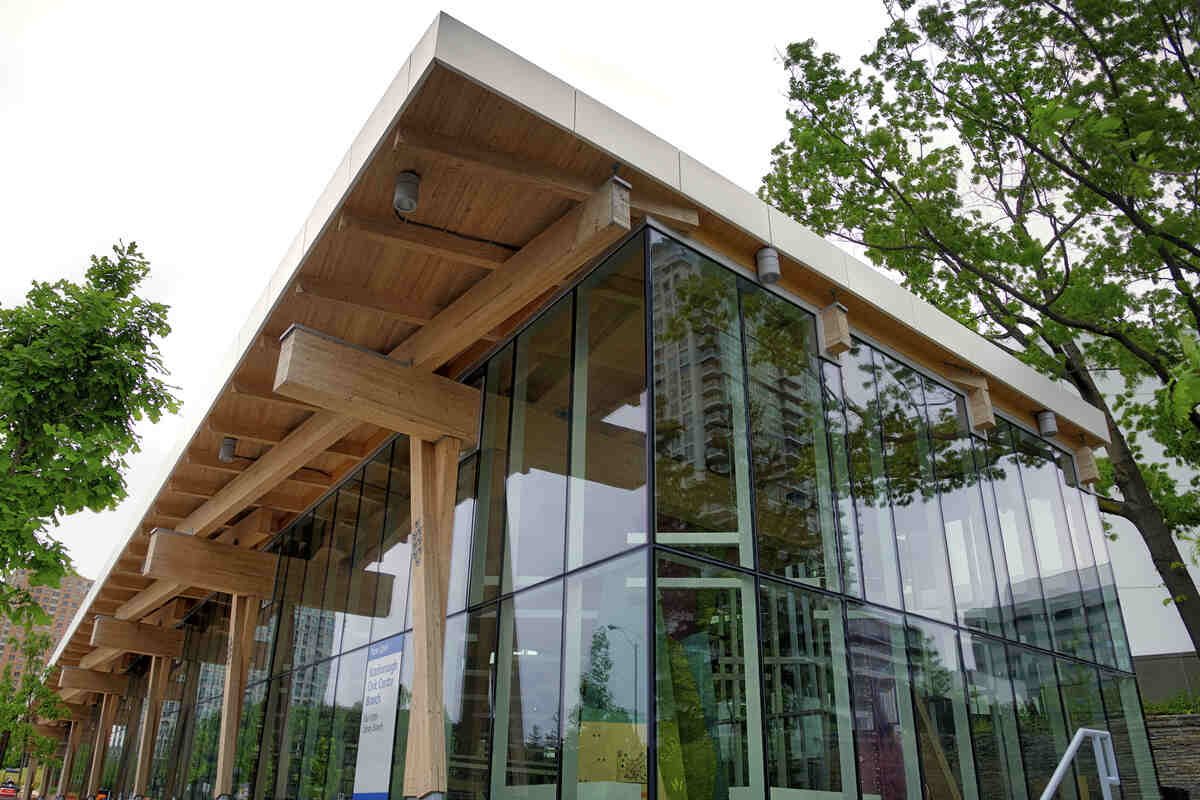
The GICB was borne out of the federal government’s “A Healthy Environment and a Healthy Economy” plan. Launched in 2020, the plan takes a more ambitious approach to Canada’s climate strategy than previous initiatives by focusing on five pillars that aim to reduce greenhouse gas emissions while creating jobs and growing the economy.
- Making housing and community buildings more energy-efficient and comfortable.
- Creating clean and affordable transport facilities
- Apportioning a cost to pollution for the benefit of households
- Creating a cleaner industrial environment with sustainable product and employment opportunities
- Supporting initiatives to promote healthier families and communities by protecting nature and restoring natural spaces.
The first pillar is specifically focused on bringing down the amount of greenhouse gas emissions that are caused by buildings, which make up 18 percent of the country’s greenhouse gas emissions . With financial incentives and support, homeowners and communities can undertake improvements to buildings, making them more energy-efficient and comfortable.
The Market Transformation Roadmap, developed at the 2017 Energy and Mines Ministers Conference, detailed a critical component for the GICB program: supporting a cleaner future by implementing building improvement programs with special emphasis on three areas.
Windows
Up to 35 percent of domestic heat loss can result from windows with poor insulating properties. Improvements to window insulation include repairs such as caulking and weatherstripping, additional glazing and storm windows. Replacement windows should comply with Energy Star certification.
Space Heating
Space heating consumes a major portion of energy for both domestic and commercial buildings. It is estimated that 56 percent of energy used in commercial buildings and 64 percent for domestic housing is used for heating. The program provides financing for adding insulation to existing buildings, including installing heat recovery or energy recovery ventilators.
Water Heating
Heating water consumes 19 percent of the domestic energy supply and ranks as the second-largest energy consumer in the building sector. An essential part of the program is to finance the replacement of fossil fuel heating systems with electric-powered heat pumps or it may include a dual system in which fossil fuel heating will be used during peak periods when there may be an undersupply of electricity.
Learn More
The federal government has organized two webinars to learn more about the GICB program and its opportunities. Interested parties need to complete a registration form at Green and Inclusive Community Buildings Program and you will receive an email containing additional details.
The final two dates of the webinars are August 28 and September 18, 2024.
Images from Depositphotos