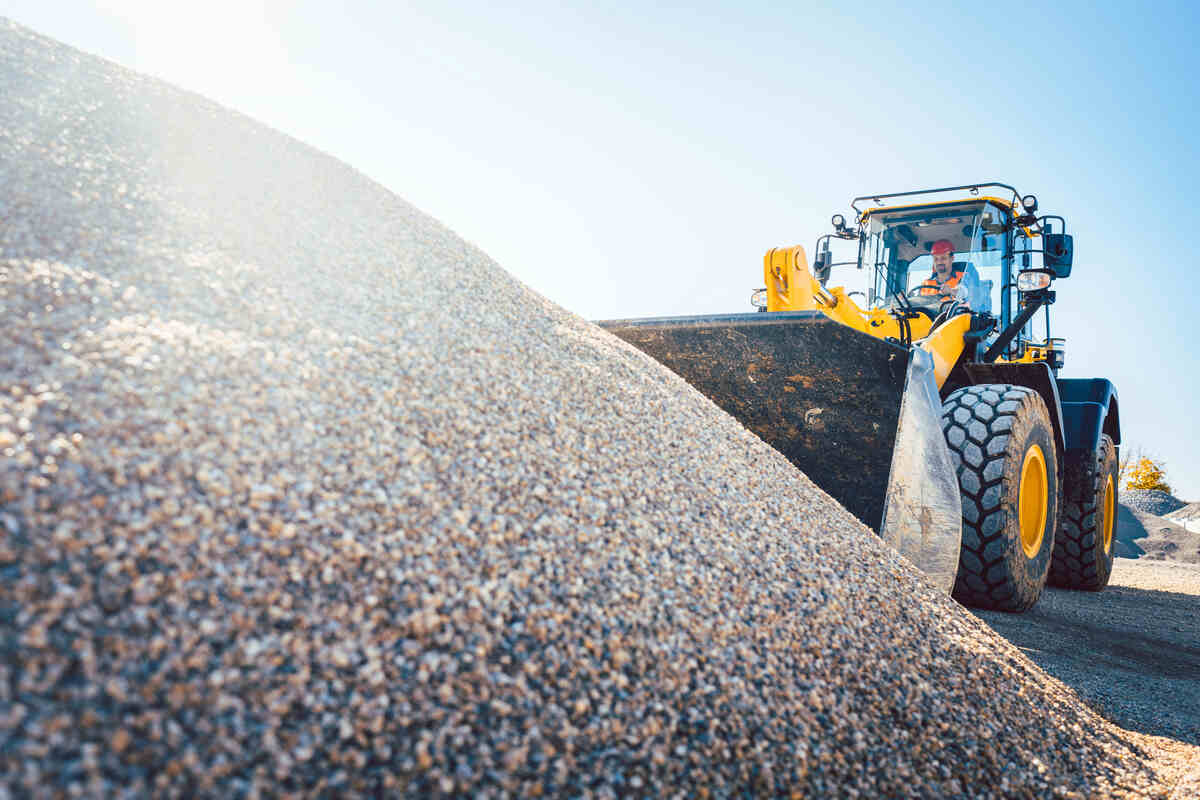
If you’re planning a major landscaping project, driveway upgrade, or new construction, you’re probably wondering: how much does a truckload of gravel actually cost? Gravel is one of the most versatile and in-demand materials in construction, used for everything from creating stable foundations to surfacing roads and garden paths.
And here’s a surprising fact, building a typical suburban home requires around 250 tonnes of gravel. That’s a lot of rock.
So whether you’re pricing out bulk loads for a build or just need to cover a few cubic yards, understanding gravel pricing can help you budget smarter and avoid unexpected costs. OK, let’s break it down.
The Cost of Getting Gravel Delivered: The Basics
When ordering a truckload of gravel, it’s important to understand how delivery logistics can affect the final cost. In most cases, gravel is delivered loose, not in bags and is dumped directly on your property at a prearranged location.
There’s also often a minimum quantity required for delivery, typically one full truckload, which can range from 10 to 20 tons. If you need less than that, you might still have to pay for the full load or source it from a landscape yard with pickup options.
For added convenience (and an added fee), some companies offer stone spreader trucks that can evenly distribute gravel across a large area instead of just dumping it in a pile. This saves you labour but increases overall project costs.
Delivery timing, offloading complexity and the condition of your site (e.g., ease of access for large trucks) also play a role. Ultimately, understanding how gravel is delivered helps you plan more accurately and avoid budget surprises.
Get the Green Building Project Checklist
Use this handy checklist on your next project to keep track of all the ways you can make your home more energy-efficient and sustainable.
Types of Gravel and Their Uses
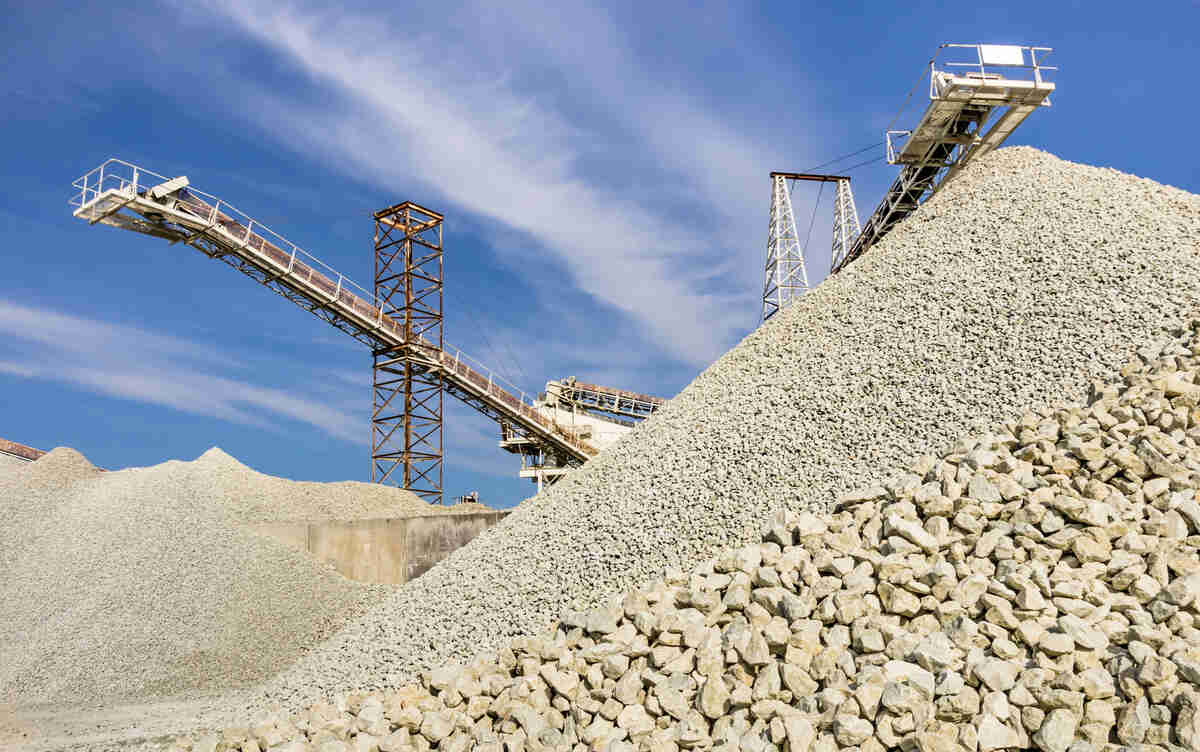
Choosing the right type of gravel can impact your project’s appearance, performance and price. Below are the most common gravel types available in Canada, including their typical uses, visual appeal and relative costs.
3/4″ Crushed stone – This is a widely used gravel type made from mechanically crushed stone. It features angular edges and a consistent size of about three-quarters of an inch. It’s a versatile option ideal for driveways, pathways and base layers under asphalt or concrete. Its angular shape allows for some compaction, though not as tightly as crusher run. One of its advantages is good load-bearing capacity and moderate drainage. However, without added fines, it may shift more easily and require occasional maintenance to re-level.
Crusher run (Granular A)
Crusher run is a blend of crushed stone and stone dust (or fines), which makes it one of the best options for compactible bases. It forms a solid layer when compressed, making it ideal for under driveways, roads and patios. Because of its dust content, drainage is poor, but this contributes to its strong compaction. It’s often used as a sub-base before laying pavers or concrete. While it’s stable and cost-effective, it can become muddy when wet and isn’t suitable for areas requiring good drainage.
3/4″ Clear gravel – Clear gravel refers to crushed stone that has been screened to remove fines. The 3/4″ size is one of the most popular, offering excellent drainage. It is commonly used in French drains, under decks, window wells and as a base around drainage pipes. Since it contains no dust, it does not compact well, which can be a disadvantage where stability is needed. However, this makes it perfect for applications where water flow is the priority.
1 1/2″ Clear gravel
Larger than the standard 3/4″ clear gravel, 1 1/2″ clear gravel is best used in situations demanding heavy drainage capacity, such as septic bed installations or deep drainage trenches. Its large particle size allows water to pass through easily, but it offers virtually no compaction. This limits its use to specific drainage-focused applications, and it’s not suitable for pathways or driveways due to its instability under foot or vehicle pressure.
3/4″ Recycled aggregate – Made from crushed concrete or asphalt, 3/4″ recycled aggregate is an eco-friendly and cost-effective alternative to virgin materials. It performs similarly to traditional crushed stone and can be used for driveways, road base and general fill. While it supports compaction reasonably well, the quality and consistency can vary depending on the source. It is generally not recommended for structural applications unless certified.
River rock – River stone consists of large, rounded rocks typically used in landscaping. The natural tumbling process and unique colour variations contribute to its higher price tag. The 2–4 inch size is ideal for creating decorative borders, dry creek beds and erosion control. These stones are not suitable for load-bearing or compactible surfaces due to their smooth, non-locking shape. However, they offer excellent drainage and a natural aesthetic, making them a popular choice in residential landscaping.
3/8″ Pea gravel – Pea gravel is a small, smooth gravel about the size of a pea (3/8″). It’s commonly used in playgrounds, patios and walkways for its comfortable feel and attractive appearance. Its rounded shape means it doesn’t compact well, and it can shift easily under traffic, which can require ongoing levelling. However, it drains well and is considered safer for barefoot areas or around children.
HPB (High-performance bedding) – HPB is a clean, angular limestone chip that provides excellent drainage. It’s used primarily under pavers, slabs and other hardscape features. Unlike traditional gravel mixes, HPB contains no fines, so it doesn’t compact tightly but instead provides a stable, self-leveling base with superior water flow. This makes it a top choice for interlock patios and other applications where drainage is key.
Stone dust / screenings – Stone dust is the fine particles left over from crushing stone, often used as a setting bed for pavers or flagstone. It compacts extremely well and forms a hard surface when wet, but it holds water, making it unsuitable for areas where drainage is required. It’s often used in combination with clear gravel for interlocking paver systems. While cost-effective and stable, poor drainage is its main drawback.
Gravel Comparison Table
| Type of Gravel | Common Size | Best Uses | Compaction | Drainage | Notes |
|---|---|---|---|---|---|
| 3/4″ Crushed stone | ¾” | Driveways, base layers, walkways | Good | Moderate | Angular, no dust; may shift slightly if not contained |
| Crusher run (Granular A) | Mix | Road base, driveways, under pavers/concrete | Excellent | Low | Mix of stone and stone dust; compacts very tightly |
| 3/4″ Clear gravel | ¾” | Drainage, under decks, window wells, French drains | Poor | High | No fines; ideal when drainage is key |
| 1 ½” Clear gravel | 1½” | Heavy drainage (e.g., septic fields, deep French drains) | Very poor | Very high | Large size limits compaction; mostly for water flow |
| 3/4″ Recycled aggregate | ¾” | Driveways, paths, base fill | Fair | Moderate | Recycled concrete/asphalt; varies in quality and compaction |
| 2–4″ River stone | 2″–4″ | Decorative landscaping, erosion control, dry creek beds | None | Excellent | Too large to walk on; not compactable |
| 3/8″ Pea stone (Pea gravel) | ⅜” | Paths, playgrounds, patios, top dressing around drains | Poor | Good | Smooth, rounded stones; attractive but may shift |
| HPB (High performance bedding) | ~¼” | Under pavers, slabs, walkways | Fair | High | Angular, clean limestone chips; no dust, excellent drainage |
| Stone dust / Screenings | Fines | Final layer under pavers, flagstone | Excellent | Very low | Needs compaction; use with clear stone for interlock bases |
| River rock | 1″–3″ | Decorative mulch alternative, swales, drainage strips | None | Excellent | Rounded; doesn’t lock in place, not ideal for paths |
The Average Cost of Gravel in Canada
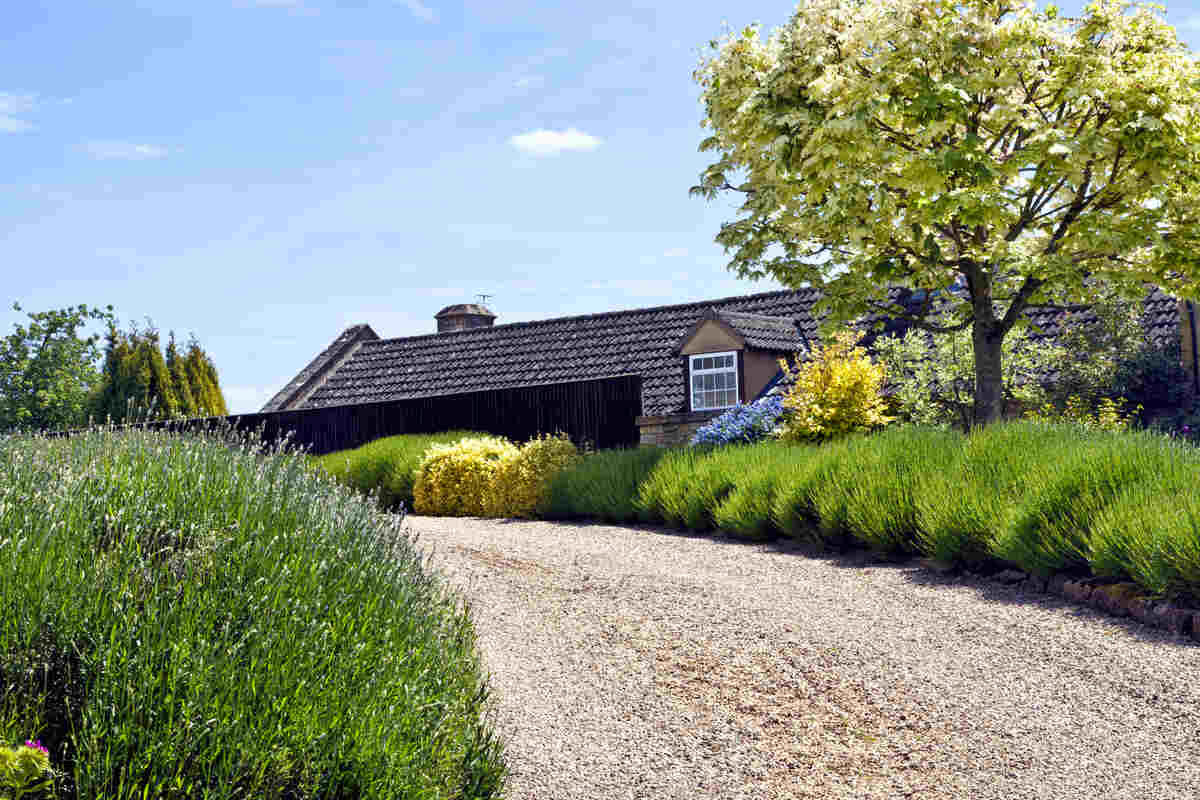
The cost of gravel in Canada is highly variable, influenced significantly by factors such as region, type of gravel, quantity purchased, and crucially, delivery charges. Generally, prices for aggregates are quoted either by the tonne (weight) or by the cubic yard (volume). For smaller quantities (e.g., less than 5-6 cubic yards), suppliers might prefer to quote by the cubic yard. For larger projects, per-tonne pricing is more common.
Aggregate is typically priced either in metric tonnes or in cubic yards in Canada. Below is a reference chart to convert between the two.
Metric Tonne to Cubic Yard Conversion for Gravel
| Material | Metric Tonne = Cubic Yards |
|---|---|
| 3/4″ Crushed stone | ~0.66–0.75 cu yd / tonne |
| Crusher run (Granular A) | ~0.60–0.70 cu yd / tonne |
| 3/4″ Clear gravel | ~0.70–0.80 cu yd / tonne |
| 1 1/2″ Clear gravel | ~0.75–0.85 cu yd / tonne |
| 3/4″ Recycled aggregate | ~0.65–0.75 cu yd / tonne |
| 2–4″ River stone | ~0.75–0.85 cu yd / tonne |
| 3/8″ Pea gravel (Pea stone) | ~0.70–0.80 cu yd / tonne |
| HPB (High performance bedding) | ~0.65–0.75 cu yd / tonne |
| Stone dust / screenings | ~0.55–0.65 cu yd / tonne |
Rule of Thumb
1 cubic yard of gravel ≈ 1.2 to 1.5 metric tonnes
1 metric tonne of gravel ≈ 0.65 to 0.85 cubic yards
The cost of a full dump truck load of gravel typically ranges from $500 to $2,000 or higher depending on the above factors. Some businesses offer bulk discounts for entire truckloads or projects over 10 tonnes or 12+ cubic yards. Below is a table outlining the pricing both in cubic yards, tonnes and for a full truckload delivered.
Average Gravel Costs in Canada ($CAD)
| Type of Gravel | Cost per Tonne (Without Delivery) | Cost per Cubic Yard (Without Delivery) | Cost per Truckload (~12 cu yard – local delivery) |
| 3/4” Clear gravel | $35–$55 | $45 – $70 | $500 – $950 |
| 3/4″ Crusher run | $25–$45 | $35 – $55 | $400 – $750 |
| 3/4” Recycled aggregate | $20–$35 | $30 – $50 | $350 – $700 |
| 2-4″ River rock | $60–$90 | $65 – $140 | $750 – $1,700 |
| 3/8″ Pea gravel | $30–$50 | $45 – $80 | $500 – $900 |
Gravel Delivery
A key consideration is delivery. Most quoted prices for gravel do not include delivery. Delivery fees are typically calculated separately based on the distance from the quarry or supply yard to your location and the size of the truck required.
A standard single-axle dump truck usually holds about 10-12 cubic yards (or 14-16 tonnes), while larger tandem or tri-axle trucks can carry 20-25+ cubic yards. For a full truckload, suppliers often provide an all-in price that bundles the material and a basic local delivery charge, but this “local” range is often limited. Going beyond a certain radius will incur additional per-kilometer or hourly charges (most local suppliers charge around $5 to $10 per kilometre for delivery).
Expect a base delivery fee to be anywhere from $75 to $250+ depending on the distance and truck size. Overall, while gravel itself can be relatively inexpensive, transport costs can quickly escalate, sometimes even exceeding the material cost for smaller orders or longer distances.
If you’re ordering less than a full load, you may also pay a minimum load fee, which covers the cost of operating the truck regardless of quantity. Some suppliers waive or reduce delivery fees for bulk orders or for locations within a short radius of their depot.
Regional Cost Variations in Canada
Gravel costs vary widely depending on your region. In Ontario, for instance, gravel tends to be more expensive due to higher demand and tighter supplier competition, especially in urban areas like Toronto or Ottawa.
Expect to pay at the higher end of the price range in major cities, often due to additional delivery charges, landfill fees and limited access for large delivery trucks.
In rural or northern areas, gravel may be slightly cheaper if sourced nearby, but delivery costs can quickly add up if the quarry is far away. Western provinces, like Alberta and British Columbia, often have more local gravel sources, but terrain and hauling distances can still influence pricing.
Finally, seasonal demand affects cost as well. Prices may spike in spring and early summer when landscaping and construction are most active, so scheduling in the off-season can sometimes lead to better rates. Always get a local quote to understand your true cost per yard or truckload. Finally, remember that if the costs are too high, recycled aggregate might be the better option for you.
Average Gravel Driveway Cost in Canada
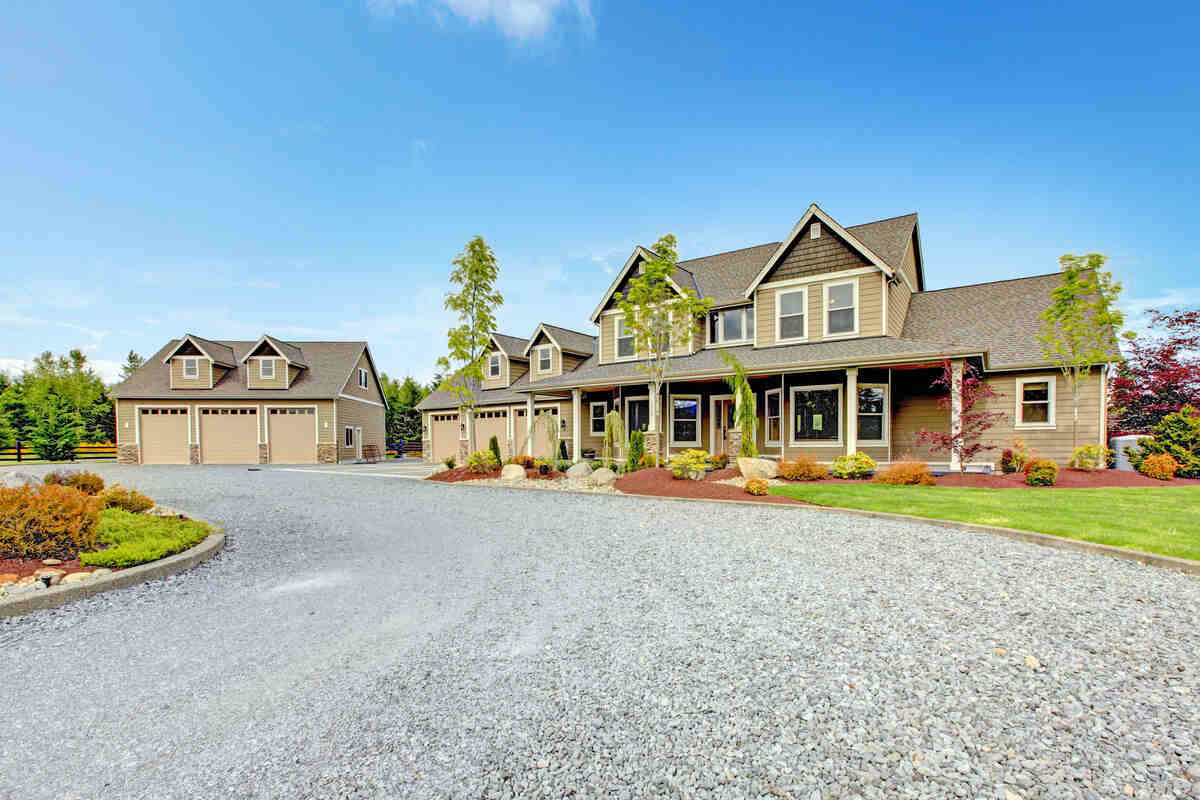
Gravel driveways are one of the most cost-effective ways to add parking or access to your property, but what’s the cost for gravel driveways? A typical two-car driveway around 30′ x 20′ (600 square feet) runs between $2,000 and $3,000.
This pricing includes excavation, hauling away old soil, bringing in and spreading new gravel, and compacting it to create a clean, finished surface. If you’re looking to DIY it and just want the gravel the cost is about half.
For homeowners with an existing gravel driveway, annual renovations can cost about $100–400 if you do it yourself, depending on the amount of gravel required. If you’re hiring someone you can expect to double the cost or more. This maintenance extends the lifespan of the driveway, minimizes potholes and improves overall appearance and functionality so it’s well worth it.
Images from Depositphotos