

Gramitherm is a natural insulation made from natural grass fibres and sourced primarily from waste grass. With its potential to reduce carbon footprints while maintaining high-performance insulation properties, Gramitherm is expected to make a significant impact in green building initiatives worldwide.
A Breakthrough in Eco-Friendly Insulation
Gramitherm is manufactured by Gramitherm Europe SA, a company headquartered in Auvelais, Belgium. The product is based on Swiss technology that repurposes natural grass, a material that is readily available and rapidly renewable.
Unlike conventional insulation materials, which generally rely on energy-intensive manufacturing processes and synthetic fibres, Gramitherm utilizes waste grass fibres, making it one of the most sustainable insulation solutions available.
The production process is designed to maximize environmental benefits. As part of the manufacturing cycle, the digestible liquid components of grass are extracted and used for biogas production, ensuring that no part of the raw material is wasted.
The fibrous components are then processed into insulation batts, which can be installed in new construction or retrofitted into existing buildings.
According to the company, every kilogram of Gramitherm insulation removes 1.5 kilograms of CO₂-equivalent from the atmosphere, making it a carbon-negative material. This capability aligns with global efforts to combat climate change, particularly in the construction sector, which is responsible for nearly 40 percent of global carbon emissions.

Get the Green Building Project Checklist
Use this handy checklist on your next project to keep track of all the ways you can make your home more energy-efficient and sustainable.
Performance Meets Sustainability
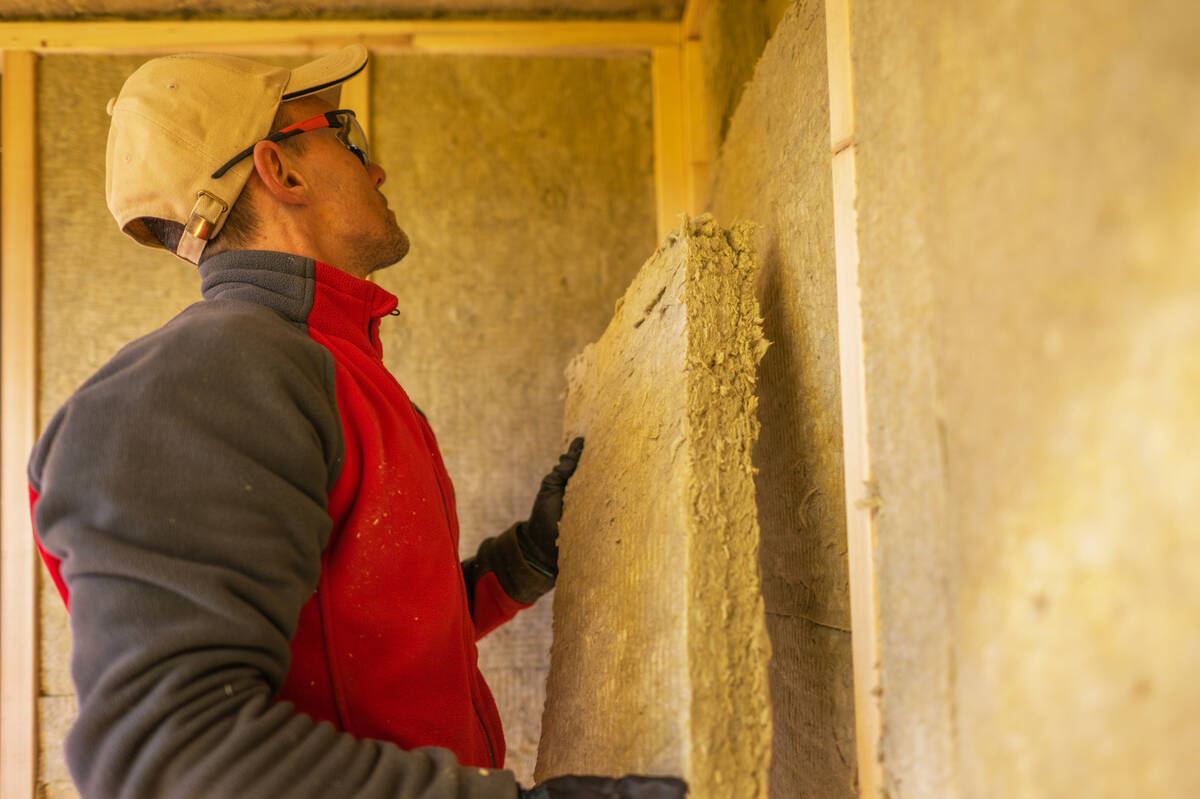
Beyond its environmental benefits, Gramitherm features strong thermal and acoustic performance. With a thermal conductivity of 0.041 W/mK, it provides insulation comparable to traditional materials while offering greater breathability, an essential factor in preventing moisture buildup and mould growth inside buildings.
Its natural properties make it particularly effective in regulating indoor temperatures. Unlike some synthetic insulation materials that can struggle in extreme heat, Gramitherm’s high heat storage capacity helps prevent overheating in the summer while retaining warmth in the winter.
Furthermore, it absorbs 99 percent of sound at 1000 Hertz, making it an excellent choice for soundproofing applications.
The material is non-toxic, non-irritating and fully recyclable, thus increasing its appeal for environmentally conscious builders and homeowners.
Implications for the Construction Industry
Gramitherm represents a shift toward sustainable construction materials that prioritize both performance and environmental responsibility.
The material has already gained recognition across Europe, earning certifications such as the Environmental Product Declaration (EPD) and the Solar Impulse Efficient Solution label, which highlights innovations that contribute to a cleaner economy.
The product is particularly well-suited for green building projects and is expected to play a key role in meeting increasingly stringent environmental regulations in the construction sector.
Governments worldwide are imposing stricter energy efficiency requirements, and insulation materials like Gramitherm can help developers meet those standards while reducing their ecological impact.
The versatility of Gramitherm also expands its potential applications. It can be installed in walls, roofs and floors, making it a viable alternative to conventional insulation materials in both residential and commercial buildings.
It is especially beneficial for timber-frame construction and historic renovations, where breathable, moisture-regulating insulation is required.
Scaling Production for a Global Market
To meet growing demand, Gramitherm Europe SA has invested in a 5,000-square-metre production facility in Belgium with the capacity to produce over 100,000 cubic metres of insulation per year.
The company has received support from the European Regional Development Fund (ERDF), which highlights the European Union’s commitment to fostering sustainable industrial innovation.
As the global push for sustainable construction materials accelerates, Gramitherm’s low carbon footprint, strong insulation properties and cost-effective production make it another solid choice in the natural insulation market for eco-conscious builders.
Images from Depositphotos