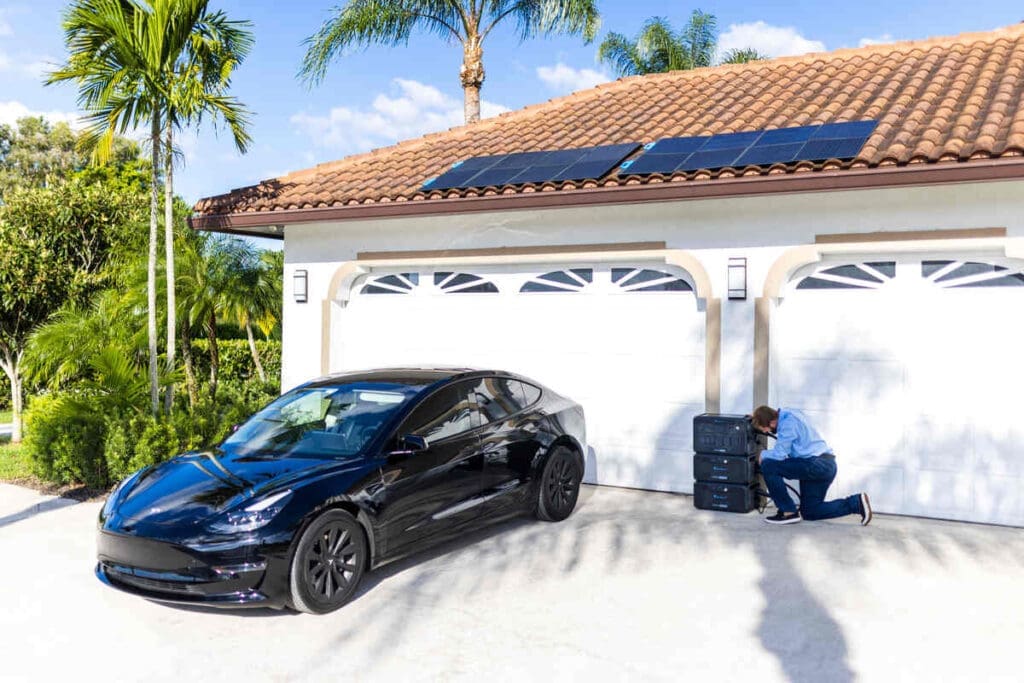
SPONSORED CONTENT
Gas vs Solar Generators
Home Power Backup Compared
Brought to you by Bluetti

Published: Dec. 18, 2024
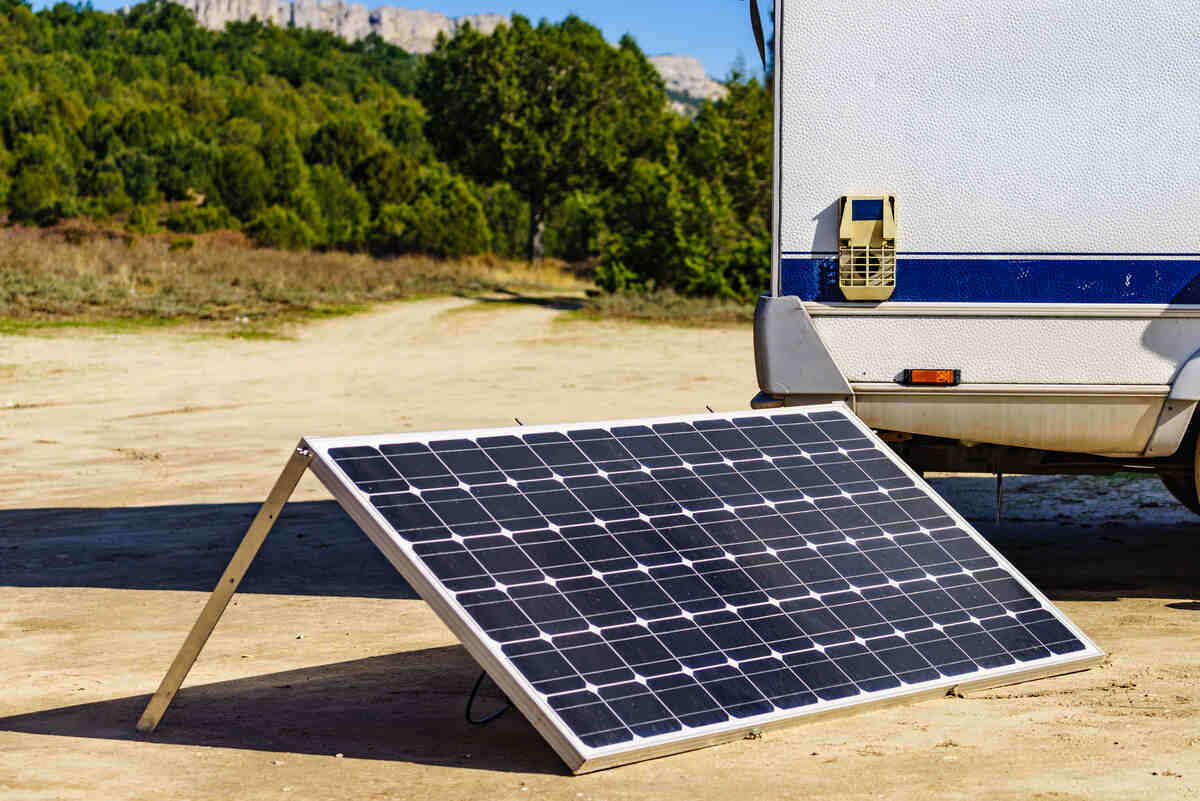
The two most important features of power supply are cost and reliability. While Canada generally has a reliable electricity supply, severe storms, heavy snowfalls, wildfires and falling trees do cause power interruptions from time to time, and their frequency is increasing with increased extreme weather events, aging infrastructure and increased demand (here you can monitor the number of customers currently experiencing power outages in Canada by province).
Power outages have the uncanny knack of occurring at the most inconvenient times, so alternative power sources are a great backup, but will a gas or solar generator be up to the task of supplying emergency power to your home?
Disclosure: We may earn a commission on products recommended in this article.
How a Solar Generator Works
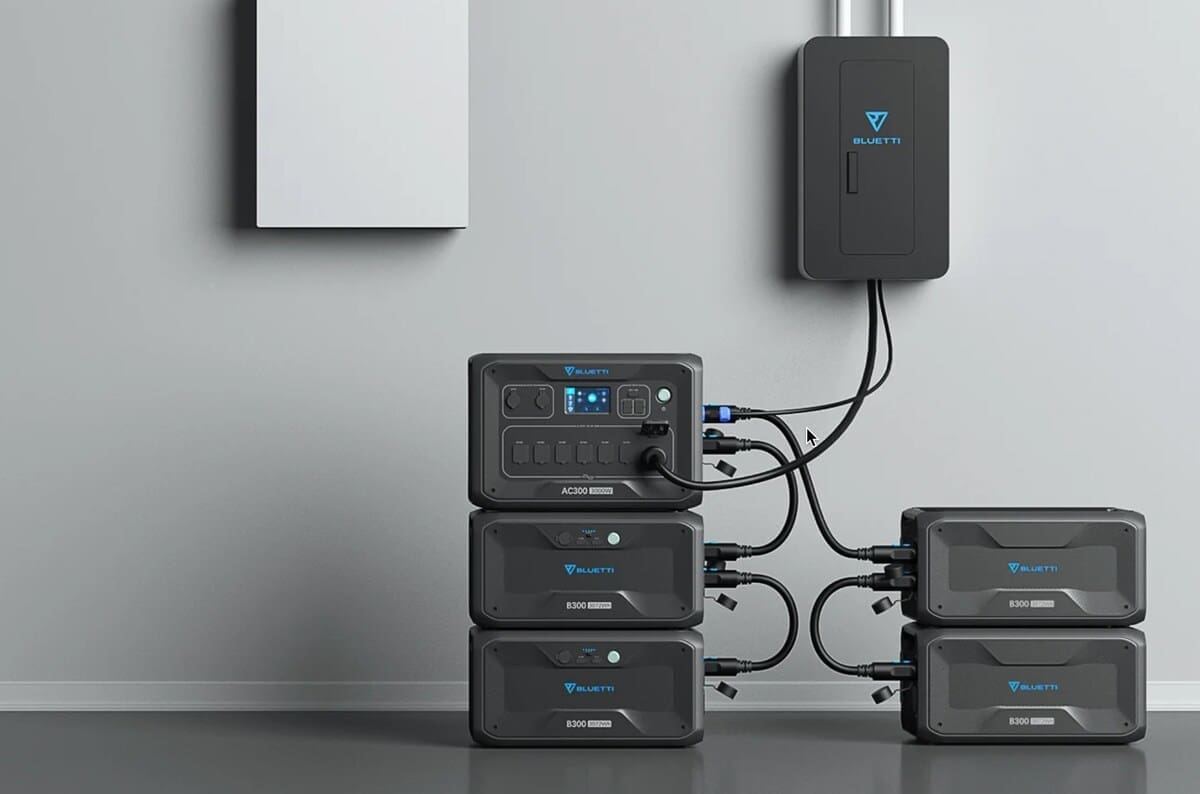
Solar generators are like smaller sized solar photovoltaic system that come in either portable models or larger ones that can be built into homes and are expandable.
Like any solar PV system, they convert sunlight into electricity through solar panels and that electricity is fed through a controller into the integrated battery (or batteries) for storage. Solar panels produce DC power, so if you want to convert the electricity stored in the batteries into a usable domestic supply, an inverter is required to change the supply to AC and to up the voltage to 110 Volts or whatever the supply voltage is for your domestic appliances. Portable solar generators generally have inverters built in so you simply plug your appliances directly into the generator and you’re ready to go.

Get the Green Building Project Checklist
Use this handy checklist on your next project to keep track of all the ways you can make your home more energy-efficient and sustainable.
Convenience and Usefulness
Using the battery power during a power outage has definite time limits depending on the equipment being powered. While a portable generator will happily charge a laptop, it will not cope well with more demanding equipment like kettles or hairdryers. They come in various sizes though. If you’re getting a big one it’ll power your fridge and other essentials without a problem.
Remember, solar generators need time to charge the batteries fully. As a rough guide, it will take two days of good sunshine for a 100 W solar panel to charge a 100 Ah battery. This is a major limitation as compared to gas generators – they provide instantaneous power and you can just refuel them all day and night. The only preparation work is to check the oil level and fill up with gas. Then, switch on and you’re good to go.
Fuel storage is another thing. For gas generators you’ll either need to run back and forth to the gas station to get fuel, which may not be a possibility during a power outage, or you’ll have to store it. Storing large amounts of fuel can be unsafe as it’ll increase the risk of a fire, can lead to carbon monoxide poisoning. It may also be against the law depending on the amounts you store and the laws in your municipality. Another factor to consider is that it could void your insurance should a fire happen and you’d need to make a claim.
Sunlight on the other hand, requires no storage, and you don’t have to go anywhere to get it. As long as the sun is shining you’re getting free energy. If there were ever a lengthy power outage this is a helpful thing as you might not be able to get endless amounts of gas.
Cost Effectiveness
To make an accurate cost comparison between gas and solar, you need to consider how much time you will use the backup system. A solar generator will have a higher purchase price, but the running costs are almost zero, while a gas generator will require fuel and maintenance in addition to the initial cost. However, you also have to realize that if you are more likely to use the backup generator in winter, it will take longer for the solar panels to recharge the batteries because of the shorter daylight hours available. Charging batteries and using the power have no running costs.
Portability
There is a compromise to most things in life and the portability of backup power sources is no exception. If you want a big, powerful unit, you will need strong muscles to lug the generator around, whether gas or solar.
Smaller units are easier to move around and many are fitted with wheels. Solar generators originally used lead/acid type batteries, which were incredibly heavy, but the introduction of lithium-ion batteries has made solar generators lighter to move around.
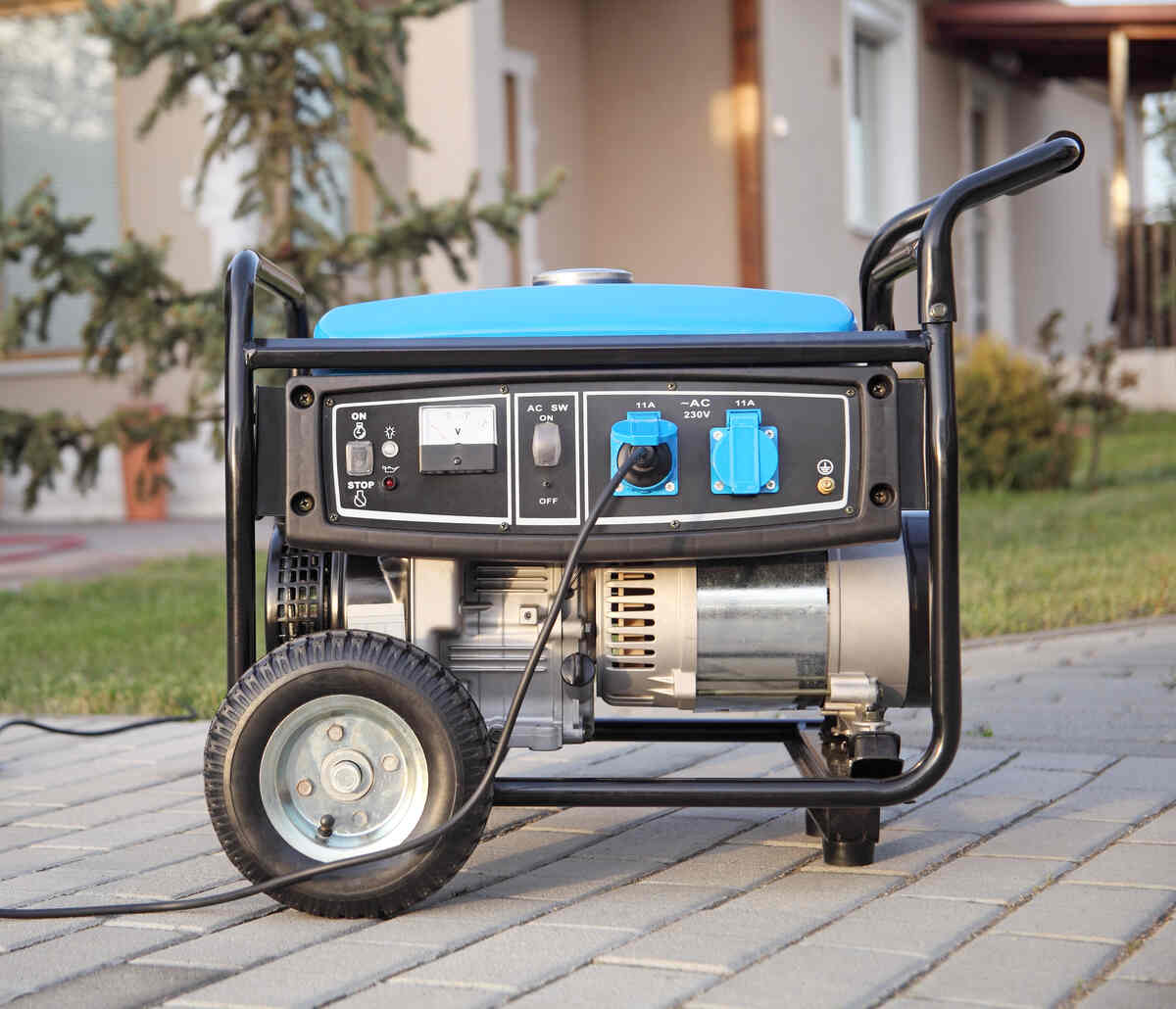
Except for very small gas backup generators, which can be carried around like a small suitcase, gas generators are usually fitted with wheels to make them easy to move around. Weight is not the only issue, as gas backup generators are noisy and produce exhaust gases that are neither pleasant nor healthy. They also need to be in a well-ventilated area, so finding the appropriate spot for them is not as simple as finding the proper position for the solar generator.
Environmental Impact
Walking to the local shop instead of getting in the car and driving is an apt analogy for comparing gas and solar backup generators when considering either system’s environmental impact. Using a solar generator is like walking; it creates no pollution and is healthy, but it is nowhere near as fast. A gas generator is burning through fossil fuels that pollute the air with noxious gases and carbon dioxide while also polluting the surroundings with excessive noise.
Noise
It is possible to buy a gas-powered generator housed in a sound-insulated box. However, the exhaust emissions will always make a noise, and even the quietest small portable generator will still produce a noise level of around 55 decibels, about as loud as normal conversation and quieter than a vacuum cleaner, which runs at about 75 decibels.
Larger gas generators without good sound suppression are considerably louder and need to be housed externally, which may not go down too well with the neighbours.
Solar generators make no noise. If an inverter is fitted to the battery supply, the cooling fan housed in the inverter may make the smallest noise, but honestly, you will not hear your solar generator when it’s running.
Initial Cost
If you need a backup solar generator to power a few small items, such as a laptop and a couple of lights, a 1,200-kW unit at around $350 should suffice. If you need a little more power, a 3,500kW unit will cost around $1,300.
Moving up in the range, a 7.5 kW unit will keep all essential equipment running, but you will need to plan around using equipment that changes temperatures, like toasters, kettles, microwaves and hairdryers. You should be able to find a unit for around $4,000 with this power output.
| Gas Generator | Solar Generator |
|---|---|
| 7.5kW = $4,000 | 2.2kW / 2024Wh = $2,500 |
| 14 kW = $7,000 | 3.0kW / 2042Wh = $3,000 |
| 19.5 kW = $11,000 | 3.0kW / 4085Wh = $5,300 |
| 26 kW = $18,500 |
The average house will spend around $25,000 on a permanent-type backup gas generator, including installation and an automatic switch-over system.
A small solar-powered generator that produces 2.2kW of power will cost around $2,500, including solar panels and a fast-charging system. We need to add the amount of (watt-hours) Wh to the range, as this will determine the length of time the unit will provide power before the batteries need to be recharged.
A more permanent solar generator system moves into the realm of solar panels connected to an inverter and batteries. Here the price ranges are:
- 3.5 kW – $7,000
- 6 kW – $12,500
- 12 kW – $15,000 to $ 25,000
Long-term Costs and Lifespan
After the initial costs have been paid, solar generation is free. For gas you will need to finance the maintenance and fuel costs. The long-term costs depend on the frequency of use, as either system will require replacement over time. This may be limited to the batteries’ lifespan for the solar system, as the panels should last for at least 20 years. Portable solar generators do not allow for battery replacement since they’re integrated into the unit. They generally last between 2,000 to 5,000 charge cycles, which will get you about 5 to 10 years of operation with average usage.
Gas-powered generators can last up to 10 years, depending on the number of hours they run and the quality of maintenance.
Maintenance
Gas-powered generators require regular servicing and may need worn-out parts replaced. Air and fuel filters need cleaning or replacement after a certain number of hours, and the oil and oil filter (if fitted) also need replacement. If the unit is used infrequently, the fuel may need to be discarded and replaced with fresh fuel if it has been idle for a few months.
The solar generator needs little maintenance apart from keeping the solar panels clean. Inspecting connections and cables will ensure the unit’s safe operation.
Comparison of Gas vs Solar Generators
| Quality | Gas | Solar |
|---|---|---|
| Convenience/ Usefulness | ✓ | ✓ |
| Cost-effectiveness | ✓ | ✓ |
| Environmental | ✓ | |
| Noise | ✓ | |
| Portability | ✓ | ✓ |
| Weather dependence | ✓ | |
| Initial Cost | ✓ | |
| Long term costs | ✓ | |
| Lifespan | ✓ | |
| Maintenance | ✓ |
Generally, the solar generator provides a better cost-saving and more environmentally friendly option. Weather conditions play a significant factor in the comparison though, as solar generators rely on sunshine, so they can’t be charged at night. Your capacity is limited to the battery. It can run out quickly unless you get a large-sized model, which will cost you. In contrast, a gas-powered generator provides immediate power, provided gas is available.
While power cuts in Canada have historically been infrequent, the increasing trend of power grids failing due to extreme weather conditions means that homes must prepare to factor in the power supply breaking down more often. There is something reassuring about having a dependable backup power supply. It’s not quite a grudge purchase, but it always takes a combination of disturbing events to finally decide to buy a standby power supply.
Bluetti’s current Christmas discounts might offer just such an opportunity. As one of the big names in solar energy, they have a range of products to choose from, which you can find here: Bluetti Christmas Sale 2024. They’re also offering an extra 5 percent discount if you use the following code: Green5off
Images: Depositphotos