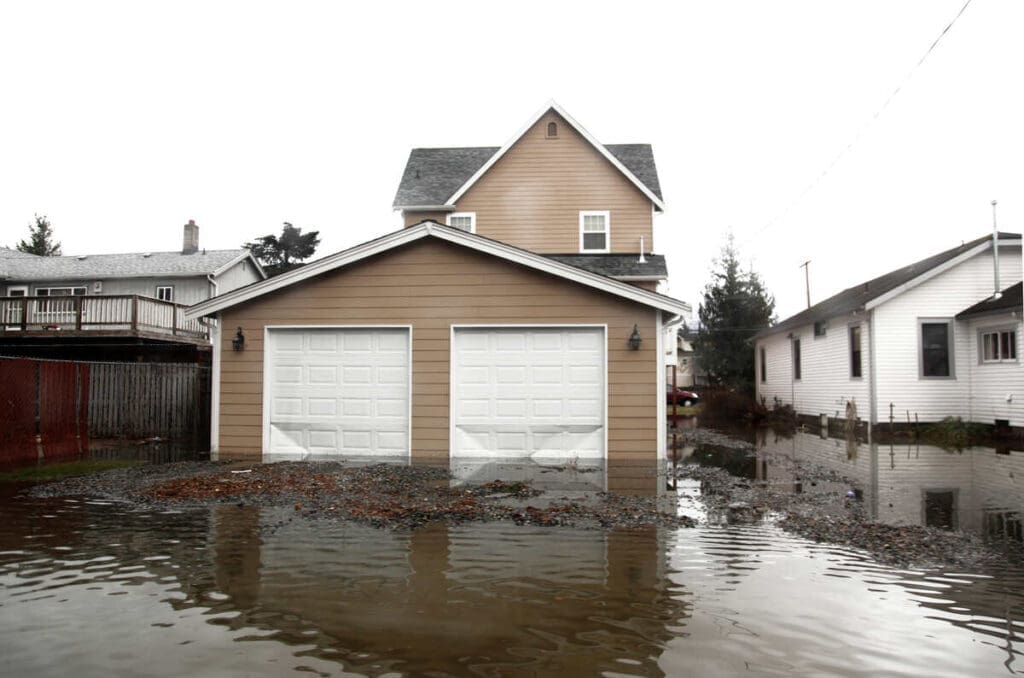
Here’s Why Garage Doors Get Blown Open (And What to Do About It)

In this weekly Q&A column, retired builder/building inspector Cam Allen answers readers’ home renovation questions. Have a question? Enter it in the form below.
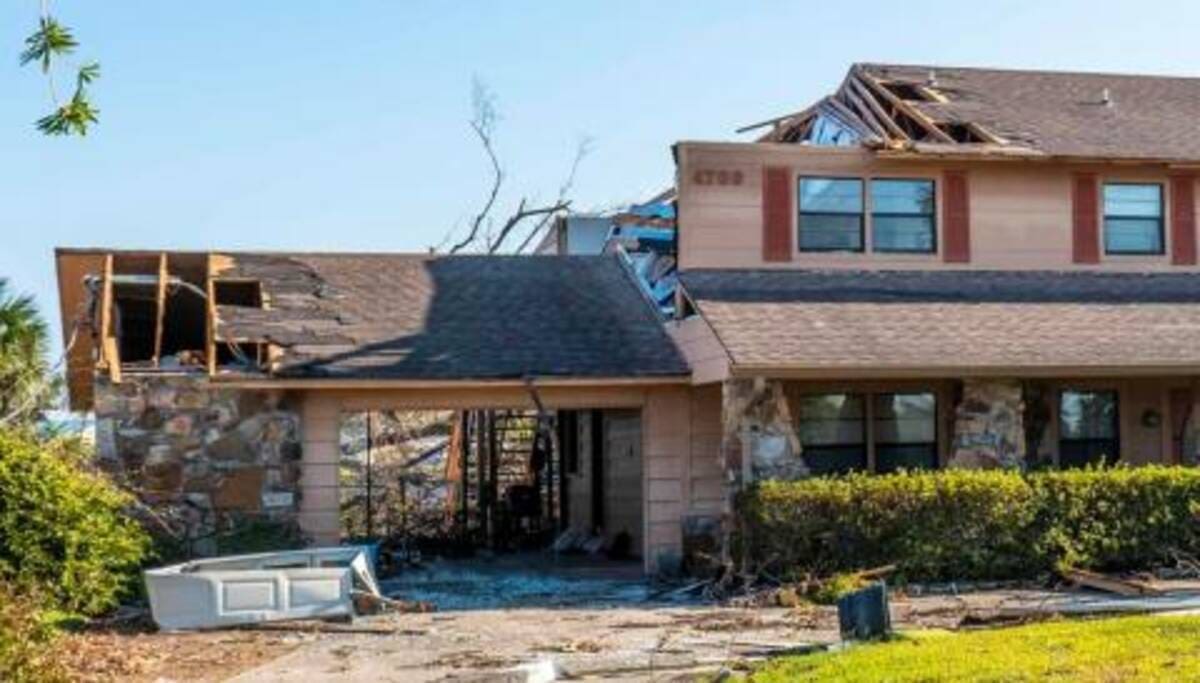
A reader from Manitoba wrote recently “We had our garage door come off its track in a high wind and really made a mess of the inside of our garage. What can we do?” This reader was actually lucky the wind damage stopped inside of the garage.
It is no secret that our weather is changing and not for the better. Environment Canada has reported that they have documented a 25 percent increase in severe weather warnings over the past 10 years. Severe wind warnings have become almost a weekly occurrence in some parts of Canada. A severe wind warning is rated where winds will reach 70 km/h with gusts up to 90 km/h.
It is a documented fact that “attached to the home garages” with roll up doors are the number one wind effect failure that causes extensive wind damage inside a home, followed closely by entrance and patio doors, then windows. They are the largest and usually the weakest entry point. Most are made of lightweight aluminum or steel and in the past, the majority were not insulated. Rigid insulation adds significant integrity to the door. Tests have shown that older standard uninsulated roll up doors can fail at a direct wind speed reaching 35-40 km/h.
Governments and garage door manufacturers recognized this issue some years ago. In the U.S., states like Florida now require garage doors to withstand a wind load rating of 250 km/h. Other parts of the United States have standards ranging from 150 to 200 km/h as part of their building codes.
Here in Canada we follow similar ratings as the United States except we use the psf (pounds per square foot) method. For example, if a single garage door you are looking at has a 16.9 psf rating it means the door will handle 88 km/h with short gusts up to 128 km/h.
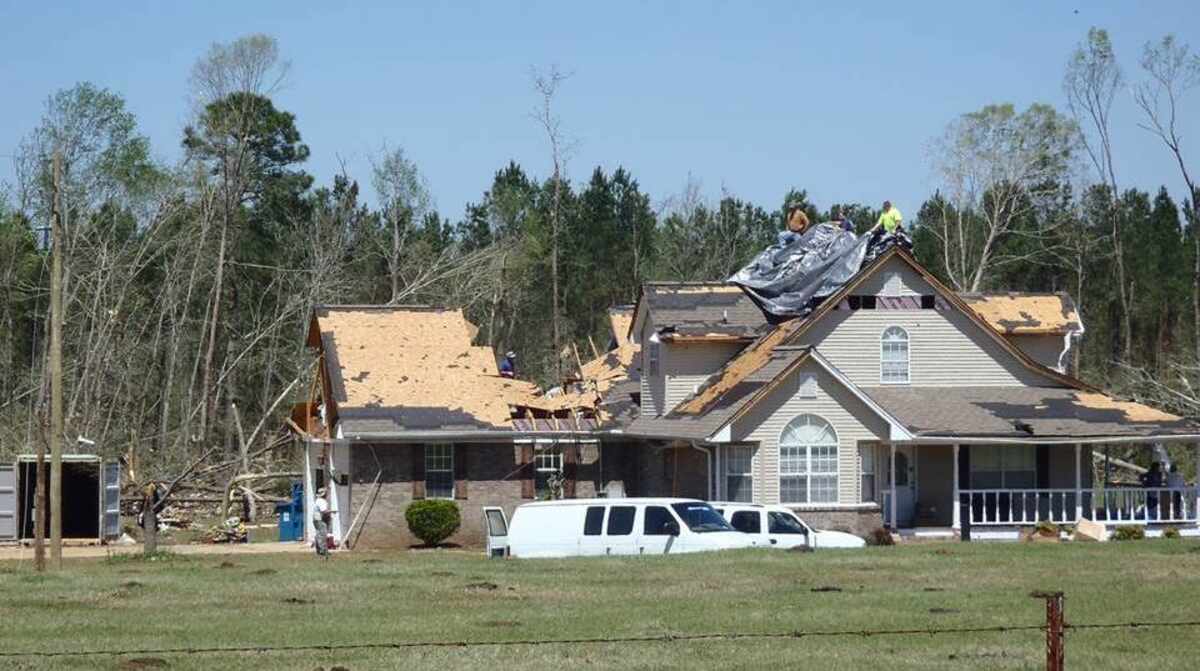
There was a standard set by the DASMA (the Door and Access Systems Manufacturers Association) testing lab in Ohio for the 2010 National Building Code in Canada. Today each province, and in some cases municipalities, can also use local wind load standards. The last couple of garage doors I installed had a 26.8 psf rating (144 km/h) and this seemed fairly common in Ontario at the time. If you are replacing your garage door then you should contact your local building department. If your garage door fails and it is not code compliant, it could affect your home insurance.

Get the Green Building Project Checklist
Use this handy checklist on your next project to keep track of all the ways you can make your home more energy-efficient and sustainable.
Garage door manufacturers fully realize how important a well made insulated door is. They have made significant inroads in not only improved assembly but higher grade materials. You will find that most quality dealers recommend an insulated door. This greatly increases the strength of the door along with helping insulate the garage.
If your garage door encounters wind it cannot handle, not only will it buckle the door but the wood frame will most likely sustain significant damage. If there is rain accompanying the wind, as it often does, then the flooding will substantially increase the interior damage and ensuing restorative costs.
Prevent Your Garage Door From Getting Blown Open With These Upgrades
There are a number of upgrades you can do to an existing garage door to help it maintain its integrity during extreme winds. One of the simplest is commonly called a “hurricane strap,” which is a kit you can buy that attaches a steel cable to the top of the wooden garage door frame, known as a header, and then connected to a subsurface eye bolt that has been drilled and epoxy set into the concrete floor of your garage.
The next most commonly used method are storm braces. There are a number of different kinds, both horizontal that are attached to the existing garage door and a vertical brace kit that can be used in the middle of the door or in the case of a double door, two or three could be fitted to the opening. If you go online and type in “hurricane garage door bracing kit” a multitude of different makes and models will pop up on your screen. If you buy the horizontal braces check to see if your door and the opener has the capacity to handle the additional weight these braces will add.
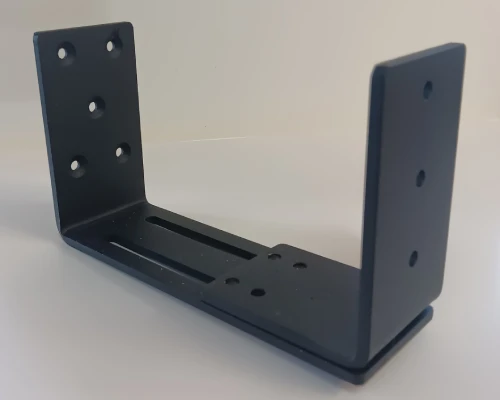
One of the easiest door brace setups, and by far the cheapest, is to buy a pair of adjustable door barricade brackets, a 4×4 long enough to span the door with 6” or so extra on each end and as many 8 foot 2x4s as you have hinge sets on your door. Mount the adjustable brackets level on the frame on both ends. When a storm threatens, slide the brackets out, set the 4×4 horizontal in the 2 brackets and screw to the 4×4. Next, vertically line up as many 2x4s against the hinge sets as you need then screw the 4×4 to each 2×4. Now slide the 4×4/2×4 assembly snug to the bracket and tighten the bolts under the bracket. Using a metal coat hanger or some wire, slip the wire into the hinges and wrap it around the 4×4 where it’s accessible. I made this up for a customer some time ago – it was easy to do and amazingly secure.
Quick Tips to Protect Your Garage Door
There are some tips that apply to all garage doors in the event of extreme wind. The first is to disconnect your garage door opener by pulling the rope down that hangs from the track where your chain or cable moves your door panels. This releases the track connector from the actual door. Next is to unplug your opener at the electrical plug.
The next recommendation is to use the manual door locking system on the garage door. This is usually a handle on the edge of the door that slides into slots in the door track. Most doors have one on each side. If for some reason you only have one or they are missing altogether then a couple of woodworking C-clamps securely located above one of the rollers in the door track also works.
Under no circumstances leave your door open as this will act as a wind sail and cause more damage. All attached garages have an access to the inside of the home or to a breezeway. I strongly recommend a double deadbolt lock be installed on this door. It will become your second line of defence should your garage door fail.
While not as common today there are still some tilt canopy style garage doors around. A quick method of protecting these doors is to attach two blocks of 2×4 at the bottom of the outside door frame, one on each side. Then go inside your garage and block the top of the door corner with similar blocks of 2×4 in a cross brace from the header to the frame. This is an effective security method for this type of door.
It is no secret the weather is changing, be prepared and have all the necessary braces, cables or simple blocks of wood ready to secure your attached garage door. The other option is replacement of your garage door with a door that is hurricane rated.
If you are building a new home with an attached garage, my recommendation is to install single vehicle roll up doors. The larger double doors are known to fail sooner than the smaller doors. The magnitude of wind pressure cannot be overstated. Insurance claims and the accompanying restorative work for homes where the attached garage door has failed are often catastrophic to the home.
Have a Home Renovation Question?
Write it down below and we’ll get back to you. All questions get answered – every week, we’ll select one for publication in the column.