Planning on Replacing Your Roof?
Fire-Rated Roofing and Smart Venting Strategies That Reduce Fire Risk

In this weekly Q&A column, retired builder/building inspector Cam Allen answers readers’ home renovation questions. Have a question? Enter it in the form below.
I offer non-profit organizations, municipalities and professional groups a
“one hour then take questions presentation” on housing and the climate
crisis – it has been quite popular. At a recent presentation I had a number
of inquiries about upgrading a roof with consideration for fire retardancy.
This was a subject that never arose 10 years ago when looking for a new roof covering but today it’s close to the top of importance. Our western provinces have felt the brunt of the damage to homes and they are making moves to correct this. For example, the town of Canmore, Alberta recently got a grant from Intact Financial Corporation to help homeowners replace old combustible roof coverings. It’s well recognized that homes catch fire well before the actual main fire arrives. Roof embers commonly travel 2 km ahead of the main blaze and there are documented cases of 10 to 15 km ahead of a wildfire.
This is often the reason in pictures of the aftermath of a wildfire you see trees still standing but the home has burned to the ground. A report I saw recently stated that in 2023 Canada experienced wildfires that decimated some 15 million hectares of our country with the majority in Western Canada. We have an excellent program in Canada called FireSmart that can help any homeowner with suggestions on not only your roof but your home and property in general.
Class A Fire Rated Roofs
The standards for roof coverings have had a recognized rating system for some years. Class A roof coverings represent the top standard and are rated with a one-hour fire exposure standard. If you live in a fire-prone area this type of roofing is recommended and more home insurance companies are now requiring this type of roof covering.
Get the Green Building Project Checklist
Use this handy checklist on your next project to keep track of all the ways you can make your home more energy-efficient and sustainable.
In the case of the homes in Canmore, the company who gave them the
grant is a division of Intact Insurance, one of the largest home insurance companies in Canada, so they have a vested interest in this upgrade.
The Class A rated roof coverings range from slate, clay tiles, metal and
treated fibreglass shingles. The first two have the longest lifespan but
are extremely expensive and in some cases may require some roof
structural upgrades to accommodate the added weight.
Metal Roofs – Fire Resistance at a Reasonable Price
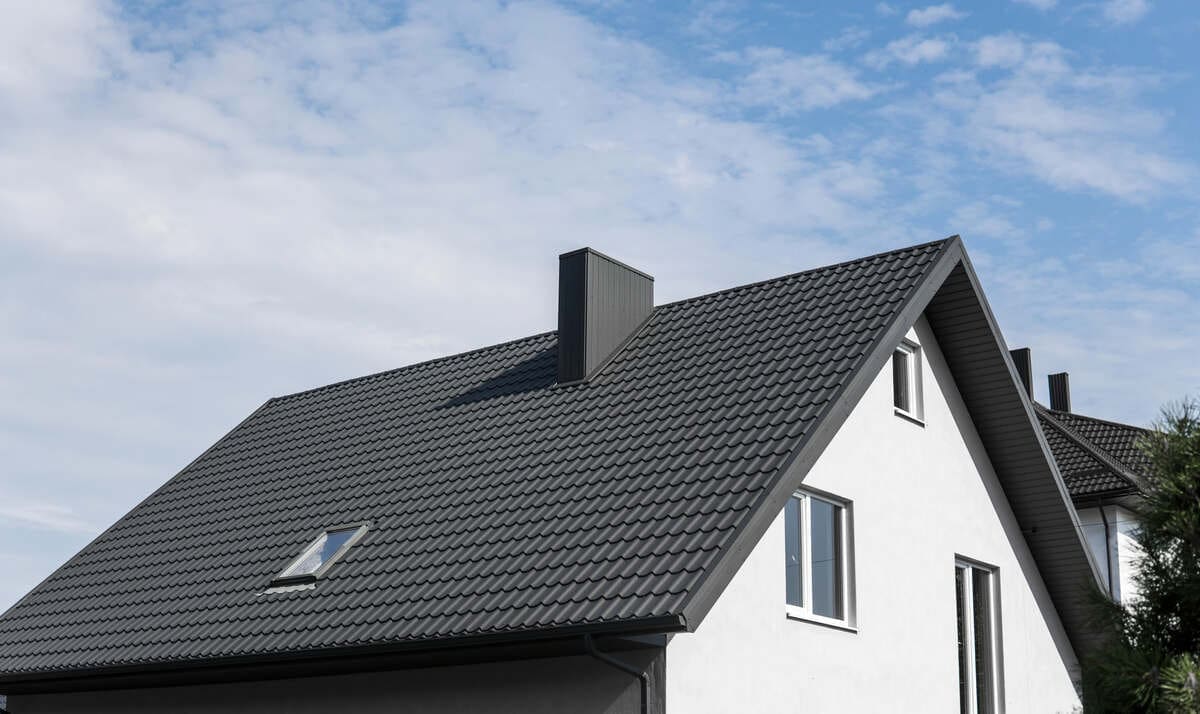
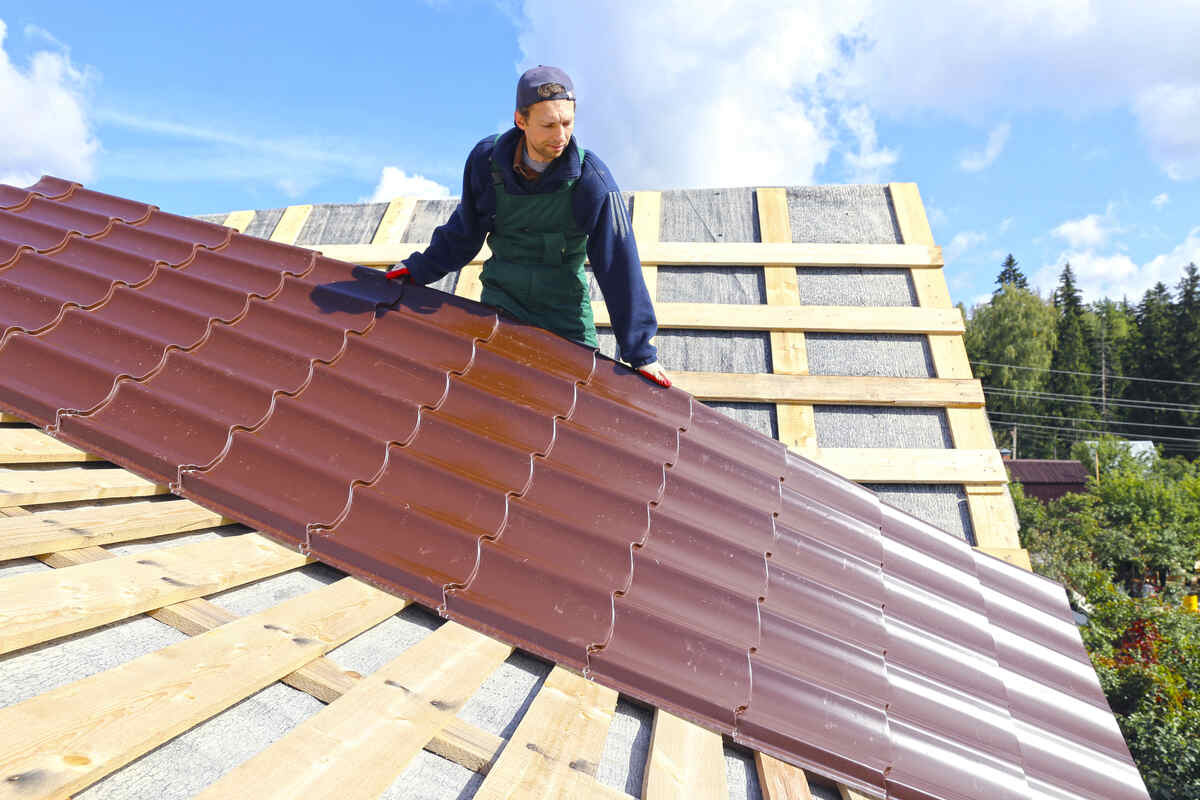
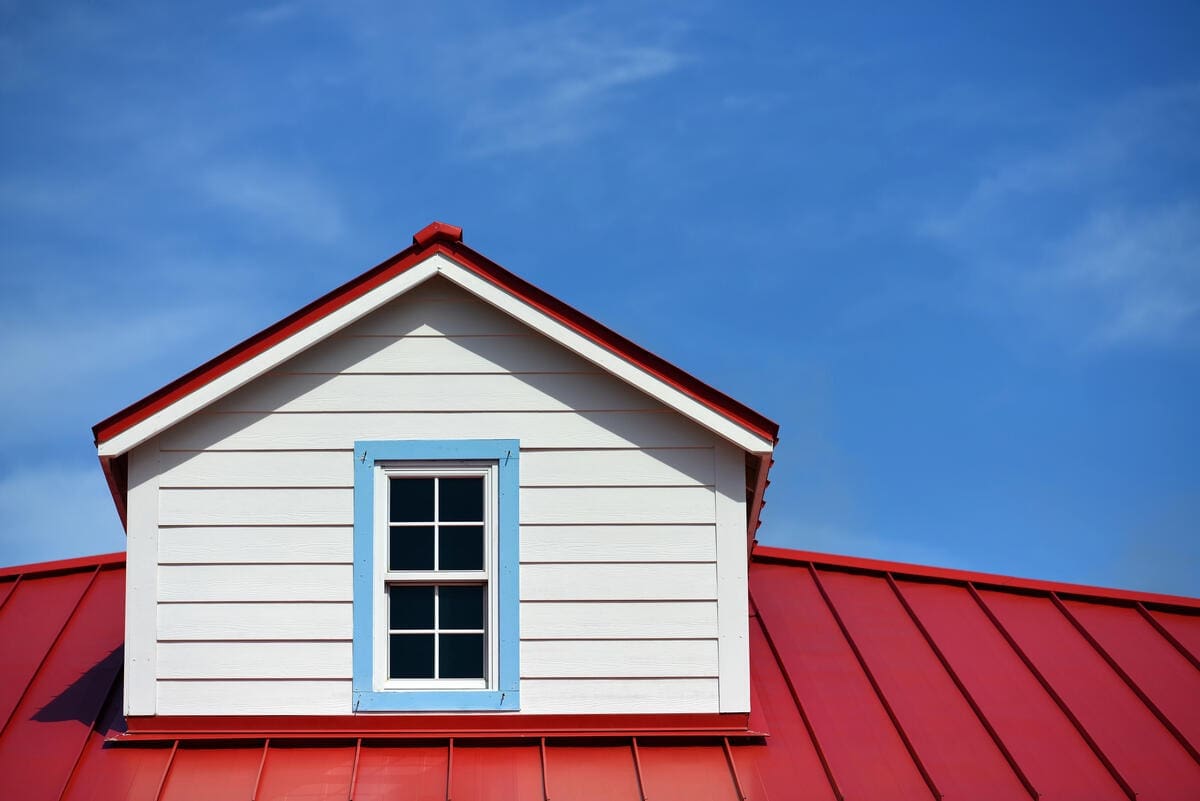
When asked, I recommend a “properly installed” metal roof covering over a shingle install for not only the fire rating, but they tend to stand up to high winds better and on average, last double the length of time compared to a
shingled roof. I have seen the cost of metal roofing decline substantially
over the past 10 years. When I say properly installed I mean over the
proper roof underlay and spaced strapping, secured with screws. This
allows proper attachment of the metal panels. This space also permits
some air flow under the metal roofing. I have seen metal roofs on
heritage homes that are over 100 years old and still stable.
I have installed a number of different Canadian manufacturers’ standing rib metal roof panels and by experience, they all make a respectable product. The days of simply standing seam metal panels being the only thing available are long gone. You can now buy a metal roof covering that looks like clay tiles, slate inspired or conventional shingles. They are made with various materials, steel and aluminum are most reasonable in price but copper and zinc roofing, while more expensive, are also available today. In this type of installation I always recommend a full ridge vent installed with the new metal roof.
Roof Vent Fire Protection
This brings me to the one area most homeowners, other than those in California where this type of roof venting system is now mandated, is often ignored. This kind of venting is called “ember-resistant venting.”
A couple of years ago, when my co-author and I began the first book in our Fragile Shelters series, I had the chance to speak with Nate Oliver at NewCalMetals in California. He took a considerable amount of time explaining the process of producing a recognized, certified ember safe vent system. Oliver explained that they use a high-grade aluminum honeycomb and coat it with a proprietary intumescent coating. This coating is designed to quickly swell up and close off the screen inside the vent when exposed to high heat. This creates an active firewall – the expanded material acts as an insulator to
heat, fire and embers.
It is a well-documented fact that fire-driven embers, upon entering the
attic of a wood-frame home, usually through the roof or soffit venting,
are the cause of up to 90 percent of all homes lost in a wildfire. In 2008 the
state of California addressed this issue and mandated “vents resistant to
fire ember intrusion” for all new housing. The line of vents NewCalMetals
manufactures are called “Vulcan Vents.” They not only meet or exceed
all of the relevant ASTM standards, they are listed with CAL-FIRE as an
approved venting system. They also meet the Canadian Building Code
requirements.
While they were one of the first to develop this type of venting, others
have joined the market. No matter whose brand of ember-resistant vent you buy, it’s only as good as the installation. Extra care should be taken to make sure the vents are airtight against the soffit, gable end or roof covering. I am aware of a couple of manufacturers caulking that meet the proper standards. One is called EverKem 814+ for most roof coverings and the other is Rectorseal.
Both of these caulking meet the ASTM standards for temperature, flexibility and are VOC compliant. You may have to do a bit of hunting to find these products – they are all available online. At the time of writing, I am not aware of any Canadian dealers. I would expect it will only be a matter of time before companies like Vulcan Vents or others arrange for a Canadian distributor,
especially once the insurance companies in Canada start mandating one
hour fire-rated roof coverings.
Images from Depositphotos
Have a Home Renovation Question?
Write it down below and we’ll get back to you. All questions get answered – every week, we’ll select one for publication in the column.