Factory‑Built Housing Explained
What Sets Modular, RTM, Panellized and Manufactured Homes Apart?

In this weekly Q&A column, retired builder/building inspector Cam Allen answers readers’ home renovation questions. Have a question? Enter it in the form below.
Last week we began this three-part series on factory-built homes with a brief history of this type of residential construction. This week we will describe how the main types of factory-built homes each has its own method of arriving at a residence ready to occupy as well as how they differ from conventional site-built homes.
Primary Types of Factory Built Homes
Ready to Move Homes
Ready to move homes (RTM) are generally built in a single module from a factory and located within a nearby subdivision, often owned by the RTM builder. Once this subdivision is completed the builder disassembles the portable factory and moves it to another site and the process starts over.
Ready to move homes are typically 24’ wide, some greater but not often, and are located by house moving transport methods. RTMs can be priced favourably because they arrive about 85 percent complete.
Get the Green Building Project Checklist
Use this handy checklist on your next project to keep track of all the ways you can make your home more energy-efficient and sustainable.
Modular Homes
These residences are shipped to the lot or subdivision in two or more sections and attached together. I have seen modular homes assembled with two or more levels. By using this method, it allows the home buyer more flexibility in design and features in the finished home. They are also a better method if the site location has limited access. Modular houses are usually lifted by a crane from the transport truck and assembled section-by-section. Depending upon the design they can be a simple shell up to finished levels similar to an RTM home.
Manufactured Homes
Manufactured homes (also called “Single or Double Wide Homes” in the past) make up the majority of factory-built homes today. They are commonly built on a steel trailer style frames on wheels and brought to the site with a transport truck. They are usually 14’ wide but I have seen them up to 20’ wide, those requiring special road permits. They are generally turn-key homes with only sewage and potable water connections needed along with any outside mechanical fixtures.
The majority of these homes that I see today use a heat pump for their heating and cooling within the home. I am close friends with a recently retired couple who purchased a manufactured home a couple of years ago. The manufactured home builder offered an option for their dining room to be an addition that was fitted on the side of the home. It arrived on a separate flatbed and was craned to the location. I have spent numerous days in this home and unless you were told, it looks not one bit different than a site built conventional home. This type of home is generally the most affordable.
Panellized Kits
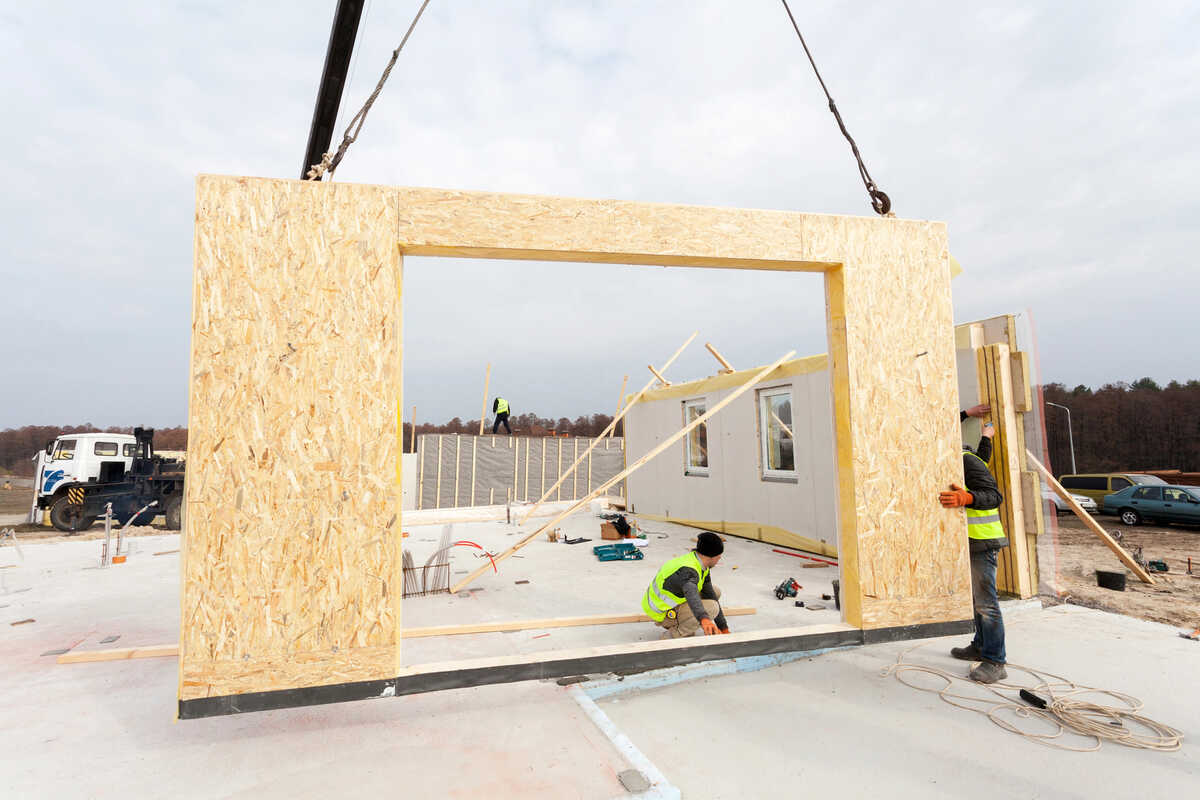
There is one other type of semi-factory built home and these are called panellized kits. The standard panel kit is sort of a jigsaw puzzle of factory assembled panels, some are standard wood frames and others are known as SIPs (Structurally Insulated Panel). An SIP panel is much like an ice cream sandwich, where a preformed insulated section is sandwiched between two sheets of plywood or oriented strand board (OSB). These panels are then bolted to a concrete foundation or pad, the concrete pad being the most common as they are already poured with in-floor radiant heating. The panels are glued together and attached by a fastener system, depending upon the manufacturer’s methods.
This panelized method does allow for a custom floor plan and specifically, SIP homes are widely recognized for their energy efficiency and airtight assembly. Panellized assembly does reduce the overall site assembly time somewhat but not anywhere near the speed of a factory-built home.
How Factory-Built Homes Differ From Site-Built Homes
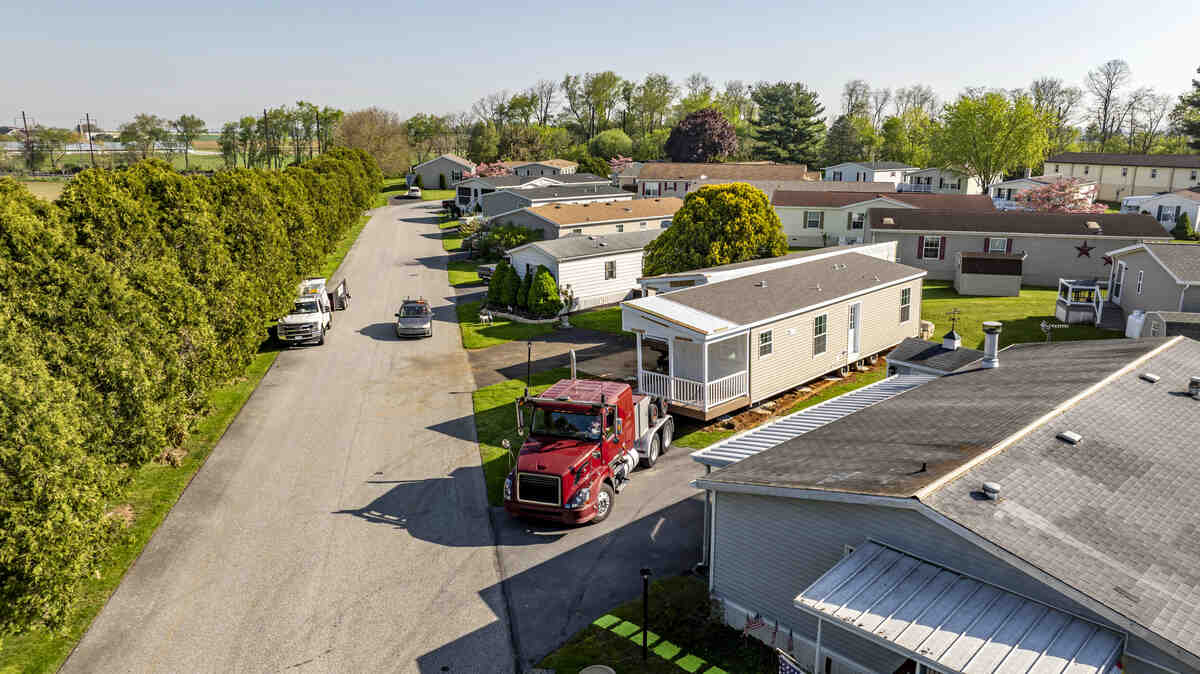
So how are the above-mentioned homes different from a conventional site-built home? In one sentence: They are built in a controlled environment to stringent specifications, allowing continuous, uninterrupted assembly.
The majority of manufactured home builders today operate on an assembly line, often using robotic assemblies with CAD programs that talk to factory floor cutting and assembly machinery. This greatly reduces the amount of man hour labour needed for assembly. This translates into precision cuts, perfect nailing and installation of screws, fewer air leaks resulting in better performance, energy efficiency and comfort for the intended homeowners.
The second feature is the ability to schedule the time for assembly, which is often calculated in weeks instead of months, versus a conventionally built home. In most cases a modular builder can schedule the time for assembly and delivery. The actual site installation is often completed in a day or two at most.
The Downsides to Factory Built Homes
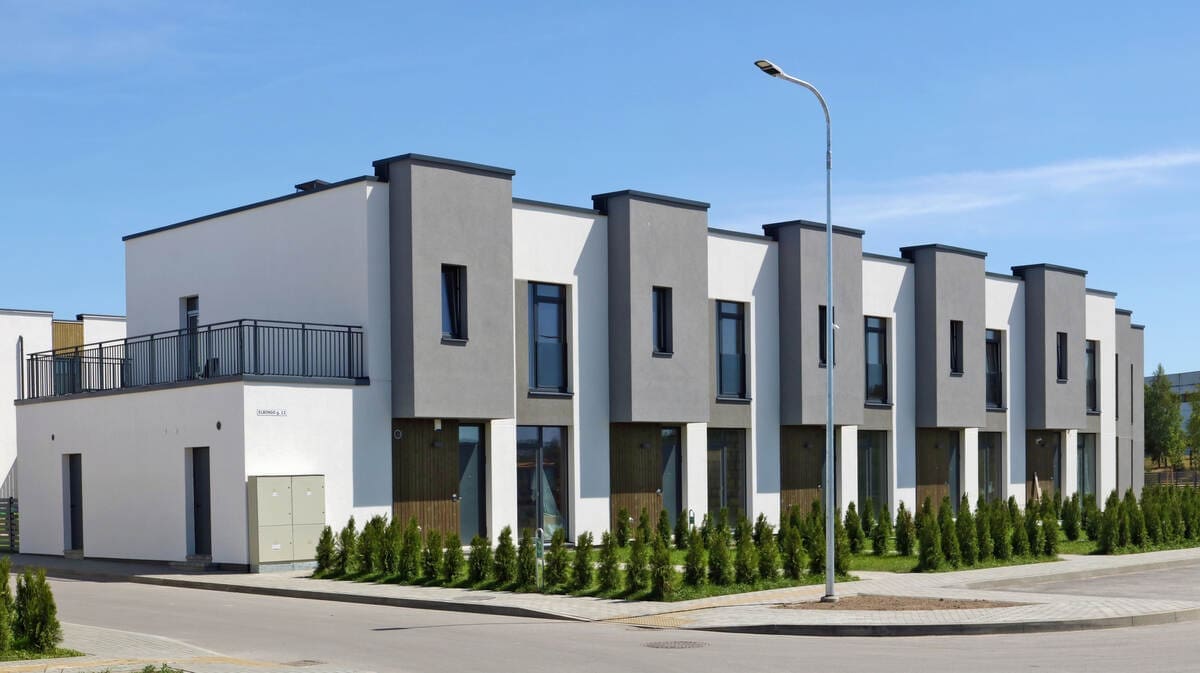
The negatives to factory-built homes come down to a couple of points. There are limitations to the floor plan, usually dictated by the size of the builder’s factory and assembly systems. If you want a complete custom home, this is unlikely the way to go. Most modular builders offer a wide selection of home packages and allow some minor alterations, but once you have picked the plan and its entered in the system and the CAD program has been set, that is it, no changes.
The other thing to be aware of, some municipalities have restrictions on factory-built homes, due to the old stigma of the mobile home trailer park. This attachment is quickly being eradicated by the federal government programs, and for the most part, the advancements in technology and systems that factory-built home builders now operate with. Every modular home I have seen today meets all the national and provincial building code standards.
Back in the fall of 2025 Prime Minister Carney announced the Build Canada Homes program. He stated in his initial address:
As a retired builder/contractor I agree, Carney has a strong point. When you couple the ever increasing extremes in weather, lack of a skilled labour force and a supply chain issue, building homes in a controlled environment makes sense.
I will admit to being, in my distant past, a bit old school with respect to some homebuilding methods. I have been in a number of factory settings over the years, starting with the government Equilibrium energy home program in May of 2006. This was one of the first CMHC programs where modular and manufactured homes were recognized for energy efficiency. Here we are some 20 years later and I would not hesitate to buy a factory-built home from a recognized modular or manufactured home builder. They are the future of homebuilding in Canada.
Read the first part of this series: A History of Factory-Built Homes in Canada
Images from Depositphotos
Have a Home Renovation Question?
Write it down below and we’ll get back to you. All questions get answered – every week, we’ll select one for publication in the column.