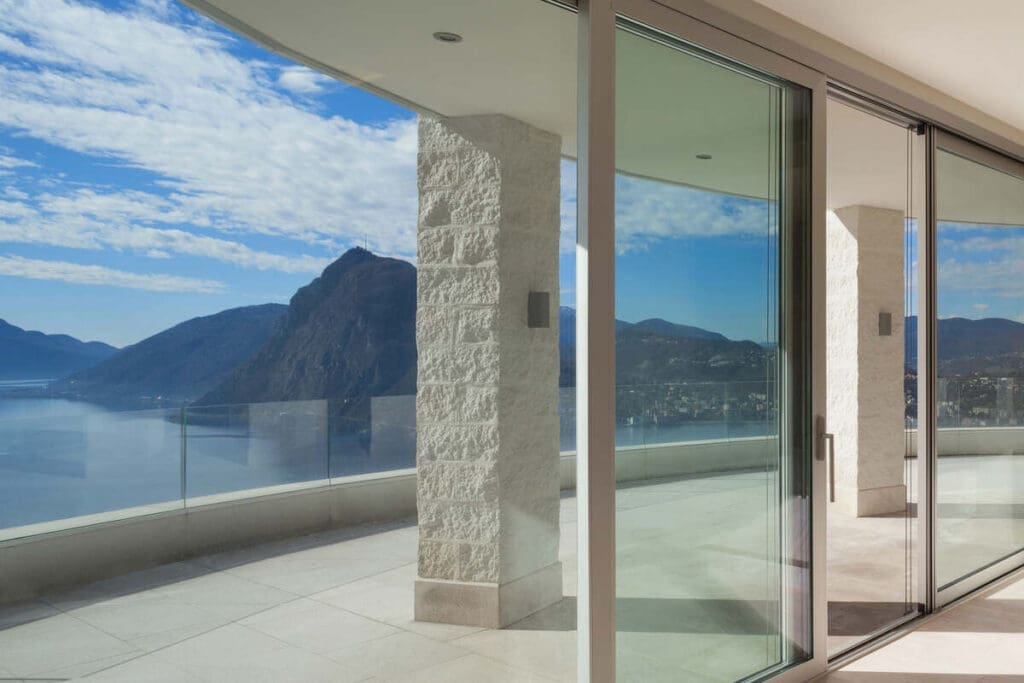

In today’s construction industry, façade engineering plays a crucial role in creating sustainable, energy-efficient buildings. With growing environmental regulations and the urgent need to reduce carbon footprints, mastering façade design and engineering has become essential for architects, engineers and construction professionals.
What Is Façade Engineering?
Façade engineering is the interdisciplinary practice of designing and optimizing a building’s external envelope, including materials, geometry, structural support and integration with mechanical and electrical systems. A façade engineer’s job spans architecture, structural and thermal performance, fire safety, daylighting, ventilation, acoustics and even maintenance over time.
Modern façades are no longer just static barriers – they are dynamic, intelligent skins that must regulate heat, light, moisture and air while delivering durability and design flair. Whether it’s a high-rise in the downtown core or a university building in the suburbs, the façade plays a vital role in how the building performs.
Why Façade Engineering Matters for Energy Efficiency
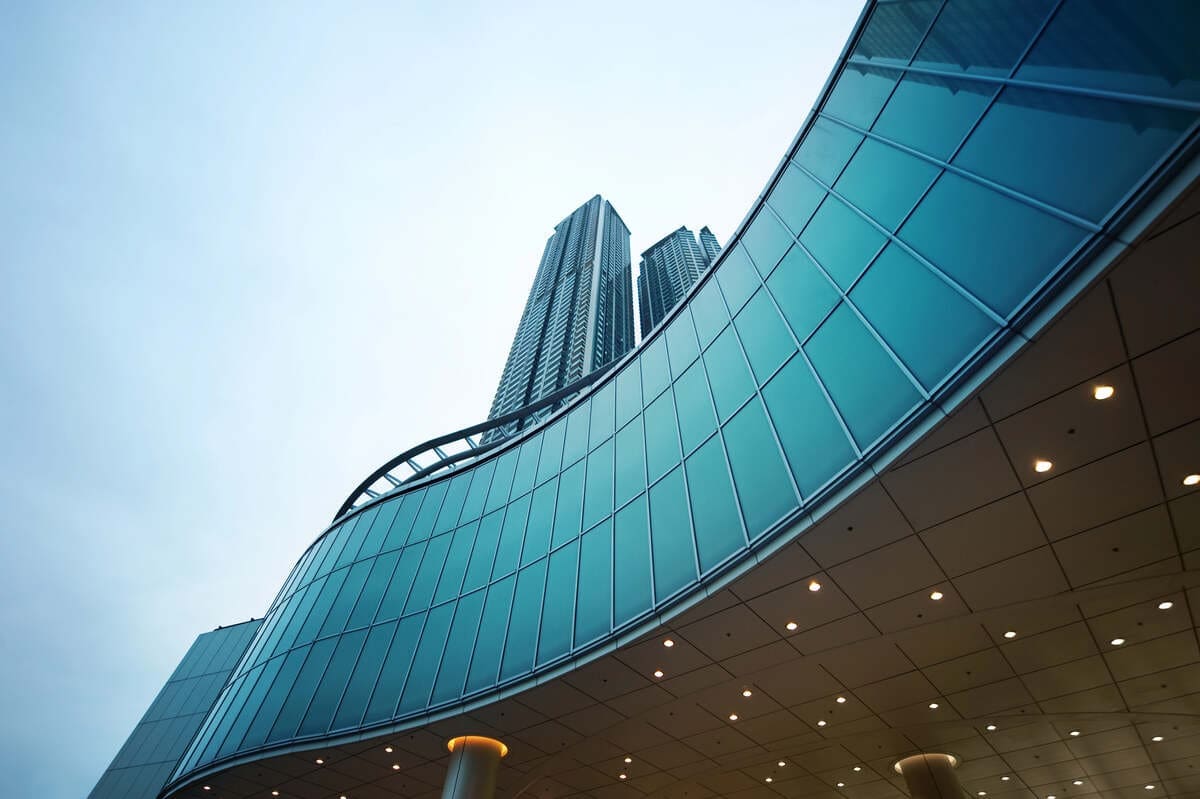
Modern buildings consume vast amounts of energy, and poorly designed façades contribute significantly to heat loss, excessive cooling demands, and high operational costs. Façade engineering ensures that building envelopes are optimized for thermal performance, natural lighting and ventilation –reducing energy consumption while enhancing comfort.
Get the Green Building Project Checklist
Use this handy checklist on your next project to keep track of all the ways you can make your home more energy-efficient and sustainable.
By integrating advanced materials, smart glass technologies, and passive design strategies, façade engineers can drastically cut energy usage. This not only aligns with global sustainability goals but also helps save money in the long run.
High-performance facades don’t just bring efficiency and return on investment. Enhanced tenant comfort, higher lease rates, reduced carbon liabilities and green building certification all contribute to asset desirability and resilience.
Façade Design and Energy Efficiency
Thermal loss and gain through a building’s skin can account for 20–50 percent of HVAC energy consumption; in cold Canadian cities like Winnipeg, a high-performance façade can significantly reduce heating demand. A prime example is Manitoba Hydro Place, whose innovative double-skin façade, thermal chimneys, where operable inner-and-outer glazing, automated louvers and geothermal system achieve 70–80 percent less energy use than conventional office towers and earned LEED Platinum certification. The building’s one‑metre ventilated cavity buffers temperature extremes and enables a portion of natural ventilation for nearly a third of occupied hours.
Balancing daylight with thermal control is essential. High-performance glazing with low‑emissivity coatings, combined with automated shading systems, can cut HVAC consumption by around 20 percent – a reduction validated by studies from UBC and others. Passive solutions like double‑skin facades (even static ones) also help regulate heat gain.
In other words, a well-engineered façade doesn’t just reduce operational energy – it shifts a building’s baseline, redefining what “efficient” truly means in the Canadian context.
Read more on this topic in Green Building Guide to Energy Efficiency and Renewable Energy
On-site Power Generation: BIPV
Photovoltaic cladding transforms facades into energy generators. Canada’s largest vertical BIPV wall covers over 7,000 square feet on the Etobicoke Civic Centre with the capacity to generate 90,000 kWh of electricity per year. Canada’s largest BIPV retrofit is the Edmonton Convention Centre with 169 kW of integrated glazing spanning 696–719 panels across its iconic sloped atrium. This system is projected to produce approximately 200,000 kWh annually, which offsets an estimated 150 tonnes of CO₂ emissions each year, potentially saving around $219,000 annually and offering a payback period of approximately 22 years.
This integration of power generation and façade design exemplifies how buildings can simultaneously enhance energy independence, reduce emissions and visually engage with the urban environment.
Read more on this topic in Next Generation BIPV Windows Let the Sunshine In
Sustainable Materials and Lifecycle Value
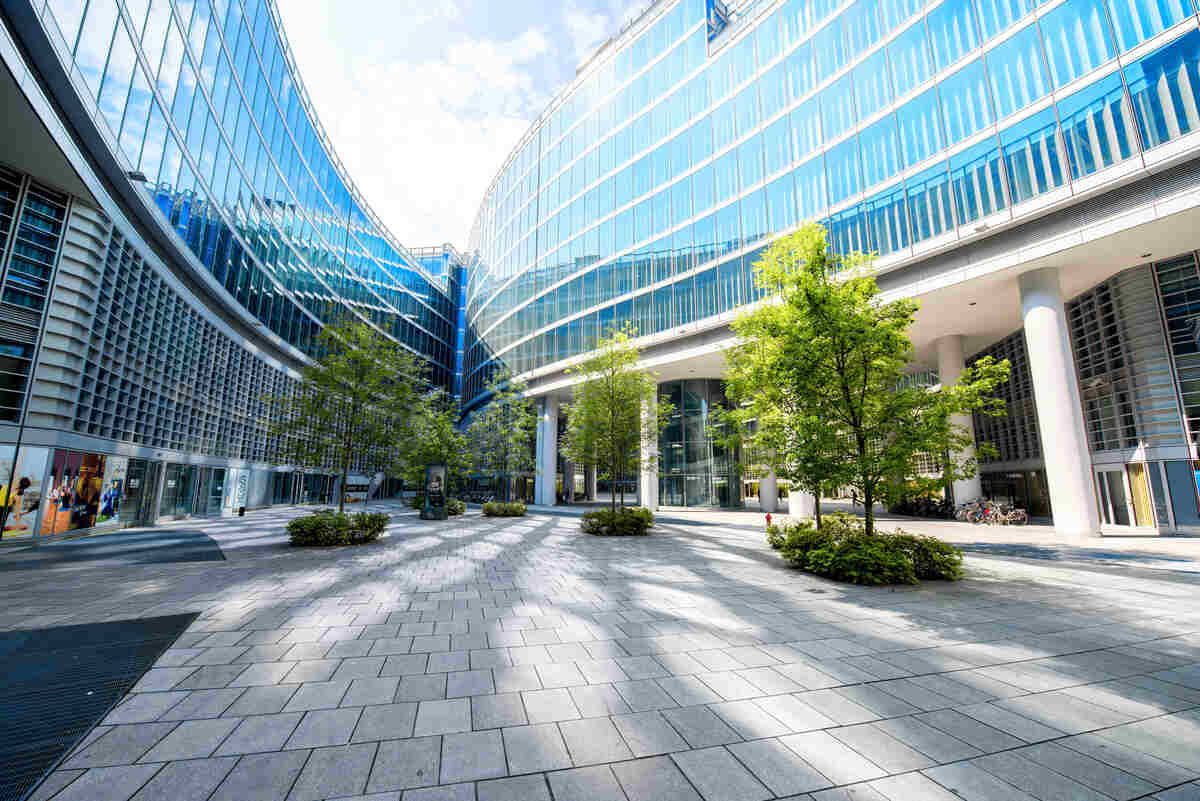
Beyond operational energy, the façade shapes a building’s embodied carbon footprint and lifespan. Locally sourced and low-carbon materials like mass timber and recycled metals reduce embodied emissions and support emerging policies – such as Canada’s mandate for net-zero-energy-ready buildings by 2030.
Located near Osoyoos in British Columbia, the Nk̓Mip Desert Cultural Centre showcases an exceptionally sustainable envelope through its massive rammed-earth façade. Constructed from local soil, rammed into a thick 5.5 m‑high wall, this envelope provides an R‑value of around R‑33, which moderates interior temperatures against the region’s extreme diurnal swings.
Read more on this topic in Green Building Guide To Sustainable Materials
Daylighting and Solar Gain in Façade Engineering
A critical function of modern façades is managing how sunlight enters a building – balancing natural light to reduce the need for artificial lighting while minimizing unwanted heat gain. When executed well, façade engineering enhances both energy efficiency and indoor comfort. Features such as dynamic shading systems, fritted or low-e glass, and deep overhangs help modulate light and solar energy throughout the day and seasons. The goal is to let in just the right amount of daylight without causing glare or overheating in the summer while also allowing sunlight to enter in the winter to make use of the free heat that comes from it. In a climate like Canada’s that has strong seasonal variation with cold winters and, in some parts, hot sun in the summer, achieving this balance is especially beneficial.
One exemplary Canadian project is the MacKimmie Tower Redevelopment at the University of Calgary. The building’s triple-glazed, double-skin façade includes automated external louvers that adjust based on solar position and heat gain. This dynamic shading strategy reduces glare and blocks excess summer sun, while still allowing generous natural light to penetrate deep into the building. Additionally, operable windows are integrated into the façade, enabling natural ventilation and reducing the reliance on mechanical systems. These innovations are especially valuable in Calgary’s sunny but cold climate, where harnessing solar energy efficiently without overheating is a design challenge. The façade design directly contributes to both occupant comfort and the building’s low-energy goals.
Read more on this topic in Daylighting 101 : How to Get the Most Natural Light into All the Rooms of Your Home
A Few Notable Examples of Façade Engineering in Canada
| Building | Location | Façade Highlight |
|---|---|---|
| The Joyce Centre for Partnership & Innovation | Hamilton, ON | Solar cladding and high-performance curtain wall contribute to net-zero performance |
| Bill Fisch Forest Stewardship and Education Centre | Whitchurch-Stouffville, ON | Passive House detailing, triple glazing, wood cladding and deep overhangs for passive solar shading |
| Vancouver House | Vancouver, BC | Sculptural twisting façade designed to optimize views and daylighting while responding to site constraints |
| MacKimmie Tower (University of Calgary) | Calgary, AB | Double-skin façade with operable external louvers and triple glazing for thermal performance |
| Ryerson University’s Daphne Cockwell Health Sciences Complex | Toronto, ON | Integrated curtain wall system with thermal breaks and spandrel insulation; solar exposure modeled for each elevation |
| Earth Sciences Building (UBC) | Vancouver, BC | Uses wood curtain wall system—one of the first of its kind in North America—demonstrating low-carbon envelope options |
| Centennial College A-Block Expansion | Toronto, ON | Prefabricated mass timber and aluminum-panel façade integrating passive ventilation and natural daylighting strategies |
| National Arts Centre Renovation | Ottawa, ON | Glass curtain wall added to historic stone structure to improve natural light, insulation, and visual transparency |
| Manitoba Hydro Place | Winnipeg, MB | Double-skin façade with operable windows and solar chimney enhances natural ventilation in a cold climate |
| Etobicoke Civic Centre | Toronto, ON | Canada’s largest vertical BIPV wall integrated into the façade, generating ~90,000 kWh/year |
| Red River College Innovation Centre | Winnipeg, MB | Triple-glazed curtain wall with terracotta cladding; designed to manage solar gain and thermal performance in a cold climate |
Studying Façade Engineering: A Crossroads of Design, Physics and Sustainability
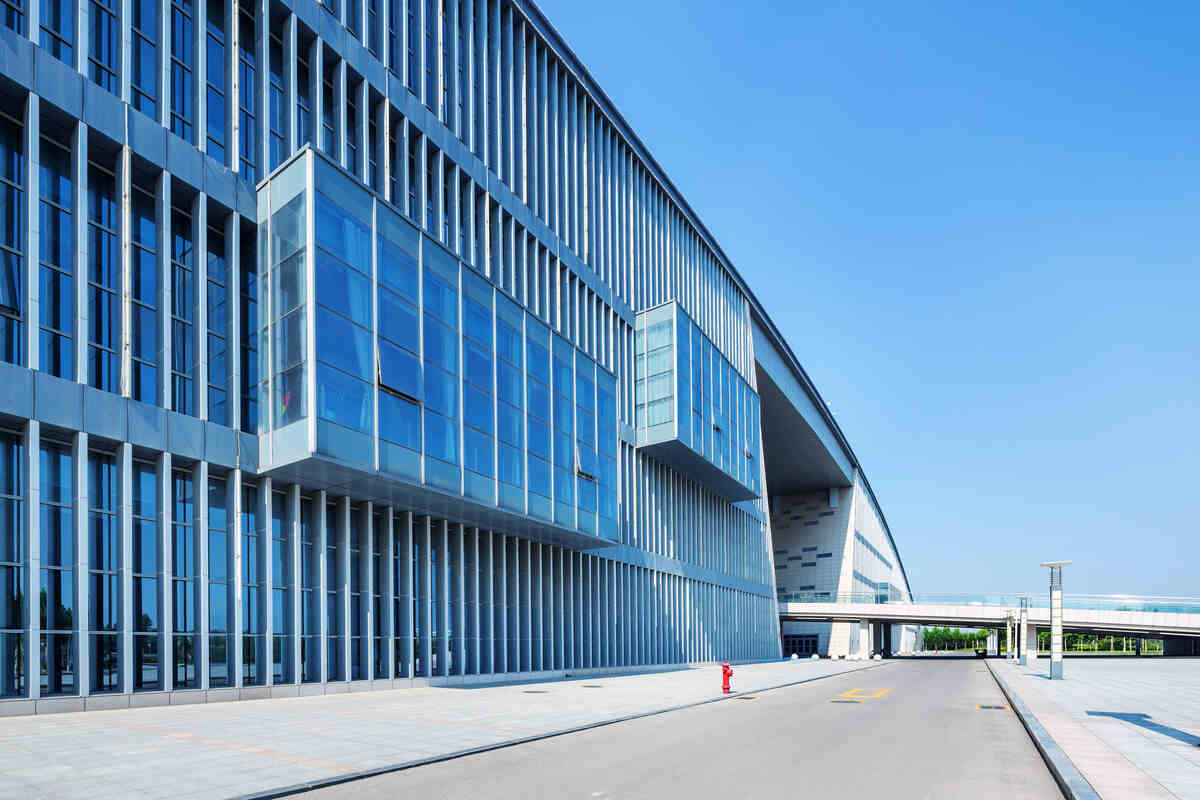
Façade engineering is an interdisciplinary field that blends architecture, structural and mechanical engineering, building science and materials research. While it’s often offered as a postgraduate specialty – particularly in Europe and parts of Asia – its core concepts are increasingly incorporated into architecture, building science and civil engineering programs in Canada.
Students studying façade design typically explore topics like thermal performance modeling, condensation control, solar radiation management, airtightness strategies, glazing and cladding systems, and integration of renewable technologies (like BIPV). Modern curricula also cover façade automation (e.g., kinetic shading or responsive façades), fire safety in envelopes and embodied carbon calculations.
Despite its importance, façade engineering remains an underdeveloped field in formal education. While some universities offer master’s degrees in façade engineering, these programs often focus on theory rather than practical application. Meanwhile, bachelor’s degrees in façade engineering are virtually non-existent, leaving many professionals to learn on the job. Many professionals also enter the field via postgraduate certificates, online courses or work experience in envelope consulting firms.
Careers in Façade Engineering
Professionals with expertise in façade engineering are increasingly in demand as stricter energy codes are being adopted and net-zero construction is prioritized. A degree or specialization in this discipline opens doors to a range of career paths. Here are a few examples:
| Job Title | Typical Employers |
|---|---|
| Façade engineer | Specialist consulting firms, architecture/engineering studios |
| Building envelope consultant | Sustainability consultancies, materials testing labs |
| Energy Modeler (envelope specialist) | Green building design firms, LEED certification teams |
| Curtain wall systems designer | Manufacturers of glazing and metal systems |
| BIM technician (façade focus) | Construction firms, digital design studios |
| Materials researcher (façade tech) | Universities, sustainable product startups |
Façade engineers collaborate across disciplines to ensure that building exteriors aren’t just beautiful – they’re air- and water-tight, energy-efficient, structurally sound and aligned with climate goals.
The Canadian façade vernacular is now evolving – from plain cladding to high-performance systems that integrate daylight, natural ventilation, energy generation and climate adaptation. As provinces roll out stricter building codes and incentives for low-carbon designs, façades become central to both sustainability and return on investment.
For building professionals, embracing façade engineering means designing envelopes that perform, endure and contribute – without compromising aesthetics. It’s no longer optional; it’s essential.
Continue Learning About Green Building!
Sign up to our free newsletter and you’ll get our latest articles, news and exclusive subscriber-only content like the Green Building Project Checklist delivered to you weekly.
Images from Depositphotos