
Exterior Insulation and Pests
How to Choose the Right Material and Detail It Correctly

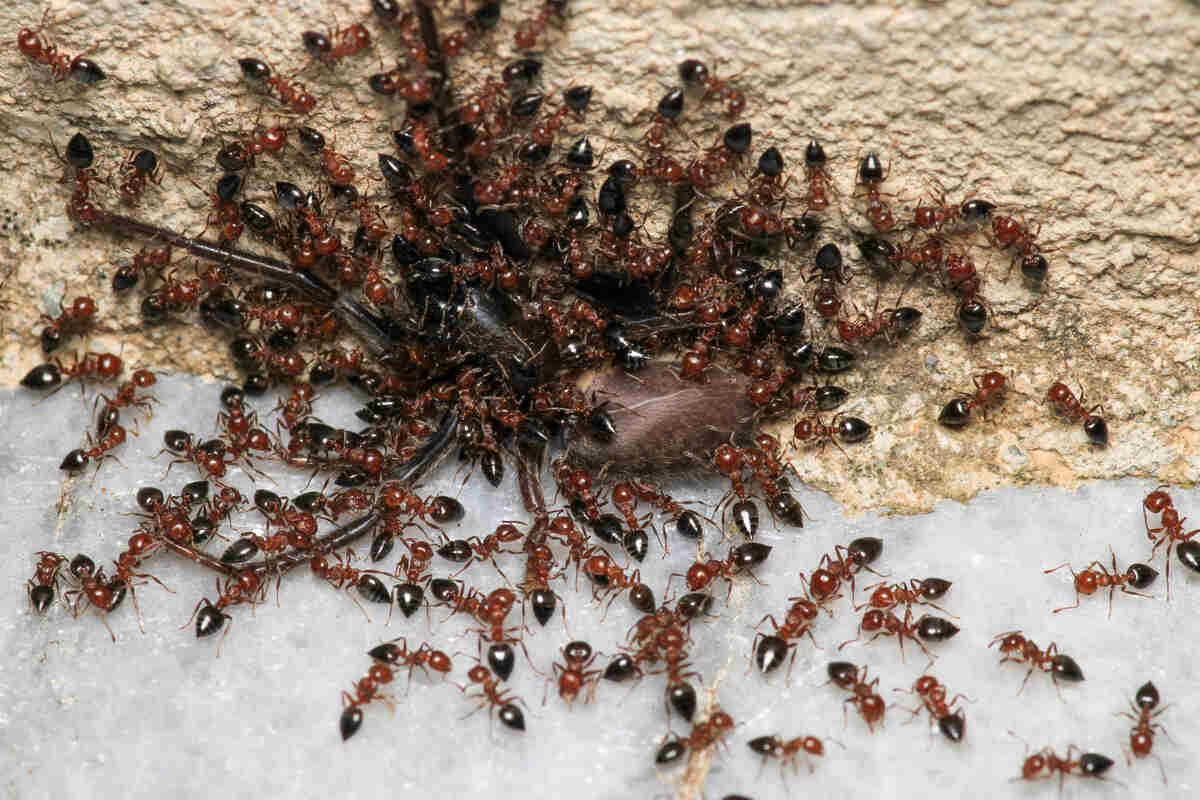
Exterior continuous insulation changes how wall assemblies perform, but its influence extends beyond energy efficiency. By shifting the dew point outward, it keeps structural framing warmer and drier through Canadian winters, reducing the conditions that attract moisture-dependent insects and rodents.
For architects, contractors and property managers pursuing high-performance enclosures, understanding how insulation type, moisture management and transition detailing affect pest risk is part of building right. Choosing the wrong system, or detailing it poorly, can quietly invite the very infestations your clients want to avoid.
How Exterior Insulation Shifts Moisture and Temperature in Wall Assemblies
Continuous insulation applied to the exterior of a wall assembly moves the dew point outward, away from structural framing. Condensation within a wall cavity creates the moisture conditions that wood-boring insects and decay fungi need to establish, so keeping framing dry is the first line of defense.
Building Science Corporation’s guidance on EIFS assemblies establishes that moisture-related failures in wall systems are most commonly traced to inadequate drainage detailing and air barrier discontinuities, not the insulation material itself. A drier wall is a more durable wall and one that offers far less biological incentive for pest colonization.
Key benefits of exterior continuous insulation for pest prevention:

Get the Green Building Project Checklist
Use this handy checklist on your next project to keep track of all the ways you can make your home more energy-efficient and sustainable.
- Keeps structural framing above the dew point, reducing moisture-damaged wood that attracts carpenter ants
- Eliminates cold spots inside the wall cavity where condensation would otherwise collect
- Reduces thermal bridging through studs, lowering the risk of localized moisture accumulation
- Extends the service life of structural components by removing the decay insects use as nesting material
Ontario Seasonal Pest Calendar
Ontario’s climate creates year-round pest pressure, with distinct seasonal peaks tied directly to temperature and moisture swings. Here’s what pests residents in Ontario have to be aware of month by month
| Season | Months | Dominant Pests | Primary Entry Points |
| Winter | Jan–Mar | Mice, rats | Foundation gaps, utility penetrations, soffit edges |
| Spring | Apr–May | Carpenter ants, spiders | Moisture-damaged wood, sill plates, and cladding transitions |
| Summer | Jun–Aug | Wasps, mosquitoes, bedbugs | Rainscreen cavities, ventilation gaps |
| Fall | Sep–Nov | Mice, rats, stink bugs | Foundation transitions, cladding gaps, roof edges |
Winter (January to March) – Rodents seek thermal refuge inside walls and crawlspaces, entering through gaps as small as 6mm. A survey conducted at the Canadian Institute of Public Health Inspectors (CIPHI) conference in November 2024 found that 62 percent of Canadian public health inspectors reported a change in the frequency of rodent sightings over the preceding three years, with homes and apartment buildings identified as the highest-risk environments.
Spring (April to May) – Carpenter ant activity surges as temperatures rise. These insects target wood with elevated moisture content, making any framing that has experienced condensation cycles a prime nesting candidate.
Summer (June to August) – Wasp colonies expand into ventilated cladding cavities, establishing nests inside rainscreen gaps that lack insect screening. Bed bug reports also spike during peak travel months.
Fall (September to November) – The second rodent wave begins as outdoor temperatures drop. Buildings with unsealed foundation transitions and utility penetrations remain vulnerable every cycle, which is why seasonal inspection matters as much as initial construction detailing.
To give an idea of the scale of the pest infestation problem, at the institutional level and just in the Ottawa-Gatineau region, Public Services and Procurement Canada recorded 549 confirmed pest incidents across 93 Crown-owned buildings between April and November 2025. Pests mentioned in the report included ants, rodents, bedbugs, wasps, bats and birds. No building type is exempt.
Where Poor Detailing Creates Hidden Pest Entry Points
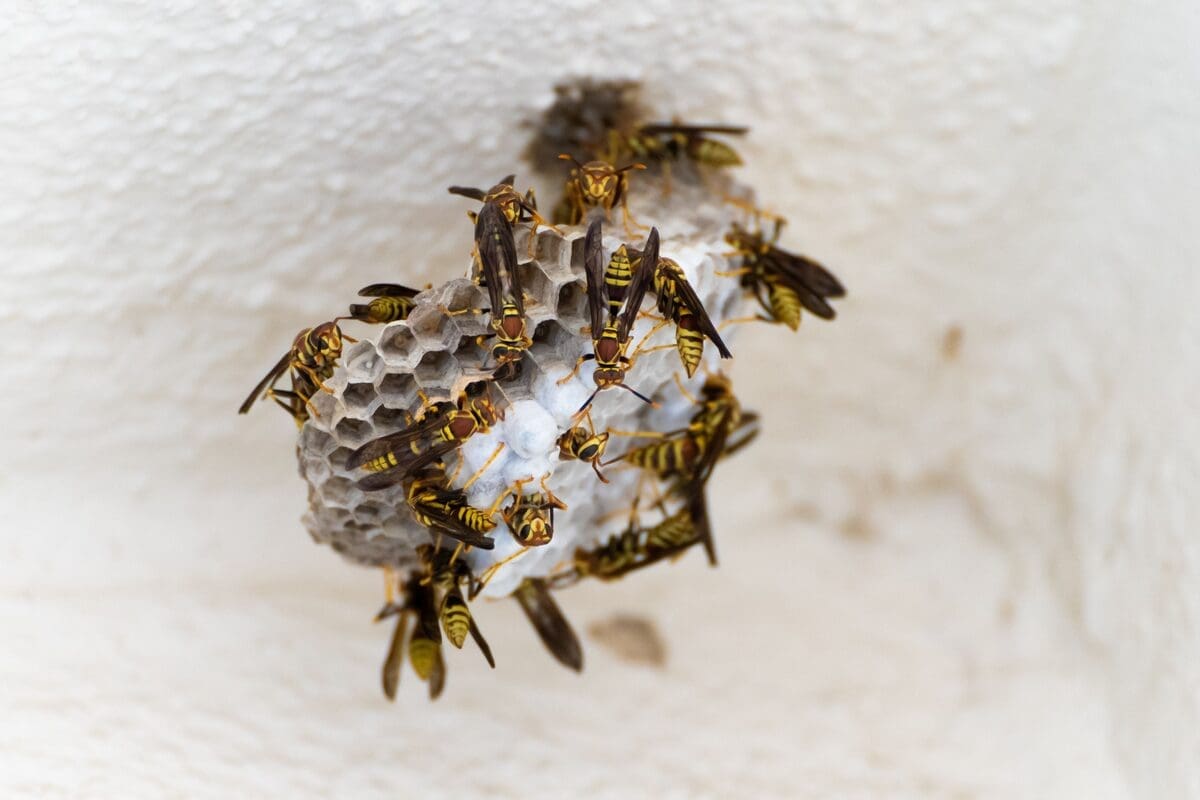
Pest infiltration through exterior insulation systems is almost always a detailing failure, not a materials failure. The four highest-risk transition zones are:
Foundation-to-wall transition – The gap between the bottom edge of rigid insulation and the top of the slab is a direct pathway for rodents and carpenter ants. Proper termination requires metal sill gaskets, closed-cell spray foam, and pest-grade sealant at grade.
Ventilated cladding cavities – The 10mm to 25mm rainscreen gap needs insect-resistant mesh at the base and top. Without it, wasps, birds and small mammals will nest inside the assembly.
Window and door rough openings – Foam backer rod without a pest-resistant sealant leaves gaps that insects exploit as the assembly expands and contracts across freeze-thaw cycles.
Utility penetrations – Pipes, conduit and HRV vents require closed-cell spray foam, not standard caulk. Standard caulk degrades at thermal transitions and rodents can breach it once adhesion fails.
Insulation Type and Pest Risk
Not all exterior insulation materials pose the same pest risk. The table below compares the four most common options used in Canadian construction
| Insulation Type | R-Value / Inch | Water Absorption | Rodent Resistance | Insect Resistance | Best For |
| EPS Rigid Foam | ~R-4 | Low (Higher than XPS) | Moderate | Moderate | Above-grade walls |
| XPS Rigid Foam | ~R-5 | Very low | Moderate | Moderate | Below-grade applications |
| Polyiso | ~R-6 (reduced in cold) | Moderate at edges | Moderate | Moderate | High R-value above grade |
| Mineral Wool (ROCKWOOL ComfortBoard) | ~R-4.2 | Very low | High | High | Renovation, freeze-thaw climates |
EPS and XPS perform well thermally but can be tunnelled by carpenter ants if moisture-damaged, and rodents will gnaw through thin below-grade sections. Polyiso absorbs moisture at cut edges, which elevates risk at grade-level terminations. Mineral wool is the strongest performer for Ontario’s climate: it does not retain water, resists insect tunnelling and handles freeze-thaw movement well.
For homeowners and building owners considering exterior retrofits, exterior insulation delivers greater performance than interior insulation because it minimizes thermal bridging while improving moisture control around the structural frame.
Best Practices: Detailing for Moisture Control and Pest Prevention
Green builders who account for pest management during the design phase avoid remediation costs later. These five specification decisions make the biggest difference:
Mesh all cavity openings – 20-gauge galvanized steel mesh at 1.6mm or smaller excludes most insects; under 6mm blocks rodents.
Extend insulation below grade – Run rigid insulation at least 150mm below finished grade and terminate with parging or steel cladding.
Specify closed-cell spray foam at all penetrations – It adheres to both surfaces, seals the thermal bridge, and resists rodent gnawing.
Design for seasonal movement – Sill plate and foundation transitions open and close every Ottawa winter; use flexible, pest-grade detailing from the start.
Include pest management at design review – Catching high-risk transitions before they are built in costs far less than post-construction remediation.
When the Envelope Isn’t Enough
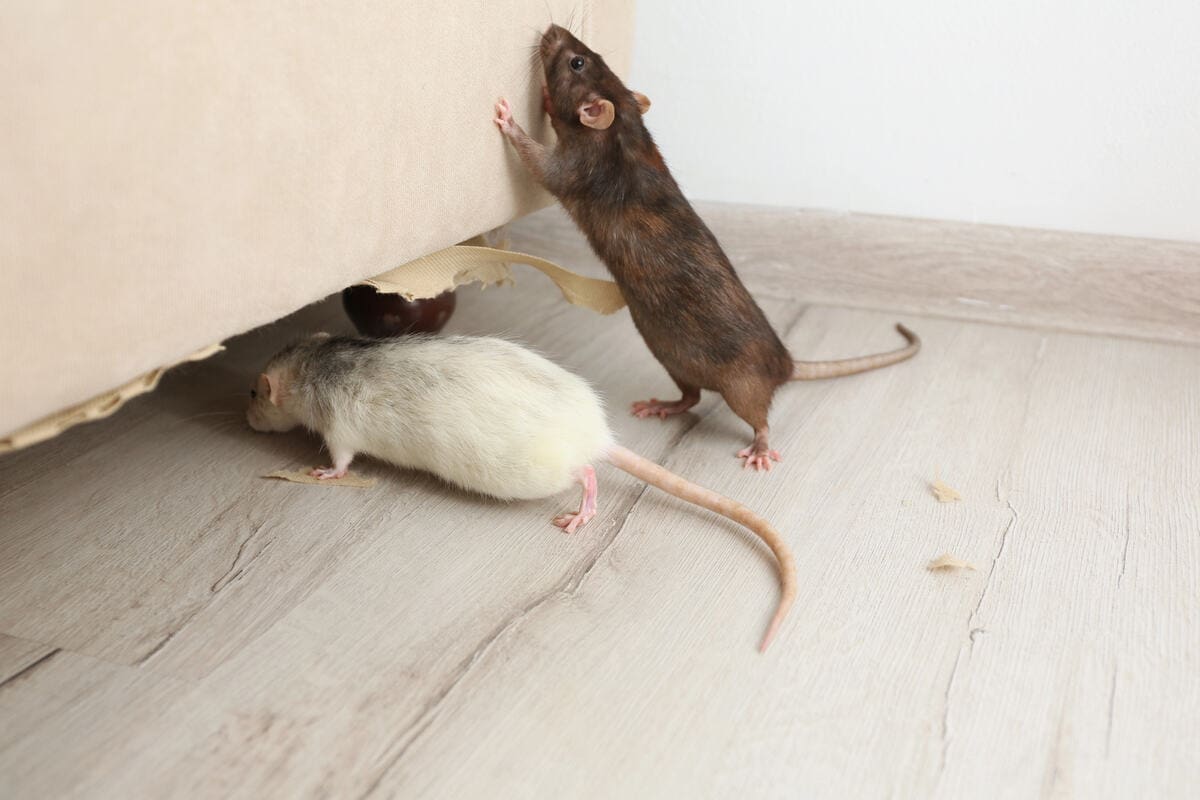
Even a well-detailed exterior insulation system requires ongoing monitoring. Freeze-thaw cycling, settlement and cladding movement can open gaps that were sealed at construction. For property managers, incorporating eco‑friendly pest management as part of broader sustainable operations closes the loop between building performance and occupant health.
Working with a qualified pest control professional during building commissioning and as part of seasonal maintenance gives owners an evidence-based picture of where vulnerabilities remain. A late-spring inspection, when carpenter ants become active and the effects of winter freeze-thaw cycles are visible, provides ground-truth data that no thermal model can replicate.
Exterior insulation systems reduce the conditions that attract insects and rodents when installed correctly. The same assemblies, when transitions are poorly executed, create the hidden voids that pests exploit every season.
For Canadian builders, integrating pest management into envelope design is not an afterthought. It is part of delivering a building that performs as specified.
Images from Depositphotos