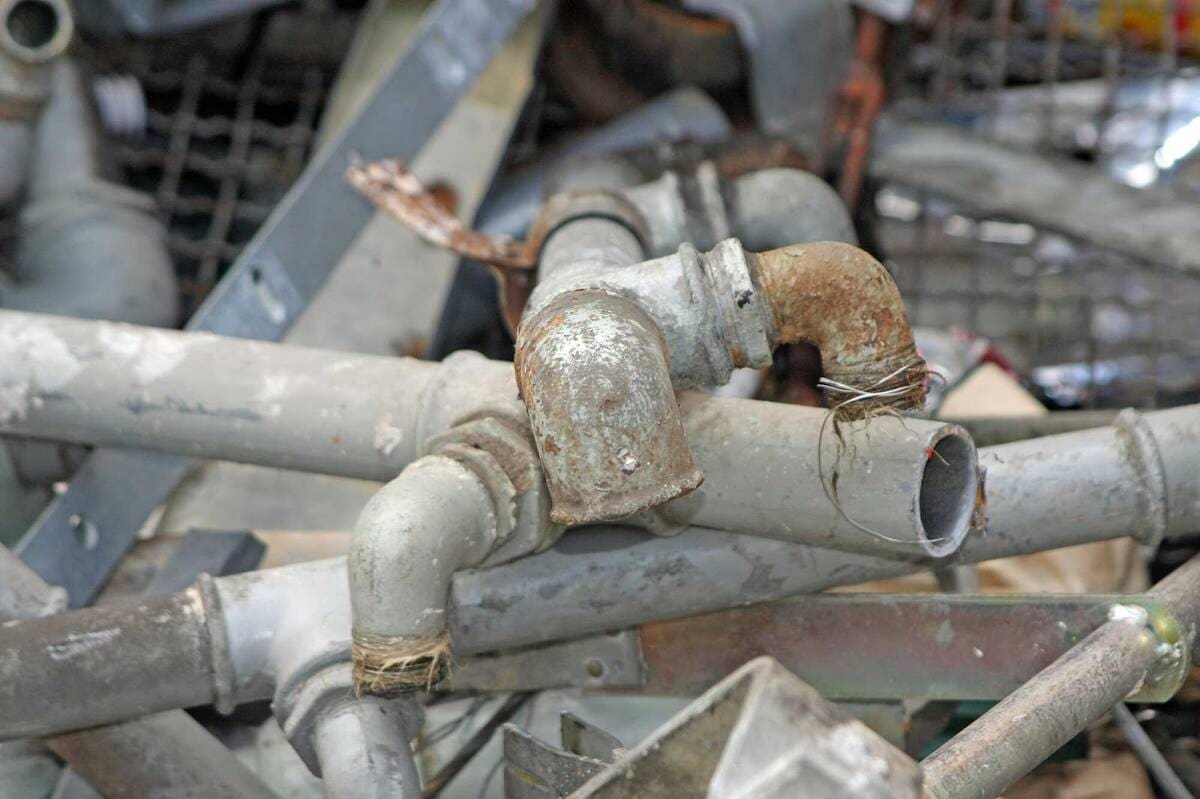
The Environmental Protection Agency (EPA) just announced that all lead pipes in the United States must be replaced within ten years. According to a news release from the EPA, the Biden administration finalized the laws that will require all drinking water systems that currently have lead pipes to be upgraded to new pipes made of materials that do not contain the toxic substance.
According to the CDC, lead is extremely harmful, particularly to children, babies and fetuses, as they can severely disrupt their physical and mental development. Drinking water polluted with lead also has serious consequences for adults.
On the heels of the Flint, Michigan water crisis that saw thousands exposed to lead-contaminated water over the course of many years, the push to eliminate lead pipes from drinking water systems has gathered steam. According to some estimates, this will cost tens of billions of dollars, which will be allocated through the Infrastructure Investment and Jobs Act.
The Infrastructure Investment and Jobs Act commits $50 billion over the course of five years to support drinking water and wastewater infrastructure system upgrades. $15 billion is dedicated exclusively to this purpose, with another $11.7 billion being available if needed as well.
Although this announcement by the EPA is fresh, various communities in Denver and Milwaukee have already started replacing lead pipes thanks to funding from the IIJA, which has allowed close to 400,000 lead pipes to be replaced during Biden’s time in office.
However, the issue is far from resolved, as most homes in older cities built before 1986 have lead pipes. The EPA estimates that up to nine million homes are still served with old lead pipes, with Florida and the Midwest states being in the worst shape.
The replacement of lead pipes is also expected to have an impact on building projects. By prioritizing safer water systems, projects will have to adopt stricter standards in terms of material safety, particularly by using lead-free and sustainable plumbing options.
The Replacement of Lead Pipes and the Impact on the Building Industry

Get the Green Building Project Checklist
Use this handy checklist on your next project to keep track of all the ways you can make your home more energy-efficient and sustainable.
While the environmental and health impacts are both expected to be beneficial, the replacement of lead pipes adds an additional cost to building at a time when costs have already been rising significantly due to rising material and labour costs. Another example of increasing construction costs are coming as a result of new steel tariffs on Chinese imports.
However, as far as the greater green construction industry is concerned, there will likely be an economic uptick due to the increased demand for sustainable building materials that are free of toxic elements, in this case pipes that no longer contain lead.
Many existing structures will need to be retrofitted to meet this new mandate, opening the the door for companies that specialize in green renovations to a play a larger role in the industry in the coming years.
Communities can apply directly to this program for grant funding aimed at lead pipe replacement projects. Additional federal funds are available to assist with these initiatives, and the EPA has created a dedicated website that outlines various funding sources to support these efforts.
Images from Depositphotos