Water is the most precious resource on Earth, yet we don’t treat it that way. The average Canadian uses 329 litres of water a day and 30 percent of that gets flushed down the toilet. Though quite a bit can be done in the home to reduce waste usage. Here we’re looking at six environmentally-friendly plumbing tips that will help you both to save water and ensure your plumbing fixtures last for the longest time possible.
Pay Attention to What You’re Flushing
Although it might seem convenient, you should never flush small items in your toilet. Cotton balls and other paper products might seem to dissolve immediately when flushed, but in reality, these will only accumulate in your pipes and cause significant damage in the long run.
These materials can build up inside your pipes and cause blockages. As a result, your toilet won’t flush properly, or even worse, won’t flush at all.
To prevent this problem from happening, be mindful of the items you or your children are putting in your toilet. Remember that your toilet should flush only two things: pee and poop. Forcing it to flush other items can damage your pipes and cause leaks in your water supply.
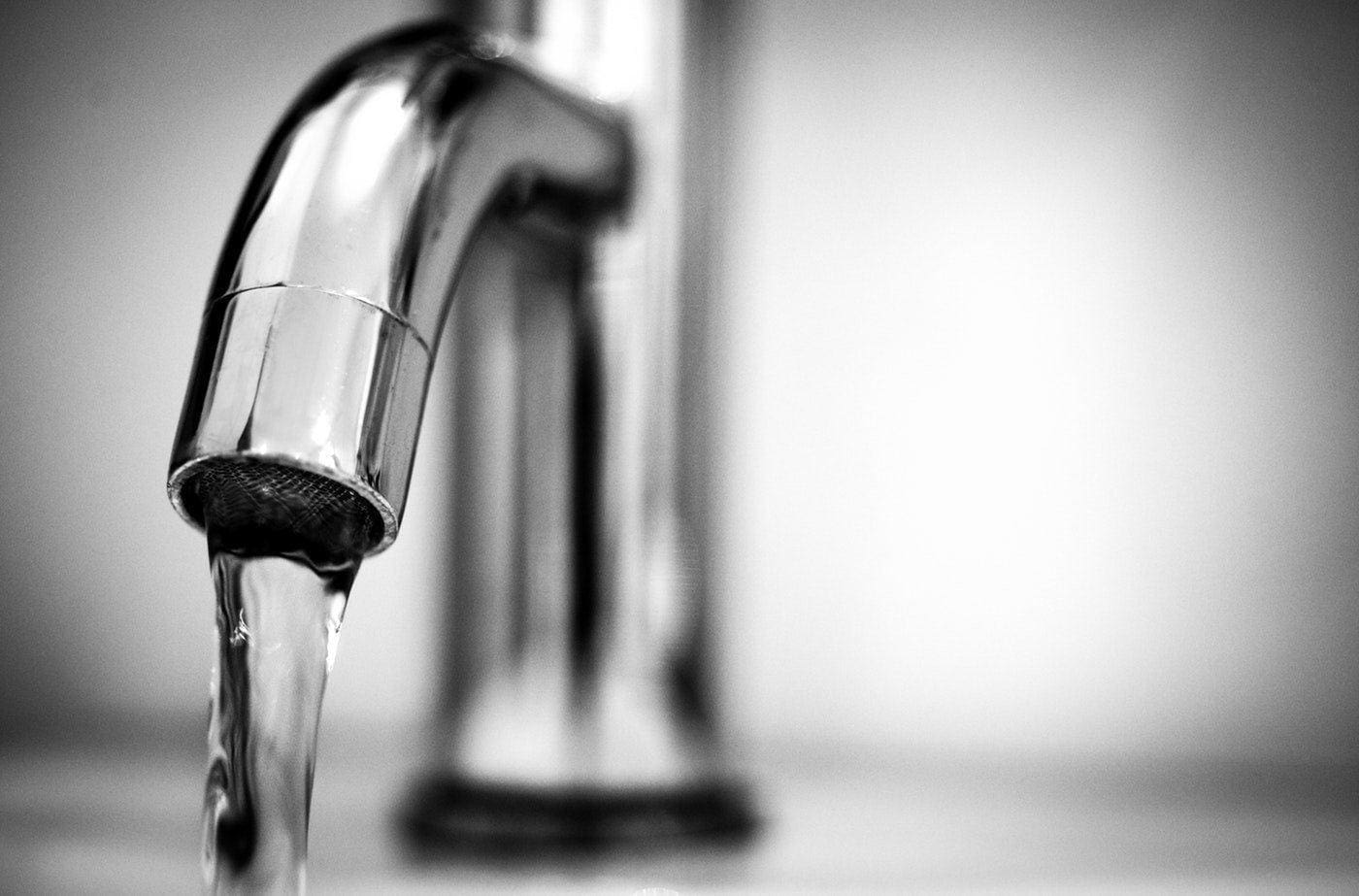
Regarding leaks, think about all the water wastage from your leaking tap. A single dripping tap could waste 5,500 litres of water in a year and all it may take to fix that leak is a new washer.
Invest in a Tankless Water Heater

Get the Green Building Project Checklist
Use this handy checklist on your next project to keep track of all the ways you can make your home more energy-efficient and sustainable.
Traditional water heaters might be cheap but using it for years can lead to higher costs. This kind of water heater works by storing and preheating water inside its tank. As the preheated water circulates in different areas of your home, the tank refills itself and then reheats water again.
This process can result in high energy bills because traditional water heaters work even when no one is using water at home. A traditional water heater works 24/7 to keep the water hot in its tank.
A tankless water heater is a smart investment for your home and the environment. Unlike a traditional water heater, tankless water heaters only warm up water whenever a plumbing fixture is turned on. Using a tankless water heater at home can reduce your electricity bills and lessen your carbon footprint, too.
Choose a Green Plumber
Invest the time to find a plumber who knows ways to save you water. They aren’t only well-trained and well-equipped in repairing the most
complex plumbing problems, these plumbers will also ensure that your
plumbing system saves you money and you’re gradually reducing your water usage.
They can make suggestions on how your plumbing system can be more resource efficient such as something simple like installing low flow faucets to something more involved, like installing a rainwater catchment or greywater system.
Switch to Low-Flow
Many plumbing fixtures are available today to help you maintain an environmentally-friendly home. Aside from using a newer and more efficient water heater, you can also swap traditional shower heads with low-flow shower fixtures.
Traditional shower heads use at least 2.5 gallons of water every minute, while low-flow shower fixtures use less than 2 gallons per minute. The volume of water produced by each fixture varies greatly, with low-flow showerheads being the better, more water-efficient option.
The same can be done with your sinks. Installing faucet aerators will reduce the flow rate of your water significantly.
Reduce Water Pressure
Do you experience any of the following: Leaky fixtures, faucets that spray water forcefully? Noisy water pipes? Malfunctioning appliances? If so, your water pressure may be too high. Leaving this problem will result in an unnecessary loss of water as well as wear and tear on your pipes, fixtures and appliances.
It’s an easy enough fix. You need to test your water pressure (the recommended range is about 30 to 60 psi – over 80 is high) then install a pressure-reducing valve if it’s too high.
Incorporate Technology in Your Efforts
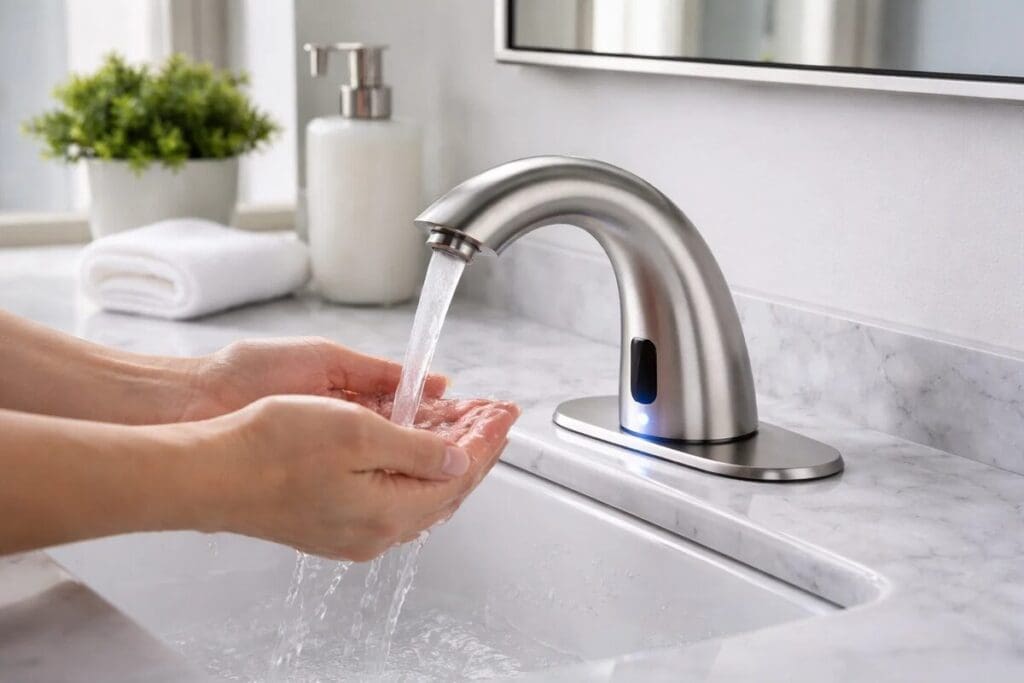
Technology has made it easier for homeowners to make the most out of their plumbing system without causing any damage to the environment. Today, you can install motion sensor faucets or touchless faucets at home. This technology can help you save water and money as faucets will only turn on if your hands come within a few inches of the faucet.
By investing in this technology, you can minimize running water whenever you’re brushing your teeth, washing your face and lathering your hands with soap.
Read more on this topic in Sustainable Plumbing Solutions That Save Water, Energy and Money
Feature image: Skitterphoto; Image 1: Jenna Hamra