There is so much to think about when you’re purchasing a new house and unfortunately, because of this, sometimes it’s easy for your concern regarding the environment to take a backseat. So to help you out by giving you one less thing to worry about, we have comprised a comprehensive list of environmental factors you should consider when buying a house.
First, you must get together all the important property questions you need to ask, in order to give you a good foundation when thinking about the following things.
Water Use
Consider how efficient the house you’re potentially buying is with its water usage, as some older homes might need some adjustments to make them more eco-friendly.
This can be done by installing low-flow toilets and shower heads, as well as aerating faucets, for example. Note that having a quick shower is much better for the environment (and your water bill) than a bath, as it uses less water. If the home you’re thinking of purchasing only has a bath, installing a shower will be a necessary part of a future water-saving strategy.
Solar Location
A great way to make your house more energy-efficient is to install solar panels. While this can be an option for any age or size of home, you may be restricted by the location. Is the roof facing south, east or west? Are there any obstructions like trees that may block the sun from hitting the solar panels? Will you get enough sun to generate a worthwhile amount of energy? The easiest way to check the property’s potential is to use Google Project Sunroof.
Get the Green Building Project Checklist
Use this handy checklist on your next project to keep track of all the ways you can make your home more energy-efficient and sustainable.
While this can be expensive initially, solar panels are a fantastic investment and can save you money in the long run, as well as help the planet.
Commute Options
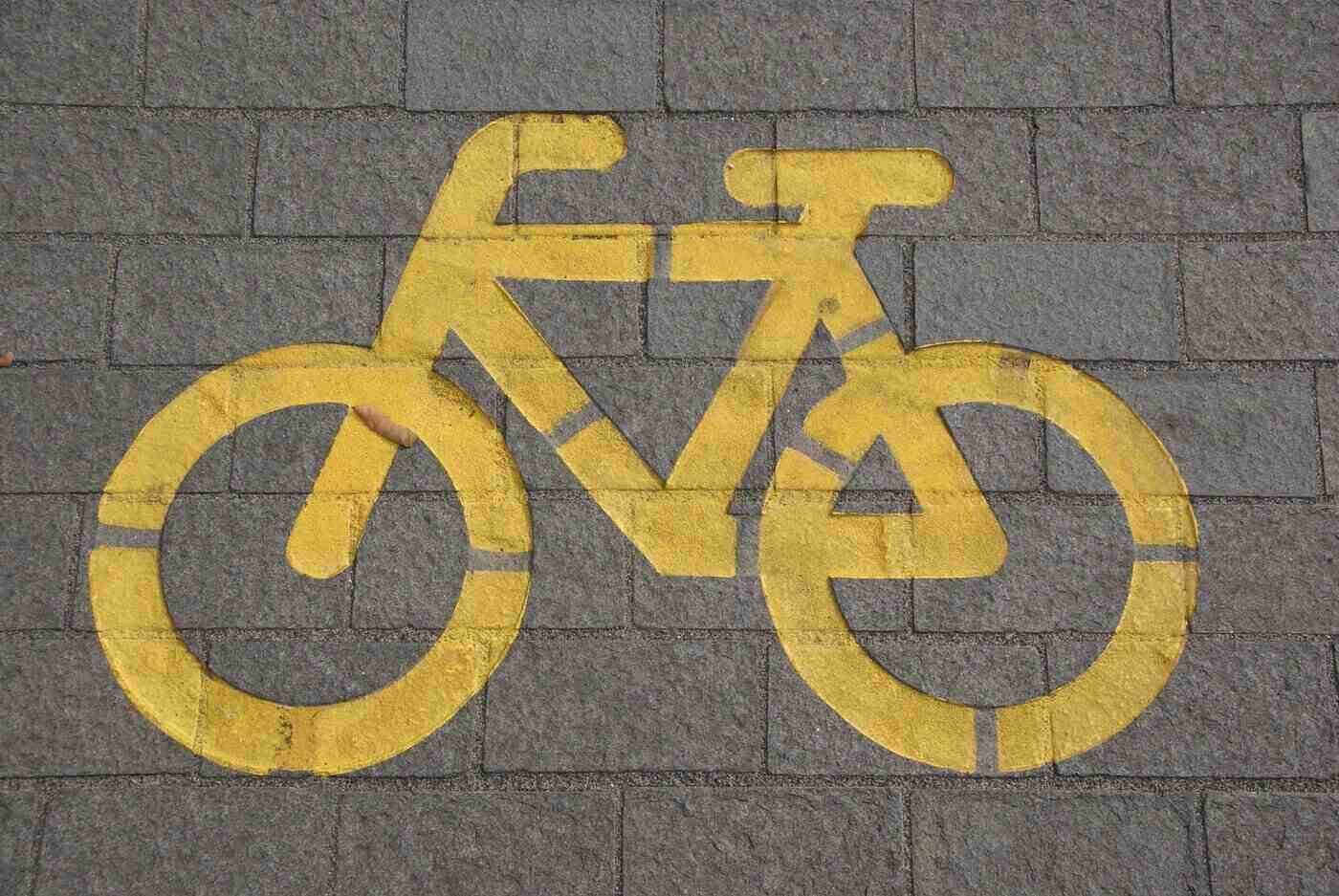
Usually, people will consider the driving time when looking at properties but if you want to live a more eco-friendly lifestyle, you should look at the other transport links available to you.
Living closer to cities opens up the opportunity of cycling to work or using public transport, massively reducing your carbon footprint. Even if you drive to work most days, choosing a more environmentally friendly mode of transport just once a week can help towards living a greener life. If public transportation is out of reach, think about carpooling, or about electric or hybrid vehicles.
Insulation Upgrades
When property viewing, ask yourself: is the home properly insulated? A poorly insulated house can massively increase your energy bills and your energy consumption, as it allows energy to escape go to waste. Both the air conditioning and the heating have to work harder to maintain a comfortable temperature in a house without proper insulation, which can put strain on the HVAC system.
It’s important to have your prospective home inspected and to be prepared to possibly have to increase or replace the insulation to make the home more energy-efficient. Not only should you consider the efficacy of the insulation, but also whether it is made up of eco-friendly materials. Cellulose insulation, for example, is made up of recycled newspapers.
However, if the insulation currently isn’t great, that doesn’t need to be a deal breaker. With a few simple steps, you can usually upgrade your insulation for a relatively low cost. Consider door draft stoppers, thick dark curtains, double glazed windows… whatever is needed for the property in question. With better insulation, the less likely you are to reach for the thermostat, thereby saving you money long term while complementing a sustainable lifestyle.
Has the Seller Used Eco-Friendly Materials?
In addition to eco-friendly insulation, you should also consider the kinds of building materials that have to go towards making your home. Look for salvaged or reclaimed wood, bamboo, recycled steel and natural stone or earthen materials.
Sustainable materials can also help reduce your energy usage, meaning you will rely less on non-renewable resources like oil or gas.
Check for Drafts
In the spirit of reducing your energy consumption, you should also check the building for drafts caused by ill-fitting doors, windows or even unblocked chimneys. Ensure the house has proper ventilation and extractor fans, that draft excluders are installed where necessary and that any gaps are properly filled and unused chimneys blocked up.
As you can see from the above, there are many different environmental factors to consider when buying a house, and this list is just scratching the surface. When investigating your potential new home, be sure to check for these different factors to ensure that you will be living greener in your new place.
Feature image: Wynand van Poortvliet; Image 1: Pixabay