How to Decide Whether Energy Efficient Upgrades Are Worth the Investment
A Practical Homeowner’s Guide to Determining Payback

Renovating for efficiency is not just about being green. It’s also a financial decision connected to your monthly bills and the long-term value of your house. Government figures show that 78 percent of residential energy use in Canada goes towards space and water heating. This one fact explains why upgrades to insulation, windows and heat pumps tend to punch above their weight.
The second key fact is that efficiency already works at scale. According to NRCan efficiency reporting, residential energy use has stayed close to flat since 2000 and efficiency improvements avoided 32 percent additional consumption. In other words, efficiency has quietly offset most of the growth you would otherwise see on utility bills.
Where the Real Payoffs Are
Reduce the Heating Load
This means stopping heat loss before you try to replace the furnace. Typical steps include sealing big air leaks, adding attic insulation, improving basement or slab insulation and upgrading leaky windows. Because space heating is the dominant end use in Canadian homes, every unit of heat you do not need to produce shows up directly as a bill reduction.
Electrify With Heat Pumps

Get the Green Building Project Checklist
Use this handy checklist on your next project to keep track of all the ways you can make your home more energy-efficient and sustainable.
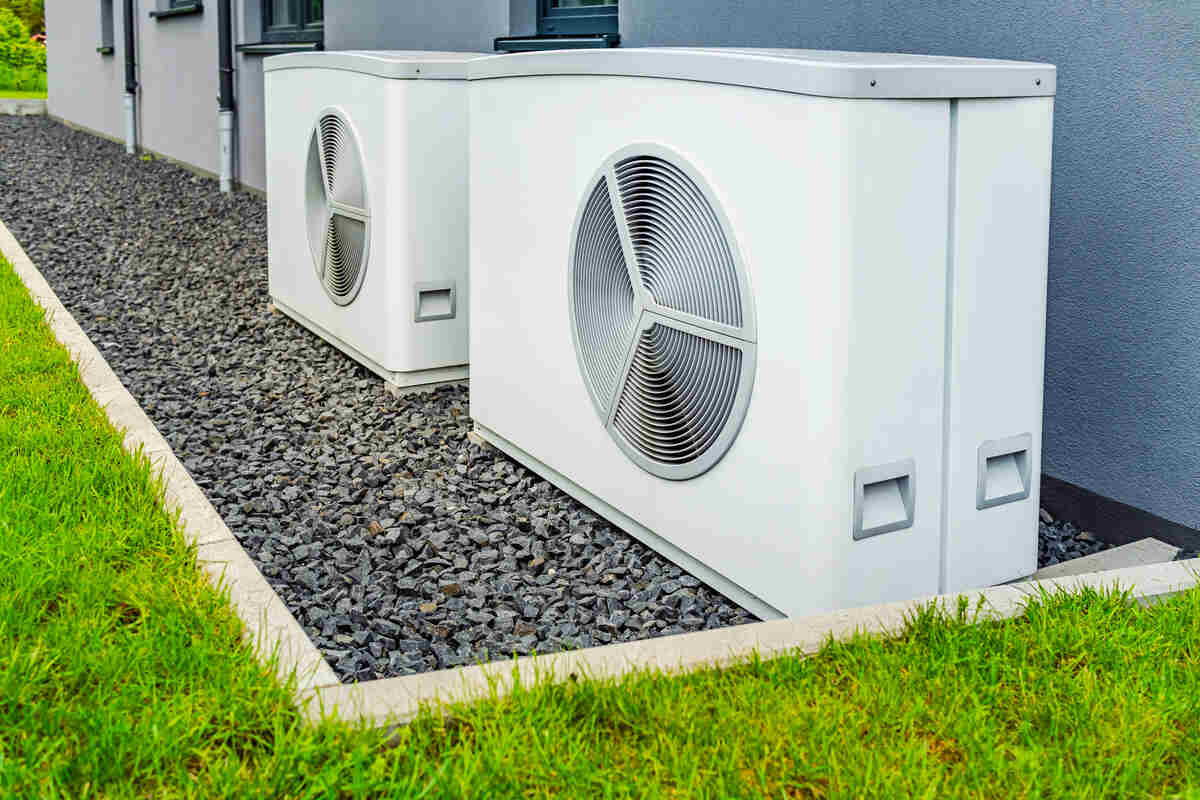
Cold-climate air-source heat pumps have matured and can deliver efficient heating and domestic hot water even in sub-zero conditions. Many provinces are shifting towards a cleaner grid mix over time, so lowering your dependence on combustion in the home can cut operating costs while reducing emissions. There are incentives to help with making this switch. Check out our Incentive Finder for one that’s available where you live.
Control and Operate Wisely
Smart thermostats, zoning and setpoint discipline make envelope and equipment upgrades work harder for you. These measures are relatively low cost and help capture the full value of the bigger investments.
How to Decide if an Energy-Efficient Upgrade Pays Back
Energy-efficient renovations save money by reducing your monthly utility bills. To understand whether a project makes financial sense, estimate the cash flow rather than focusing only on the upfront cost. The basic steps are:
- Estimate the upfront cost (after any rebates or grants).
- Determine how much the upgrade will reduce your monthly utility bills.
- Project those savings forward over the number of years you expect to stay in the home.
For example, if you install a heat pump that costs $9,000 and that heat pump saves you $600 per year in total utility costs (eg. saves $800 in natural gas but costs $200 more in electricity), the simple payback (amount of time it takes for purchase to pay for itself) would be 15 years ($9,000/600).
The payback calculation above is simplified – there are multiple factors to consider when deciding if an energy-efficiency renovation is worthwhile. Here are a few things you’ll want to work into your overall payback calculation.
A big one is energy inflation. Though you may be paying just $1,000 a year in natural gas now, that number will increase over the years.
Consider the future replacement cost. Using the above example, how much would it cost to replace your old furnace with a new furnace as compared to purchasing a heat pump – and how long are their lifespans? If, for example, the heat pump is known to last 20 years and the furnace 10 years, that’s double the cost you’d be spending on furnaces (plus the time, hassle, etc. in replacing them).
Other factors to consider are maintenance costs, financing and whether you will reduce your energy costs further (eg. installing solar to counteract the heat pump’s increased electricity usage).
And those are just some of the financial considerations. There’s a bunch of other non-financial considerations to think about such as reduced carbon emissions, improved comfort, aesthetics, energy independence, convenience and noise.
Beyond looking at just payback, it’s useful to think about the future value of that investment should you have invested the money instead of buying the heat pump. Using the example above, if you invested that $9,000 in a long-term savings account that pays 3 percent interest annually, after 15 years you would end up with $14,000 after 15 years. You can model this quickly using a future value calculator. Enter your estimated annual savings and the number of years you want to evaluate, and it will show how those savings grow into a long-term financial return. This makes it easier to compare different renovation options side by side.
Example 1: Insulation and Air Sealing
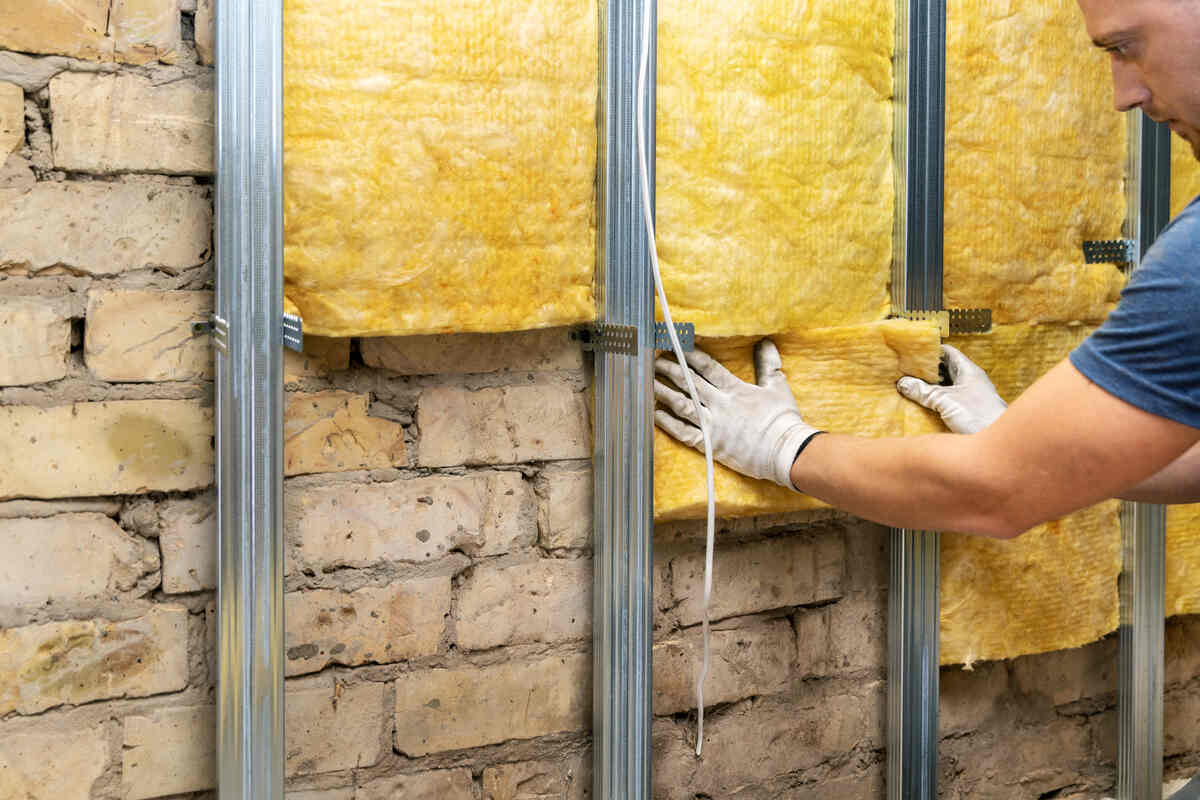
Insulation and air sealing projects cut heat loss at the source. In practice, many older Canadian homes have underinsulated attics, leaky rim joists or poorly detailed basements. Reducing air leakage lowers the heat your system must produce during long heating seasons. Because space heating dominates residential energy use, these load reductions translate into direct savings and comfort. A good rule of thumb sequence is to air seal first, then add insulation where it is thinnest or missing, then right-size the heating system afterward.
How to Estimate the Payback
- Ask an energy advisor for an audit to quantify air leakage and R-values
- Get quotes for air sealing and insulation measures
- Estimate the reduction in annual heating energy, then multiply by your local fuel or electricity rate
- Project those savings over your expected time in the home
Comfort and moisture control benefits often show up immediately. Drafty rooms feel warmer at lower setpoints and ice damming risk is reduced with better attic insulation and air control.
Example 2: High-Performance Windows
Windows affect heat loss, drafts, solar gains and condensation. In colder regions, higher performance glazing reduces heating demand and improves comfort near glass. Financially, the case depends on how leaky and inefficient your current units are. If you are already replacing windows for durability or aesthetics, choosing higher performance models adds incremental cost but can save energy for decades. To understand the long-term benefit, estimate the likely reduction in space-heating energy and run a 15- to 20-year savings projection.
Key point – The biggest mistake with windows is replacing them without fixing air leakage and insulation elsewhere. Tackle envelope weaknesses in the order of impact so the numbers work in your favour.
Example 3: Heat Pump vs Furnace
Heat pumps move heat rather than make it. In most Canadian locations, modern cold-climate air-source heat pumps achieve high coefficients of performance and can be cost-competitive with delivered oil or propane. Paired with a tighter envelope, a right-sized heat pump can reduce bills and emissions. Recent federal reporting underscores that switching from oil to a heat pump significantly lowers energy costs and emissions, especially when combined with envelope improvements.
How to Make the Comparison
- Ask contractors to size systems based on a load calculation, not rules of thumb
- Compare the lifecycle operating cost of your current system to a heat pump under your local electricity and fuel rates
- Include maintenance and expected equipment life
- Use a 15-year horizon for the cash-flow comparison and project savings annually
If you supplement with electric resistance strips on very cold days, keep in mind that these run only when needed. The heat pump still covers most hours efficiently.
What About Incentives and Timing
Programs change, so always check current status before you bank on public support (eg. the popular Canada Greener Homes Grant intake ended for new applicants in 2024 and the related Canada Greener Homes Loan portal recently stopped accepting new applications in October 2025). There are other incentives you can look into (see our Incentive Finder), however, you should plan your project to stand on its own financial merits and treat incentives as a bonus.
If you are exploring green mortgages or green upgrade financing, ask your lender about interest rate reductions for energy upgrades or products that allow you to roll retrofit costs into your mortgage. These are not universal, but they exist in the Canadian market and can change the cash-flow math when monthly savings offset modest payment increases. Read our roundup of 9 Green Loans and Mortgages You Can Use to Finance Your Green Building Project for some options you can look into.
Risks to Watch
Over-sizing
If you do envelope work first, your heating load will drop. Sizing the new system as if nothing changed can result in higher upfront cost and lower efficiency.
Sequence and Scope Creep
If you do windows before air-sealing and attic work, you may end up spending more for less savings. Sequence upgrades for maximum impact per dollar.
Incentive Dependence
Because incentives come and go, make sure your project still makes sense without them. Treat them as a cushion rather than the core of your business case.
Build Your Own Numbers in One Afternoon
- Get a baseline – Pull a full year of bills for each energy source you use. Note total kWh of electricity and cubic metres or litres of fuel. If you have a smart meter or green button data, use it to understand winter versus summer usage.
- Identify the top one or two measures – For most homes, it is envelope work plus a major system decision. With Canada’s cold winters, focusing on improving heating load pays back.
- Estimate annual savings conservatively – Use audit results or contractor estimates to estimate percentage reductions. If you are unsure, run a low and a high case.
- Project the savings – Calculate payback (see above section: How to Decide if an Energy-Efficient Upgrade Pays Back) then account for additional. Enter your monthly savings and your time horizon into a future value calculator to see how quickly the totals add up and what your break-even looks like.
- Consider non-energy benefits – Comfort, quieter operation, better indoor air quality and resilience during outages are real values. Buyers increasingly notice these features.
WATCH || Payback calculation on a heat pump
Images from Depositphotos