5 Energy-Efficient Home Lighting Upgrades Every Homeowner Should Know

Upgrading your home lighting is one of the simplest ways to live greener while lowering monthly bills. Small changes in where light is placed, how bright it is and how it is controlled can cut wasted energy in every room. This article outlines clear, practical steps to modernize your lighting.
Start With an Electrical and Lighting Assessment
Before buying new bulbs, look at the whole picture. Which rooms stay lit for hours? Where do you have dark corners that encourage extra lamps? A licensed electrician can review your panel capacity, wiring, and existing fixtures and flag safety issues. They can also suggest efficient layouts, dimming options and control zones that match how the home is used. Good planning keeps upgrades safe, code-compliant and efficient.
Swap to High-quality LEDs Where it Matters Most

Get the Green Building Project Checklist
Use this handy checklist on your next project to keep track of all the ways you can make your home more energy-efficient and sustainable.
LEDs are significantly more energy-efficient than other types of lighting. Compared to incandescents, LEDs use about 90 percent less energy to produce the same amount of light, according to CSK Electric. It’s not just incandescents that are worth changing. Also switch out your halogen, CFL and tired cans to LED. Be sure to select ENERGY STAR products to avoid flicker and early failure. Aim for warm white in living areas, around 2700K to 3000K, and 90+ CRI where colour matters. Prefer beam spreads that bathe surfaces, not hotspots.
In wet zones, pick rated trims. For long hours, consider fixtures with integrated drivers tested as a system. Where you want flexibility, choose standard bases with high-quality lamps you can replace.
Use Smart Controls That Actually Save
Pair dimmers with compatible LEDs and cap their output around 70 to 80 percent to cut use without noticing a change in comfort. Add vacancy sensors in closets, laundry rooms and kids’ spaces so lights turn off when everyone forgets.
Put daylight sensors near bright windows so fixtures ease back when the sun is doing the work. Be sure to also use smart switches for built-in fixtures, then reserve smart bulbs for table and floor lamps that move around.
WATCH || How Smart Lighting Works and Which Products to Use
Use Layers of Light to Reduce Overall Demand
A single bright ceiling fixture often pushes people to overshoot the level of light they need. Instead, build layers. Combine modest ambient lighting with focused task lights and small accent sources.
Under-cabinet strips in the kitchen mean overhead fixtures can run at lower levels. Reading lamps near chairs take pressure off bright general lighting. By putting light only where work happens, you cut total wattage while making rooms more comfortable to live and work in.
Design With Daylight as the Foundation
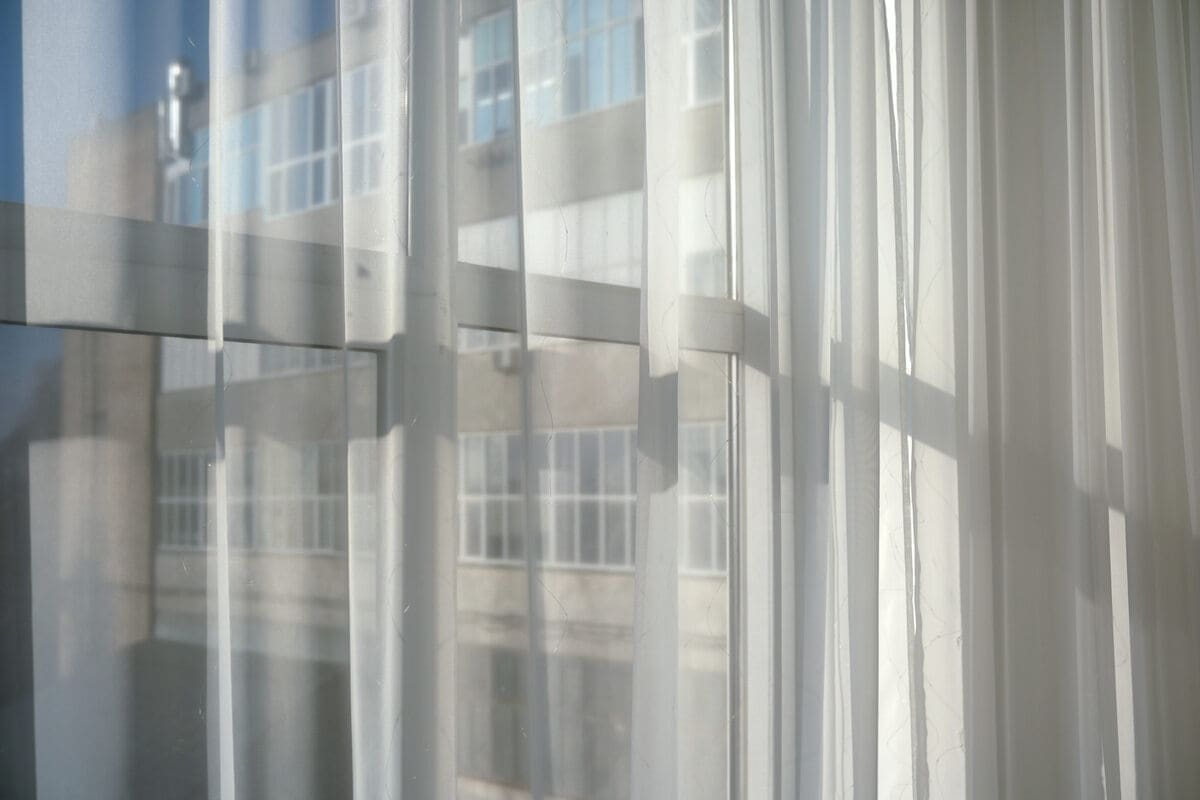
Natural light still beats every bulb. Clean windows and swap heavy drapes for lighter layers with privacy where required. Use mirrors to pull light deeper and be sure to choose translucent shades that spread, not block.
Exterior entries and paths should use shielded fixtures and motion control to cut waste and glare. In work areas, put desks near windows so screens sit sideways to daylight. Eyestrain drops, and the space feels larger.
Read more on this topic in Daylighting 101 : How to Get the Most Natural Light into All the Rooms of Your Home
Images from Depositphotos