
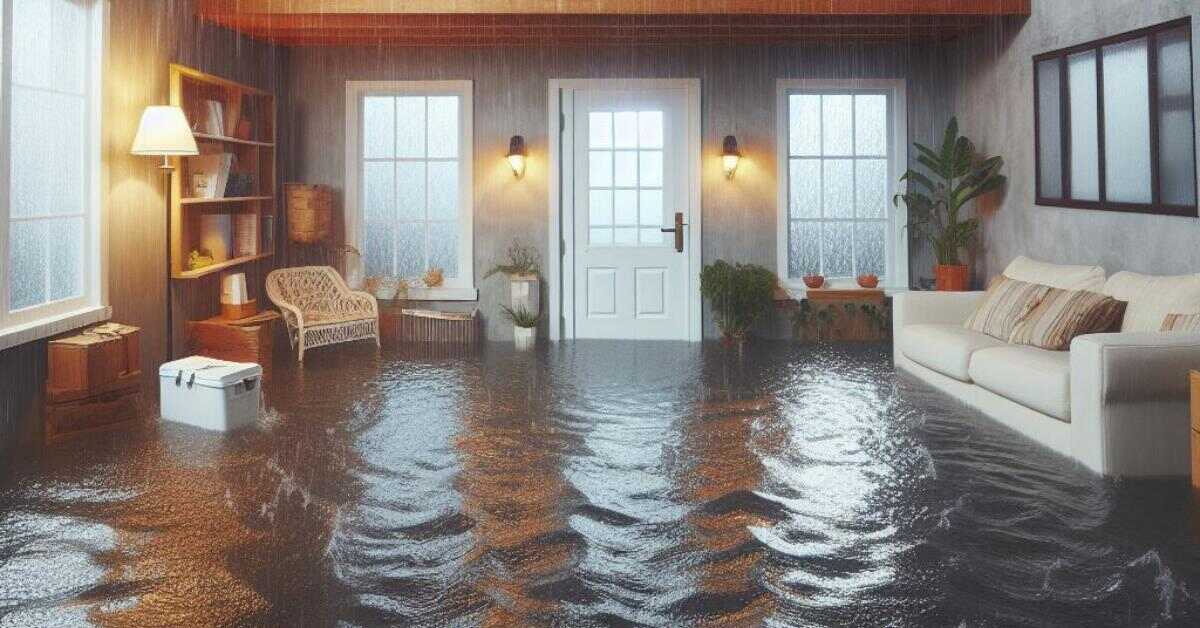
Have you ever received a late-night call from a tenant reporting a leaking roof during a storm? Or perhaps a message about a broken heating system in the middle of winter? If you’re involved in property management, these scenarios are realities that require immediate attention.
But how do you ensure your response to these emergencies keeps your tenants safe and satisfied, while also protecting your property? Let’s find out.
What is Emergency Maintenance?
Emergency maintenance refers to any repair or issue that poses an immediate threat to the property, its occupants, or both. This can range from plumbing and electrical problems to structural damages or security breaches. The primary goal is to address these issues promptly to minimize damage and ensure the safety and comfort of tenants.
Identify and Prioritize Emergencies
Understand what is considered a maintenance emergency. Emergencies are issues that pose immediate risks to safety, health, or property. This can include:
- Water leaks
- Electrical hazards
- Heating or cooling system failures
- Gas leaks
Strategies for Emergency Maintenance in Property Management
Get the Green Building Project Checklist
Use this handy checklist on your next project to keep track of all the ways you can make your home more energy-efficient and sustainable.
1. Preparation is Key
The first step in effectively handling emergency maintenance is preparation. This includes having a well-defined emergency response plan, a list of reliable contractors and an effective communication system in place.
Emergency contact information – Ensure tenants have access to a 24/7 emergency contact number. This could be a dedicated phone line managed by your property management team or a third-party service provider.
Prioritization – Develop criteria for what constitutes an emergency and communicate this to your tenants. This helps manage expectations and ensures that true emergencies are addressed promptly.
Vendor relationships – Build a network of trusted contractors and service providers who can respond to various emergencies at any time. Having multiple contacts for each type of repair ensures you’re not left scrambling if your go-to person is unavailable.
Consider a residential complex that experienced a major water leak. The property management had a detailed emergency response plan, which included immediate steps to turn off the water supply, contact a plumber, and inform tenants about the situation. Because of this preparation, the leak was fixed within hours, and the impact on tenants was minimized.
2. Effective Communication
Effective communication is crucial during an emergency. Tenants should be informed about what’s happening, what measures are being taken, and how they can contribute to resolving the issue. Once the repair is completed, follow up with the tenant to ensure the issue is resolved to their satisfaction. This not only shows you care about their comfort but also helps catch any unresolved issues.
In a case where an apartment’s heating system failed during a cold spell, the property management quickly notified tenants via text messages and emails, explaining the situation and providing an estimated time for repair. They also provided tips on how to stay warm and offered temporary heaters to the affected units. This proactive communication helped maintain a good relationship between the tenants and the management.
3. Quick and Efficient Response
It’s important to ensure your building remains in optimal condition. When an emergency occurs, a quick and efficient response is essential. This means having a property management team ready to assess the situation, determine the best course of action, and execute the necessary repairs.
For example, when a residential building encountered a sudden blackout, the property management team immediately dispatched an electrician, who identified a faulty breaker as the culprit. Within a few hours, power was restored, demonstrating the importance of a rapid response in emergencies.
4. Incorporating Technology
Technology can play a significant role in managing emergency maintenance. Using property management software, for instance, can streamline the process of reporting issues, tracking repair progress, and communicating with tenants.
When property management companies use a mobile app it allows tenants to report emergencies directly. This system not only speeds up the notification process but also enables the management team to monitor the status of repairs in real-time, ensuring that issues are resolved efficiently.
Emergency Maintenance at Home: DIY vs. Professional Help
Property managers vary considerably in their maintenance expectations of tenants. On the one end of the spectrum, there are property managers who only ask their tenants to take care of the lawn, while others provide a list of several tasks they should handle on their own.
With the proliferation of DIY tutorials and videos online, tenants can easily access the knowledge needed to handle a range of home repair tasks. Since you wouldn’t want a DIYer handling repairs on your property, it can be helpful to inform tenants that while some minor repairs can be handled on their own, more complex or dangerous issues should always be addressed by a professional, which you will arrange. Attempting to fix something beyond their expertise can lead to further damage or personal injury.
Below is a list of common home problems, detailing which they could safely tackle themselves and which should be left to the professionals. It could be helpful to provide them with this list or mention to them in general the kind of things they can handle and what they should call you for, so as to set clear expectations.
DIY Maintenance and Repairs
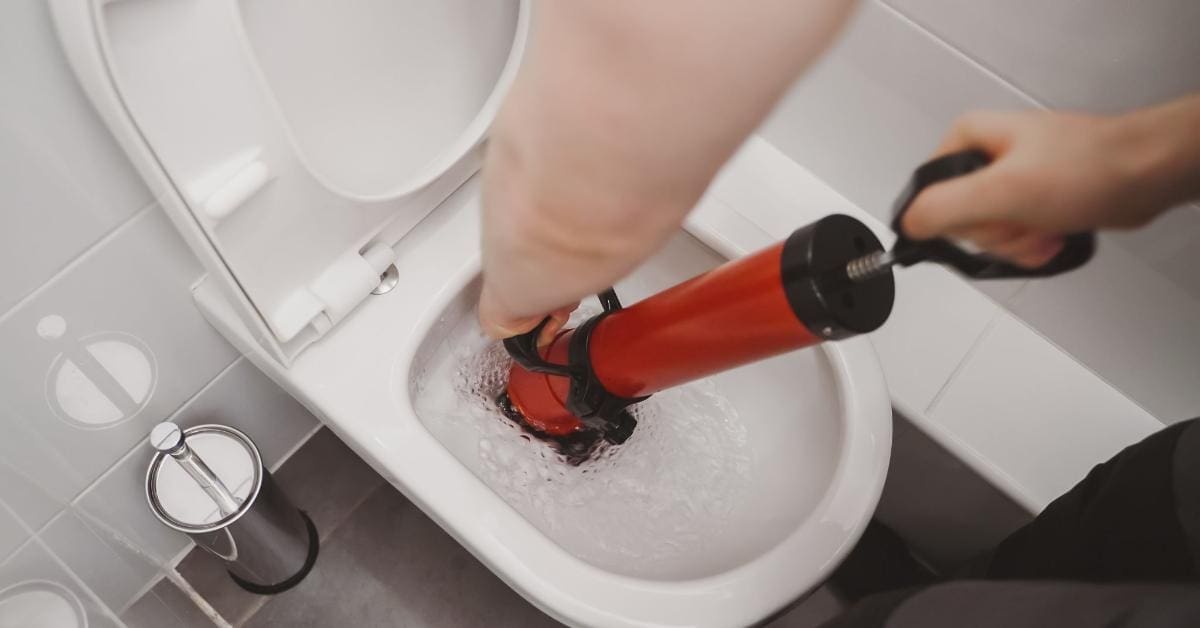
Clogged drains – Simple clogs in sinks or showers often can be cleared with a plunger or a plumber’s snake. Baking soda and vinegar can also be effective for minor blockages. For larger blockages you can remove the sink trap to easily remove all the blocked up hair and other gunk.
Resetting a tripped circuit breaker – If your home loses power in a specific area, check your circuit breaker. A tripped breaker can be reset by flipping it off and then on again.
Replacing HVAC filters – Regularly changing or cleaning the air filters in your HVAC system is a simple task that can improve air quality and system efficiency.
Situations Needing a Professional
Gas leaks – If you smell gas or suspect a leak, evacuate immediately and call your gas company’s emergency line from a safe distance. This is not something to handle on your own due to the high risk of explosion or poisoning.
Major water leaks – Significant leaks or burst pipes, especially those within walls or under the foundation, require professional attention to prevent structural damage and mould growth.
Electrical issues – For anything beyond resetting a tripped breaker, such as flickering lights, frequent breaker trips or installing new outlets, it’s safest to hire a licensed electrician to prevent fire risks or electrocution.
Heating and cooling system failures – HVAC systems are complex and can involve dangerous chemicals (like refrigerants). Professional servicing ensures they’re running efficiently and safely.
Structural repairs – Issues like foundation cracks, significant wall cracks, or problems with load-bearing structures need an expert’s assessment and foundation repair to ensure the integrity of your home.
Preventive Maintenance for Home Emergencies
Preventive maintenance can help avoid many emergencies. Regular checks and maintenance of your home’s systems (heating, cooling, electrical, plumbing) can identify and resolve issues before they escalate. Seasonal maintenance, such as cleaning gutters, checking roof integrity, and servicing your HVAC system, is also crucial.
Insurance and Warranties
Understand your homeowners’ insurance policy and what it covers in terms of emergency repairs. Additionally, keep track of warranties for HVAC and other systems, as these can often cover the cost of repairs or replacements.
Effective emergency maintenance management involves a combination of preparedness, rapid response, clear communication, and the use of technology to streamline processes. By adopting these practices, property managers can ensure that when emergencies arise, they’re ready to act swiftly and decisively, minimizing discomfort for tenants and residents.