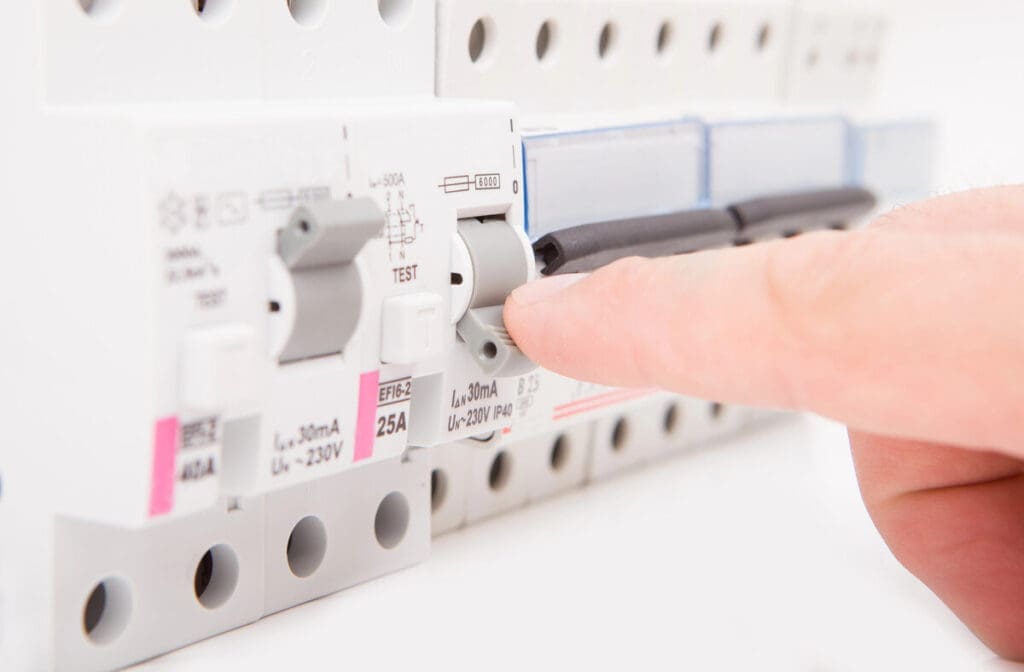
Before You Go All-Electric: What to Know About Your Home’s Wiring

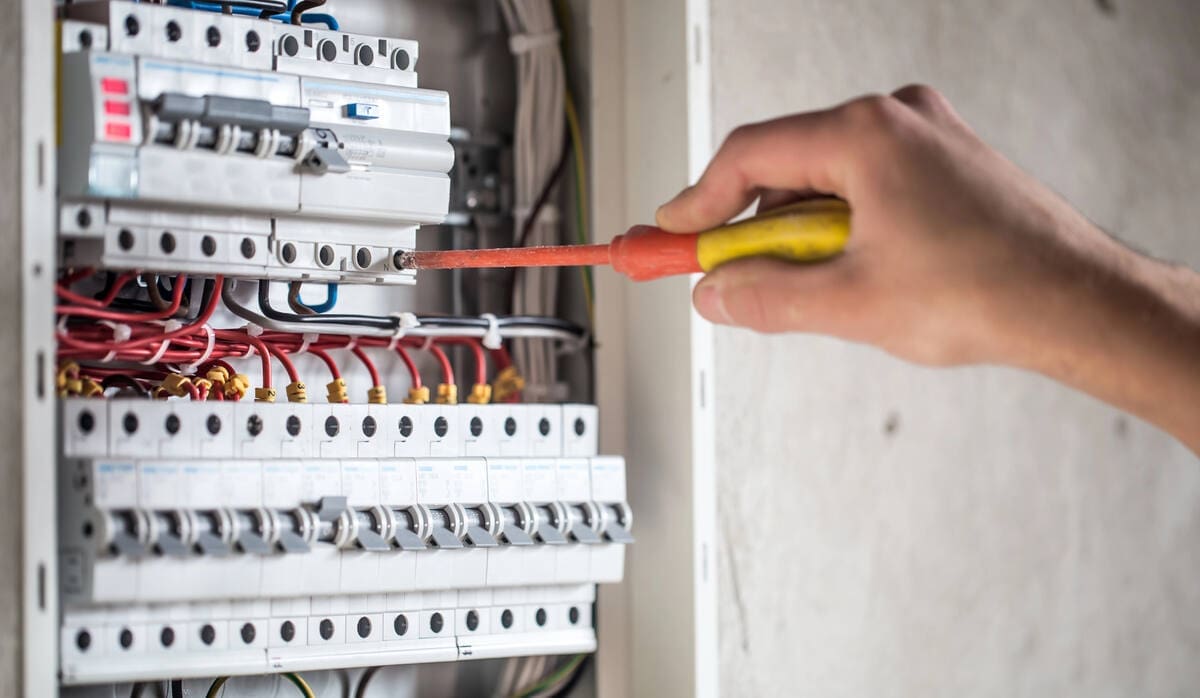
If your house wiring and fuse box are of an age when solar panels, EV charging and heat pumps were distant future dreams, it may well be the right time to upgrade your electrical system to accommodate modern domestic electrical equipment. And this is especially true if you want to transition to an all-electric home.
Thirty or forty years ago, the demand on domestic wiring was very different, and the norm was to fit a 60A main breaker. Modern electrical appliances will overload this archaic wiring, creating significant safety and fire hazards. Consequently, contemporary homes have a 200A main breaker.
To safely support modern electrical equipment, your home’s electrical panel should ideally have a 200 A main breaker. It’s also important to have spare or unused slots for additional breakers or the flexibility to reorganize circuits to make the most of your panel’s capacity. This ensures you can add devices like EV chargers, heat pumps or additional appliances without overloading your system.
How to Tell if You Need to an Upgraded Electrical Panel with Enhanced Capacity
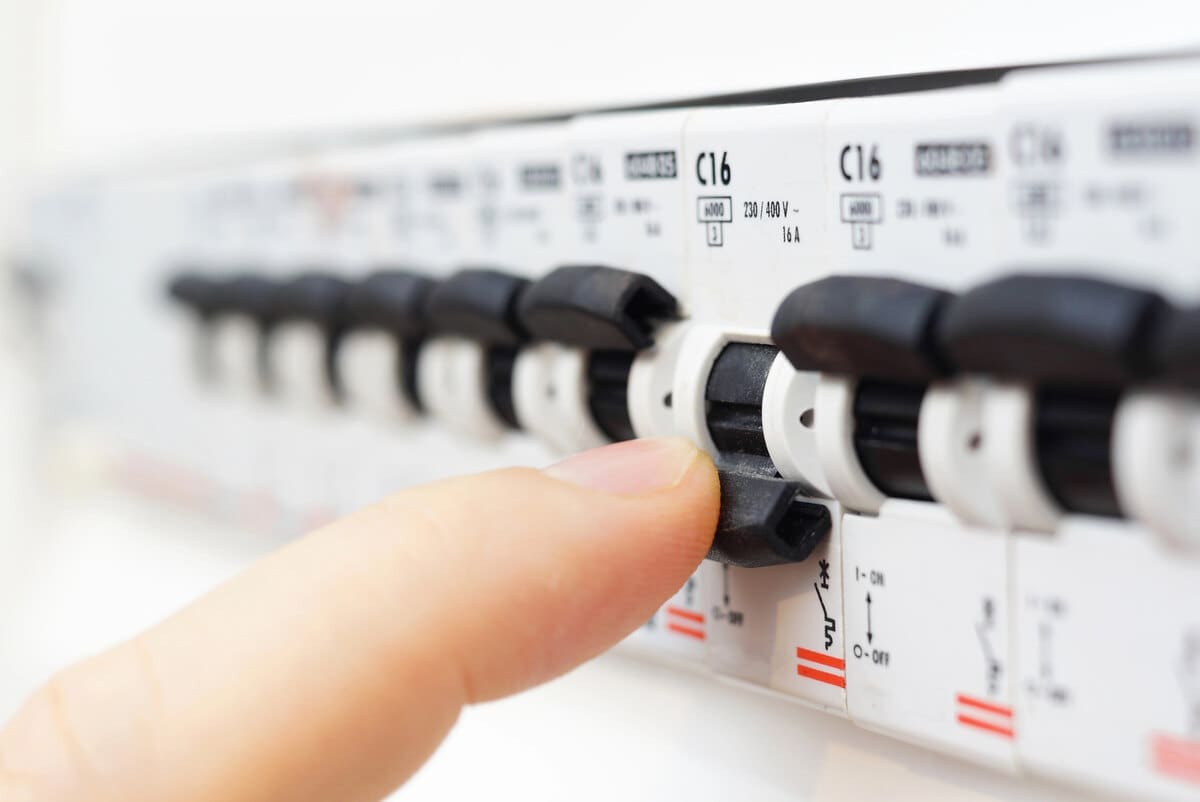
If your current panel has circuit breakers that frequently trip, it is a good indication that an upgrade is required. It may be that the breakers themselves are old or that the circuit is overloaded. Alternatively, the load has increased as additional electrical items have been added. Loose connections, moisture or a ground fault may also be the cause of frequent tripping. As well, a rusting electrical panel needs to be replaced to avoid the danger of shocks or fire.
Get the Green Building Project Checklist
Use this handy checklist on your next project to keep track of all the ways you can make your home more energy-efficient and sustainable.
As electrical panels age, the available slots for breakers become fully utilized, leaving no additional slots available. The tempting short-term solution is to double up on existing breakers, which can lead to the circuit being overloaded.
The old adage of smelling something wrong is very apt for electrical faults. The smell of burning plastic or traces of smoke are indications that repairs are required to your electrical panel. Similarly, melted insulation on wires connected to a particular breaker is a strong indicator that the time for an upgrade has arrived.
Efficient electrical panels are silent, but faulty ones emit a strange buzzing sound, often accompanied by a burning smell, and the panel is hot to the touch. A loose connection could cause this, or the breaker itself may be defective.
Lights that flicker or dim when an additional electrical item is switched on are a clear indication that your circuit is overloaded and needs to be upgraded.
Connecting additional electrical items that may require wiring capable of carrying a higher amperage could result in the existing wires overheating and creating a serious fire risk.
At What Age Does a Home Require an Electrical Upgrade?

The short answer is anything between 25 and 40 years, but if your home has a fuse box instead of an electrical panel, I’m afraid the time for an upgrade has arrived. Fuse boxes don’t comply with modern safety standards, and they certainly won’t be able to handle the additional loads of EV chargers, heat pumps, induction stoves and HVAC systems.
Older homes, and those with fuse boxes in particular, typically operated on 60A wiring, whereas modern homes are equipped with 200A wiring. The result is that the upgrade will entail replacing the wires to accommodate the installation of modern electrical equipment, as the old 60A wiring will not withstand the additional load.
Electrical upgrades to accommodate new items such as EV chargers and heat pumps need to consider the following components.
Panel capacity – To determine the panel capacity of your home, add the power ratings of all the appliances in the house, as well as the power draw for lighting and receptacle circuits.
To get this Volt-Amperes figure use this calculation:
VA = Watts ÷ Power Factor
It’s easy enough to get the Watts of an appliance. To get the power factor look at the label on your device or use a plug-in power meter like a Kill-a-Watt. The power factor for most appliances falls between 0.7-1.0.
If you plan to add new appliances, such as a water heater, this should be included in the total. Once you have the total VA amount, divide it by the voltage (120V) to determine the amperage your main breaker must accommodate. To be safe, a 200A main breaker can handle 80 percent of 200A (160A).
Subpanels – Subpanels help to distribute the electrical load more evenly. You may have added a workshop to your home, and the additional electrical demands of the machinery are more efficiently met by fitting a subpanel. Subpanels are a more cost-effective alternative to a total upgrade, improving energy efficiency while also introducing greater convenience by being positioned close to the electrical items they power.
Load balancing – Dividing the circuits between the two bus bars in a way that evenly distributes the electrical load creates significantly greater energy efficiency and prevents overloading individual circuits. Careful attention to load balancing is crucial when installing new electrical appliances in the home.
Cost Considerations
Upgrading your electrical panel can cost anywhere between $800 and $4,000. For a 200A upgrade, the costs are as follows:
Upgrade panel only – $250 to $350
Panel plus installation – $1,300 to $3,000
New Installation – $1,800 to $2,500
The average price to install a subpanel with a 150A rating is between $600 and $1,750.
Balanced against these costs, the benefits of upgrading your electrical system include:
- Greater safety and diminished risk of fire
- Lower insurance costs
- Increased energy efficiency
- Higher resale value of your home
It’s always best to get quotes from several electrical companies before making a decision. There are always associated costs that need to be checked, so be sure that the quote includes the cost of permits (which range from $50 to $300, depending on your location, as well as additional work that may be required, such as repairing and painting drywall sections where new cabling has been installed.
Electrical upgrades are costly home improvements, so it’s essential to have professional input to determine the exact scope of work required. I’m afraid that DIY won’t be enough here, as regulations require competent and qualified personnel who have passed electrical exams and are licensed to undertake the upgrade and ensure the safety and efficiency of your new system.
Images from Depositphotos