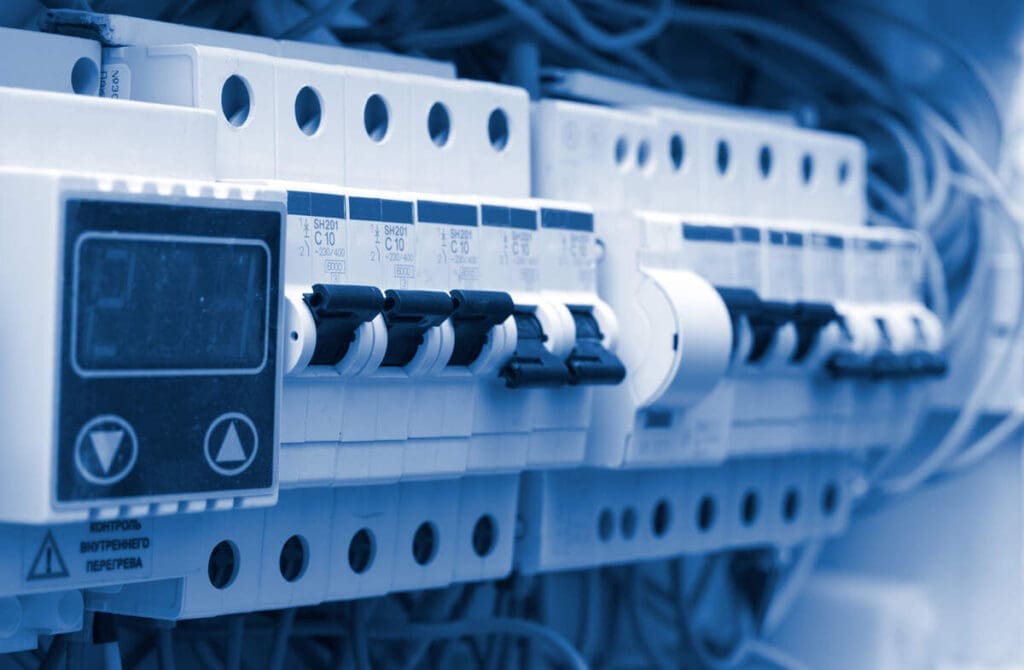
Electrical Capacity
The Overlooked Constraint in Alberta’s Residential Solar Transition
By Paul Hannania, Owner of Panel Upgrade Experts
Published: March 12, 2025

Alberta is entering a period of accelerated residential electrification, driven by rising electric vehicle adoption, cold climate heat pump incentives and sustained volatility in provincial electricity pricing. Residential solar in Alberta is expanding not only as an environmental commitment but as a practical response to operating cost uncertainty and long-term energy resilience.
Yet beneath this momentum lies a structural constraint that receives limited public attention. Electrical service capacity and panel limitations are emerging as primary bottlenecks in scaling solar installations and broader electrification across the province. While photovoltaic technology continues to improve in efficiency and cost effectiveness, the existing electrical backbone of Alberta’s housing stock often lacks the capacity required to support modern energy loads.
A sustainable transition cannot advance faster than the infrastructure that supports it.
Legacy Service Design
A significant portion of Alberta’s detached housing was constructed between the 1960s and 1990s. Many of these homes were built with 60 amp or 100 amp service, reflecting an era dominated by gas heating, gas water heaters and relatively modest plug loads. Electric ranges were common, but few other systems demanded substantial electrical capacity.
Service panels were sized for immediate needs, not long term electrification. Breaker space was limited. Grounding systems often met the code requirements of the day but lacked the redundancy and robustness expected under modern standards. Future scalability was rarely a design priority.

Get the Green Building Project Checklist
Use this handy checklist on your next project to keep track of all the ways you can make your home more energy-efficient and sustainable.
In Alberta’s cold climate, load stacking presents a particular challenge. Winter electrical demand can rise sharply when heat pumps operate near their lower temperature thresholds and activate electric resistance backup. At the same time, lighting loads increase due to shorter daylight hours and electric vehicle charging frequently occurs overnight during extended cold periods.
These overlapping demands were not anticipated in earlier service designs. A 100 amp service that performed adequately under a gas heated regime can quickly approach its limit once multiple electric systems are introduced.
Electrification Load Multipliers
Electrification multiplies load in ways that are not always intuitive to homeowners. A Level 2 electric vehicle charger commonly requires a dedicated 40 to 60 amp circuit. A cold climate air source heat pump paired with auxiliary electric strip heat can add substantial peak demand during extreme conditions. Induction cooking, electric wall ovens and underfloor heating contribute further incremental load.
In Alberta, where winter temperatures routinely fall well below freezing, design calculations must consider worst case operating scenarios. Electrical load calculations under the Canadian Electrical Code incorporate demand factors, but they also require accurate accounting of fixed appliances, space heating equipment and continuous loads. When these calculations are applied to legacy 100 amp panels, available headroom often disappears.
The result is not necessarily immediate failure. Instead, it is constrained flexibility. Homeowners may find that adding an EV charger requires load management devices. Heat pump installations may trigger panel replacement. Kitchen renovations can necessitate service upgrades if new appliances exceed existing capacity.
Winter peak demand stacking is particularly relevant in Alberta’s grid context. Provincial electricity supply remains largely market driven and historically dependent on natural gas generation. During prolonged cold snaps, system demand increases across the province.
Electrifying homes without ensuring adequate service infrastructure can shift bottlenecks from the grid to the dwelling level.
Solar Integration and Service Constraints
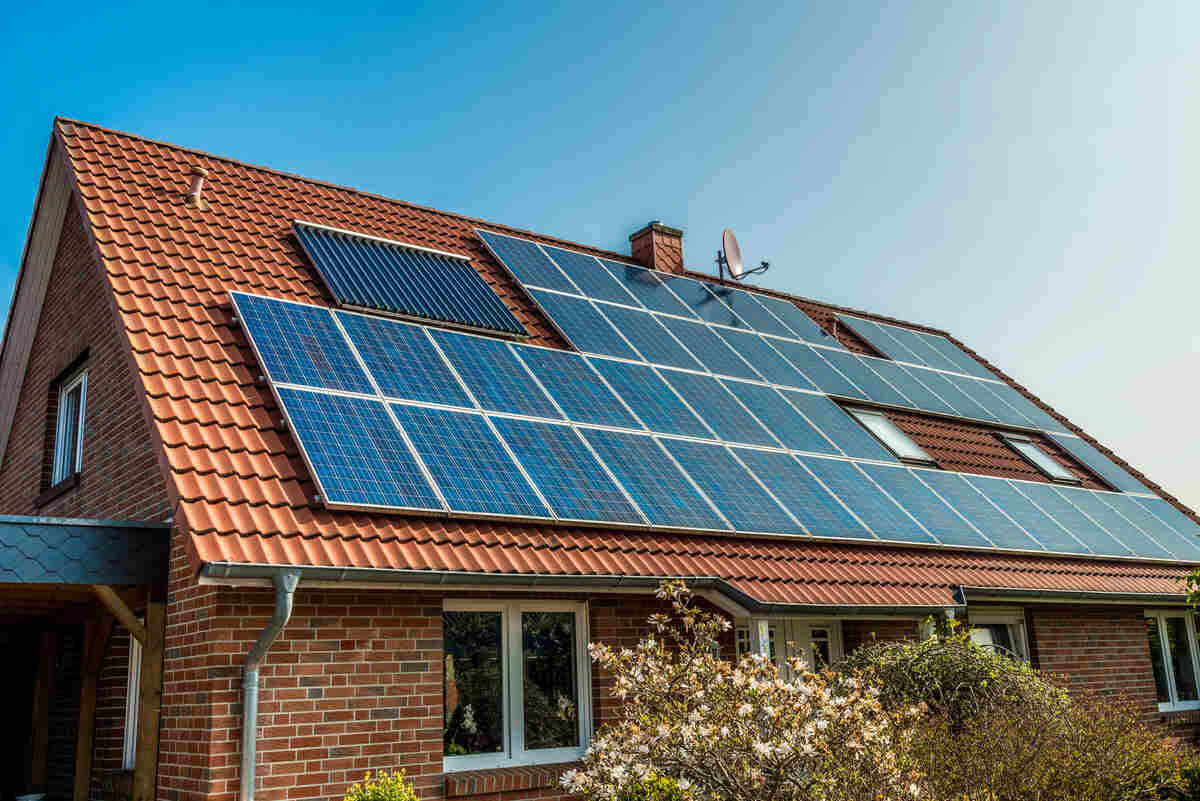
Solar generation is frequently perceived as a solution to electrical demand. While photovoltaic systems offset annual energy consumption, they do not increase a dwelling’s service ampacity or panel bus rating. The rating of the main service disconnect and panel bus bars governs how much distributed generation can be interconnected.
In many cases, the sum of the main breaker rating and the backfed solar breaker cannot exceed a defined percentage of the panel’s bus rating. In a 100-amp panel with limited bus capacity, this constrains the maximum system size that can be installed without replacing the panel. Solar design must therefore account not only for roof orientation and inverter selection but also for service equipment ratings.
Professionals working on residential solar installations in Alberta routinely encounter scenarios where the optimal system size is dictated less by available roof area than by panel limitations. Interconnection rules require compliance with service ratings and proper breaker placement. Net billing arrangements allow homeowners to export excess generation, but export capability does not increase service ampacity.
Solar integration in Alberta therefore demands a holistic assessment of both production and infrastructure. Installing photovoltaic modules on a home with constrained service capacity may limit expansion potential or complicate future electrification upgrades.
Strategic Modernization

If electrical capacity is a constraint, modernization becomes an enabling strategy. Upgrading a 100 amp service to 200 amp provides not only additional breaker space but expanded load calculation headroom for future systems. It also allows more flexible solar interconnection within code compliance.
Panel modernization often includes improvements to grounding and bonding, replacement of aging breakers and rationalization of circuit distribution. In older homes, these upgrades can address latent safety concerns while preparing the dwelling for higher electrical demand.
Across the province, discussions around electrical panel upgrades increasingly intersect with sustainability planning. Rather than being viewed solely as maintenance, service upgrades function as foundational infrastructure for decarbonization. Without adequate service capacity, electrification targets remain theoretical.
Modernization is not inherently about oversizing. It is about aligning infrastructure with foreseeable demand trajectories. As distributed generation and electrified systems become standard features of solar-ready homes across Alberta, service capacity must reflect that reality.
Designing Solar-Ready Retrofits
For builders, consultants, and informed homeowners, the implication is clear. Electrical assessment should occur at the earliest stage of retrofit planning. Waiting until solar design is complete or a heat pump contract is signed often leads to reactive upgrades, schedule delays and budget adjustments.
A comprehensive load analysis that accounts for present equipment and anticipated additions provides clarity. In some cases, load management devices may suffice. In others, full service replacement is prudent. The decision should be based on measured demand and long-term objectives rather than short-term cost avoidance.
Solar ready design extends beyond conduit pathways and roof orientation. It includes ensuring that service equipment can accommodate both generation and increased consumption. In Alberta’s climate, resilience during winter peak conditions is particularly important. Infrastructure that performs reliably under moderate conditions may reveal weaknesses during extreme cold.
For property owners, proactive modernization can protect long-term asset value. Homes capable of supporting EV charging, high-efficiency electric heating and rooftop solar without major electrical intervention are likely to hold a competitive advantage in an increasingly electrified market.
Alberta’s residential solar transition is gaining momentum, shaped by economics, policy and evolving homeowner priorities. Yet the pace of change remains tethered to the capacity of existing electrical infrastructure. Service panels installed decades ago are being asked to support technologies and loads that were not envisioned at the time of construction.
Electrical capacity is not a peripheral detail. It is foundational to scaling residential solar in Alberta and enabling broader electrification. Addressing this constraint requires infrastructure-first thinking, rigorous load analysis and strategic modernization. As the province moves towards a more distributed and electrified energy landscape, the service panel stands as both a limitation and a strategic inflection point in Alberta’s energy transition.
Images from Depositphotos