Home Heating 101
What Are the Most Common Heating Sources Used in Canada and Which are Most Efficient?

In this weekly Q&A column, retired builder/building inspector Cam Allen answers readers’ home renovation questions. Have a question? Enter it in the form below.
While one would think that all homes in the great white north have a fixed primary heating system, according to a study released by StatCan, as of 2023, 14 percent of Canadian homes still survive on portable heating methods while 88 percent of homes in rural Canada reported having a wood burning stove.
While natural gas is the most common heating fuel, over 50 percent reported it as their primary source, there is quite a regional disparity in other heating sources. Electric heating is dominant in Quebec with nearly 65 percent of their homes using either electric baseboard or in-floor radiant heat. Newfoundland and Labrador is similar in percentage of electrically heated homes. About the only province left with any predominance in oil heating is Nova Scotia, however heat pumps are now the preferred upgrade there.
Nearly 75 percent of homes in Ontario heat with forced air, similar numbers in Manitoba, Saskatchewan and British Columbia with natural gas being the dominant heat source.
PEI and New Brunswick have really caught onto the electric heat pump revolution, both provinces reported over one-third of their homes are now heated with heat pumps.
Heating Systems Used in Canada (2023)
| Type of Heating System | Percent |
|---|---|
| All primary heating systems | 86 |
| Forced air furnace | 46 |
| Electric baseboard heaters | 23 |
| Heating stove | 1 |
| Boiler with hot water or steam radiators | 7 |
| Electric radiant heating | 2 |
| Heat pump | 8 |
| Mini split heat pump | 1 |
| Heated floors | 1 |
| Centralized HVAC system3 | 13 |
| Other type of heating system | 1 |
How Efficient are Heating Systems Being Used in Canada?

Get the Green Building Project Checklist
Use this handy checklist on your next project to keep track of all the ways you can make your home more energy-efficient and sustainable.
There are six popular heating systems being used in Canada. While there is a love for the feel of a wood radiant heated home, their efficiency is rarely consistent. The installed cost is low in most cases and if you have a woodlot and are prepared to do the cutting and splitting work it keeps a home comfortable economically. An issue is home insurance as I am hearing more rumblings where home insurance companies are passing on homes with wood heat.
Gas fireplaces are a nice small zone heat source but as full home heating, given that most only offer 79-80 percent efficiency, it is an expensive alternative. Unless you reside in Quebec, Labrador or Newfoundland, electric radiant baseboard heat is also an expensive heat source.
That leaves us with three major heat sources: hot water boilers, heat pumps and forced air furnaces. If you live in a large home, over 3,000 square feet, then a radiant boiler can be a silent, even heating method.
Older boilers operated in the 70 percent efficient range while newer boilers commonly meet 85 percent efficiency and the modulating type can hit the mid 90 percent in efficiency. They are common in heritage homes. I admit to a preference for a radiant boiler system in a field stone home in the winter – they have a warmth that is hard to beat.
The limitation is they do not allow for conventional ducted air conditioning and this is where mini split heat pumps can be of great benefit. I am aware of systems with up to 8 “heads” as the units are called. The advantage is each room or large area can be supported with a head, which is a wall-mounted individually controlled unit operating from the main mini split unit.
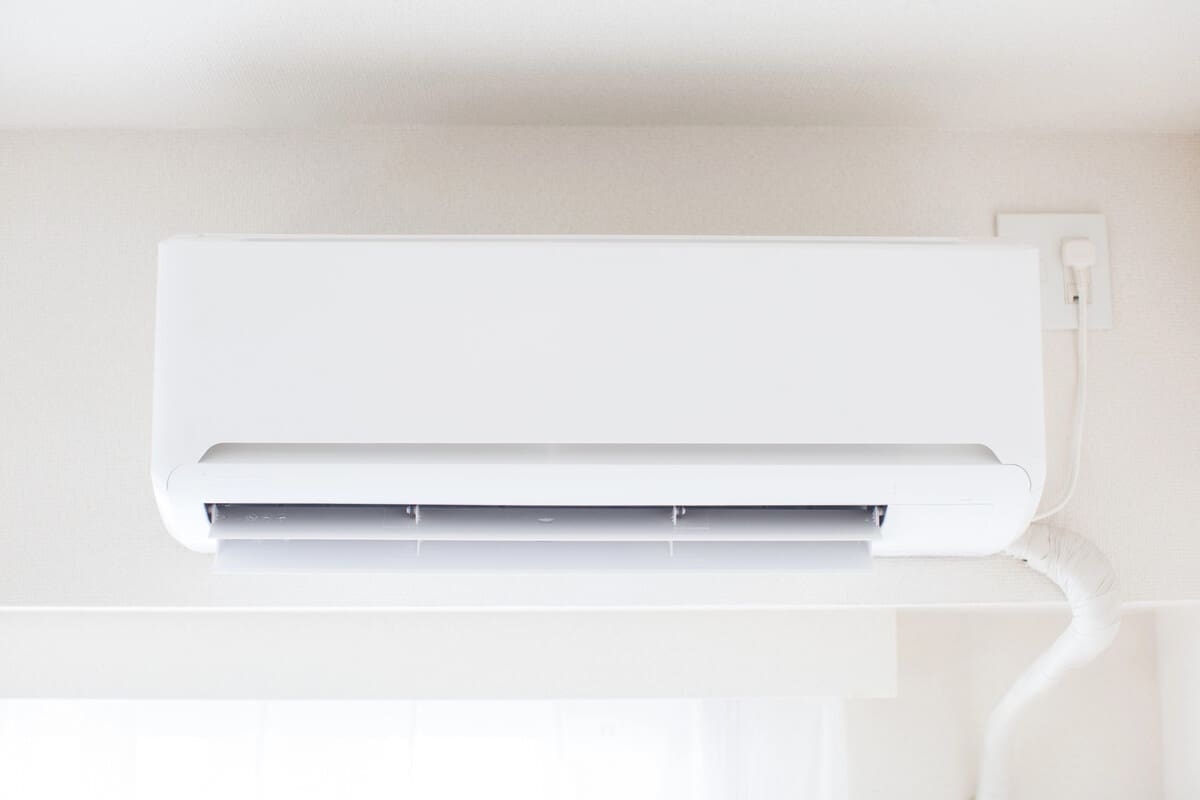
These heads can be sized for the area they are intended to heat and cool. The other bonus to having a mini split system in a home with a hot water radiant boiler is the fact that they also produce heat, not unlike a conventional heat pump attached to a forced air system. Because boiler systems take some amount of time to increase the comfort level in a home, being a radiant system, during a period when the weather takes an unexpected nose-dive in temperature, this mini split system can support the boiler and keep the home comfortable.
The heating system that makes up the largest percentage of heating systems in Canada are ducted forced air furnaces. Over the years these systems evolved from oil to natural gas, including propane. Today it’s not uncommon for forced air furnaces to reach 98 percent efficiency. In Ontario the minimum efficiency by law is 90 percent.
A ducted system allows for add-on heat recovery ventilation units, drip wall humidifiers and HEPA air filters along with exterior cabinet style air conditioners. These air conditioners were the forerunner of the modern day air source heat pump.
This brings us to the premier heating and cooling system available today, the air source heat pump, and its larger, more costly cousin, the ground source system.
Heat pumps offer the greatest energy efficiency. Air source heat pumps range from about 200 to 400 percent efficiency and ground source heat pumps range from 300 to 600 percent. The key to their efficiency is that they transfer heat from the air, ground or water rather than generating heat directly by burning fuel or using electricity.
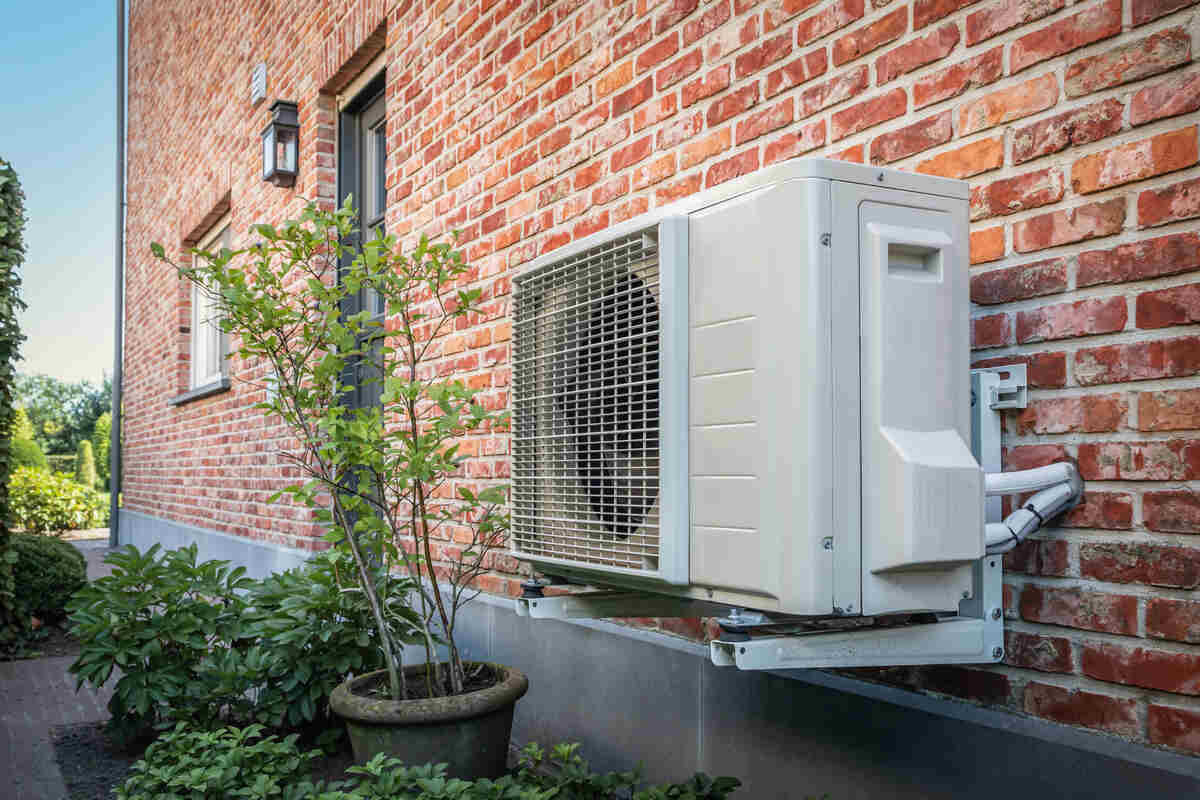
First let’s clear up some terms confusion. There are two kinds of air source heat pump installations. One is called a mini split system as I had mentioned earlier. It has a cabinet style that looks not unlike a conventional air conditioner unit. These are all air source systems that draw heat from the outside air during the heating season and reject this heat in the summertime.
Early air source heat pumps had severe limitations with respect to heating and once you got to near the freezing point these older units were simply not efficient. Today, modern cabinet styles commonly extract heat from the air up to -30°C. The efficient operating cost of these units is now widely recognized.
A ground source heat pump is generally a ducted system that uses the earth to extract heat, by way of vertical pipes that are often located in a pair of drilled holes in the ground, like a well.
WATCH || How ground source heat pumps work
The other option is a vertical grid that is located 4-10 feet below grade depending upon location. While not common, if you are located near a large pond or lake, with permission, this pipe grid can be located here. Because this system is extracting heat from the soil or water, which is a lot more constant than air, these systems can react to the home heat demand quicker. They also can be fitted with a domestic hot water option. They are costly, I have seen these systems run in the $25,000-40,000 range installed.
As heat pump systems are the darling of the home heating industry right now, next week we will look at installing and operating an air source heat pump.
Home Energy Incentives
To help with the cost of energy upgrades, there are a number of incentives offered by the federal government (eg. Oil to Heat Pump Affordability Program offers a grant of up to $10,000) and provincial governments (eg. British Columbia’s Energy Savings Program offers up to $44,900 in rebates for heat pumps, insulation, windows, etc.) and utilities (eg. in Ontario, Enbridge Gas, in conjunction with the province, offers a complete energy upgrade package). Use our Incentive Finder to learn about these, and other programs.
Images from Depositphotos
Have a Home Renovation Question?
Write it down below and we’ll get back to you. All questions get answered – every week, we’ll select one for publication in the column.