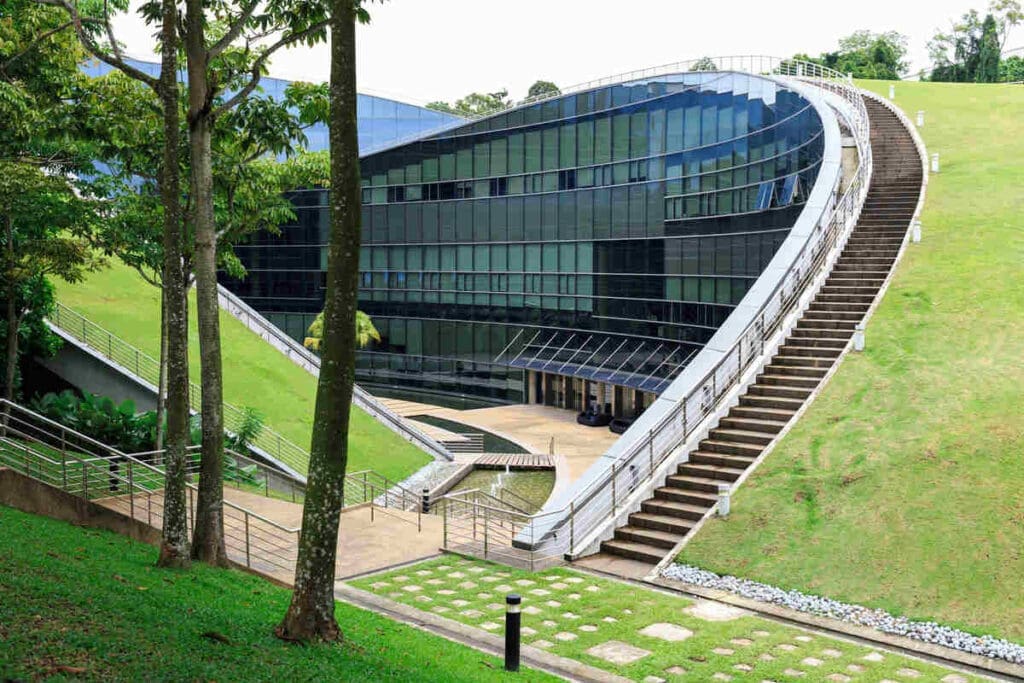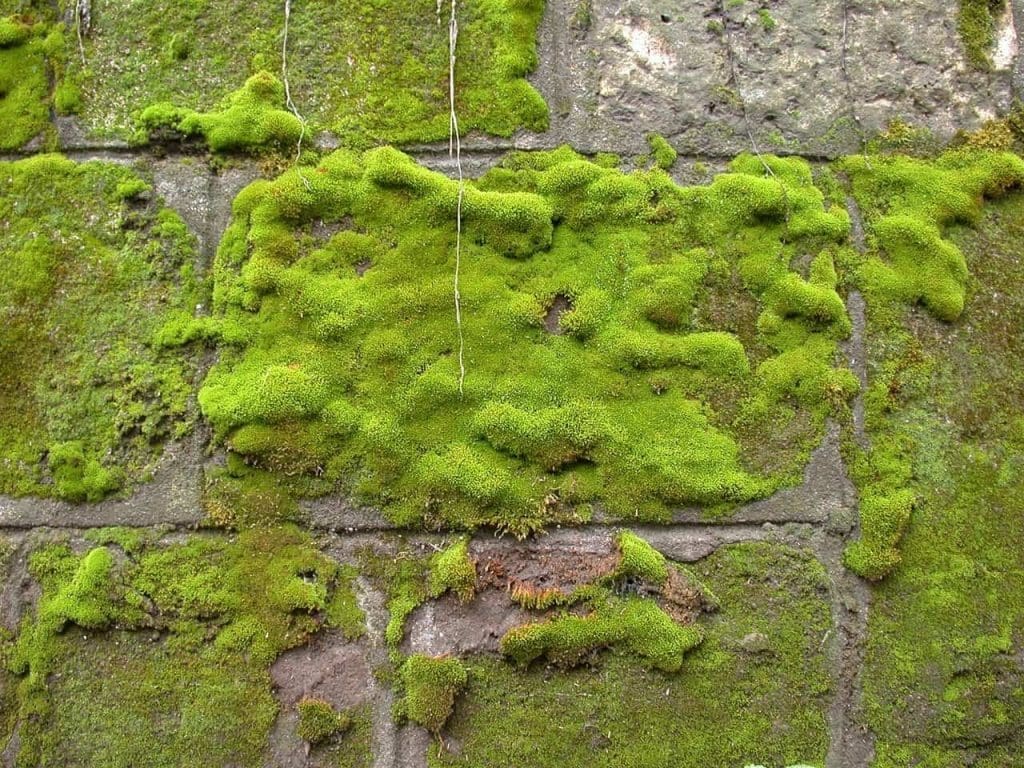
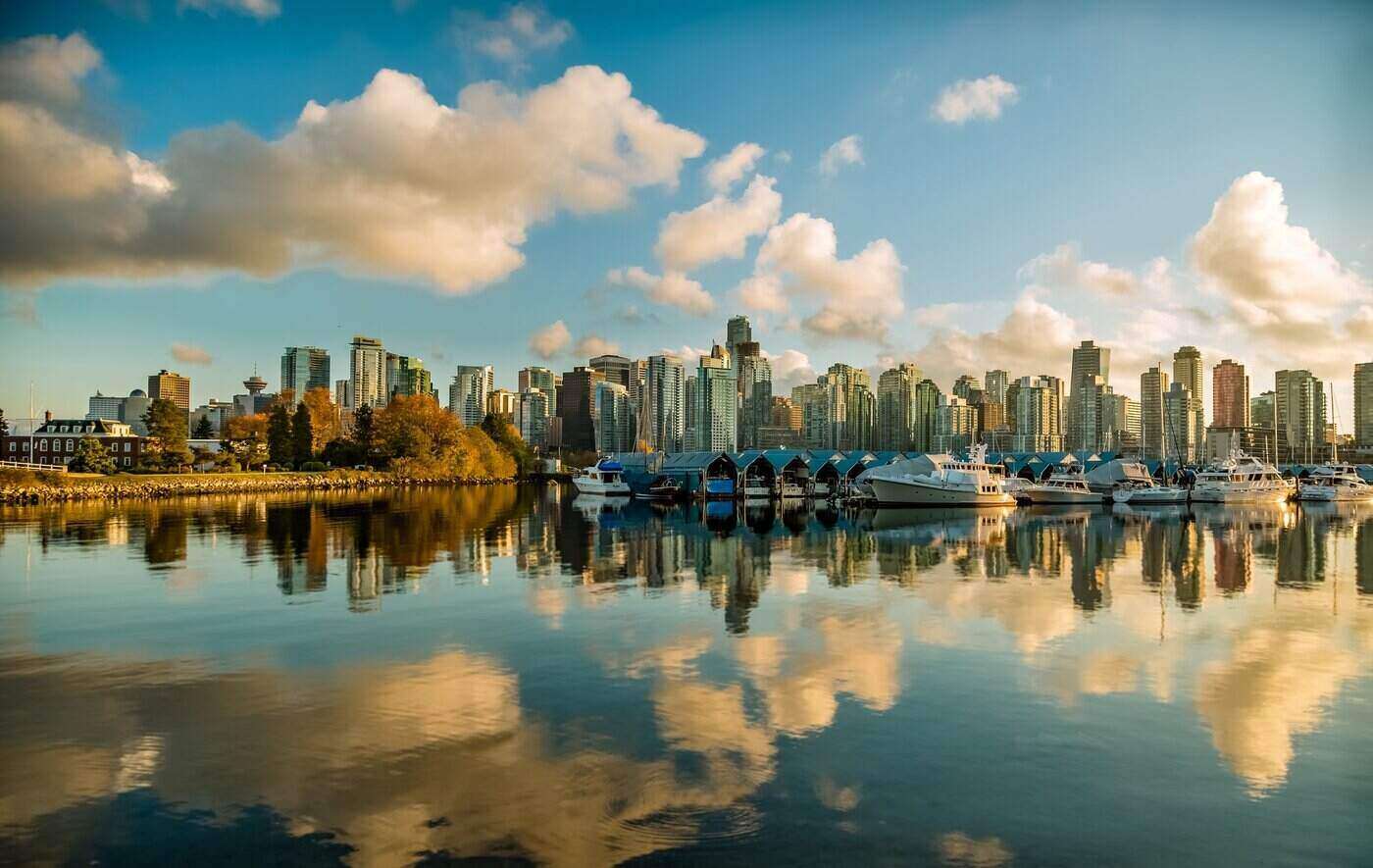
People have always been aware of the value of greenery in the city. However, for ancient and medieval cities, public spaces were more likely to be market squares than parks. The growth of urban populations, spurred by the industrial revolution of the 18th and 19th centuries, led to the emergence of the capitalist city, well known from the literature of the 19th century—dirty, cramped and rife with colossal social inequality, extremely unsanitary conditions and periodic epidemics.
Amenities like parks, trails and other green infrastructure developments are usually embraced by an urban public. But in municipal legislation, there is typically no concept of an ecological framework. Therefore, when it comes to practice, it is often more profitable to give land for construction or a road.
The ecological framework is a collection of undeveloped urban areas that are covered with with vegetation and not artificial materials (for example, asphalt). The ecological framework of the city is necessary to maintain a favourable ecological state in an urban environment, which in turn is important for the physical and mental health of citizens.
Conflict of Theory and Practice
The concept of an “ecological framework” does not exist in urban planning. In urban planning regulations, there are only “green areas,” “green spaces” and “specially protected natural areas.”
The fact is that the development of specially protected natural areas (such as wildlife sanctuaries, national parks and reserves) is carried out by people with special education—biologists and ecologists. Green spaces in the city are planned by architects and municipal planners. That is, people who do not have special knowledge of how an integral urban ecological framework should function are often the ones engaged in working with the green infrastructure of the city, which is usually not related to protected areas.
Green Infrastructure Against Climate Changes

Get the Green Building Project Checklist
Use this handy checklist on your next project to keep track of all the ways you can make your home more energy-efficient and sustainable.
According to Daniel Johnson, Ph.D. Candidate in Economics, Head of the Department of Environment and Economics, Coordinator of the SustBusy Research Center at ESCP Europe, to build cities that meet the principles of sustainable development, it is necessary to turn to the principles of a “circular economy” and develop green infrastructure.
In a 2019 column at The Conversation, Johnson clarifies that more than half of the world’s population now lives in cities. He cites forecasts that predict that by 2050, two-thirds of the world’s inhabitants will be urbanites. When many people are concentrated in a small area, he says, it leads to a large volume of waste, high consumption of resources and environmental pollution. The expert believes that infrastructure solutions will help to cope with these problems.
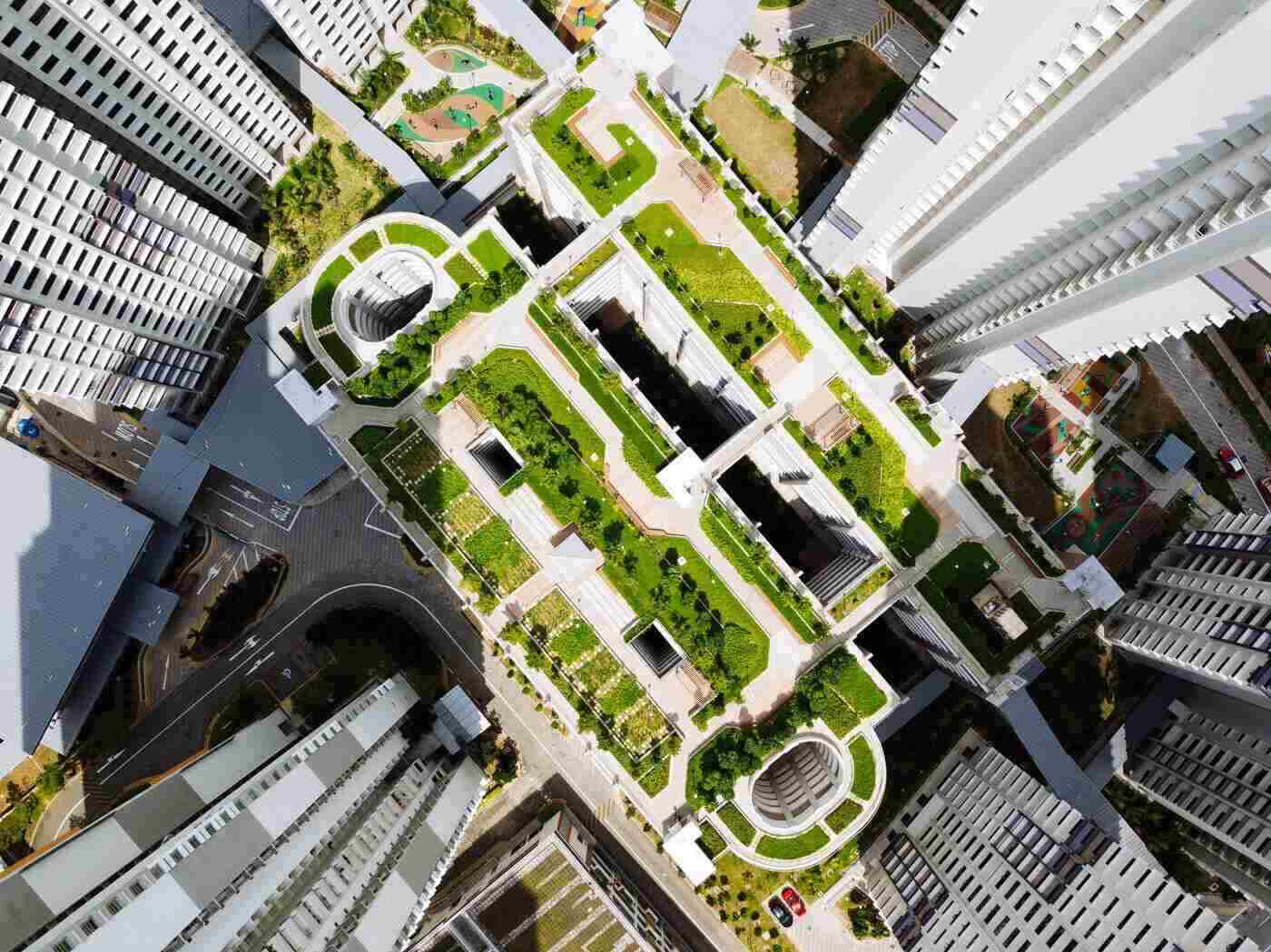
As Johnson says, green infrastructure “is a planned network of natural and semi-natural areas” in cities that will help solve problems with wastewater management, air quality, biodiversity and heat stress. He suggests that planting trees and creating wetlands, as well as greening roofs and facades in cities will help to organize green infrastructure design.
The Benefits of Greener Infrastructure
Vegetation on the exterior of buildings protects them, and helps reduce roof and façade maintenance costs, thereby also reducing the need for renovation and construction materials. Plants protect the outside of buildings from precipitation, high temperatures and solar radiation, which also allows them to increase their lifespan. Besides, plants capture carbon dioxide from the atmosphere and help absorb air pollutants such as nitric oxide, sulfur dioxide and particulate matter.
Greening buildings reduce the need for heating and air conditioning, which helps to save energy and thus reduce their impact on the environment. According to the UN, cities are “responsible for around 70 percent of global energy-related greenhouse gas emissions.” Besides, expanding green spaces is combating rising temperatures in cities. In Potsdamer Platz, for example, which features extensive green infrastructure, the temperature is 2°C lower in summer than adjacent areas are.
Green infrastructure plays a key role in wastewater management, as well. During heavy rainfall, wastewater treatment plants sometimes cannot cope with rainwater run-off from artificial surfaces. System overloads can cause mixed sewage and stormwater to drain into open water bodies, contaminating them. Green infrastructure, by soaking up some of the water, can reduce the risk of overload.
Many cities around the world are already using such a system. By reducing the burden on wastewater treatment plants, green infrastructure also reduces their energy consumption, and therefore reduces greenhouse gas emissions.
Feature image: Mike Benna; Image 1: CHUTTERSNAP