How to Choose an Eco-Friendly Outdoor Playhouse for Kids

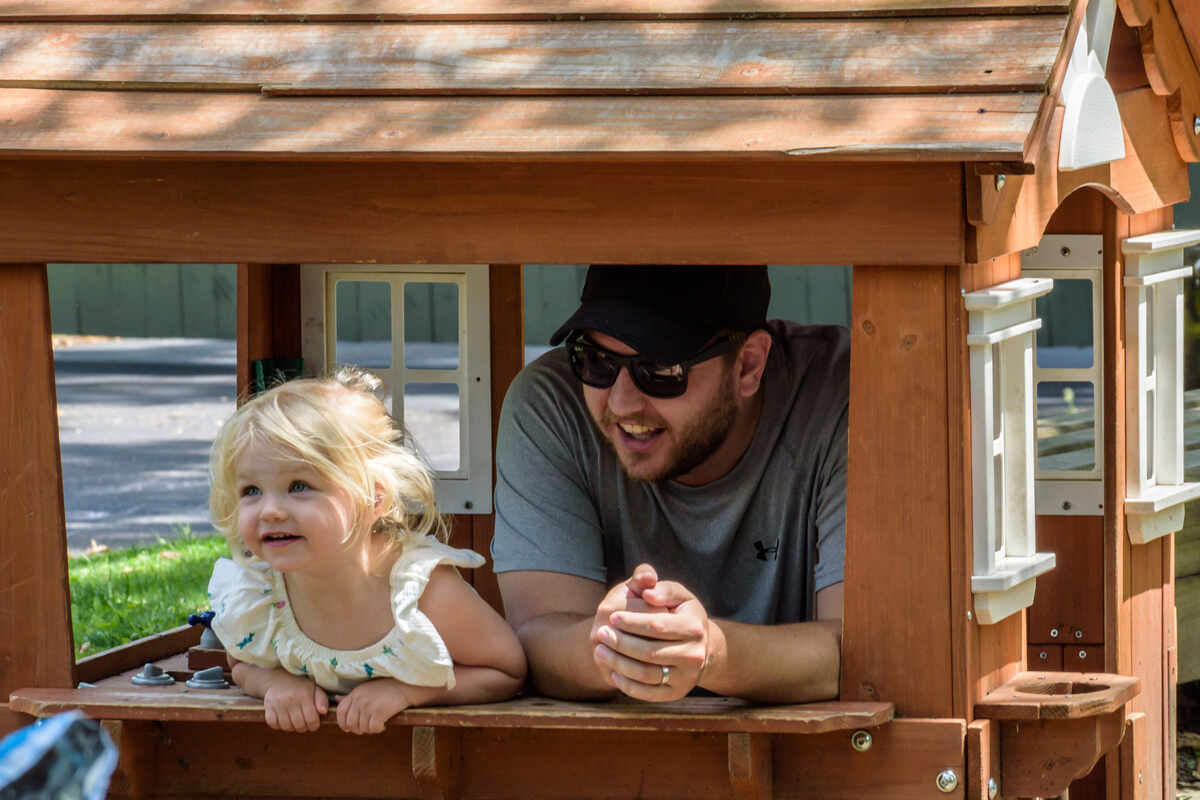
A garden playhouse can be a magical space that sparks imagination, creativity and joy. Beyond fun, it also provides an opportunity to teach children about sustainability and the importance of caring for the environment. Choosing an eco-friendly option means selecting materials and designs that are gentler on the environment while ensuring safety, durability and style for outdoor play.
When planning for a kids playhouse, it helps to picture how it will fit into your garden and what role it will play in daily activities. Whether it becomes a quiet nook for reading or a lively hub for games, aligning function with eco-conscious choices ensures the best long-term value.
Why Eco-Friendly Materials Matter

The materials chosen make a significant difference in how sustainable a playhouse is. Plastic options may seem convenient, but they often lack the durability and recyclability of natural alternatives. Wood is a popular choice that is generally a sustainable option since it’s a natural, renewable resource, however, not all wood is sourced responsibly. Another factor to consider with wood is that it’s not the most durable option, though that may not be an issue if you only need the playhouse for a few years as your kids grow up. If opting for wood, look for FSC-certified timber, which guarantees the wood is harvested from responsibly managed forests.
Reclaimed materials, such as pallets or leftover construction timber, can also be repurposed creatively for a rustic yet charming structure. Opting for non-toxic paints and finishes adds another layer of eco-friendliness. These protect the structure while avoiding harmful chemicals that can leach into the soil or pose health risks.
Get the Green Building Project Checklist
Use this handy checklist on your next project to keep track of all the ways you can make your home more energy-efficient and sustainable.
DIY vs Pre-Made Options
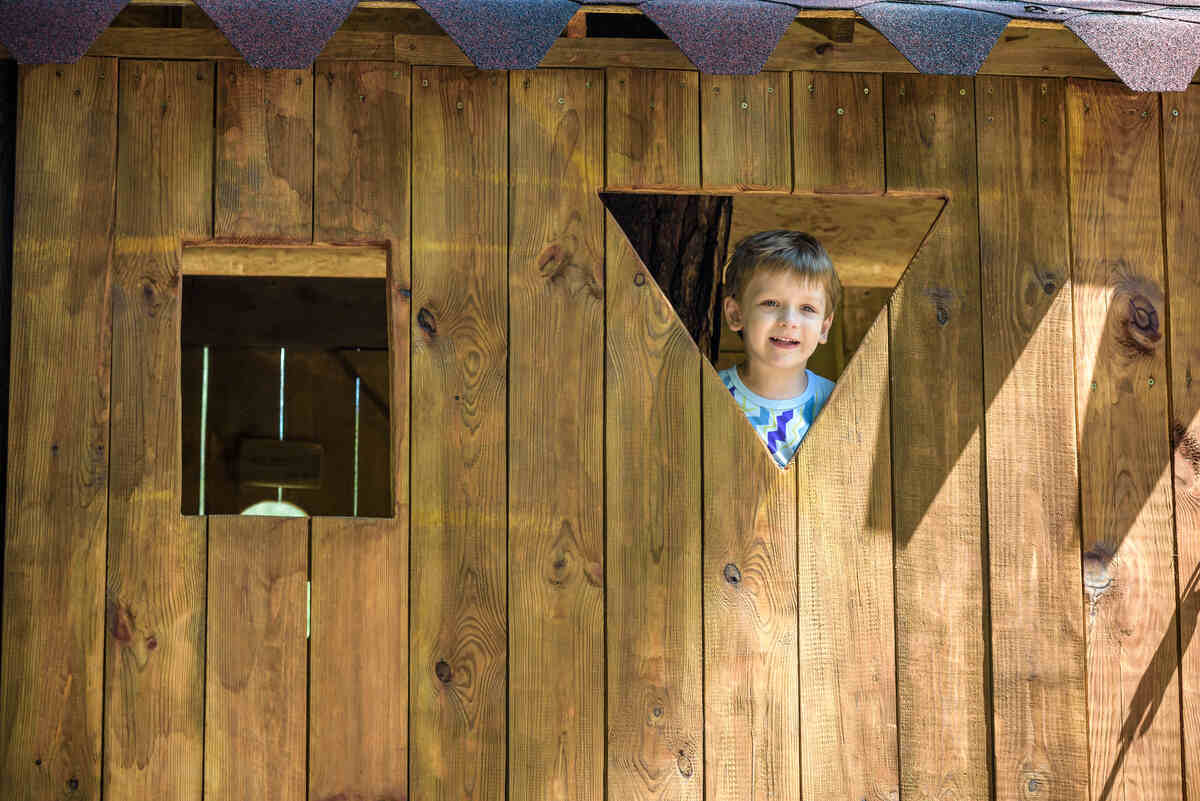
Choosing between a DIY project and a pre-made playhouse depends on budget, skill and time. Both approaches can be eco-friendly if done thoughtfully.
Some of the advantages of going DIY are that it allows the use of reclaimed or recycled materials. It gives you the opportunity to customize for size, style and features. And it can become a creative project for the whole family. On the flip side, the challenges are that it requires tools, time and building knowledge. And it may be less durable if not constructed carefully.
When looking at buying pre-made playhouses, the advantages are that they are professionally built for safety and stability and it saves time and effort. However, that convenience comes at a cost. And you also don’t have as much opportunity to customize it as you’d like it.
Designing an Eco-Friendly Garden Setting
A playhouse doesn’t exist in isolation. Its placement and surroundings can enhance sustainability. Positioning it under natural shade reduces weathering and heat buildup. Incorporating climbing plants or a green roof adds natural insulation while blending the structure into the garden.
The ground beneath the playhouse also deserves attention. Instead of plastic mats, consider bark chips, natural grass or recycled rubber tiles for safe and eco-conscious flooring.
Adding Playful and Sustainable Features
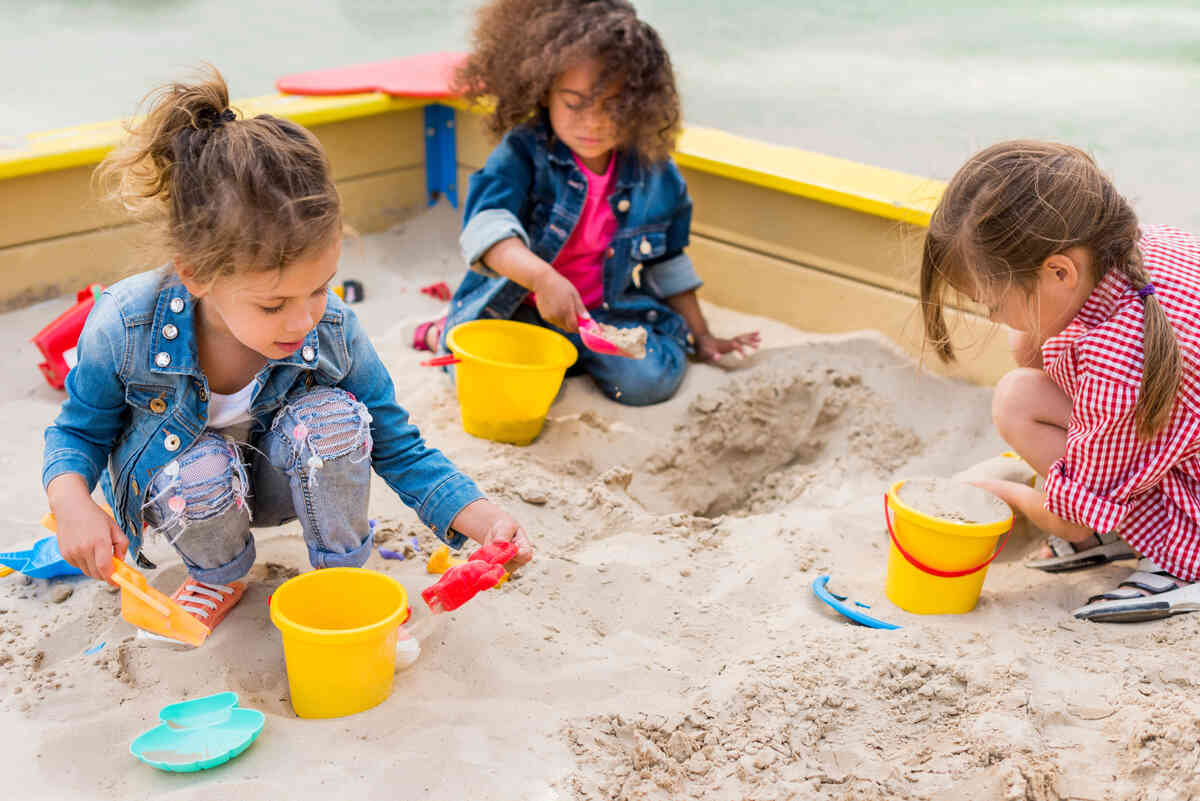
Eco-friendly doesn’t mean boring. The playhouse can be equipped with creative features made from recycled or natural resources. Here are a few ideas that reduce waste and also encourage children to interact more deeply with nature.
Sand box – Constructed using untreated timber or repurposed crates.
Mud kitchen – Built from old pallets, with bowls and utensils salvaged from secondhand shops.
Bug hotel – A simple structure filled with twigs, pinecones, and bamboo tubes to encourage biodiversity.
Rainwater collection barrel – Perfect for watering nearby plants and teaching children about water conservation.
Longevity and Maintenance
An eco-friendly choice is only sustainable if it lasts. Choosing strong, weather-resistant materials and treating them with natural protective oils ensures durability. Regular inspections to fix small issues, such as loose panels or minor leaks, extends the life of the playhouse.
Repainting with natural-based paints keeps it fresh and inviting while maintaining its eco-credentials. A modular design also supports longevity. Removable panels or adaptable features allow the structure to evolve as children grow, preventing it from being abandoned too soon.
Choosing an eco-friendly garden playhouse requires thoughtful consideration of materials, design, and placement. Whether built from scratch or purchased pre-made, the key lies in blending durability, creativity and environmental care. A kids playhouse built with these principles becomes more than a play space; it becomes a step towards raising eco-conscious children who value the natural world. This type of choice makes the garden a place where fun and responsibility thrive together.
Images from Depositphotos