
Do you ever pause to think about the toxins you come into contact with while cleaning your house? When growing up, it was common for our homes to be cleaned using strong disinfectants and bleach. Many of these products, however, can cause infertility, asthma, allergies, hormone disruptions and even cancer.
Nowadays, there’s much more awareness of the ill effects of cleaning products and, luckily, there are so many green cleaning solutions to choose from. Since most of us spend a significant percentage of our time at home your home should be your haven. To make your cleaning as green as possible, you can go a couple of different ways – if you don’t have the time you could hire a green cleaning service to handle the job or you could follow some simple eco-friendly cleaning tricks to change the way you clean. Here we’ve laid out a cleaning strategy room-by-room and following that some general green cleaning tips.
The Kitchen
The most common areas that need consistent cleaning in the kitchen are the surfaces. Instead of spraying counters and tables with chemicals, create an eco-friendly detergent by using natural rice or grape vinegar. Mix a small solution with a large amount of water to create an anti-bacterial spray.
If you cut and wash meats on your cutting boards and in the sink, the best way to ensure that you kill all bacteria left behind is by using baking soda and some lemon juice. This creates a natural chemical reaction that lifts any fats or grease off surfaces. Rinsing with hot water ensures that your items come out spick and span.
The best way to treat any wooden utensils, fruit dishes, salad bowls or breadboards is by coating them in oil. Oil seals the wood so that water and other liquids do not enter the wood’s micropores.
First, wash wooden items with some citric acid and scrub them well. Allow the wood pieces to dry completely before coating them in oil. Massage the oil into each piece and allow them to rest for a further 48 hours. Thereafter, simply rinse with warm water to remove any excess oil that hasn’t soaked into the wood and continue to use as normal.
The Laundry

Get the Green Building Project Checklist
Use this handy checklist on your next project to keep track of all the ways you can make your home more energy-efficient and sustainable.
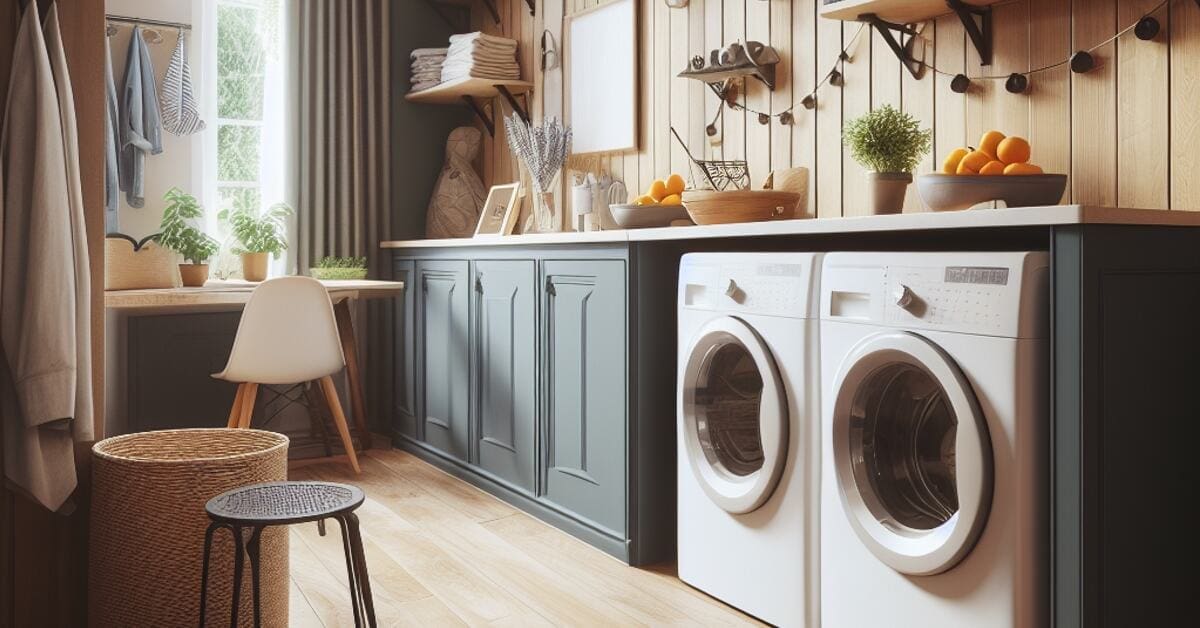
Choose detergents that are not scented, have no artificial fragrances or dyes and do not include harmful chemicals such as phosphates or dioxins. To find the best detergents for clothing that are really green ask around at your local health food store or stores operated by eco-friendly cleaning services.
Many specialty shops also have natural soaps made out of oils, lavender or lemon that you can apply to wet clothing and either clean by hand or throw into the washing machine pre-washed to avoid stronger detergents.
Instead of buying new cleaning cloths or sponges, simply cut up old materials to create cleaning rags. These can be used for the bathroom, kitchen, living room, outside spaces or any other area that needs cleaning.
The Bathroom
The best way to keep porcelain areas clean is to spray them down and apply citric acid. You can use this method on bath, sink and toilet. Let the acid work its magic by eating up the bacteria and then go in with some water and those old clothing rags to clean the dirt away.
For clearing out drains in the sink, the shower and the bath, apply lemon juice and baking soda. Pour a generous amount of baking soda down the drain followed by a small amount of lemon juice and watch the insides of the drain loosen the gunk, fat and dirt particles. Once completed, pour hot water down to remove any additional lurking dirt.
5 Green Cleaning Tips
1. Use DIY Cleaning Solutions
A simple mop or a microfibre cloth can clean most parts of your home. Another option is using everyday household products such as vinegar, lemon juice, baking soda, essential oils and fragrance-free liquid soap to make DIY natural cleaning products.
Lemon-vinegar cleaner is one of the most reliable DIY all-purpose cleaners. It’s a great option if you want to use vinegar in your house cleaning but do not love its smell. To make your DIY lemon vinegar cleaner, cut one lemon into small wedges and put the wedges in a spray bottle. Add 2 cups of vinegar and 2 cups of water before securing the lid.
If you wait for 2 to 3 weeks, the smell of vinegar fades and you’re left with a powerful, lemon-scented cleanser. You can use it in the kitchen and bathroom as an all-purpose cleaner.
The above cleaning solutions, coupled with zero-waste cleaning tools and products, will get you closer to your eco-friendly cleaning goals.
2. Make Good Use of Reusable Rags
You probably find yourself reaching for a new paper towel after every spill. Why not use reusable cloth rags instead? Conveniently placing several linens in every danger zone around your kitchen, living room, dining area and den can help you wipe away water spills and clean everyday smudges without having to add extra waste to your garbage bin.
Reusable paper towels are also a cost-effective option since you can use them multiple times before you have to go shopping again.
3. Filter Your Fabrics

Plastic straws, plastic bags and 6-pack beverage rings are the most visible trash that ends up in our water, but they’re not the only trash. Microfibres released by synthetic clothing can make their way to water sources and pose an equally significant risk to marine life.
One way we can stop such debris from leaving our laundry rooms and winding up in landfills and water bodies is to use a washing bag designed to catch microplastics. You simply place clothes made from polyester, nylon and acrylic into the bag and it catches the stray fibres as your clothes are being washed. You can easily clean away the debris after it builds up in the laundry bag. Some technologies also collect debris as you wash your clothes. Though the downside to laundry bags is that they trap pet hair in the bag as well.
4. Change Your Metal and Furniture Polishes
Most furniture and metal polishes homeowners use are corrosive and cause skin, respiratory tract and eye irritation. Some of them also contain carcinogens such as formaldehyde or petroleum distillates, which can damage the nerves.
For a more natural solution, you can polish furniture using a mixture of olive oil and white vinegar. You can also purchase solvent-free products that use plant oils or mineral oils. You can clean silver surfaces using toothpaste.
Using a cloth dipped in lemon juice or white vinegar with salt dissolved effectively polishes copper surfaces. After wiping the surface, rinse it with clean water. You can use a paste made from one cup of flour, one cup of white vinegar, and one teaspoon of salt for brass surfaces.
5. Avoid Air Fresheners and Perfumes
Most aerosol propellants contain volatile compounds and nerve-damaging ingredients. Some of them also have small particles that can find their way into your lungs. Another negative about fragrances of any kind is their ability to trigger allergies and asthma symptoms.
As an alternative, you can open the windows to let in natural air from outside. You can also use baking soda to remove odours. All you have to do is open a box of baking soda and place it in the room with the foul smell.
For natural fragrances, you can use sachets of dried flowers or herbs and cedar bark chips. If you come across any product containing unspecified fragrances, consider finding a different option as it may contain synthetic chemicals such as phthalates. The best products for freshening up the air in your home should contain essential plant oils like lavender or lemon.
Aerosol sprays are even worse because they disperse ingredients throughout the air, making it easier for you and your family to inhale them. Even organic and non-toxic ingredients can result in irritation in the noses, lungs, and eyes, so skip all aerosol sprays. Powders can also spread through the air and result in irritation.
You can find most of the environmentally friendly products mentioned above in supermarkets, home improvement stores, natural food outlets and hardware stores.
Image: Teona Swift