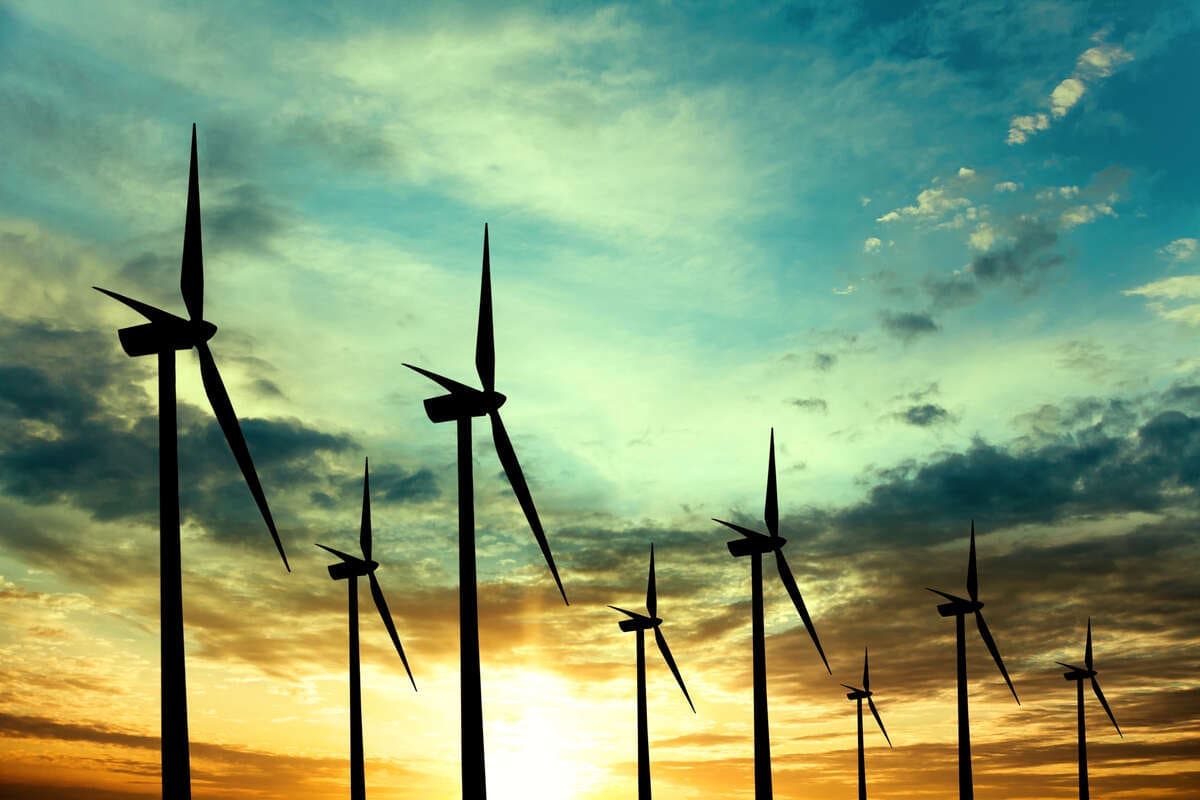
When Ontario premier Doug Ford first took office in 2018, he cancelled over 750 renewable energy projects. Now, in 2024, Ford’s PC government is overseeing the largest expansion of renewable energy in the province of Ontario in a decade. His party has plans to create an additional 5,000 megawatts of renewable energy by the year 2034. As a point of comparison, all wind energy projects installed across Ontario at this point total 4,900 megawatts.
Although Ford’s government has made many U-turns in terms of its policies, this is by far one of the largest. This expansion is driven by the anticipation that the demand for electricity in Ontario will rise in the coming years, and moreover, that that demand will increasingly be for energy that comes from renewable sources. This combined with the steadily falling costs of producing solar and wind energy.
However, there is a glaring issue with this new rollout of clean wind energy projects. Ford has promised that projects will only be greenlit with approval from municipalities. At this point, more than 150 municipalities have passed resolutions banning wind farms.
Clean Wind Energy Projects to Commence This Year
This new green energy expansion in Ontario will start with an additional 2,000 megawatts of power, which is equivalent to the output of the Pickering nuclear power plant if it were to be refurbished as proposed.
According to the current timeline, the first of these projects should come online by 2030, another 1,500 megawatts of clean energy should come online by 2032 and another 1500 megawatts by 2034.
Although the province has not yet specified exactly how much of this renewable energy will come from wind energy, it’s likely that most of the expansion will be from wind. This is based on the fact that wind power provided Ontario with roughly 9 percent of its electricity in 2023, nearly four times that which solar power has provided.
Municipalities’ Fears of Wind Energy Farms

Get the Green Building Project Checklist
Use this handy checklist on your next project to keep track of all the ways you can make your home more energy-efficient and sustainable.
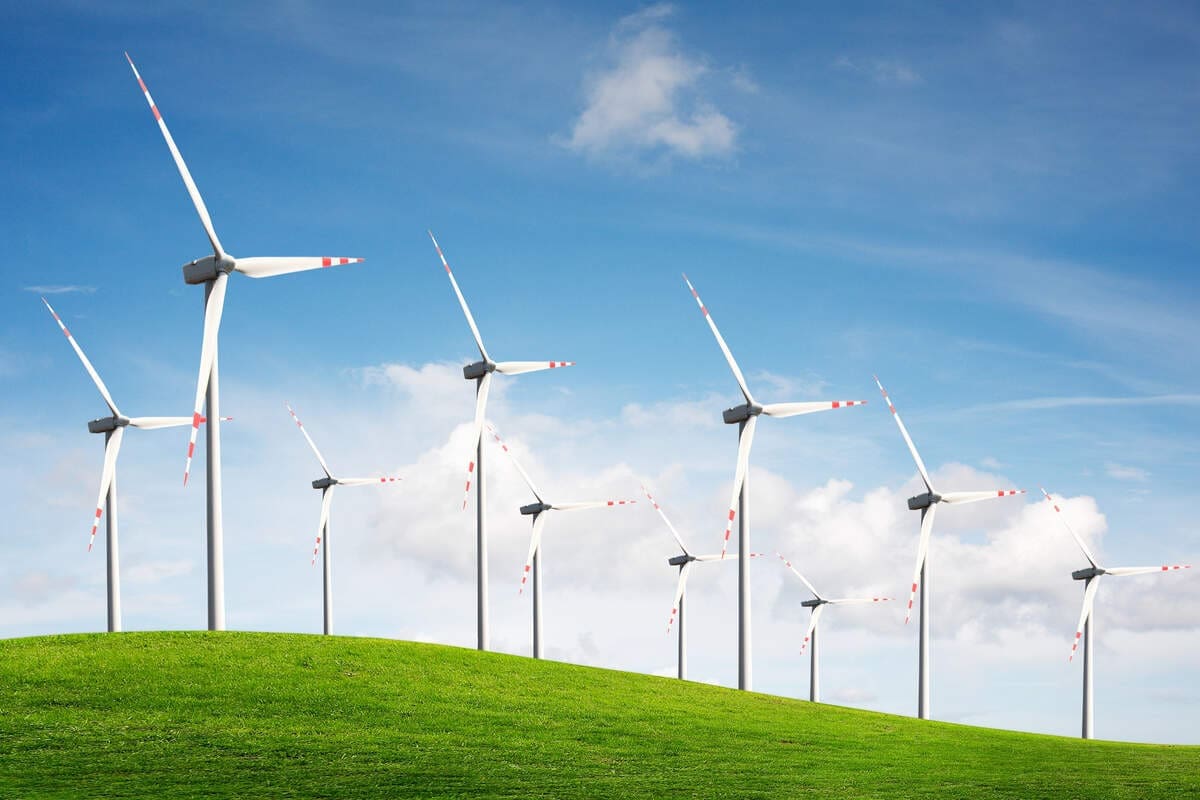
Alluding to how more than 150 municipalities have passed actions to ban local wind farms, many fears arose in the early 2000s about the impact that wind farms would have on people’s lives. These fears never came to pass. Dufferin County is the site of the first large wind farm to be built in Ontario, in 2006, comprising over 167 wind turbines.
Although these fears never materialized, the same city council is now also unwilling to host more wind energy projects. Their issue is that the previous Liberal government in Ontario approved projects regardless of what local councils were willing or unwilling to do. The issue now, in this specific case, is that these communities want to see clear plans, particularly in how the wind farms will impact communities.
PC Government to Impose Fair Bidding Practices
Another issue that some have is that the previous Liberal government issued a variety of contracts paying both solar and wind producers extremely lucrative premiums for the generation of electricity. This was at the time justified as a way to spur on a flailing industry.
However, this time, there will be a fair bidding system in place so that power can be produced as cheaply as possible.
This new bidding process has created increased support for new clean wind energy projects in Ontario with many companies having conversations with local municipalities about what these projects might look like.
The Township of Melancthon is an example of how municipalities benefit from wind farms. Wind power companies in Ontario usually pay annual rent to the owners of the properties where wind turbines are located. This particular township get paid $600,000 on a yearly basis thanks to its agreement with wind power producers, roughly 10 percent of its annual operating budget.
Keith Brooks, director of Environmental Defence, says that “The fact that the government has now had this about-face on wind power and solar power speaks to how amazing this technology is, how fast it’s growing in other parts of the world, how much the costs have come down.”