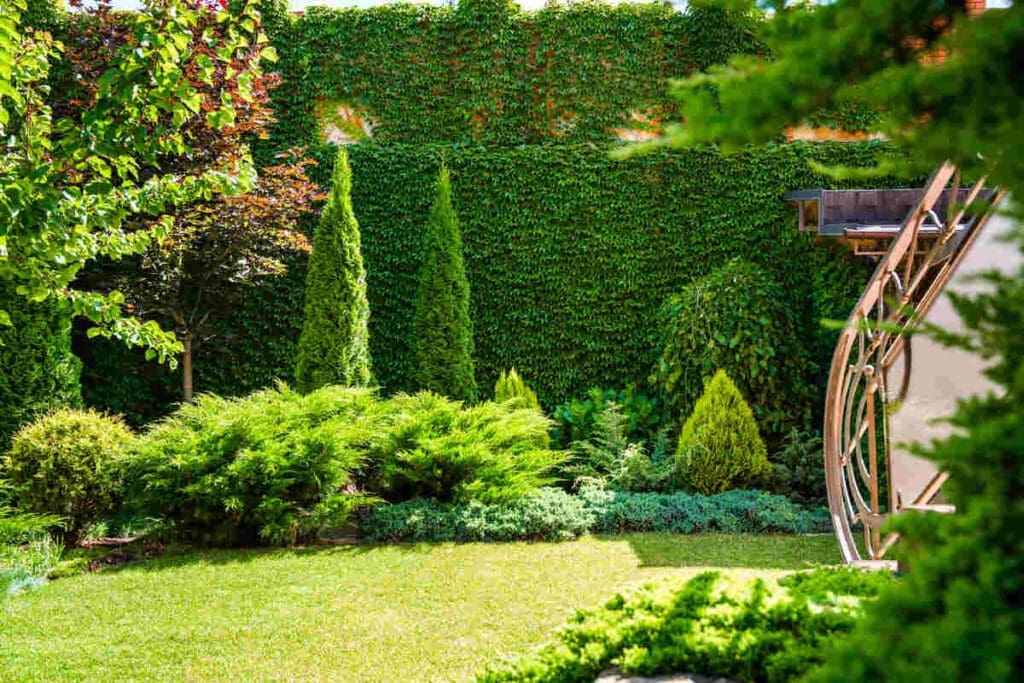
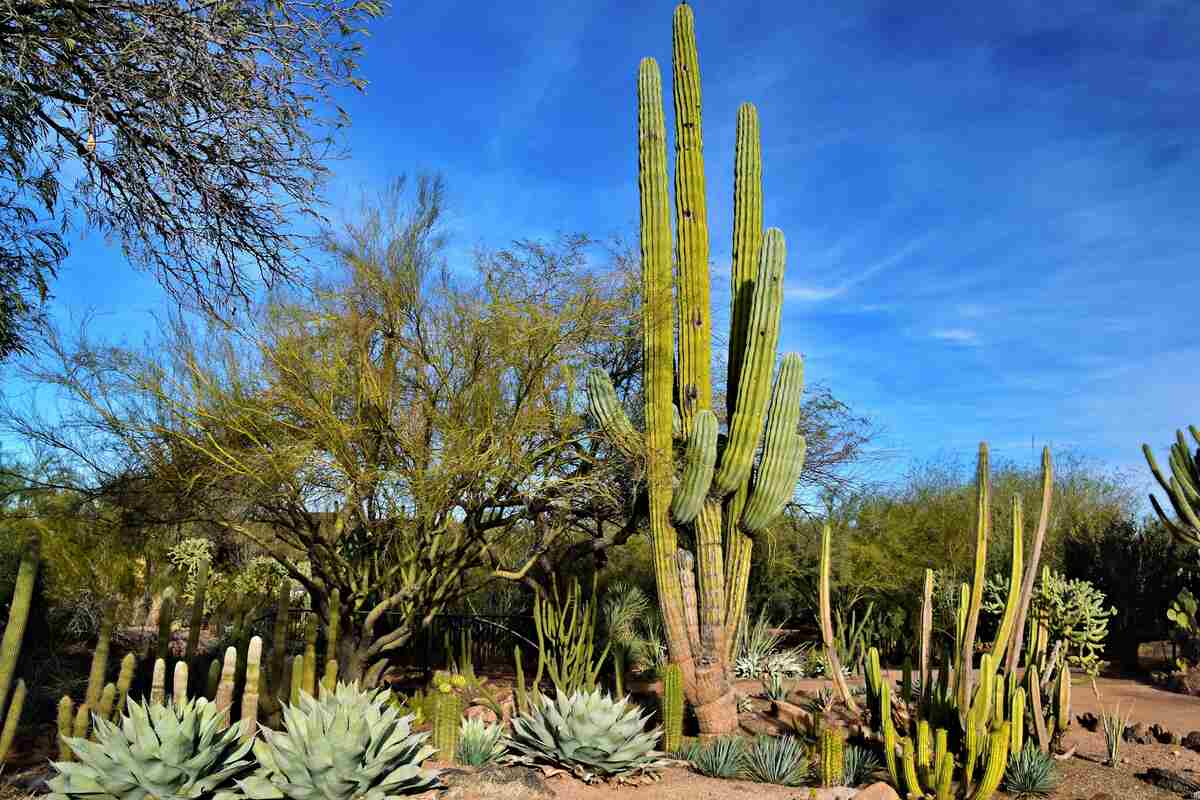
Contemporary property owners progressively understand that attractive landscapes need not compromise environmental wellness. Sustainable landscaping methods collaborate with natural systems instead of opposing them, establishing outdoor areas that preserve resources while supporting regional wildlife.
The shift to environmentally-friendly garden design provides enduring advantages, including decreased water expenses, reduced upkeep and flourishing plant communities that adapt organically to local environments.
1. Choose Native Plants for Maximum Efficiency
Indigenous plants establish the basis of sustainable landscape architecture since they’ve adapted to flourish in your particular climate and soil environment. These species demand considerably less irrigation, nutrients and pest management than foreign varieties, decreasing landscaping costs and ecological effects.
When choosing natives, evaluate flowering periods, full-grown dimensions, and development characteristics to generate continuous appeal while promoting biodiversity. Native grasses, wildflowers, bushes and trees can endure severe weather patterns and they provide a crucial habitat for neighbourhood birds, butterflies and helpful insects.
2. Create Healthy Soil Through Organic Methods
Get the Green Building Project Checklist
Use this handy checklist on your next project to keep track of all the ways you can make your home more energy-efficient and sustainable.
Soil condition directly affects plant health and sustained landscape viability. Before implementing modifications, examine your soil to determine pH balance, mineral composition and water flow properties.
Prevent synthetic nutrients and chemicals that may damage soil organisms and pollute underground water. Instead, employ integrated pest control through companion cultivation, helpful insects and organic remedies when needed.
For recurring household infestations that threaten plantings and indoor comfort, coordinate with a trusted residential pest control company offering home pest control plans aligned with integrated pest management to resolve issues while preserving beneficial insects and soil health.
Understanding appropriate soil conditioning proves vital in places like Toronto or Montreal, since their clay-dominant soils and fluctuating weather patterns create distinct obstacles. This guide to landscape design highlights everything you need to know about landscaping, from design trends to choosing the right design contractor in the Greater Toronto Area (GTA).
3. Implement Water-Smart Irrigation Strategies
Implement drip irrigation networks that supply water straight to plant roots, minimizing evaporation and water loss by up to 50 percent versus traditional sprinklers. Cluster plants with comparable water requirements together in hydrozones enables you to accurately customize irrigation timing and quantities.
Include rain detectors and intelligent controllers that modify watering according to weather patterns and soil dampness conditions. Consider collecting water through rain containers or storage tanks to gather and preserve rainfall for arid seasons. By doing this you substantially decrease municipal water usage while guaranteeing plants obtain sufficient moisture.
4. Reduce Lawn Areas and High-Maintenance Features
Traditional turf grass demands intensive irrigation, fertilizers and fossil fuel resources for upkeep. Substitute lawn sections with indigenous ground coverings, decorative grasses or consumable plants that need reduced care and provide superior environmental advantages. Select drought-resistant grass types appropriate for your region for recreation or aesthetics.
Create hardscape features using porous materials such as gravel, permeable stones or natural rock, enabling rainfall absorption instead of generating surface flow. Reduce reliance on gas-operated tools by choosing vegetation that doesn’t need regular trimming or upkeep.
5. Create Habitat Corridors and Biodiversity
Sustainable landscapes operate as connected ecosystems instead of separate ornamental areas. Plan plant communities that supply nourishment, protection and breeding locations for diverse wildlife species year-round. Feature plants with varied flowering seasons to guarantee ongoing nectar resources for pollinators.
Add trees and bushes of different heights to establish vertical habitat tiers. Maintain some zones moderately untamed with brush collections or indigenous ground cover to offer refuge for small animals and helpful insects. Link your landscape to adjacent green areas when feasible, forming wildlife passages that facilitate animal migration and genetic variety.