Planning, designing and decorating your kids’ bedroom in a tiny home can be a daunting task. Your kids need their own space to play, study, and organize their stuff. However, if you live in a tiny home, demarcating a separate space for your kids is not an easy feat.
With proper planning, a few useful tips and the right materials in hand, you can successfully implement this project without compromising your own space. Be prepared with your tools and unleash your creativity with these steps to design and set up a perfect kids’ bedroom for a tiny home.
1. Catch up on Popular Minimalist Trends
The concept of minimalism has taken the world of interior design by storm. Among many different aesthetics, Japanese and Scandinavian designs are the most sought after today due to their minimal and contemporary style. They provide maximum comfort and leave out a lot of space while enhancing the aesthetic appeal and functionality of homes.
Read up on such trends and find out the right way to incorporate the theme in your tiny home. Since such styles tend to follow a white colour scheme with natural wood, you can easily find the materials and elements needed to design the room.
2. Design the Furniture Layout
Picking the right furniture for tiny homes is crucial, as it will dictate the look and feel of the interior space. The pieces should never overwhelm the space, but more importantly, they should be functional, comfortable and ergonomic. When it comes to designing rooms in tiny houses, the key is to plan ahead with the furniture to make the most out of the spaces. Start by designing the bedroom’s plan by taking the measurements.

Get the Green Building Project Checklist
Use this handy checklist on your next project to keep track of all the ways you can make your home more energy-efficient and sustainable.
Next, look for furniture designs that can be accommodated in smaller spaces. A bunk bed is ideal for tiny rooms, for example. If you want to make the furniture on your own, get free DIY bunk bed plans online that provide step-by-step instructions. To save time, buy readymade furniture that just needs to be assembled on the spot.
3. Use Lighter Colors
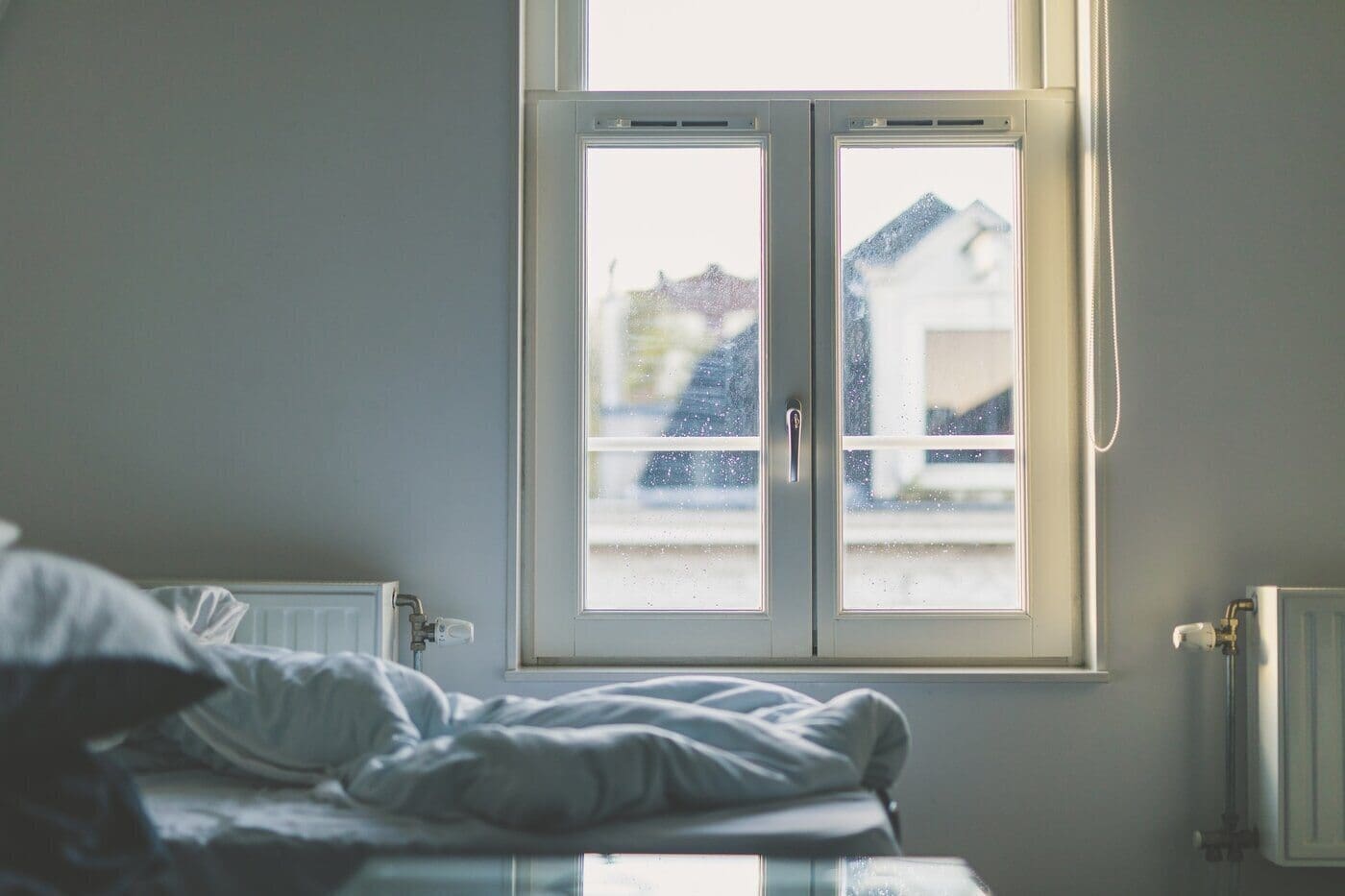
Lighter colors and hues make spaces appear bigger. Use shades such as white, beige, light blue or light yellow on the walls and larger surfaces. Since kids’ bedrooms need a pop of color to suit their personality, you can add a few curtains or rugs with contrasting hues to liven up the room.
Such contrasts can be in keeping your entire house’s décor, yet add a playful touch resembling your kids’ energy. Since children grow fast and steadily change their preferences, incorporating a neutral palette in their room will align with their tastes as they grow.
4. Create Niches
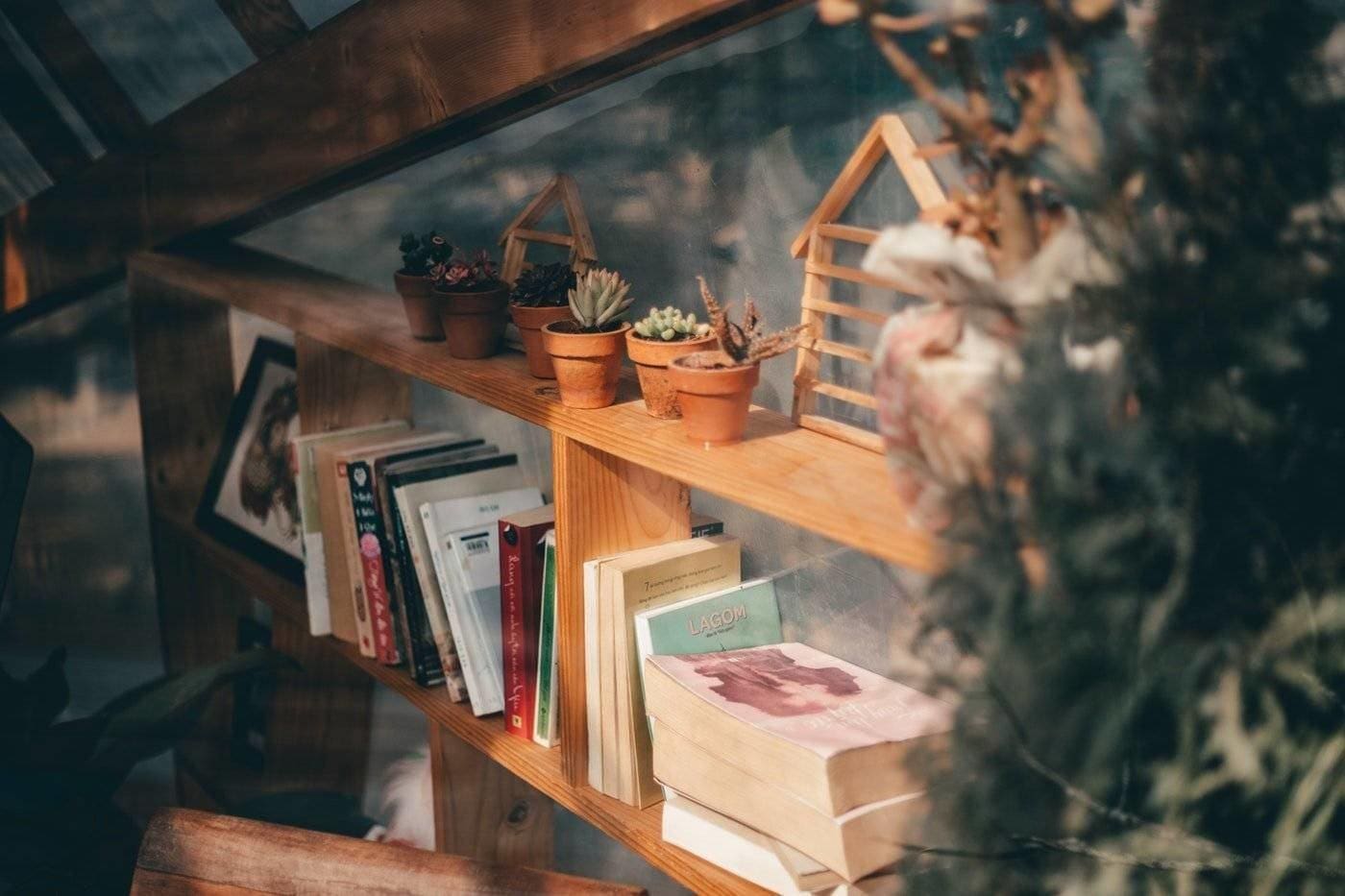
This tip can help you accommodate more stuff in a tiny space. Since your kids need to keep their books, clothes and toys within their reach, piling them in a small room can clutter the space. By building shelves into the walls and creating niches in the furniture, you can place the extra stuff inside the drawers.
This also helps create a seamless and neat look that makes the bedroom look bigger. You can also invest in furniture pieces specifically designed for tiny homes, as they are equipped with hidden drawers and shelves to accommodate stuff.
5. Create their “Magical” Space
Despite living in a tiny home, you can incorporate a magical nook for your child in their bedroom with some creativity and planning in place. Everyone needs some time alone, including children. Preparing a reading nook or a tent can give them the much-needed escape they often dream about.
You can either pick a corner and build a small tent surrounded by books or place a few fairy lights over the setup. Placing books around the nook is highly recommended, as it will encourage your kids to read more.
6. Consider the Room’s Architecture
Take the shape and structure of the room into account to integrate extra features. For example, a skylight can be fitted on a sloping roof for an interesting view. Similarly, tapered or pointed corners can be fitted with angled desks to treat negative spaces. Make sure that the furniture edges are clean and seamless to avoid accidents. Create wall décor by encouraging your child to paint on boards. Frame them and hang the paintings on the wall to add your kids’ essence to their room.
While these tips can successfully help you create a cozy, beautiful and functional space for your kids, you should also ask your little ones about their preferences. All in all, try to keep your kids’ bedroom as simple as possible, as it will help them adapt to their surroundings as they grow. Moreover, it will also keep you from the hassle of changing the décor every few years.