

The construction industry in Canada is crucial to the economy, generating well over $100 billion in GDP annually. While industry growth has economic benefits, it comes at a cost; the industry is one of the dirtiest and contributes significantly to urban waste generation. In light of this, the industry must develop forward-thinking practices and procedures for planning projects with resource scarcity, reuse and preservation in mind.
In this article, we explore the concepts of Circular Economy (CE), a broad framework for reducing waste and maintaining resource value and Design for Disassembly (DfD), a practical strategy for executing CE principles by rethinking how buildings are designed, used and eventually disassembled. Together, these complementary concepts offer a viable solution to our current trends of “fast construction” and throw-away buildings.
The State of the Industry
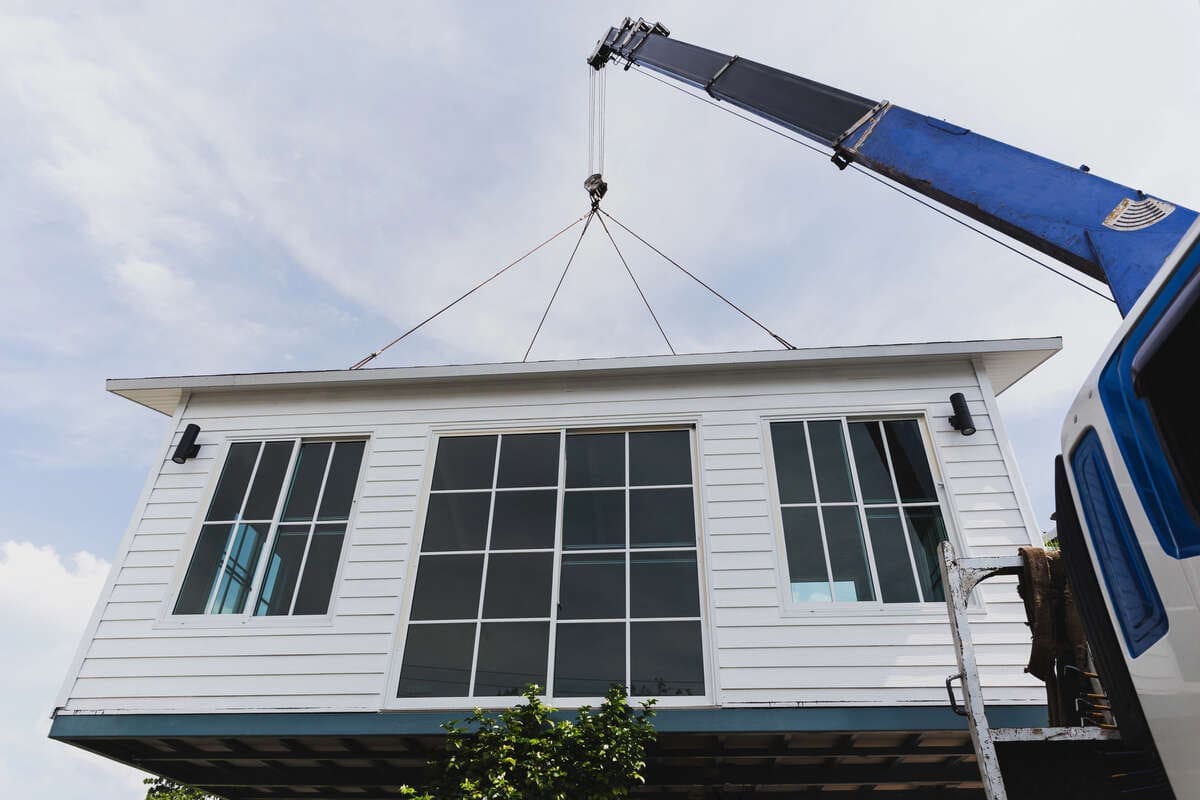
According to the Circular Economy Leadership Canada (CELC), the Canadian construction industry “generates one-third of total solid waste in Canada (equal to more than 4 million tonnes of waste per year).” Other reports by the same organization put that figure upwards of 40 percent. In addition to waste, the industry is a major player in natural resource consumption and depletion across North America. According to a study by the King County municipal government in Washington state, the US Geological Survey estimates that “60 percent of all materials flow (excluding food and fuel) in the US economy is consumed by the construction industry.”
This waste directly results from the construction industry following a traditional linear “cradle-to-grave” model. Materials are extracted, processed, assembled, demolished and disposed of in landfills at the end of their useful lives. Standard building practices squander the embodied energy invested in construction and contribute to escalating waste streams.
As P. Crowther of the Queensland University of Technology in Australia states, “If buildings were designed for disassembly, the alarmingly high rates of waste disposal from demolition could be avoided.” By shifting from demolition to disassembly, the industry can increase the probability that every component –from cladding to structural systems – can be reused or recycled, thereby extending its service life and reducing environmental impacts.
The Circular Economy and DfD

Get the Green Building Project Checklist
Use this handy checklist on your next project to keep track of all the ways you can make your home more energy-efficient and sustainable.

The circular economy prioritizes using materials for as long as possible. It provides the framework for designing products and processes that minimize waste through reuse, recycling and the regeneration of natural systems. In contrast to the traditional linear “take-make-dispose” approach, a circular economy rethinks resource flows to maximize value extraction and reduce environmental impact.
Design for Disassembly (DfD) applies these circular principles to the built environment. It involves designing buildings with the entire lifecycle in mind so they can be easily deconstructed at the end of their use, allowing components and materials to be recovered, reused or recycled rather than discarded.
Key Pillars of DfD
While the concept of Design for Disassembly isn’t new, it is still in its infancy on the practical level. It offers actionable steps to preserve our natural resources and extend the working life of building materials through thoughtful planning and skillful action. The following are some critical concepts in the effective execution of the DfD strategy:
Durable and Valuable Materials – DfD requires the construction industry to view materials and existing buildings differently. Instead of seeing a structure slated for demolition as waste destined for the dump, it asks that we view it as a bank of resources we can withdraw from and use elsewhere. Therefore, the materials chosen to construct buildings must be durable and maintain their value over time, especially after they are salvaged.
While necessary for sustainability, this practice also protects the industry from material cost instability. We all remember the roller-coaster ride lumber prices experienced during the COVID-19 pandemic. When material prices rise, traditional demolition becomes less economically viable. Instead, constructing with materials engineered for longevity – such as mass timber – should be prioritized during design phases.
Information for Future Disassembly – A critical yet often overlooked element of DfD is the availability of clear, accessible information. The absence of adequate information frequently undermines the potential for material recovery and reuse. Therefore, a key element of DfD dictates that designers and architects provide detailed data about each material, including its properties, installation process and guidelines for disassembly. This critical information eliminates the guesswork in future deconstruction efforts.
Reversible and Non-Destructive Connections – The connecting of building components is a pivotal factor in determining whether a building can be disassembled without damage. To maximize material reuse, connections should be made accessible, reversible and non-destructive. For example, the construction process should prioritize mechanical connectors over chemical adhesives because the former allows the assembly to be separated during deconstruction.
Integral and Independent Assemblies – Beyond materials and connections, how components are assembled within a building affects the feasibility of future disassembly. DfD dictates that a well-designed assembly should have structural integrity while being independent enough to remove individual components without disrupting the whole system. This feature also includes separating critical building functions like HVAC, electrical and plumbing systems to make them easier to separate, reuse or recycle.
If buildings become a tangled mishmash of interdependent elements, deconstruction will quickly become chaotic and inefficient. Instead, designing assemblies with a clear separation between structural, envelope and interior systems supports parallel disassembly, minimizing disruptions and maximizing material recovery.
The Future is Circular
Designing for disassembly represents the future of sustainable construction, aligning with the urgent need to achieve carbon neutrality and waste reduction. By rethinking materials, information management, connections and assemblies, architects and engineers can create resilient, adaptable, and, most importantly, circular buildings.
The potential benefits are immense: reduced waste, lower greenhouse gas emissions, economic savings and the preservation of natural resources. As we move towards a future where the construction industry regards every building as a repository of valuable, recoverable materials, we lay the foundation for a sustainable built environment. In this future, every component has the potential to live many lives.
Read more on this topic in 5 of the Most Recyclable Materials Used in Construction (and 5 that are Not).
Images from Depositphotos