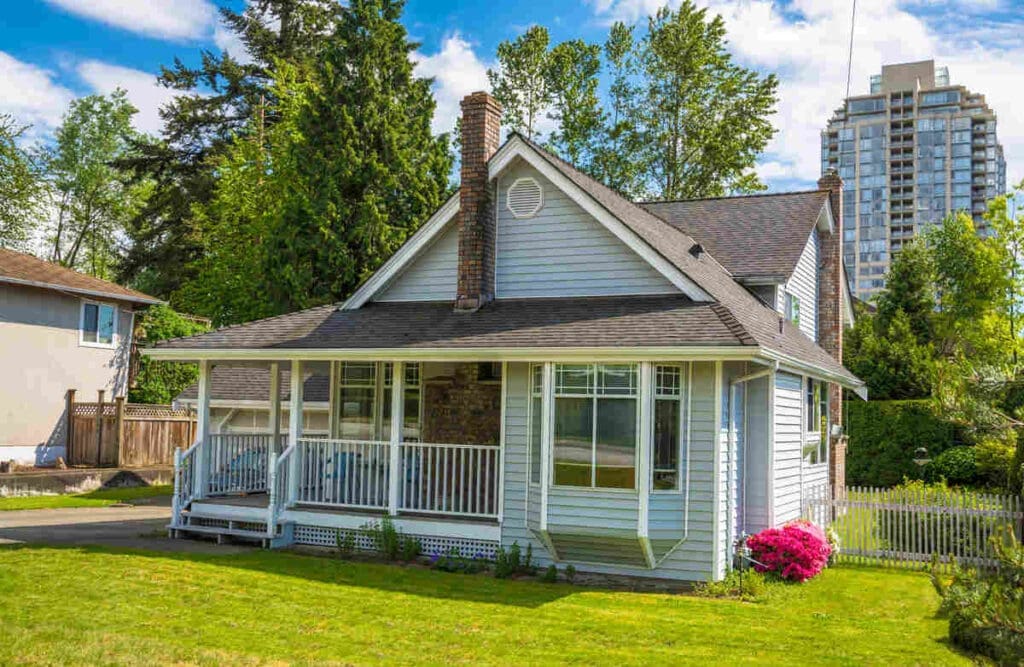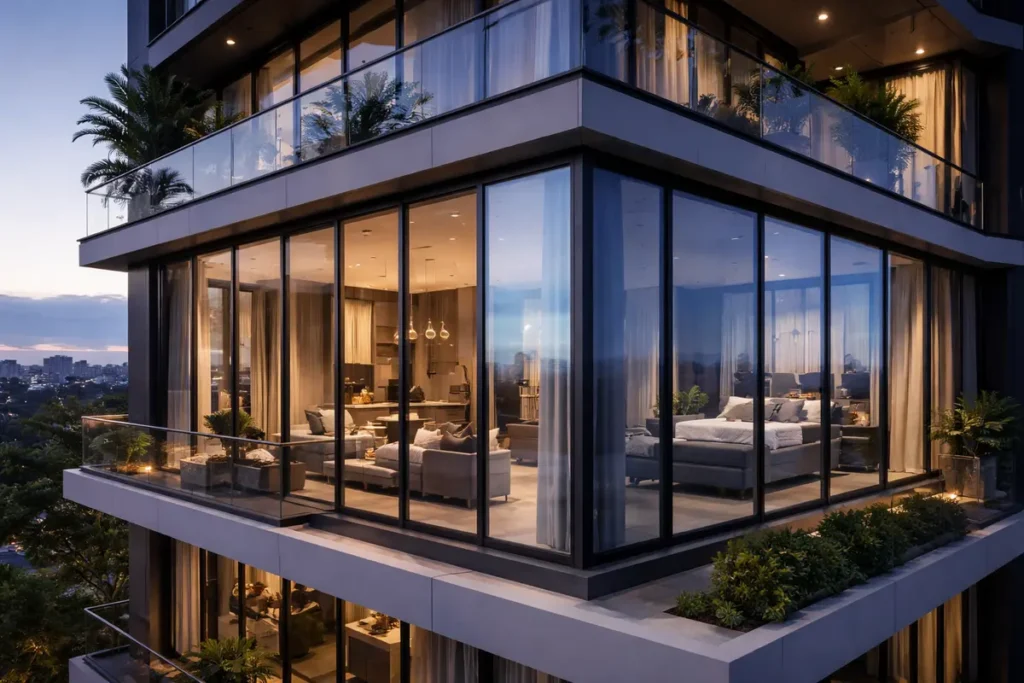
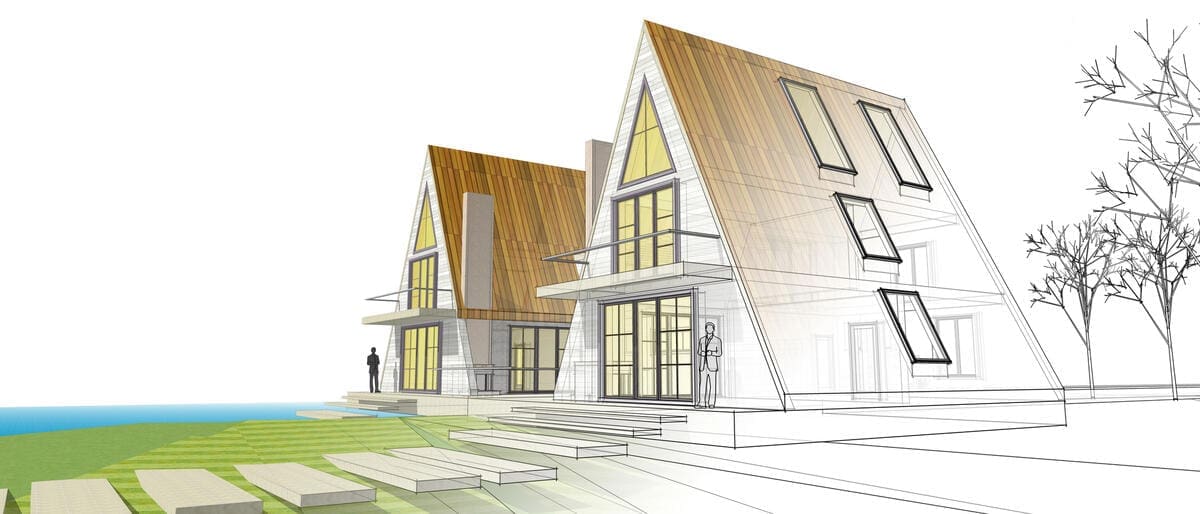
A couple of winters ago, I spent a weekend at my friend Glen’s new home outside Surrey. That’s where I really felt what an energy-efficient home does. I remember it being really blizzardy outside, and we stayed pretty warm and comfortable inside without the furnace working overtime. The reason? A smart energy-efficient design – Glen told me he worked with a custom home designer to get his home done perfectly for our harsh Canadian climate.
Look, building or designing an energy-efficient home in Canada isn’t just about being eco-friendly – it’s practical thinking and also savings. With our freezing winters and increasingly hot summers, thoughtful design can really slash your energy bills while creating a more comfortable living space.
This guide, based on Glen’s recent experience will walk you through the essentials of creating a custom home that works with our climate instead of fighting against it. Whether you’re planning a new build or renovating, these steps will help you create a home that’s comfortable year-round without breaking the bank on utility bills.
What is an Energy-Efficient Home?
My old man used to tell me you could judge a home’s warmth by the number of sweaters you wore indoors during January. By that measure, I’m sure many Canadian homes will fail miserably.
Point being, an energy-efficient home simply requires less energy to maintain comfort than conventional buildings. It’s like the difference between a paper cup and a thermos – both hold your drink, but one keeps it hot for hours while the other lets the heat go in minutes.
Also, energy efficiency doesn’t necessarily require complex technology. It all boils down to thoughtful design, careful construction and smart material choices working together to create a home that naturally maintains comfort regardless of outside conditions.
Key Elements of an Energy-Efficient Home
Get the Green Building Project Checklist
Use this handy checklist on your next project to keep track of all the ways you can make your home more energy-efficient and sustainable.
Superior Insulation – Think of insulation as your home’s winter coat. In Canada’s climate, you need a really good one. Proper insulation creates a continuous thermal barrier that keeps heat where you want it – inside during winter and outside during summer.
Air Sealing – Even the best-insulated home wastes energy if air leaks through cracks and gaps. Careful air sealing ensures your heated or cooled air stays put. I’ve seen homes with excellent insulation perform terribly because nobody addressed air leakage.
High-Performance Windows and Doors – In older homes, windows are often energy vampires. Modern windows and doors can significantly improve efficiency.
Efficient HVAC Systems – With a well-insulated, airtight home, you need much smaller heating and cooling systems. This means lower upfront costs and reduced operating expenses.
Heat Recovery Ventilators (HRV) – Increasingly becoming a requirement with building codes, HRVs provide fresh air while minimizing heat loss
Water Management – Smart water management – from low-flow fixtures to efficient water heaters – saves both water and the energy needed to heat it.
Renewable Energy – Once you’ve reduced your energy needs, renewable systems like solar panels can help supply what little energy you still need –sometimes producing more than you use.
Step-by-Step Process for Designing an Energy-Efficient Home in Canada
Step 1: Understand Your Climate Zone
Building strategies that work in Vancouver can be disastrous in Winnipeg. Canada spans multiple climate zones, each with unique challenges. Here are some general guidelines.
Southern coastal BC – Mild but wet winters, moderate summers
Southern Ontario/Quebec – Cold winters, humid summers
Prairies – Very cold winters, warm summers
Northern regions – Extremely cold winters, cool summers
Check Natural Resources Canada’s climate maps and speak with local builders who understand regional challenges. Your local building code specifies minimum requirements, but for true efficiency, you’ll want to exceed these basics.
Step 2: Optimize Location and Orientation
If building new, site selection and home orientation dramatically impact efficiency:
- Position your home to capture southern sun exposure in winter
- Use natural windbreaks (hills, trees) to block prevailing winter winds
- Consider the microclimate of your specific property
A builder I worked with in Montreal saved his client nearly 15 percent on heating costs simply by shifting the home’s orientation to better capture winter sunlight and shelter it from north winds.
Step 3: Design with Efficiency in Mind
- Keep the building shape relatively compact—complex shapes have more surface area for heat loss
- Place most windows on the south side, with fewer on north and west exposures
- Group similar temperature zones together in your floor plan
- Plan for future technologies like solar panels or home automation
Step 4: Super Insulate Your Building Envelope
Canadian building codes set minimum insulation levels, but for true efficiency, go higher:
Walls – Aim for R-30 or better (code minimum is typically R-20)
Attics – Push toward R-60 (code is often R-40)
Foundations – Don’t forget under-slab and foundation wall insulation
Consider techniques like double-stud walls, exterior continuous insulation or structural insulated panels (such as ICF, Insulated Concrete panels) to achieve higher R-values without excessive wall thickness.
Step 5: Create an Airtight Building Envelope
This is crucial yet often overlooked. A drafty, well-insulated home still wastes energy.
- Implement a continuous air barrier throughout the entire structure
- Pay special attention to junctions and transitions between different materials
- Seal all penetrations for plumbing, electrical and ventilation
High-performance homes target airtightness levels of 1.5 air changes per hour (ACH) or lower – significantly better than building code minimums.
Step 6: Install High-Performance Windows and Doors
In Canadian climates, windows matter enormously:
- Triple glazing should be your standard in most regions
- Look for insulated frames (fiberglass or quality vinyl)
- Pay attention to solar heat gain coefficients – higher SHGC on south windows captures free solar heat, while lower SHGC on west windows prevents overheating
- Ensure proper installation with correct flashing and air sealing
Step 7: Choose Efficient Mechanical Systems
With reduced heating and cooling loads, you can install smaller, more efficient systems:
- Consider air-source or ground-source heat pumps
- Install heat or energy recovery ventilators for fresh air without energy loss
- Look at high-efficiency water heating options
- Size equipment properly – oversized systems waste energy
A colleague of mine built a 2,000 sq. ft. home near Ottawa that’s heated entirely with a small ducted heat pump and a backup electric resistance system that rarely runs – a setup that would be impossible without the highly insulated envelope.
Step 8: Add Renewable Energy
With dramatically reduced energy needs, renewable sources become viable:
- Solar PV works well even in northern Canada
- Solar thermal can supplement domestic hot water
- Consider battery storage for resilience during outages
Step 9: Verify Performance
Once built, test to ensure you got what you paid for:
- Blower door testing for airtightness
- Thermal imaging to identify any insulation gaps
- Commissioning of mechanical systems
Benefits of Energy-Efficient Homes
Energy Efficiency and Building Longevity
There’s something satisfying about knowing your investment in a home will last. Multi-generational homes are often built or renovated with energy efficiency in mind, which brings unexpected maintenance benefits.
Energy-efficient houses experience fewer failures in terms of building envelopes as they maintain the assembly and building elements at ideal temperature and moisture conditions. Less maintenance and fewer headaches translate to significant savings over time, not to mention the reduced environmental impact.
Cost Savings
My neighbour’s energy-efficient renovation cut his heating bills by 60 percent compared to similarly-sized homes on our street. The upfront investment paid for itself in under 8 years through utility savings.
Comfort Improvements
No more cold drafts, temperature swings or huddling by the heater. Energy-efficient homes provide consistent comfort throughout.
Environmental Impact
The average Canadian produces 3.2 tonnes of GHG emissions annually. A well-designed efficient home can cut this by 50-80 percent.
Long-term Value
As energy codes tighten and awareness grows, efficient homes typically command premium resale values and sell faster than conventional homes.
Future of Energy-Efficient Homes
The landscape for energy-efficient homes in Canada continues to evolve:
- Net-zero ready is becoming the new high-performance standard, with builders across the country offering this level of efficiency.
- Building codes are steadily tightening, with BC’s Energy Step Code leading the way toward higher minimum requirements.
- Prefab construction is making high-performance buildings more accessible and consistent.
- Smart home integration continues to advance, allowing more precise energy management.
Some Help From The Government
The federal government, provinces and many municipalities and utilities offer incentives for energy-efficient upgrades. These programs typically cover improvements like insulation, high-efficiency heating systems, and window upgrades – perfect for creating comfortable spaces for multiple generations while lowering your environmental footprint.
You can explore the many programs available using our Incentive Finder.
As we part ways, please understand that designing an energy-efficient home in Canada isn’t just about saving money on utility bills and being kind to the environment (though that’s a big bonus!). The best part is every year, building materials and techniques for these high-performance homes are becoming more affordable and accessible. So really, now it’s no longer about whether you can afford to build an energy-efficient home – it’s whether you can afford not to.
Trust me, your future self (and your pocket) will be forever grateful for the choices you make now. It’s really a win-win.
Images from Depositphotos