Most people probably think that gardening is a “green” or eco-friendly activity. That, unfortunately is not a given. There are certain choices gardeners make that can be harmful to the environment, as well as choices that can be beneficial to the environment. Read on to find out what those beneficial choices are.
Save the Bees!
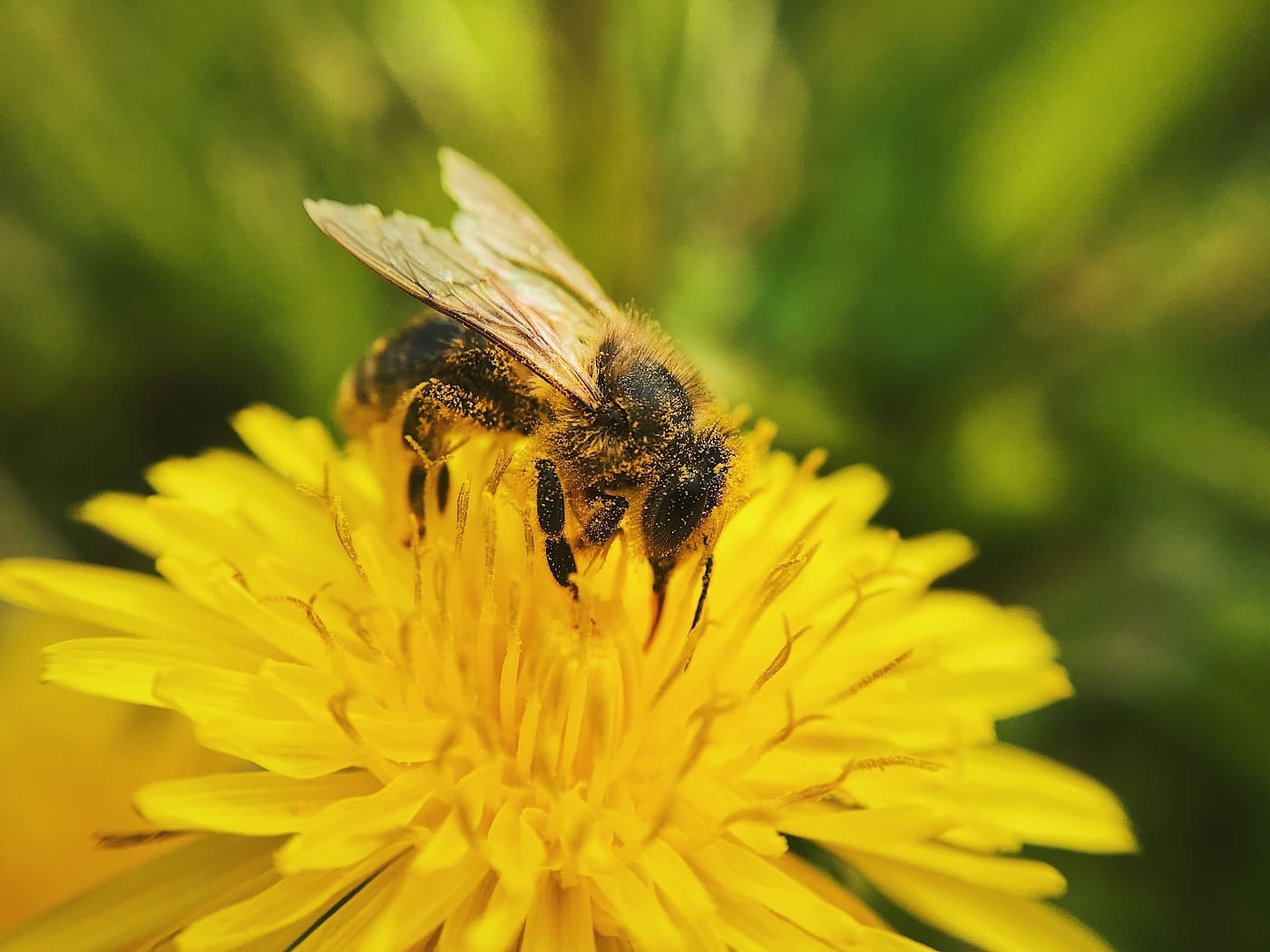
Bees are disappearing and dying at alarming rates, and they’re key to our agricultural system, as they’re needed to pollinate plants. About a third of our food supply is all thanks to bees! Fortunately, there are some simple ways you can help bees by making mindful choices in your garden.
Perhaps surprisingly, bees thrive in an untidy garden! Mow your lawn less and don’t kill the nectar-producing dandelions, clover and creeping thyme that can help sustain bees. Manicured lawns aren’t good habitats for bees or any other wildlife, and actually have a history of being just a status symbol.
It’s better for the environment to plant native types of flowers, shrubs and trees, instead of planting grass seed. Woody plants are incredibly important to bees, as they provide habitats for them, as well as sources of pollen and nectar.
It’s a great idea to make a bee bath that will not only help bees, but can also help other “good” insects such as ladybugs and butterflies. A shallow dish on the ground, with some stones to serve as “islands,” can make a perfect watering hole for our helpful pollinators and their friends.
Most importantly, be sure to buy organic plants and avoid the use of herbicides and insecticides (especially neonics), as these are very harmful to bees. Herbicides and insecticides aren’t good for the environment or humans, either—we’ll talk about some alternatives directly below.
Get the Green Building Project Checklist
Use this handy checklist on your next project to keep track of all the ways you can make your home more energy-efficient and sustainable.
Pests and Weed Control
Most chemical pest control options are extremely harmful, and end up killing more than the pests. Roundup by Monsanto is a popular choice, but is toxic even for humans. Even chemical products that claim to be biodegradable or all-natural may not be, so you need to choose wisely.
Here are some safe and organic substances that will enable you to get rid of pests and weeds without harming humans, bees or the environment:
Bacillus thuringiensis – A naturally occurring pesticide that bees are immune to
Vinegar – A classic herbicide that’s quite effective at killing weeds (Just remember to leave those dandelions and clover plants for our bee friends!)
Epsom salt – It’ll keep slugs and snails away from your veggies, and is also an excellent fertilizer for tomatoes and peppers
Chrysanthemums, marigolds and lavender plants – A few examples of plants that repel pests and are pest-resistant
Corn gluten – Can be used as a weed killer
Kaolin clay – Mix it with water and spray the stems of plants to deter pests
Neem oil – An effective repellant for aphids, mites and even fungal diseases
Essential oils – Oils such as peppermint, eucalyptus and rosemary are good insect repellants that can be used on people, as well as in the garden
Birds are also a natural insecticide, as they’ll eat slugs and grubs that can harm your garden. Install bird feeders to encourage birds to visit your space and manage the pests in your garden. An added benefit is getting to birdwatch from the comfort of your own home!
Even though there have been many options for bee-friendly pest control provided here, remember that an imperfect garden or landscape is actually more beneficial to wildlife. As suggested above, this type of garden or landscape is also ecologically friendly, and involves so much less work than keeping a perfectly manicured lawn or garden!
Fertilizers
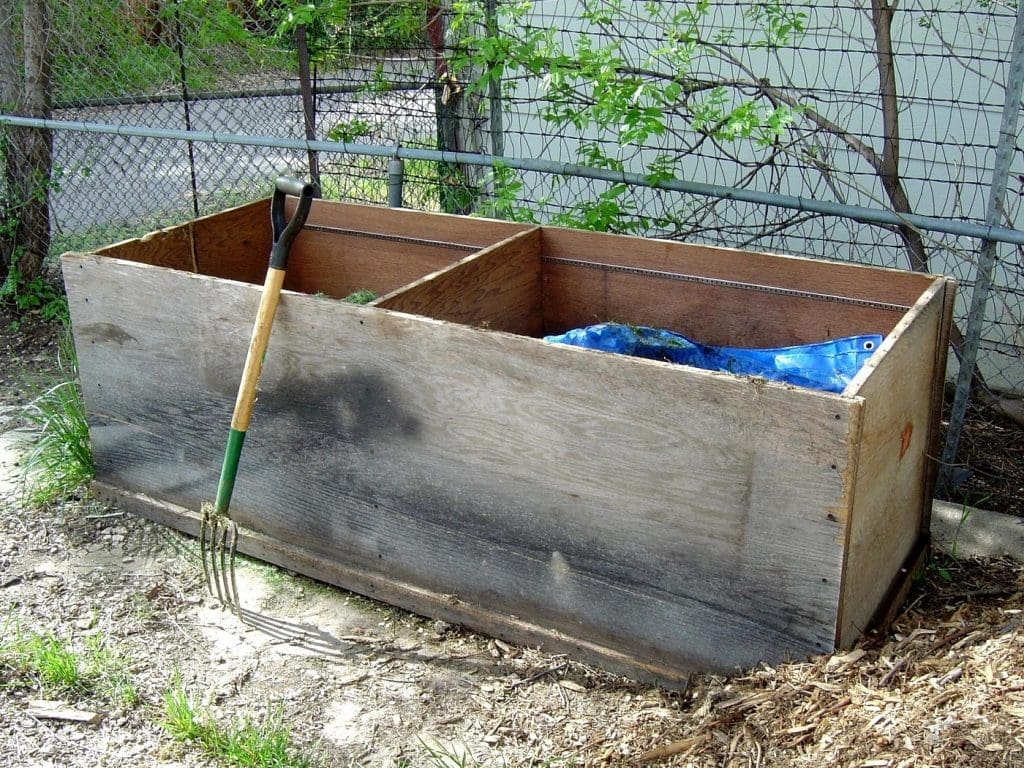
Chemical fertilizers are harmful to bees, “good” insects and wildlife, and aren’t really good for humans, either. You could argue that a domestic garden or veggie patch doesn’t need much in the way of fertilizer, but if you must have it, consider using compost and manure exclusively.
You can make your own compost by getting a compost bin that you can turn periodically, and putting some soil and worms in there to help process your food scraps. You’ll even have the option of getting a dual-compartment compost bin, so that while one side is “processing,” the other side can be used for your garden.
Home compost systems serve a dual purpose, as they help homeowners process any food waste, and after it’s been composted, this waste can then be used to fertilize gardens.
Water Usage
Having a rain barrel (or another rainwater collection system) is an important way to collect water to use in your garden. In most cases, using freshwater is wasteful, especially when rainwater is free and can be effectively collected and saved for later. Some greywater can also be used in the garden, if you happen to have a greywater collection system.
During the gardening season, some municipalities offer rain barrels for free or at a fairly low cost. They can also be found at virtually any hardware store with a gardening department, or you can try finding a secondhand one online (check out local trading groups, Kijiji or Craigslist).
Food-Producing Plants
Fruit- and vegetable-bearing plants and trees are a great addition to any garden. Some don’t require much maintenance, but any effort you put into maintaining food-producing plants will pay off when it comes time for the harvest.
Growing your own food will save you the travel costs and emissions associated with frequent trips to the grocery store. It will also allow you full control over the types of chemicals that your food is exposed to—no pesticides or harmful chemical fertilizers will be necessary!
Fruits and vegetables that are grown seasonally can be preserved in jars or dried into jerky for off-season times. Alternatively, they can be cooked or baked into meals that can be frozen for convenience at a later date.
Reduce Water Usage
One of the greatest impacts a garden space has on the environment is the amount of water it takes to keep all your plants looking lush and green. To reduce the amount of water your garden is using, invest in water collection barrels or tubs that can collect rainwater from every downpipe. You can even consider a water storage tank if you get a lot of rainfall.
Avoid using a sprinkler on your garden, as this tends to use water inefficiently by coating the leaves and causing a wide mist. If you want an automated watering system, set it up so it waters the roots of your plants instead, offering greater benefits to your greenery and preventing unnecessary water wastage.
Other ways to conserve water in your garden include:
- Moving plants into larger pots that hold water for longer
- Repairing any water leaks in the garden from gutters, ponds and water features
- Keeping the grass longer in summer
- Replacing drought-prone areas of lawn with environmentally friendly artificial grass
Make Use of Recycled Materials
We all want a garden area that looks the part, especially if you use the area for entertaining friends and family. Garden furniture and accessories, however, can introduce lots of unfriendly materials into your garden. Instead, make the most of your creativity and utilize recycled products. Pallets, railway sleepers, old scaffolding boards and even old wooden furniture can all be used to create brand new garden furniture that looks good and gives you the pride of having made it yourself.
Additionally, rather than splurge on many plastic garden pots, make use of recycled bathtubs, buckets, pipes and even old milk jugs – anything that can securely hold planting material can be used as a planter!
There are plenty of resources available for finding free and cheap materials to use in your garden: social media, Freecycle groups and your local paper are a great place to start. You can also ask at your local trade counters or industrial units for spare palettes that would otherwise be thrown away.
Make Compost
Just as we should recycle and reuse more in our daily lives, we should make better use of food waste, paper shreds and garden waste by composting. Compost is excellent for encouraging healthy growth in your garden and is a great way to avoid throwing additional stuff in your household waste bin. Better yet – you won’t have to buy fertilizer if you are making it yourself!
Compost adds key nutrients to your plants and improves the water-retention of your soil, helping plants to grow strong and preventing plant diseases. To ensure your compost is high-quality, it needs to contain more carbon-rich materials than nitrogen.
Nitrogen-rich materials help to produce the enzymes that break down the waste and create the compost mix. Nitrogen-rich materials (known as “green”) include:
- Manure (avoid feces from meat-eating pets)
- Food scraps
- Lawn clippings
- Kitchen waste
Carbon materials ensure the compost is light, fluffy and easy to spread among your plants. Carbon materials (known as “brown”) include:
- Branches, dried leaves and stems
- Peelings
- Coffee filters and coffee grounds
- Egg shells
A good general ratio is to have one-third green materials to two-thirds brown materials. It’s easy to tell by smell if your ratio is off – too much nitrogen will lead to a bad-smelling pile that takes a long time to break down. A good ratio breaks down reasonably quickly and will smell fresher when exposed to the air.
Plan to devote about 1 cubic metre – 1 metre wide by 1 metre long by 1 metre high (35 cubic feet) for your composting system. Select an area that gets a moderate amount of sunlight – the warmth will help decomposition but if the sun is too strong, you might struggle with moisture loss. Include distance from your home in your planning. A very long walk might make your composting habits less sustainable.
You can choose an open or a closed composting system. If you live in a highly populated area (highly populated either by humans or by visiting wildlife), a closed composter is your better choice.
Remember that your compost scraps will need moisture and oxygen in order to decompose efficiently. Turn the compost every week or so to increase airflow and check the moisture levels while you’re turning. If it seems dry, sprinkle on some water.
Remember—In a Green Garden, Less is More
Gardening—and eco-friendly gardening, in particular—doesn’t have to be a labour-intensive chore. Keeping up a lower-maintenance garden, without a lot of weeding, spraying, mulching and such, is ultimately a far more environmentally-friendly pursuit than maintaining a perfectly manicured and weed-free lawn (otherwise known as a barren wasteland for bees, butterflies and ladybugs!).
To read more about gardening, visit How to Build a Simple Greenhouse With Recycled Materials»