Average Cost of Solar Panels in Alberta
Discover installation costs, savings, payback period, incentives and the factors that drive costs (Updated for 2025)

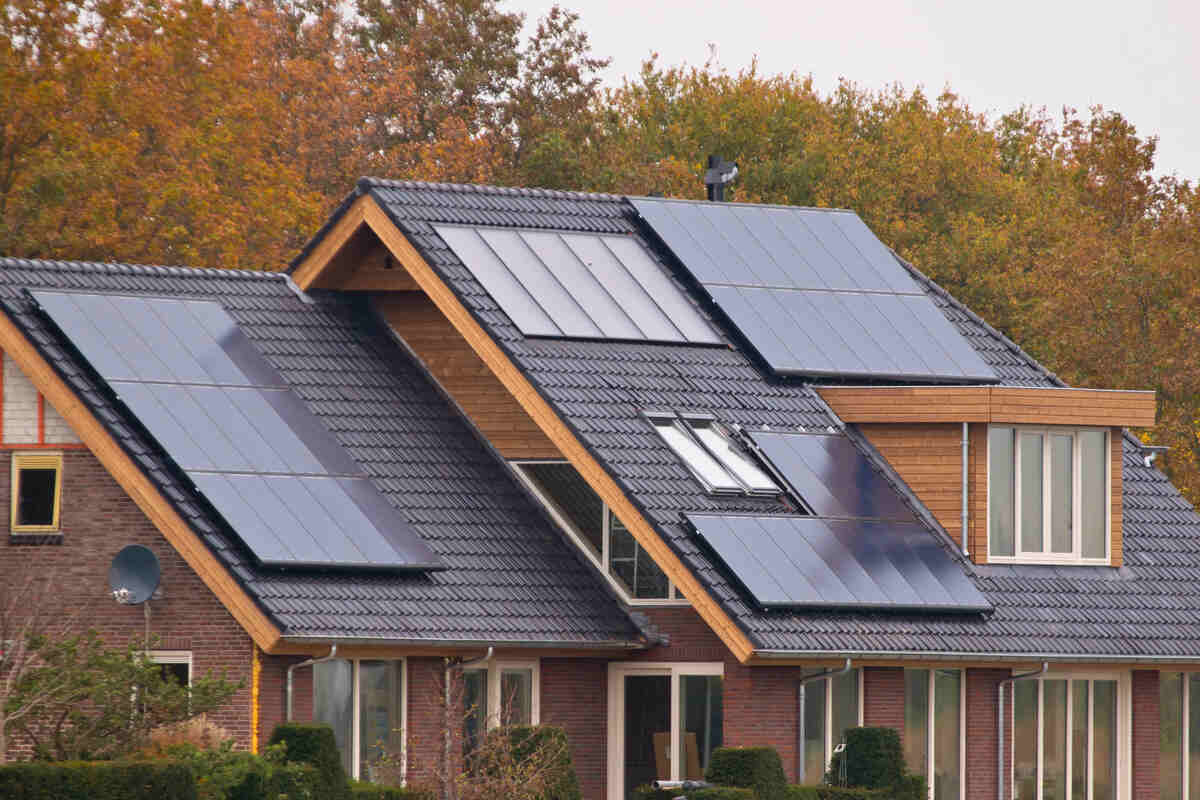
Thinking about going solar? The first question most homeowners ask is simple: how much will it cost? Read on to find out what you can expect to pay for a solar panel system in Alberta, the breakdown of typical installation expenses and financial incentive programs that you can take advantage of.
How Much Do Solar Panels Cost in Alberta?
How much you’d spend on a solar PV system depends on multiple factors such as your home’s energy consumption, the system’s size, roof size, etc. Typically, a home in Alberta consumes 7,200 kWh. The average solar potential in Alberta is 1,258 kWh/kWp/year. This means that, with a 6 kWp solar system, you can meet all your home’s energy needs when spread out over the year.
On average, the cost of roof-mounted solar panels in Alberta costs between $2.50-$3.00/Watt. This adds up to $15,000-18,000 for a 6 kWp system.
Average Cost of Solar Panel Installation in Alberta and Payback Period
Here’s a breakdown of what a solar PV installation will cost you on average in Alberta, how much you’ll save every year and the estimated payback period of the system
| System Size | Cost Before Incentives | Cost After Incentives | Annual Savings | Estimated Payback Period |
| 6 kW | $15,000 – 18,000 | $10,000 – $13,000 | $604 – $980 | 10 – 21 years |
| 8 kW | $20,000 – $24,000 | $15,000 – $19,000 | $805 – $1308 | 11 – 24 years |
| 10 kW | $25,000 – $30,000 | $20,000 – $25,000 | $1006- $1635 | 12 – 25 years |
Get the Green Building Project Checklist
Use this handy checklist on your next project to keep track of all the ways you can make your home more energy-efficient and sustainable.
In the table above, a $5,000 incentive was assumed, and electricity rates were assumed to fall within the range of 8 ¢/kWh – 13 ¢/kWh. Electricity rates would depend on the market and your electricity plan, whether you have chosen regulated or competitive rates.
Payback periods vary widely because actual system performance depends on several factors such as the solar panel and installation costs, available incentives, your electricity rates and site conditions such as shading, roof angle and orientation. While typical payback falls in the 10 to 25 year range, many homeowners may see faster returns if they have higher electricity costs or optimal solar exposure.
The Solar Club offers a high summer export rate (30¢/kWh) and low winter import rate (8.49¢/kWh). If you right-size your system to export more than you import in summer, you can accelerate your payback noticeably.
Get a Quote from a Solar Installer Near You
What Drives the Cost of Solar in Alberta
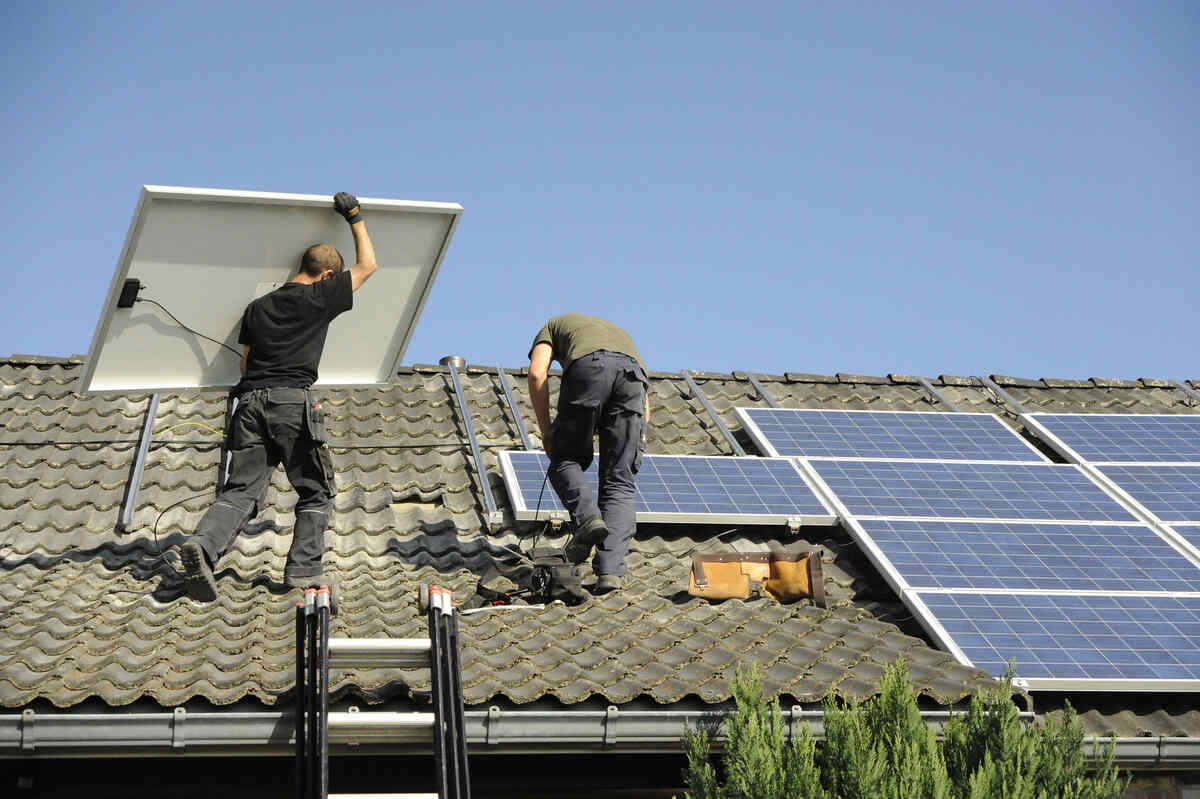
Much of what drives the cost of solar panels in Alberta is similar to other provinces in Canada, but there are some unique province-specific considerations.
Type, size and efficiency of panels – This is a standard consideration when you install solar panels in your home. As you saw in the table above, bigger systems typically show better savings. The fixed costs of installing solar such as the permits and labour are generally spread out and works better for larger systems. Monocrystalline panels are the most efficient type available with efficiencies of 15-22 percent, but they are more expensive. Polycrystalline panels are more affordable, but their quality and efficiencies are lower, peaking at 13-17 percent. Better efficiency means that it will generate more energy and you get better value for your money.
Roof characteristics – To maximize solar potential, your roof should be tilted at an angle that gives your panels maximum solar exposure. Most residential rooftop systems in Alberta will be oriented facing south (towards the equator) at a 30-40° tilt. Adjustable systems can be more accurately tilted according to the season, and these systems will be more expensive. In addition to sky conditions, shading from trees and neighbouring buildings also affect efficiency and these factors will drive the value for your money. If you have a sloped roof, additional reinforcements will add to the cost.
Net-metering and grid connectivity – Alberta’s net-metering program is called the Micro-generation Regulation and is slightly different from that of other provinces. As Alberta is a deregulated energy market, you can choose the electricity distributor you want to partner with as a micro-generator. You need to choose your electricity plan (RoRL, fixed or floating rates) and you will earn credits or payout on your energy imports to the grid based on the rates provided in your plan.
As market rates fluctuate often, contractors will advise right-sizing of your solar system to meet the requirements of your home first, so that you don’t lose money when you buy or sell. Joining the Solar Club will enable you to earn a high rate from exports in summer, but this would benefit you only if you have a system sized enough to meet all your energy needs and then export more.
Urban vs. rural installations – Costs differ between big cities like Calgary and Edmonton vs rural or remote areas. Costs related to travel, transportation of equipment and labour can impact costs. The type of buildings in cities can be different in urban and rural areas. For example, urban areas would have farmlands, open spaces, more roof space that allow greater flexibility in solar installation, while urban areas may pose infrastructural challenges like shade from neighbouring buildings, requiring unique solutions to maximize solar potential.
Climate and weather – Alberta is among the sunniest provinces in Canada. It has cold, sunny winters and clear skies, and this is an advantage as panels are more efficient in cold temperatures. Medicine Hat, Brooks and Lethbridge are the cities with the highest solar potential in Alberta, between 1,368-1,330 kWh/kWp/year, and even smaller solar systems can generate enough to offset a large share of usage.
Alberta experiences high snow accumulation which can reduce output, and maintenance to remove snow needs to be factored in. Hail is also a risk in many parts of Alberta so panels and mounting must be robust. Installers often recommend hail-rated panels or stronger racking systems, which can increase upfront costs compared to provinces without hail risk.
Permits and taxes – Typically, you would need a building permit as you will be altering your roof and an electrical permit. The Alberta Safety Codes Authority levies a building permit fee of $200 for rooftop solar installations and $165 for small energy installations up to 37.2 m², increasing with area.
Unlike other provinces, Alberta does not levy a provincial sales tax, but the 5 percent federal GST applies to solar equipment and installation. Additionally, for net-metering you would need a bi-directional meter to account for the electricity you buy and sell, and this would incur an additional cost.
Insurance Implications – Most home insurance policies consider rooftop solar PV as a permanent rooftop fixture and cover it for fire, theft, wind and hail damage. There could be an increase in your premium after solar installation as solar would raise your home’s replacement cost.
Hail risk in some regions of Alberta, like Calgary, may also raise your premium. It is recommended that you keep documentation related to hail-resistance of panels ready when you talk to your insurer. It is recommended to notify your home insurance provider when you install solar, review your coverage details and be aware of any exclusions. You may want to shop around to see which insurance provider gives you the best coverage deal.
Solar Panel Incentives Available in Alberta
Albertans can take advantage of several federal, provincial and municipal incentives and rebates for installing solar. Keep an eye out for updates on rebate policies, availability, eligibility and incentive details so that you get the best deal possible when you make the switch. Below are the solar incentives available as of September 2025.
Federal Incentives
Canada Greener Homes Loan – This federal policy provides interest-free loans of up to $40,000 to homeowners who undertake energy-efficiency upgrades, including solar panel installations. The loan is repayable over a 10-year period, by which time homeowners would get a payback on their solar systems. Note that the federal government just announced the closure of this loan program – applications for this incentive are ending on October 1.
Provincial Incentives
Seniors Home Adaptation and Repair Program (SHARP) – Eligible seniors can take advantage of this low-interest (currently 4.5 percent) home equity loan of up to $40,000 to finance home adaption and renovations such as energy-efficiency upgrades. Seniors with a household income of $75,000 or less are eligible. There is also a grant that can cover some costs in case some eligibility criteria are not met.
Municipal Incentives
Clean Energy Improvement Program (CEIP) – This program provides loans for energy efficiency and renewable energy retrofits, and can cover entire project costs, with long repayment rates of up to 25 years. CEIP is linked to the homeowner’s property taxes, instead of the homeowner itself. When the owner sells their property, the loan is also transferred to the new owner to be paid off. Currently, the following municipalities operate this program: Athabasca, Banff, Calgary, Canmore, Cold Lake, Devon, Edmonton, Grande Prairie, Leduc, Okotoks, Pincher Creek, Rocky Mountain House, St. Albert, Stirling, Strathcona County, Sturgeon County, Westlock. Other municipalities have plans to launch soon.
Banff Solar Incentive Program – This is a post-install rebate program offering $450/kW of solar in residential buildings and a maximum of 20 kW at $9,000. Commercial buildings can receive $750/kW, and a maximum of 20kW at $15,000.
Canmore Solar Incentive – This program offers rebates of up to $1,250 for small residential homes installing rooftop solar of at least 3 kW. Multi-family units or businesses can get up to $20,000 ($750/kw). Applications for 2025 are closed so homeowners will have to wait for the 2026 applications to open.
Medicine Hat Smart Existing Homes Incentive – Eligible homeowners can receive up to $5,000 for energy-efficient upgrades recommended by EnerGuide. For solar system installations, a maximum of $1,000 can be had. Applications for 2025 are now closed and will reopen next year.
Wetaskiwin Solar Installation Grant Program – The program offers a rebate of $5,000 to homeowners who install solar systems with a minimum of 4 kW. Businesses and non-profits can also apply for the rebate and can receive $5,000 grants for systems of at least 5 kW. Each owner can get only one grant, regardless of the number of properties owned. Applications for 2025 are now closed and will reopen next year.
Long-term Savings
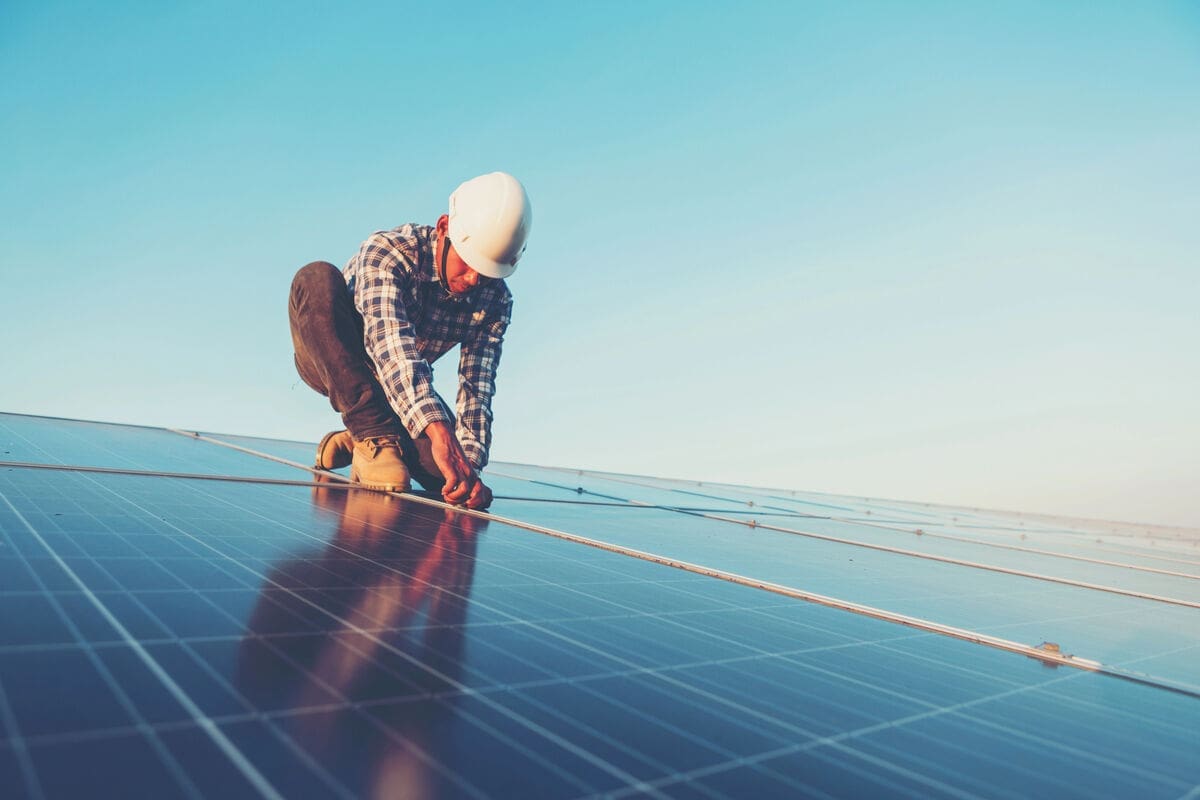
With the policy push towards decarbonizing the energy sector leading to highly uncertain electricity prices, solar will soon be the most stable and trustworthy option. Investing in solar now will enable you to maximize all the rebates and promotional rates while they are still available.
Alberta not only has the right climate to generate ample solar energy, but the government has also created an enabling environment for homeowners to save lots and earn money through the process. If you’ve already made the decision to switch to solar or are still considering it, don’t think twice, go solar.
Images from Depositphotos
Get a Quote from a Solar Installer Near You
The following information helps us to find the best local professional to complete your project. You will be contacted by email shortly after submitting the form.