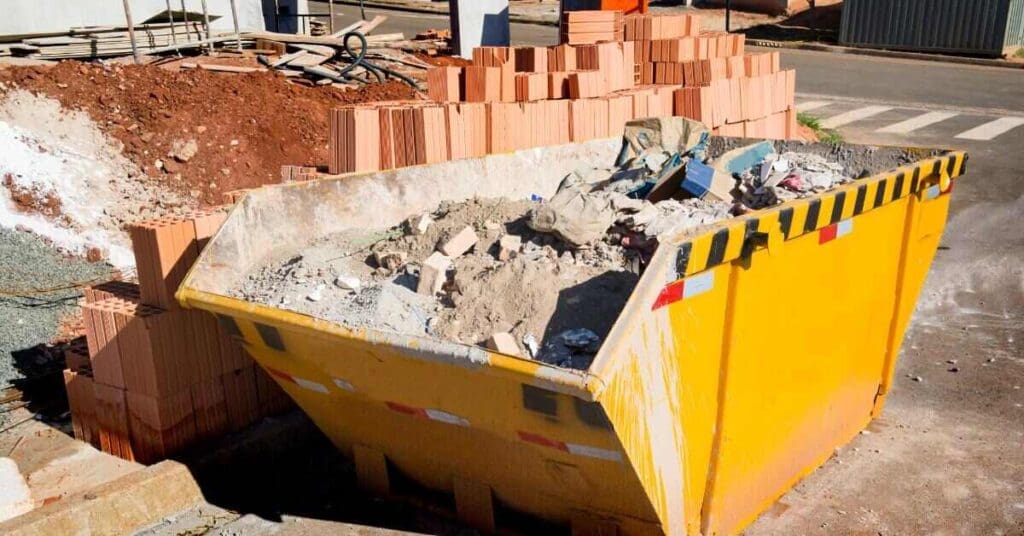
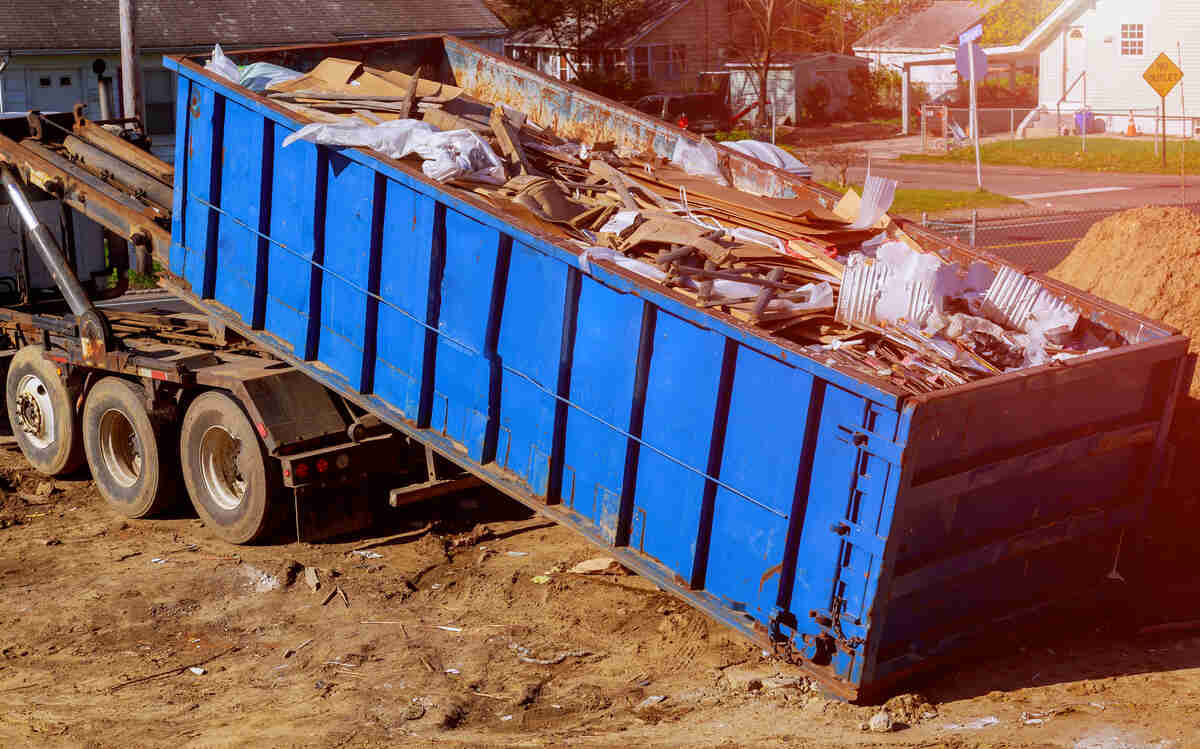
Renting a dumpster is often one of the unexpected expenses that creep up on the project’s financial spreadsheet. How often do we carefully calculate the costs of items, including delivery charges, and overlook the fact that removing obsolete equipment will also contribute to the total project budget? A typical example is the costs of moving home, whether it’s clearing out your old home or making space in your new home, a garbage bin will be required to take care of the waste.
To make matters worse, the cost of the dumpster usually rears its unwelcome head at the end of the project when, if you’re anything like me, the finances are seriously strained. So, to guide you through the process of getting a bin and completing your project with the least amount of discomfort, let’s go through the details of dumpster renting.
Questions to Ask Before Renting a Dumpster
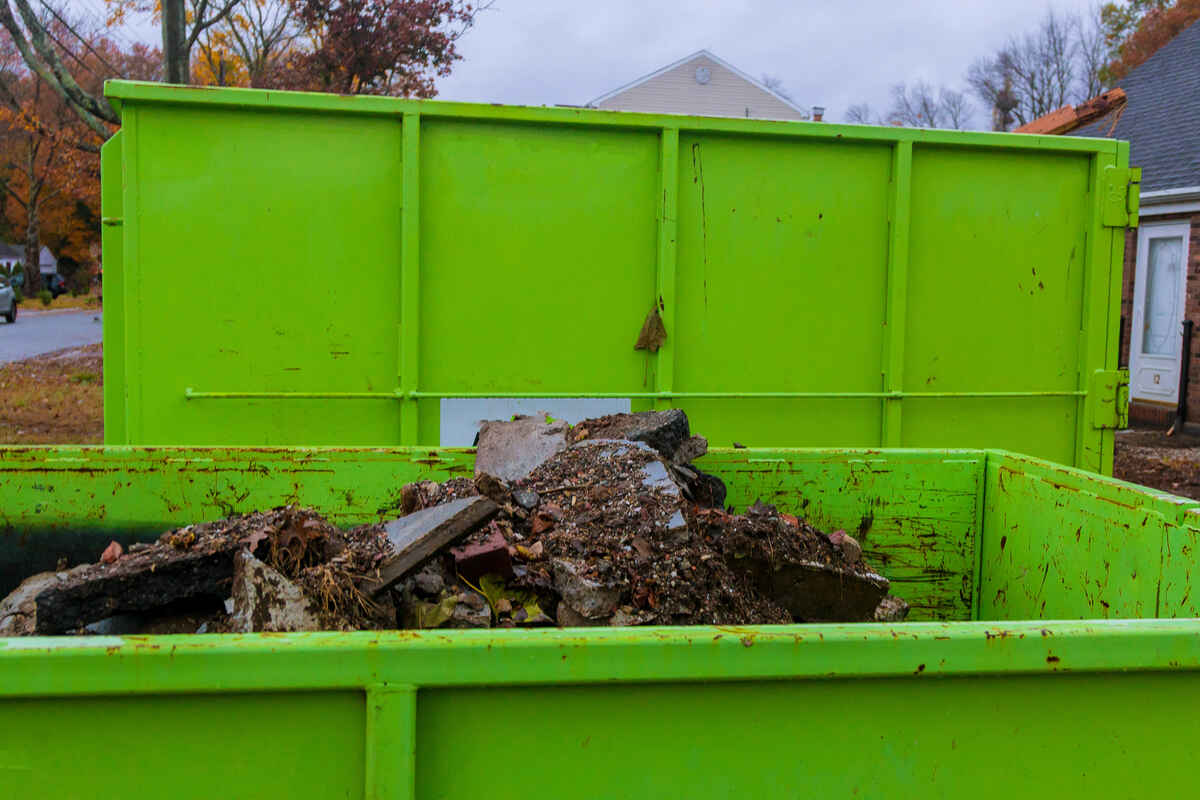
Before contacting dumpster rental companies, take a little time to answer the following questions.
How long will it take to load the dumpster? Typically, dumpsters are rented on a weekly basis, with the option to extend the period if necessary.
How much space will be required to accept the load? Dumpsters are available in a range of sizes, with the price escalating as the size increases. Therefore, carefully consider the amount of material you plan to dispose of and select the corresponding bin size. Be cautious about trying to obtain a cheaper dumpster and overloading it, as this can end up being more expensive in the long run.
Are there any items that may be prohibited from being dumped? Different waste disposal sites have specific items that are not allowed, and the dumpster rental companies will be able to clarify which items may cause problems. For example, flammable or corrosive liquids are not allowed.
Get the Green Building Project Checklist
Use this handy checklist on your next project to keep track of all the ways you can make your home more energy-efficient and sustainable.
Also, determine the position of the dumpster and verify that there are no restrictions that would hinder its offloading. Remember that the dumpster will require sufficient height clearance during offloading.
Establish if you require permission to place the dumpster on your property. Normally, the dumpster rental company will be able to confirm if official permission is required.
Factors That Affect the Price of the Dumpster
The amount of time you need the dumpster on site is usually quoted as a week or between five and ten days. Be sure to check when obtaining quotes what the daily rate is if you need to extend the period.
Also, check if the dumpster company offers a pickup and replacement policy if you need to have the original dumpster removed and a new one brought on site to complete your project.
Keep a close eye on the weight of the materials you are dumping to avoid an additional charge for exceeding the weight limit.
The type and size of the dumpster also significantly impact the price. Processing facilities are geared to accept certain types of material, so if you have a mixed load, it might incur additional transport costs.
Take a look at the section below to get a good idea of the size of the dumpster you need for the amount of disposable material.
How to Estimate the Correct Size of the Dumpster Required for Your Load
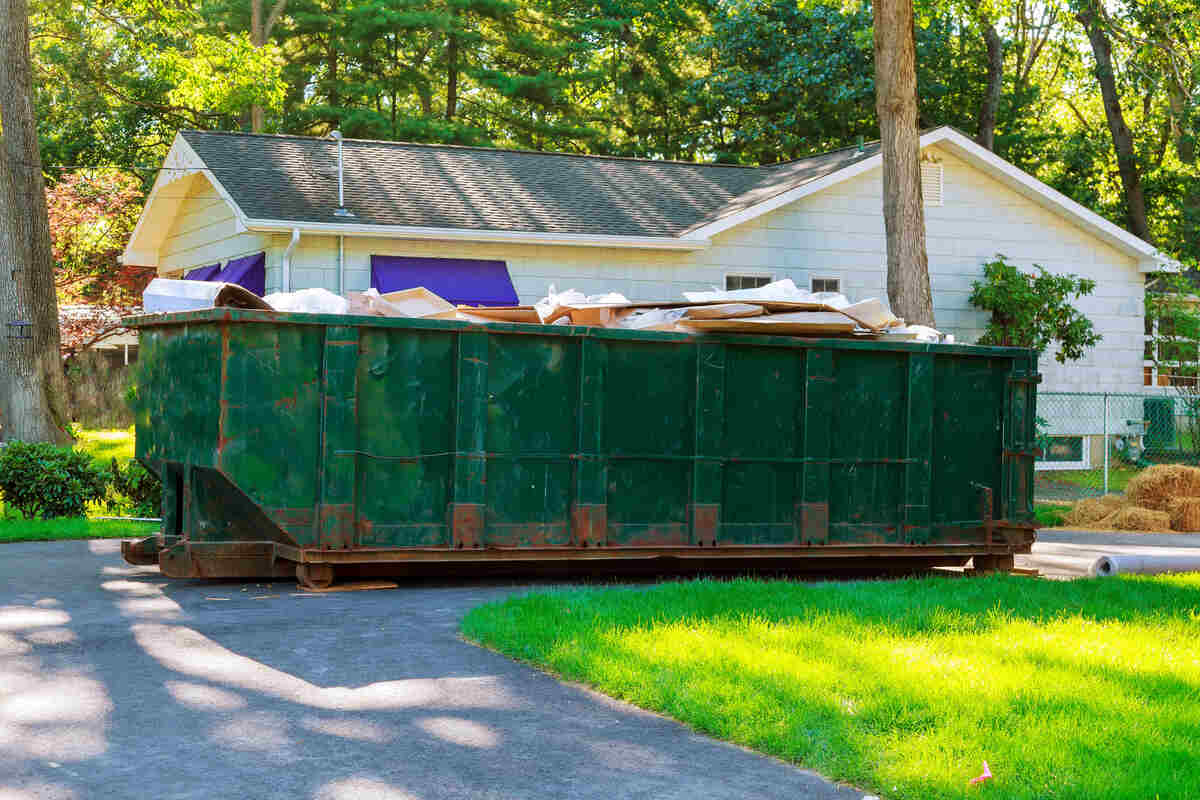
If your project involves clearing out your garage or a room or two, a 10 cubic yard dumpster should be fine; however, if you’re going to tear up some flooring or do a small roofing project, then it would be a good idea to look to a larger bin of between fifteen to twenty cubic yards.
Here’s a handy guide to help you select the correct size dumpster. If you gauge what you can load in an average pickup, then:
10-yard dumpster – holds the equivalent of 5 pickup loads or around 60 trash bags.
20-yard dumpster – holds 10 pickup loads or around 120 trash bags
40-yard dumpster – holds 20 pickup loads or around 240 trash bags.
How Much Will the Dumpster Cost?
The most common size bins range from 10 to 40 cubic yards. For general domestic use, a 10-yard dumpster should easily accommodate the amount of waste. While it is essential to chat to your local dumpster agent regarding the specifics of your load, the range of prices per province does vary. Below are tables outlining the nationwide average cost to rent a bin in Canada as well as the average rental costs by province.
Average Cost of Renting a Dumpster in Canada (By Size)
| Size | Average | Low | High |
|---|---|---|---|
| 10 yard | $383 | $200 | $400 |
| 20 yard | $425 | $300 | $550 |
| 40 yard | $750 | $500 | $1000 |
The Average Cost to Rent a 10-yard Dumpster (By Province)
| Province | Cost |
|---|---|
| Alberta | $400 |
| Ontario | $400 |
| Saskatchewan | $400 |
| British Columbia | $449 |
| Atlantic Provinces | $450 |
| Quebec | $475 |
| Manitoba | $553 |
Items That Are Usually Prohibited in Dumpsters
To avoid unpleasant surprises, you need to specify the type of waste you will be disposing in the dumpster. Items such as tires are prohibited on dumpsites and are better disposed of at recycling depots, where they can be used to make asphalt.
Due to the high creosote content, railway ties are not accepted in dumpsters along with resins and ink. Propane tanks and industrial drums are also not accepted.
Please note that waste containing asbestos, chemicals and paint will not be accepted in the dumpster. Old paint and lacquers are particularly harmful as they often contain mercury and lead. Glues and epoxies are also not accepted in dumpsters because they can bind parts of the load.
Batteries are better disposed of at electronic recycling venues. Similarly, medical waste and needles are also on the prohibited list.
Liquid and food waste are also excluded. If you plan to dispose of drywall, a HAZMAT report will be required.
Refrigerators are not allowed in dumpsters because of the possibility that they may contain toxic gases. Hot water tanks are also not allowed.
Items that may incur additional costs
The following items need to be specified before accepting a quotation.
- Tree stumps
- Upholstered furniture
- Mattresses and box springs
Flat Rate or Variable Rate: Which is Better for Your Project?
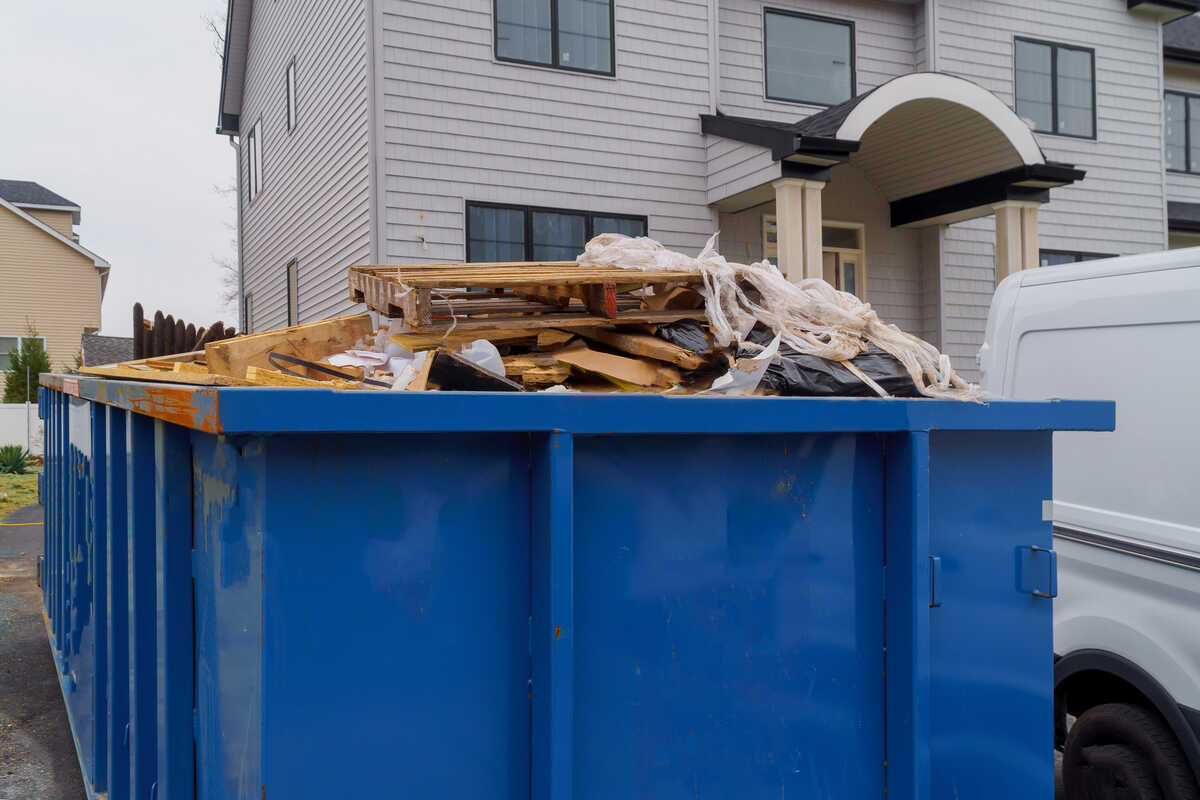
There are two main ways in which a garbage bin rental cost is priced: flat-rate pricing and variable-rate pricing.
Flat-rate – A fixed charge is agreed upon upfront. The benefit of this system is that it provides a set price, but it can also mean that you will be paying for items that may not be necessary, such as costs for heavy loads when your load may be lightweight domestic items. On the other hand if you’re doing demolition and you’re filling the bin up with heavy construction materials it’s a good option.
Variable-rate – The price starts with the essential items and then adds additional costs as they arise. The danger here is that you may be offered an attractive low price, but after all the extra items have been added, it may work out more expensive. For example, additional costs will be incurred if some items in your load require specific permissions, such as tires, drywall or appliances.
Both pricing methods rely on accurate load descriptions, so it’s essential to share this information with the bin rental company to secure the best price when obtaining quotes.
The golden rule is, as always: If it looks too good to be true, it probably is.
Read more on this topic in Green Building Guide to Construction & Demolition Waste Recycling.
Images from Depositphotos