The Cost of Heating Your Home in Canada
Comparing Installation, Utility and Maintenance Costs of Heat Pumps vs Gas Furnaces vs Hybrid Systems

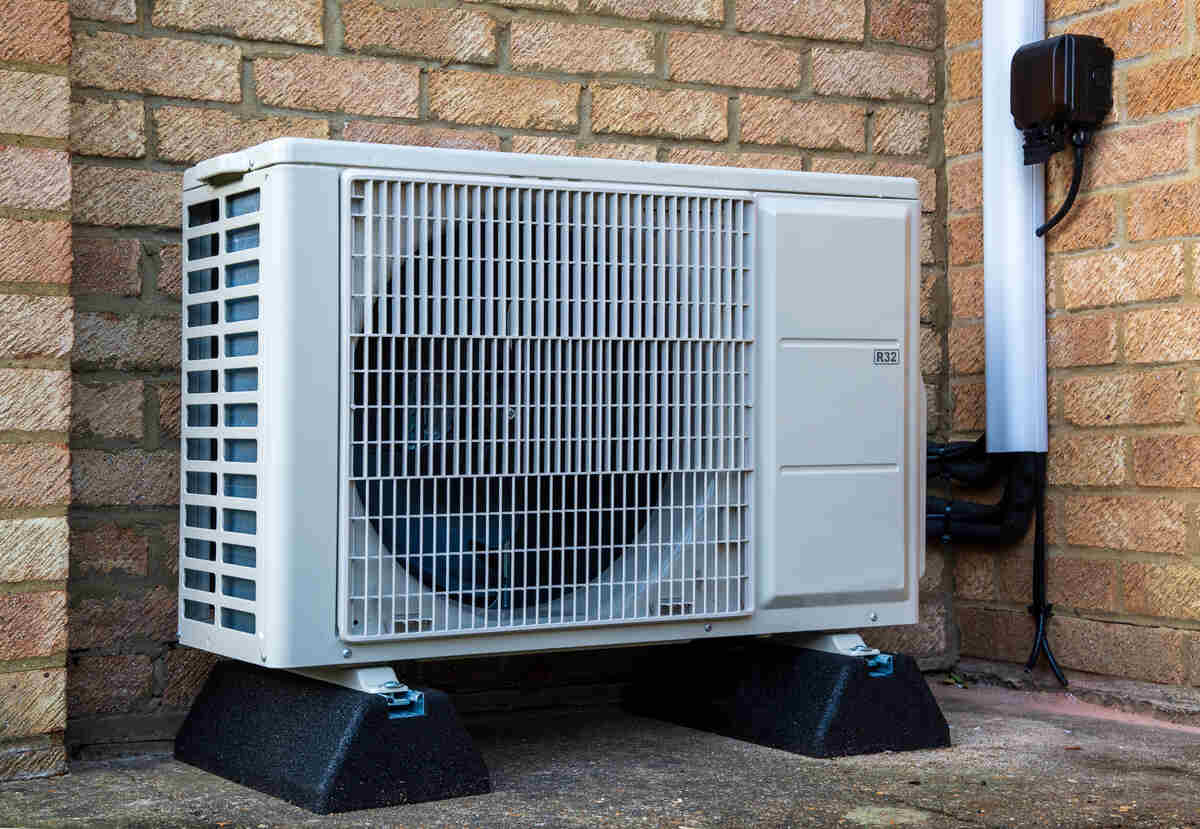
To switch or not-to switch has been the central theme of heat pump debates. Governments and utilities are promoting them, contractors are installing them at a record pace and climate advocates point to their potential to cut emissions.
But for homeowners with a perfectly good gas furnace already running in the basement, does switching actually make financial sense? In the end, for most households, the answer comes down to cost. So, let’s look more closely at what it costs to heat a Canadian home, comparing heat pumps, gas furnaces and hybrid systems.
The Fundamental Difference
Before we get to the costs, it’s important to understand the mechanics. A gas furnace creates heat by burning fuel. Even the best units top out around 95 percent efficiency, meaning about 95 cents of every dollar spent on gas becomes heat.
Heat pumps work differently. Instead of generating heat, they move heat that already exists in the outdoor air (even when it’s cold outside) using the same refrigeration cycle as a fridge in reverse. Because they move energy rather than create it, modern heat pumps can operate at 300 to 400 percent efficiency (i.e. deliver three to four units of heat for every unit of electricity consumed). This difference in efficiency is the foundation of the cost debate.
Keeping this thermodynamic gap in mind, whether it makes financial sense in practice depends heavily on where you live, what you pay per unit for gas versus electricity and how cold your winters get.

Get the Green Building Project Checklist
Use this handy checklist on your next project to keep track of all the ways you can make your home more energy-efficient and sustainable.
Cost of Gas Furnaces vs Heat Pumps vs Hybrid Systems
The upfront numbers are where the gas furnace scores. A typical gas furnace can be installed for between $4,100 and $9,500, while high-efficiency models add roughly $1,000 and a high-efficiency condensing model adds roughly $1,000 to that.
A heat pump, on the other hand, costs $8,000 and $25,000 to install before incentives, depending on how efficient and advanced a system you prefer. The benefit, however, is that a heat pump replaces two machines with one, handling both heating and cooling.
Installation cost is a one-time event. Running costs continue throughout the life of the appliance, and this is where heat pumps begin to close the gap.
The key variable is the ratio between your local electricity rate and your gas rate. If electricity is cheap relative to gas in your area, a heat pump will cost noticeably less to run. If gas is cheap and electricity expensive, the advantage narrows, but the heat pump’s thermodynamic efficiency often means it still wins, or at minimum breaks even, even in less favourable utility markets.
Operating Costs
Based on typical cost ranges at $0.35–$0.55 per m³ for gas and $0.13–$0.19/kWh, estimated heating costs for a typical 2,000 square-foot home in a moderate climate like coastal British Columbia or parts of Atlantic Canada would be:
| System | Estimated cost |
| Gas furnace | $1,200-$1,800 |
| Cold-climate heat pump | $700-$1,300 |
| Hybrid system | $900-$1,400 |
In provinces with low electricity prices, such as Quebec and Manitoba, heat pumps often deliver significantly larger savings. Modern cold-climate heat pumps are designed to operate efficiently at temperatures as low as -25°C, maintaining useful output even during cold snaps.
Tim Grant, a heat-pump owner in Toronto, talks about how his insurance provider charged him an additional $200 premium when he told them about his switch to a heat pump. When he browsed through Reddit conversations about others’ experiences, he saw that some people said they paid the same premium and others who got a discount.
Trish Long from Switch Heat Pumps insists that homeowners must definitely inform their insurance provider once they make a switch to ensure there are no added costs in the future.
Canada’s federal carbon pricing system also affects heating costs. Because the charge applies to fossil fuels such as natural gas but not to most electricity generation, it gradually increases the relative cost of gas heating compared with electric systems like heat pumps. Long agrees that heat pumps and hybrid system owners are better placed when it comes to the carbon tax implementation.
The economics of heating systems vary dramatically by geography. Three factors matter most: local electricity and gas prices, how cold winters get, and the lowest temperatures a system must handle.
The Incentive Landscape
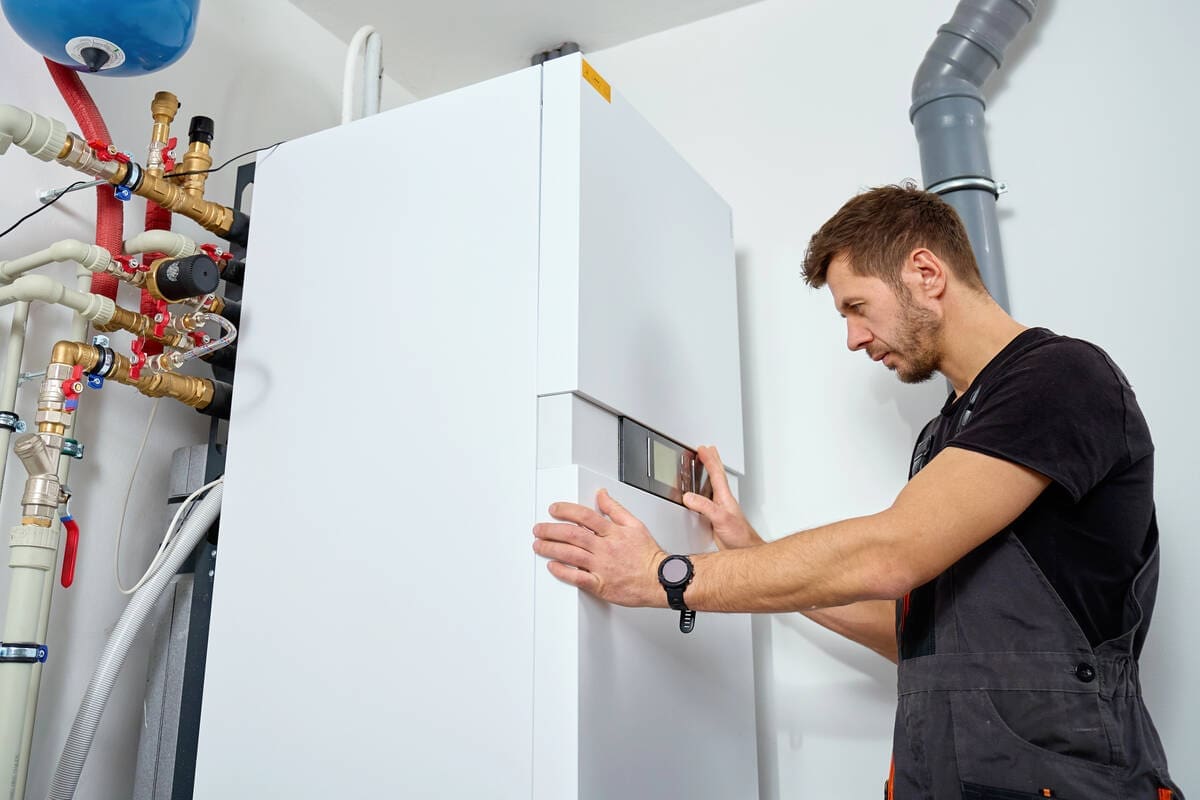
The economics of heat pumps in Canada are heavily influenced by rebates and financing programs. Over the past few years, federal and provincial governments have introduced incentives aimed at reducing home heating emissions and helping households transition away from fossil fuels.
Several provinces now offer their own incentives. In Ontario, the Home Renovation Savings Program provides rebates of up to roughly $7,500 for cold-climate air-source heat pumps, while British Columbia’s CleanBC program and Quebec’s Rénoclimat program offer similar support. Because these programs vary by province, household income, and available funding, the real installed cost of a heat pump can differ dramatically across the country.
Ten-Year Total Cost of Ownership
Installation and utility costs tell only part of the story. A more useful measure is the total cost of ownership over time. The following scenarios assume moderate climate conditions and current average utility rates.
10-Year Total Cost of Ownership – Moderate Climate, 2,000 sq. ft.
| Cost | Gas furnace + AC | Heat pump | Hybrid system |
| Installation | $9,000-$14,000 | $10,000-$18,000 | $12,000-$20,000 |
| Heating Costs (10 years) | $12,000-$18,000 | $7,000-$13,000 | $9,000-$14,000 |
| Cooling Costs (10 years) | $2,500-$4,000 | Included in Heating Costs above | $2,000-3,000 |
| Maintenance (10 years) | $1,500-$2,500 | $2,000-$3,000 | $2,500-$3,500 |
| Gas Service Charges | $2,400-$4,800 | $0 | $2,400-$4,800 |
| Estimated 10-year total | $27,400-43,300 | $19,000-$34,000 | $27,900-$45,300 |
The headline figure here is striking: a heat pump’s ten-year total can run $14,000 to $17,000 less than a gas-plus-AC combination, even accounting for its higher upfront cost. The hybrid system occupies a genuine middle ground, significantly cheaper to run than a gas-only setup, but more expensive to install and maintain than a pure heat pump.
The Case for Each System
Gas Furnace
If you’re in a region where natural gas prices are exceptionally low and electricity rates are high, the operating cost gap narrow, and gas might offer higher economic value.
Gas has a practical edge during power outages, as most gas furnaces require only a small amount of electricity for ignition and controls. In climates with extremely harsh winters, prolonged stretches below -18°C, a gas furnace delivers consistent heat regardless of outdoor temperature with minimum efficiency degradation.
Heat Pump
For most homeowners in moderate to cool climates, an air-source heat pump is a financially superior choice on a total cost of ownership basis. The combination of lower operating costs, elimination of a separate AC system and elimination of gas connection fees tilts the economics decisively.
Modern cold-climate models have also transformed the calculus. A unit that operates efficiently at -25°C was unimaginable a decade ago and is now commercially viable.
Grant talks about his experience switching from gas. He describes how he initially had a hard time adjusting because, unlike a gas furnace, the most efficient way to use a heat pump is to run it all day. “Our home was much quieter with a heat pump, and the comfort was great especially because we had a leaky envelope,” he quips.
Heat pumps are often paired with a backup electric resistance heater, providing a second layer of protection. “If your heat pump breaks down while you’re away on vacation, you don’t have to worry about pipes freezing,” Long says. “The electric resistance backup automatically kicks in and keeps the house warm.”
Hybrid System
The hybrid is a pragmatist’s choice. It pairs an electric heat pump that handles the bulk of the heating season at high efficiency, with a gas furnace that kicks in when outdoor temperatures drop to the point where gas becomes cheaper or when the heat pump reaches its design limits. Hybrid systems can reduce heating costs by roughly 30 percent compared with gas-only systems, while providing full heating capacity even in extreme cold. If you already have a working gas furnace, adding a heat pump as part of a hybrid system can be a practical entry point.
Long suggests that hybrid systems offer consumers a great way to save costs. She explains that with backup, heat pumps can work at night to heat up your home when time-of-use costs are low, and then after 7 am when the rates are higher, the heat pump can simply maintain warmth.
What About Propane and Oil?
Homeowners heating with propane or oil rather than natural gas face a different calculation. Propane and heating oil are significantly more expensive per BTU than natural gas in most markets, often two to three times more per unit of heat delivered. To these homeowners, the economic case for switching to a heat pump can be especially strong, even before factoring in incentives. A Natural Resources Canada study showed that replacing oil furnaces with heat pumps could result in annual savings of $1,000 to $3,000.
Which System Should You Choose?
The right system depends on climate, energy prices and how long you plan to stay in your home. Gas furnaces may still make sense in regions with extremely cold winters, frequent power outages or very low natural gas prices. Heat pumps tend to make more financial sense where electricity prices are competitive and homeowners plan to stay long enough to benefit from lower operating costs. Hybrid systems offer a middle ground, combining the efficiency of heat pumps with the reliability of gas during extreme cold.
Long emphasizes that no matter which system a homeowner may choose, air tightness plays a more important role. In aging buildings, especially, poor insulation or air leakage can impact the savings achieved through a heat pump switch.
In addition to drafts and poor insulation, Long points out that leaky ducts can impact efficiency of HVAC systems. “9 out of 10 homes in Toronto have leaky ducts.” She also points to duct sealing technologies such as Aeroseal as one way to reduce energy loss and improve system performance.
Heat pump adoption has been rising rapidly across North America as cold-climate technology improves and governments introduce incentives. For many Canadian households replacing an aging heating system today, the heat pump is no longer just the progressive option, it is increasingly the financially prudent one. As more homes switch from burning fuel to moving heat with electricity, those individual decisions add up to something larger: a shift in how Canadians heat their homes and reduce the emissions that drive climate change.
WATCH || Heat Pump vs Gas Furnace – Which is the Best Choice For You?
Images from Depositphotos