

A pool can be a homeowner’s dream come true, but it can also be a nightmare for the environment with all the water and chemicals it uses. However, there is something you can do to reduce your pool’s environmental footprint: you can convert your pool to salt water. By doing this you’ll cut down on your chemical use. Here we’ll show you how to make the conversion.
Environmental Impact of Chlorine
Chlorine is harsh for organic matter in the pool. It is also a major eye and skin irritant. Even its origins are problematic. Mercury is still often used to produce chlorine, which comes with its own environmental hazards.
When you add chlorine compounds to your swimming pool, such as chlorine gas or hypochlorite salts, they can contribute to local air pollution and may have environmental impacts if not properly managed.
However, a number of different alternatives are now available, and one can get them for a lower cost, too. Ozonator systems and natural mineral sanitizers are two of the most popular alternate solutions.
One can also use plants in a natural, non-chemical pool to keep the pool in great shape. In natural ecosystems, there are a number of aquatic plants that help in maintaining the chemical balance of the water body. They naturally inhibit the growth of algae and bacteria too.
A saltwater pool is another option that’s usually easier on the body and also has a softer feel to it. Although these pools still use chlorine, they use less of it than traditional chlorine pools.
How are Salt Water Pools Better for the Environment

Get the Green Building Project Checklist
Use this handy checklist on your next project to keep track of all the ways you can make your home more energy-efficient and sustainable.
Saltwater pools are more environmentally friendly than traditional chlorine pools as long as the pool receives proper maintenance and care. Here are some reasons why a salt water pool is better for the environment.
Reduced chemical usage – Saltwater pools use a salt chlorine generator to produce chlorine from the salt dissolved in the water. This means they require fewer additional chemicals compared to traditional chlorine pools, which often need regular additions of chlorine tablets or liquid chlorine.
Lower chlorine levels – Saltwater pools typically maintain lower chlorine levels compared to traditional chlorine pools. While both types of pools use chlorine for sanitation, saltwater pools generate chlorine continuously and at a steady rate, resulting in more stable chlorine levels. This can reduce the risk of over-chlorination and the formation of harmful disinfection byproducts.
Softer water – Many people find that the water in saltwater pools feels softer and more pleasant compared to the water in traditional chlorine pools. This is because saltwater pools have lower levels of chloramines, which are compounds formed when chlorine reacts with organic matter in the water. As a result, saltwater pools often require less additional chemicals to maintain water balance and clarity.
Reduced chemical handling: Since saltwater pools require fewer additional chemicals and maintenance products, there’s typically less chemical handling and storage involved. This can reduce the risk of accidental spills or exposure to harmful chemicals.
Long-Term cost savings – While the initial cost of installing a salt chlorine generator for a saltwater pool may be higher than that of a traditional chlorine pool, saltwater pools can offer long-term cost savings due to reduced chemical usage and maintenance requirements.
How to Convert a Chlorine Pool to a Salt Water One
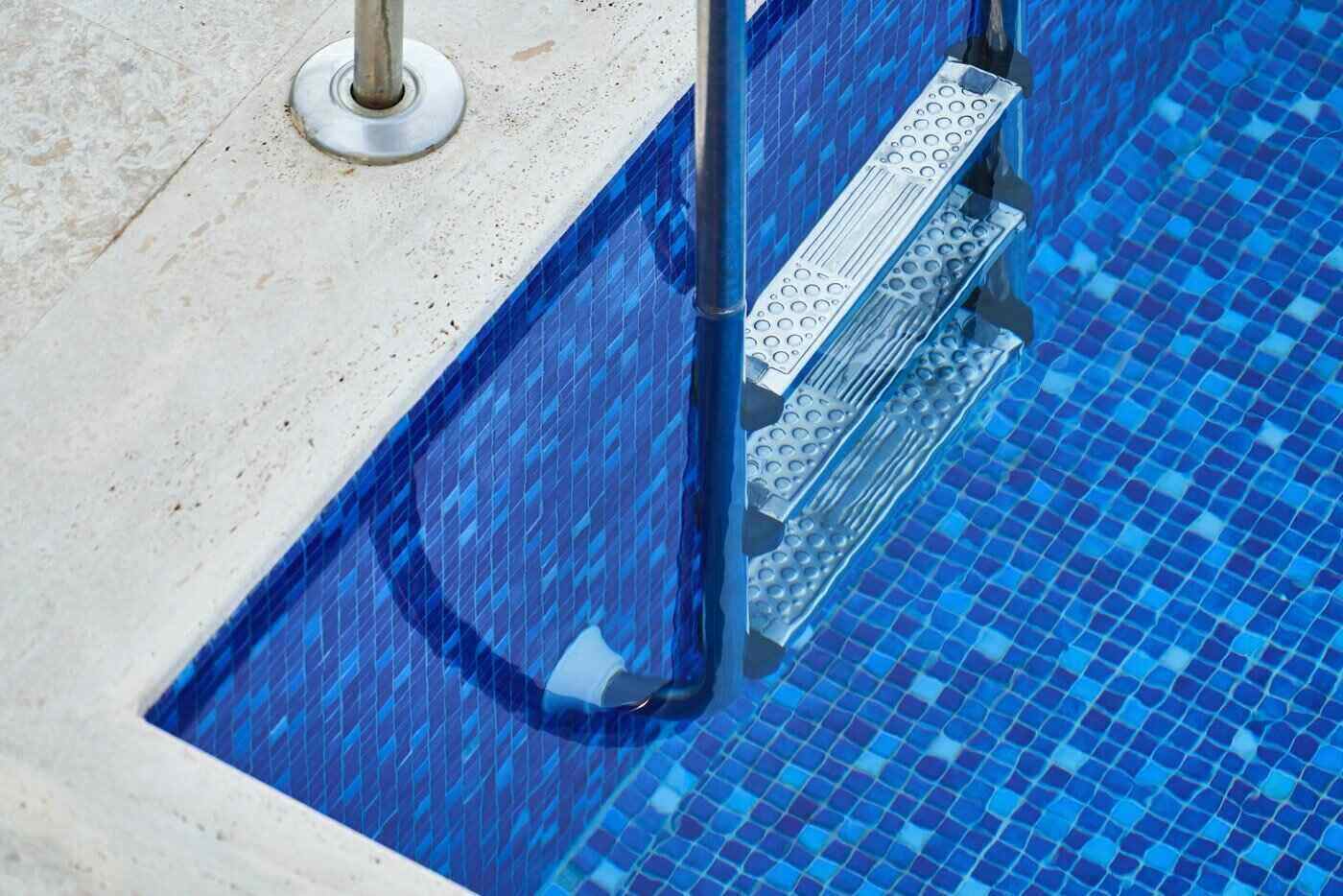
Size and Capacity
The size of the pool will dictate how much of all the chemicals one will need and what to do with them. Usually, the manufacturer’s guide will state the capacity of the pool, but a calculator can do the trick too. Knowing the capacity of the pool will help you figure out how much salt will be needed to convert the pool.
Testing Chemical Levels
Now that one knows the capacity of their pool, the next step is to test the water. Testing kits can be found easily at most hardware stores and are used to check each of the chemicals that might be present in the pool.
In most cases, kits will measure alkalinity, pH, chlorine, calcium hardness, and cyanuric acid. After testing to make sure levels are in the acceptable range, add salt to the pool. Otherwise, adjust these levels as needed to ensure they fall within the recommended ranges.
Install Salt Chlorine Generator
Research and purchase a suitable salt chlorine generator for your pool size. These systems typically consist of a control panel and a cell that is installed in the pool’s plumbing system.
Follow the manufacturer’s instructions to install the generator. This usually involves mounting the control panel in a suitable location near the pool and connecting the cell to the existing plumbing system.
Add Salt
Each salt chlorinator has a range specified in the owner’s manual, but in general, the average salt concentration is 3200 ppm. Use pool-grade salt and add it gradually. If someone has a big pool and needs a lot of salt, then it’s best to get good quality salt right from the get-go. It helps avoid any problems that might come with inexpensive salts.
Move the salt around with a pool brush so that it’s equally distributed. The amount of salt needed will depend on the capacity of the pool. The owner’s manual will contain the required amount, but when in doubt, consult a pool expert.
Adjust the Salt Level
Allow the salt to circulate in the pool for at least 24 hours, then test the salt level using a salt test kit. Adjust the salt level as needed to reach the optimal range recommended by the salt chlorine generator manufacturer.
Pepper
Pool pepper is very different from the pepper that people put on eggs, but it’s a useful maintenance product that extends the life of the salt chlorinator and enhances water clarity.
Not only that, it also keeps the pH balanced and prevents calcium scaling. Add the pepper to the pool water only when the pool pump is running and sprinkle it on top of the pool. Do not do this on a windy day, as the pepper can end up in unwanted places.
Add pool pepper every week or so, and you’ll see an improvement in chlorine levels and less pH fluctuation over time. You can even add pepper in front of the return jet so that it goes all across the pool instantly.
Converting your pool to salt water isn’t hard, but it will require some effort and calculation to get it right. While it won’t eliminate the use of chemicals (and the environmental issues that come with them), it can at least lower your chemical use.
Feature image: Chris Goodwin; Image 1: Engin Akyurt

Great choice—converting your pool to saltwater offers gentler, softer water, reduced chemical use, and easier maintenance, making your swimming experience healthier and more enjoyable while preserving the longevity of your pool.