
Insulate & Convert
How to Convert a Garage to Living Space and Improve Insulation

In this weekly Q&A column, retired builder/building inspector Cam Allen answers readers’ home renovation questions. Have a question? Enter it in the form below.
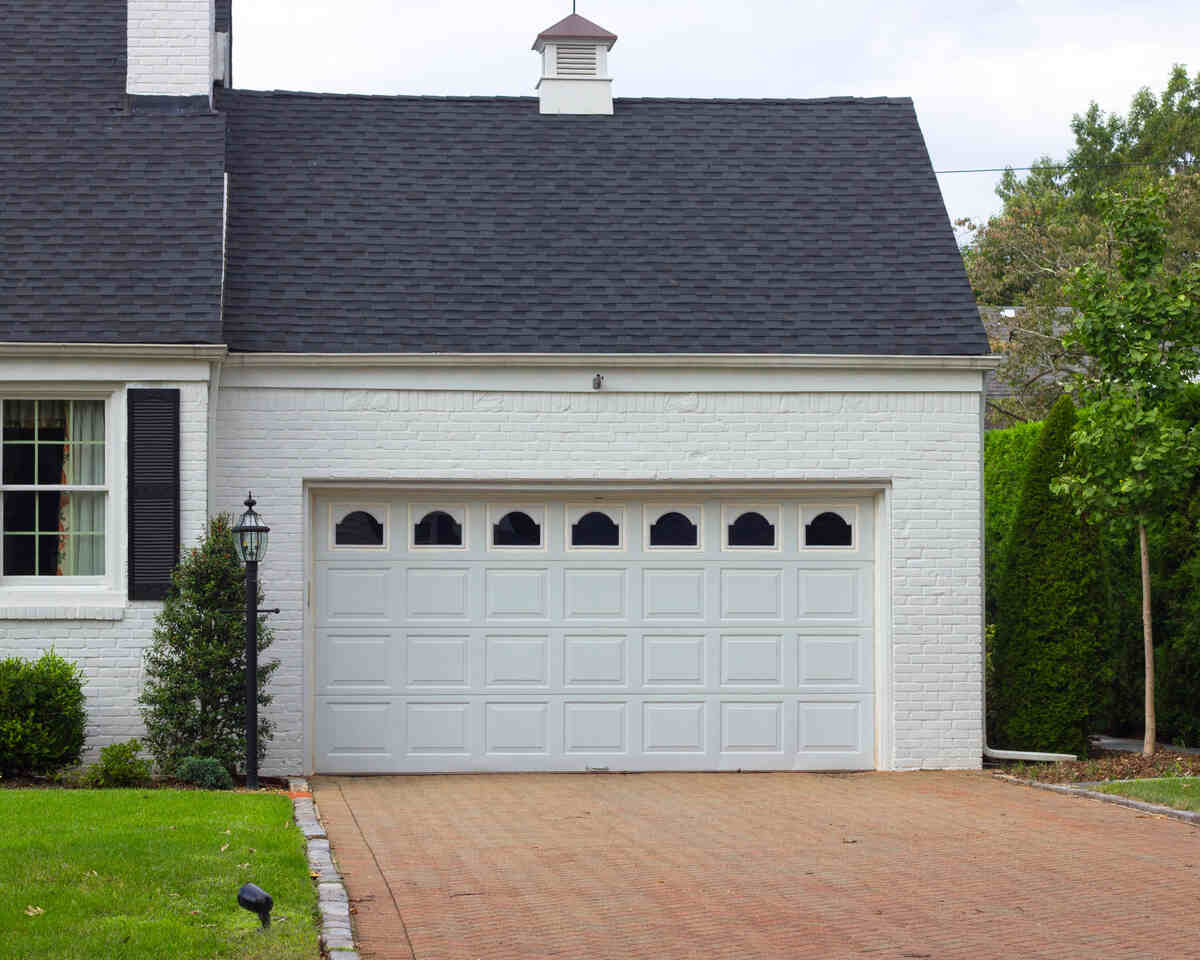
It is not uncommon for me to get mixed inquiries that are a bit “rambling” and this week is one of them. I am going to touch on a couple of subjects that I have had a number of inquiries about in the past.
Understanding Brick Walls
Brick veneer is one of the more popular up-scale siding for homes and is extremely popular residentially. Cost today has driven many builders to use brick or stone veneer on the street side only and vinyl on the balance of a home. First a bit of background, bricks have been around since the Egyptians. Today about 75 percent of the brick used is made of a clay composition. This being clay and water, then fired in a huge oven which causes a chemical reaction to occur in the clay, permanently hardening the brick.
Clay bricks are known for their durability, strength and aesthetic appeal. Heritage homes built during the 1800s and early 1900s that appear to be brick could in fact be solid brick with either two or three layers, often called double or triple brick assembly. Today brick homes are a single layer, set with a space between the wood frame and the actual finished brick wall.
There are also concrete bricks that are used more commonly for commercial buildings, but we do see them in some residential installations. Concrete bricks are made from Portland cement, aggregates and water and are generally easier to work with given the uniformity of the end product. They are usually cheaper than clay bricks and stronger, resisting climatic extremes better than clay bricks.
As most residential homes are clay brick veneer I will explain why there is a space between the frame and the brick veneer. The biggest issue is the fact that bricks can absorb up to 20 percent of their weight in water. Allowing moisture management between the wall allows for escape of the condensation, preventing buildup of water that over time can cause some structural damage. This space also allows air movement, this reduces the chance of mould and mildew growth in the cavity. In the event of a fire of an adjoining building, brick veneer stands an excellent chance of providing a barrier from fire spread.

Get the Green Building Project Checklist
Use this handy checklist on your next project to keep track of all the ways you can make your home more energy-efficient and sustainable.
Insulating a Home With Brick Veneer Siding

One reader recently wrote that he wanted to improve the insulation in his home, a 1995 two-storey home with a complete brick veneer siding. He mentioned he wanted to add exterior insulation. While I have seen spray foam “very carefully” installed by a professional crew, I admit I have some doubts with this given the level of insulation you can add vs the reasons for the space during assembly.
The average space from brick to frame is an inch, if closed cell spray foam was used and providing a complete, uninterrupted infill was attained, you are only adding an R-6 factor. One would have to consider the cost vs the long-term savings.
READ MORE || Best Insulation Choices for Green Building
Converting a Garage to Living Space
The same reader wondered about converting his garage to living space. The home was built in 1995 so it would be reasonable to assume that the interior wall to the residence was fully insulated and assembled with a proper air barrier. I have done this kind of renovation in the past and we simply considered the garage as a separate occupancy and finished the interior with that in mind.
Our reader stated a concern over the concrete floor and in some cases the height of the passage door dictates the floor height, hoping to not have a step from garage to home. Most garage floors are at least one or two steps below the residence level and assuming the ceiling height from door to trusses is 8 feet then this gives ample space for a proper frame to be assembled on the concrete pad.
My first recommendation would be a thick membrane that is properly fitted on the floor and sealed to the walls and up the wall to the final floor level. The next step is snuggly fit a high-density rigid foam foil board to the floor and either seal or tape at all the joints. There are foam boards on the market designed for this type of installation. Then assemble the frame on top of this foam board at the decided depth of framework.
It is usually difficult to heat a garage floor with a ducted system so some method of radiant floor heating makes this area quite comfortable. We were often asked about windows and the former garage door opening was planned to be fully fitted with glass doors and sidelight windows at full height. Depending upon the solar heat gain, I often convinced the client to consider the sunlight and amount of glass exposure, finding a balance when heating and comfort levels are considered.
If there is a block wall involved, especially if it’s the interior wall, any of the rigid foam boards attached directly to the wall will work well, fitted snug and taped and then a frame wall over this to allow for wiring or plumbing. Once the ceiling is drywalled, consider this as an attic and insulate to modern standards. If the home is a two storey with the garage below as our readers home is, this is where closed cell spray foam is the ideal installation, giving you both air barrier and insulation. It will also act as a sound barrier, given that most rooms above garages are bedrooms.
Plumbing can often mean cutting into the concrete as some considerable expense. In most cases garages are converted to family room space and the only plumbing is a two-piece washroom. Depending upon plumbing access, we recommended using a type of toilet and sink installation called a “macerating system,” which is mounted directly on the floor. The toilet is fitted with a pump box located below the tank, usually with access to add a sink drain. The one we used with good success is a company called Saniflo. I actually have one in my own home in the basement, digging up the pad was not viable so this unit has worked well for years.
WATCH || DIY Converting your Garage to the Ultimate Studio or Living Space
Images from Depositphotos
Have a Home Renovation Question?
Write it down below and we’ll get back to you. All questions get answered – every week, we’ll select one for publication in the column.