
Construction Materials and Chemicals That Are Dangerous for Pets
Find out What is Toxic to Animals, Symptoms of Chemical Exposure and How to Prevent Problems from Happening

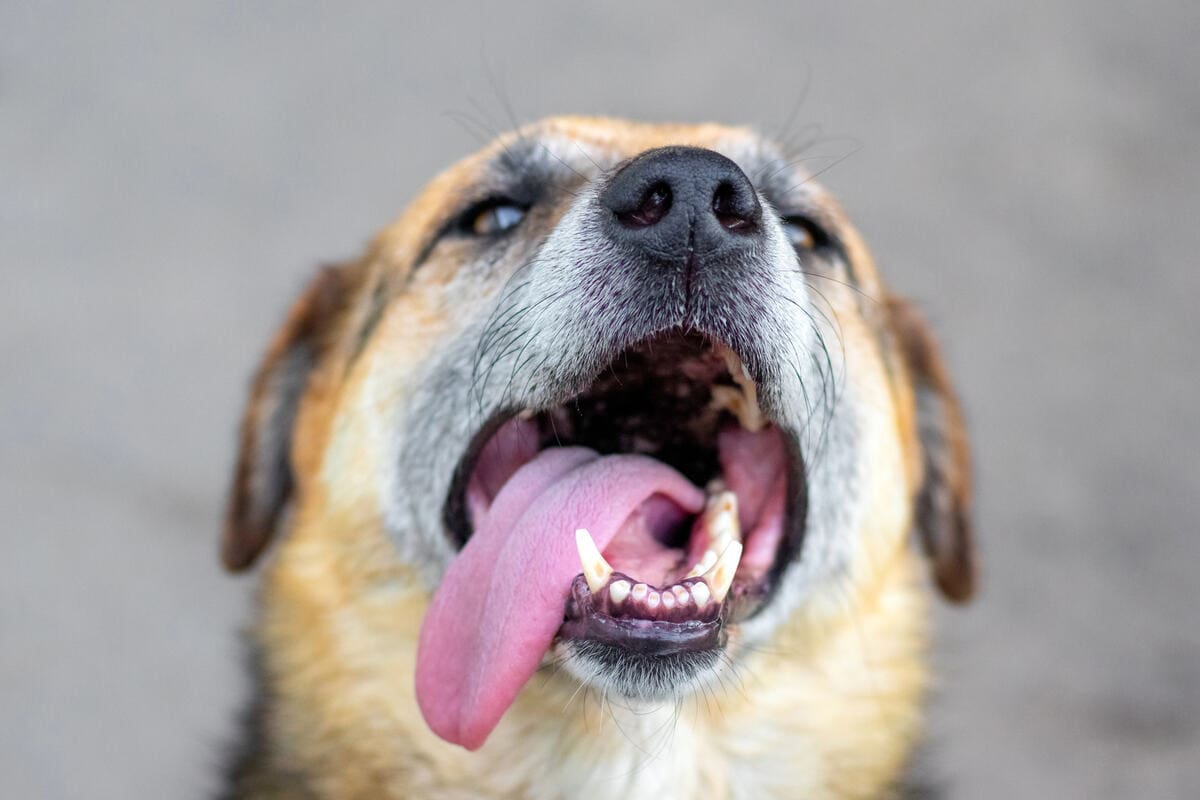
Renovation messes rarely look dangerous to a dog nosing around a toolbox or a cat prowling drywall. The worst hazards are colourless, sweet-smelling, or hidden in dust, so exposure can happen fast.
Construction materials and chemicals that are dangerous for animals tend to fall into a few high-risk categories and knowing their names helps you spot trouble before symptoms appear. Some are lethal after only a small lick, while others build harm through repeated breathing or grooming.
Most Toxic Construction Chemicals for Pets
Lead (Lead Paint Chips and Dust)
Older structures may shed lead paint chips or contaminated dust, which can affect the nervous system and organs over time.

Get the Green Building Project Checklist
Use this handy checklist on your next project to keep track of all the ways you can make your home more energy-efficient and sustainable.
Formaldehyde (Pressed-wood Products)
Formaldehyde in some pressed-wood materials poses respiratory and systemic risks, especially in poorly ventilated spaces.
VOCs (Volatile Organic Compounds From Paints, Adhesives and Sealants)
VOCs (volatile organic compounds) from paints, adhesives and sealants create invisible airborne hazards that can stress the body with prolonged exposure.
Polyurethane Glues
Polyurethane glues can be especially dangerous if swallowed because they expand when they contact moisture in the stomach and can cause fatal intestinal blockages. These products need strict pet-free work zones and careful cleanup, even if the glue seems harmless in the bottle.
Ethylene Glycol (Antifreeze)
Ethylene glycol, the main toxin in many antifreeze products, ranks among the deadliest substances animals may encounter on a job site. Its sweet taste draws pets in, yet even minimal doses can trigger fatal kidney damage. Veterinary guidance on ethylene glycol toxicosis in animals highlights how quickly this can become an emergency.
How Different Animals React to Chemical Exposure
Pets & Construction Materials / Chemicals
Follow this table to find the common materials and chemicals from construction that affect your pet as well as the symptoms of chemical exposure and how to prevent problems from happening
| Animal | Main Risk Pathways | Materials/ Chemicals of Concern | Typical Symptoms | Prevention Steps |
|---|---|---|---|---|
| Cats | Inhaling fumes, grooming contaminated fur, skin contact | VOCs from paints & sealants, phenols in cleaners, wood treatments, dust, solvents | Drooling, respiratory irritation, lethargy, tremors, liver toxicity | Isolate cats from work areas; ventilate thoroughly; wipe fur if dust exposure occurs; avoid phenol cleaners |
| Dogs | Chewing debris, licking residues, drinking contaminated water | Paint chips (lead), caulk, expanding foam, adhesives, solvents, pressure-treated wood, antifreeze | Vomiting, drooling, lethargy, neurological signs, poisoning | Keep debris contained; block access to work zones; clean paws after exposure; store chemicals securely |
| Horses (outdoor exposure) | Contaminated water, dust on forage, runoff, chemical spills | Concrete washout, solvents, treated lumber residues, antifreeze, dust | Colic, respiratory irritation, skin lesions, neurological symptoms | Cover troughs; rotate grazing; restrict access to work areas; monitor runoff and dust |
| Birds (parrots, canaries, etc.) | Airborne exposure via highly sensitive respiratory system | VOCs, aerosols, spray foam fumes, solvents, heated coatings, dust | Rapid breathing, distress, collapse, sudden death | Remove birds from home during work; ventilate extensively; avoid spraying indoors |
| Rabbits & small mammals | Inhaling dust, ingesting contaminated bedding or surfaces | Fine silica dust, treated wood, adhesives, insulation fibers | Respiratory distress, reduced appetite, eye irritation | Relocate enclosures; keep dust sealed; use untreated wood products nearby |
| Reptiles | Air and surface contamination affecting sensitive skin and lungs | Solvents, sealants, pesticides, paint fumes | Lethargy, skin irritation, breathing difficulty | Move terrariums away from fumes; avoid chemical use near enclosures; ensure ventilation |
The difference between species matters a lot for risk assessment. The same chemical can pose vastly different threats depending on an animal’s size, metabolism and behaviour patterns. Understanding these vulnerabilities helps owners tailor their precautions accordingly.
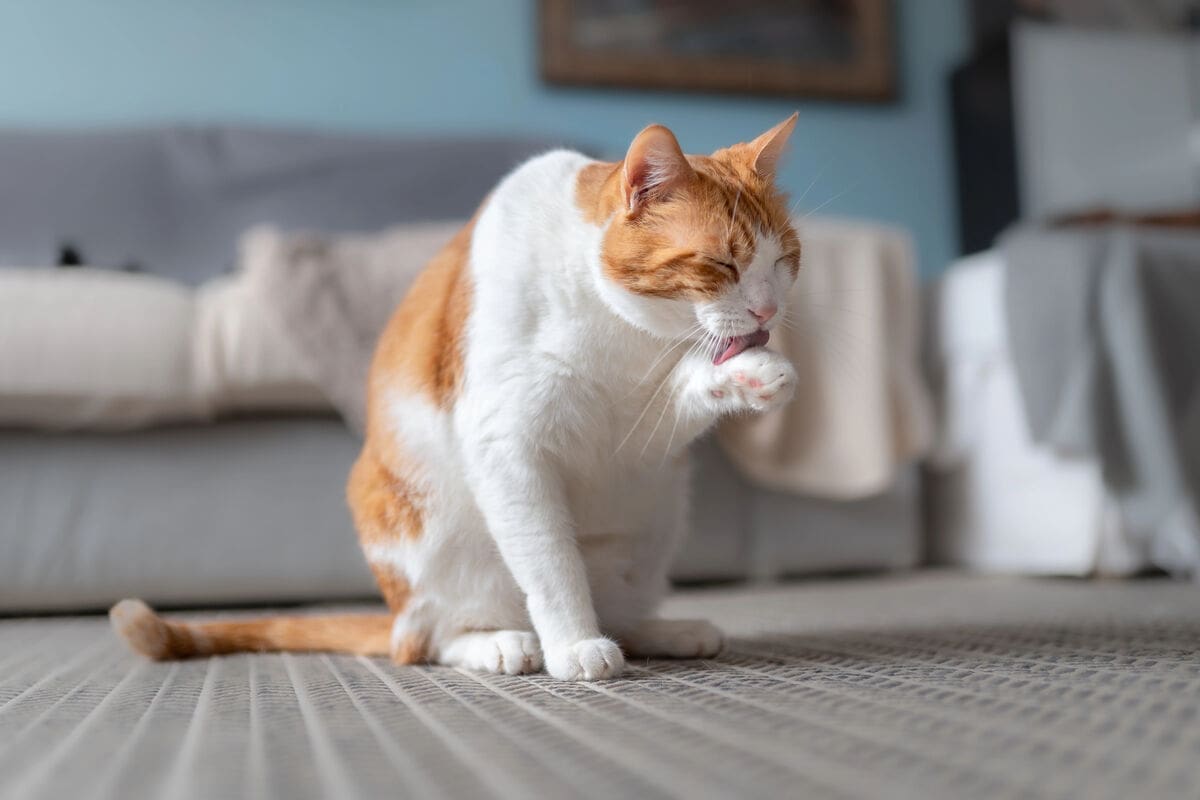
Cats
Cats often share indoor spaces with renovation work, but their physiology makes them especially vulnerable to construction chemicals. Unlike many other mammals, cats lack certain liver enzymes needed to break down phenols and related compounds found in some disinfectants, wood treatments, and surface cleaners. As a result, volatile organic compounds (VOCs) from paints, adhesives, sealants and coatings can affect them more quickly and severely.
Even when a cat never touches wet materials, airborne particles can settle on its fur. Because cats groom frequently, they may ingest residues from dried finishes, sanding dust or overspray. Early signs of exposure can include drooling, lethargy, watery eyes, coughing or respiratory irritation. Strong odours that humans barely notice may be overwhelming to a cat’s highly sensitive respiratory system.
Additional risk factors include confined spaces, poor ventilation and freshly treated surfaces such as wood floors, cabinetry or trim. To reduce exposure, keep cats away from renovation zones until odours have fully dissipated, vacuum fine dust thoroughly and wipe surfaces to remove residues. Providing a separate, well-ventilated room with familiar bedding can significantly reduce stress and exposure during projects.
Dogs
Dogs face different risks than cats during renovation because they explore their environment through chewing, licking and close contact with new materials. Items such as caulk tubes, expanding foam, paint chips, treated wood scraps and insulation offcuts can become chew targets. Ingesting even small amounts of these materials can expose dogs to solvents, plasticizers, heavy metals or curing agents.
Repeated contact with paint chips or contaminated dust is a particular concern in older buildings, where lead-based coatings may still be present beneath newer layers. Dogs may also walk through wet finishes or adhesive residue and later ingest toxins while licking their paws. Symptoms of exposure can include vomiting, diarrhea, tremors, loss of appetite or unusual lethargy.
Because dogs are typically active in shared living spaces, prevention focuses on housekeeping and supervision. Promptly remove debris, seal chemical containers and block access to work zones. After work sessions, wipe paws and vacuum floors to reduce residue transfer. Providing safe chew alternatives and maintaining routines can help redirect exploratory behaviour away from hazardous materials.
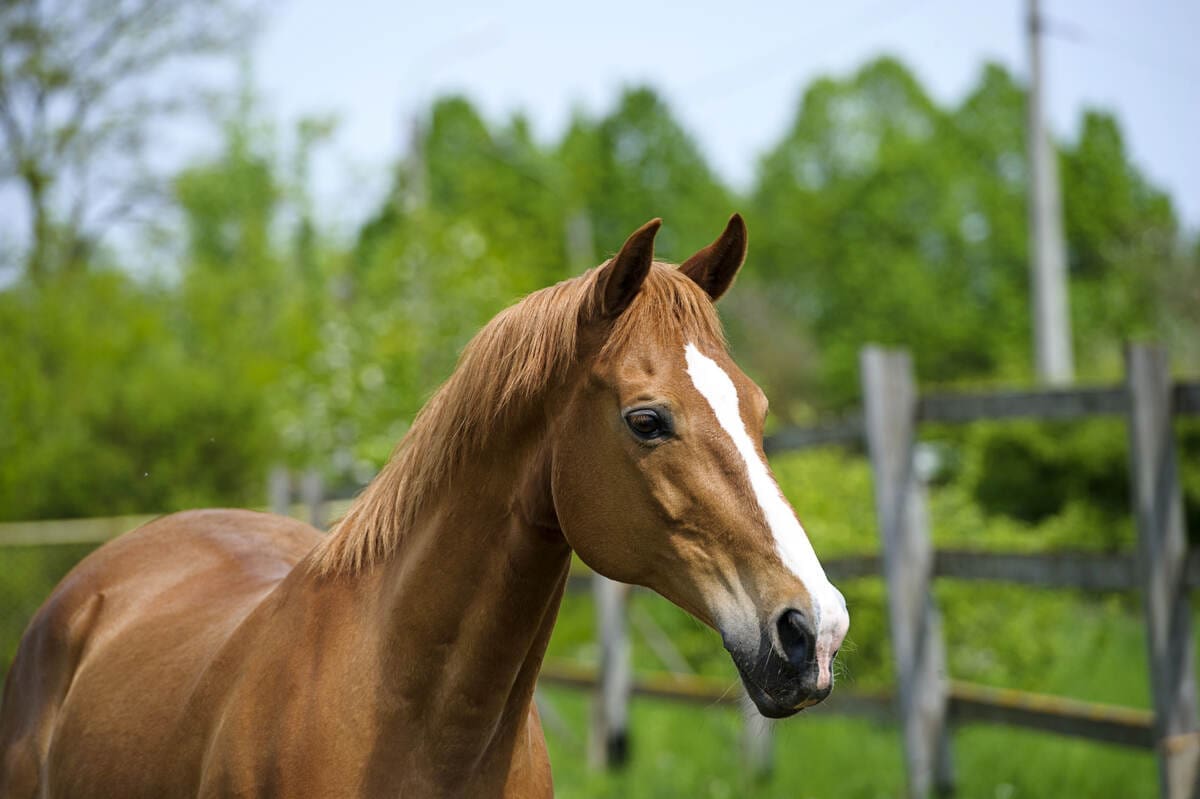
Horses
Large animals face significantly more outdoor exposure than indoor pets, increasing their risk of contact with environmental contaminants. Horses may drink from troughs affected by concrete washout, solvents or construction runoff, and they often graze along fence lines where airborne dust and residues can settle on forage.
Prevention begins with attentive daily management. Water troughs and buckets should be inspected frequently, covered during active work, and emptied and refilled if contamination is suspected. Grazing areas should be rotated and kept away from active construction zones, material storage areas, and downwind fence lines where dust may accumulate. Limiting access to work sites with temporary fencing and monitoring windy or high-dust conditions can further reduce exposure.
Incorporating natural equine care practices can further support prevention by reducing the horse’s overall toxic burden and strengthening resilience to environmental stressors. Maintaining clean, uncontaminated water and forage, supporting detoxification through balanced nutrition and plant-based support, and prioritizing low-dust, low-chemical surroundings help ensure that holistic care principles continue to protect the horse even when nearby construction activity is unavoidable.
Birds
Birds are especially vulnerable to construction and renovation chemicals because their respiratory systems are far more efficient (and therefore more sensitive) than those of mammals. Fumes from paints, sealants, spray foam, solvents and aerosol products can quickly accumulate in the air and be absorbed through a bird’s lungs and air sacs. Even low levels of volatile organic compounds (VOCs), heated coatings or strong cleaning agents can cause respiratory distress, neurological symptoms or sudden death. Fine dust from drywall sanding, cutting tile or insulation can also irritate airways and settle on feathers, where it may later be ingested during preening.
Prevention requires strict control of air quality and exposure. Birds should be removed from the home during active construction and only returned once odours and fumes have fully dissipated. If relocation is not possible, work areas must be sealed off and the space ventilated continuously, though this still carries risk. Because birds can deteriorate rapidly after exposure, any signs of laboured breathing, weakness or unusual behaviour should be treated as an emergency requiring immediate avian veterinary care.
Rabbits and small mammals
Small mammals can decline quickly after exposure because their metabolisms run fast and their bodies hold little reserve. Airborne dust, scented sealants and dirty paws can become a dose when they groom. Higher-risk scenarios include cardboard or bedding stored near paints or fuels, cages placed low where heavier vapours pool, and loose pellets that absorb spills.
Early signs of chemical exposure often include rapid or laboured breathing, watery eyes, sneezing, lethargy, loss of appetite or unusual hiding behaviour. Because small mammals deteriorate quickly, severe exposure may lead to tremors, weakness or collapse.
Reptiles
Reptiles often absorb chemicals through skin contact with contaminated substrates. Porous carpet, sand and mulch can hold residues, and warm enclosures can release fumes back into the air.
Aerosol sprays, fresh varnish and solvent wipes should stay far from terrariums. If exposure is suspected, replacing substrate and rinsing hard decor with plain water reduces ongoing contact while veterinary guidance is arranged.
Warning signs of chemical exposure can include open-mouth breathing, wheezing, excessive salivation, skin discolouration or irritation, lethargy and reduced appetite. Prolonged exposure may cause neurological signs such as uncoordinated movement or inability to right themselves.
Insulation and Adhesive Hazards
Many insulation and adhesive products are common in DIY projects where pet owners may not realize the risk. These materials can cause serious harm through pathways that are not immediately obvious.
Fibreglass and Spray Foam Risks
Fibreglass insulation sheds tiny glass-like fibres when cut, torn or vacuumed. Pets can pick them up on paws and coats, then rub them into eyes or swallow them while grooming. Common effects include itchy skin, redness or small welts after contact. Animals may also experience squinting, tearing or pawing at the face, along with coughing, sneezing or laboured breathing if fibres are inhaled.
Spray foam insulation poses a different threat during mixing, spraying and early curing. Many products release isocyanates, which cause severe respiratory sensitization in animals. With enough exposure, an animal’s lungs may become sensitized so that later contact triggers stronger reactions.
Why Polyurethane Glues Are Especially Dangerous
Polyurethane glues look harmless once dried, but wet glue can be life-threatening if swallowed. The expansion mechanism that makes these glues uniquely lethal works like this: when the product contacts moisture and heat in the stomach, it expands into a rigid foam mass.
That expansion means even a small lick can lodge in the stomach or intestines and block passage. The mass stretches tissue, causes pain, and prompts repeated vomiting. Most cases require emergency surgery rather than home monitoring.
Construction Dust and Airborne Particulates
Demolition, cutting and sanding can turn building materials into a fine haze that lingers long after the noise stops. Drywall dust is irritating on its own, but older substrates may also release silica, asbestos or residues from lead paint.
Pets face a different exposure profile than people because they breathe closer to the floor where heavier particles settle. Dust also clings to fur and paws and during grooming that residue can be swallowed. This turns an airborne problem into a digestive one and raises the risk of lead poisoning over time.
Renovations in pre-1980s buildings tend to carry higher uncertainty because legacy materials like asbestos and lead paint may be present behind walls or under flooring.
Recognizing Symptoms of Chemical Poisoning
Animals often show pet poisoning signs before the cause feels obvious. Symptoms may start subtly, then worsen as toxins enter tissues through the gut, lungs or skin. Watch for these warning signs:
- Neurological symptoms include stumbling, disorientation, tremors and seizures
- Gastrointestinal symptoms range from drooling and vomiting to diarrhea and bloody stool
- Respiratory distress presents as coughing, wheezing or laboured breathing
- Skin contact may cause redness, swelling or chemical burns
- Ethylene glycol poisoning progresses from early “drunken” behaviour to sudden decline
Some toxins act slowly and vomiting or lethargy can appear hours later after a pet rests indoors. When symptoms follow construction work, product names, timing and body size help clinicians at a veterinarian’s office or the SPCA guide next steps.
Emergency Steps if Your Animal Is Exposed
- Move the animal away from the spill, fumes or dust source immediately and prevent further licking or grooming of contaminated fur.
- Isolate other pets from the same area while the site is secured.
- Rinse visible chemicals off the coat or paws with lukewarm water if it can be done safely.
- Do not induce vomiting unless a veterinarian specifically instructs it.
- Call a local emergency veterinarian, the Pet Poison Helpline (855) 764-7661 or the ASPCA Animal Poison Control Centre (888) 426-4435 for case-specific guidance.
- Bring the product container, label or Safety Data Sheet to the clinic for identification.
Time matters critically with ethylene glycol because antidotes work best very early, and effectiveness drops rapidly after ingestion.
Safer Alternatives and Prevention Strategies
Reducing exposure starts with product choice. Low-VOC or zero-VOC paints and adhesives can cut fumes significantly, and selecting materials tested for formaldehyde emissions helps keep indoor air gentler for animals. Wherever possible substitute conventional materials for natural materials.
Storage and boundaries matter as much as ingredients. Keep solvents, caulks and cleaners in sealed containers on high shelves or in locked bins, and establish a pet-free zone during cutting, spraying or curing activities.
Before animals return, air out the space until odours fade and ventilation has cycled the room thoroughly. Then remove residues by damp-mopping and HEPA-vacuuming floors and vents, wiping baseboards, window ledges and work surfaces and using chemical-free cleaning alternatives. Learning about green chemistry solutions can help you avoid harsh additives in the future.
Awareness of chemical risks is the first line of defense during any renovation project while quick response can save an animal’s life when exposure is suspected. At the end of the day, a lot of potential problems with construction chemicals can be avoided by choosing safer materials like low-VOC finishes or natural materials.
WATCH || What to Do When an Animal Ingests Chemicals
Images from Depositphotos