
Your Construction Career Isn’t Ending – It’s Just Evolving
How Seasoned Builders Can Step Into the Growing World of Facilities Management


Look, I’m not going to sugarcoat it. If you’re in construction and you’re watching your body tell you things it didn’t used to, you’re not alone. Your knees make sounds they shouldn’t. Your back reminds you about that job from three years ago. And honestly? You’ve been thinking about what’s next.
Here’s the thing nobody’s really talking about: you don’t have to leave the industry you’ve spent your whole career building. There’s this perfect storm happening right now – about 20 percent of construction workers are retiring within the next decade, and at the exact same time, facility management is absolutely exploding. We’re talking $64.33 billion by 2030.
And here’s what makes this interesting, maybe even perfect, for you.
The Reality Nobody Wants to Say Out Loud
Canada’s construction industry is bleeding experience. Right now, there are just under 1.6 million workers across the country. But the math is brutal. About 20 percent of workers in construction jobs are 55 or older. Think about what that means for a second.
In BC alone, 38,000 experienced builders are expected to retire by 2032. Ontario? Over 80,000 workers walking out the door. The industry’s going to bring in an estimated 237,800 new people, but that still leaves a gap of more than 61,000 workers.

Get the Green Building Project Checklist
Use this handy checklist on your next project to keep track of all the ways you can make your home more energy-efficient and sustainable.
“The construction industry has built Canada’s infrastructure for decades and those seasoned professionals possess invaluable knowledge that shouldn’t leave the workforce entirely,” says Linn Atiyeh, CEO at Bemana, a facilities management recruitment agency. “Their expertise can find new purpose in facility management roles.”
And that’s the part I want you to really hear.
While One Door Closes, Another One’s Wide Open
Facility management isn’t just growing. It’s booming.
The Canadian market hit $53.70 billion in 2025 and it’s climbing at 3.68 percent every year. Some analysts think it’ll go even faster, from $27.65 billion in 2024 to $53.66 billion by 2032 – an 8.64 percent jump annually.
Why? Buildings are getting smarter. Energy regulations are getting tighter. Companies care about ESG reporting now. And someone needs to manage all of it.
Just look at a company like CBRE. They’ve got 340 professionals managing over 90 million square feet in Canada. That’s a lot of buildings that need people who actually understand how they work.
People like you.
You Already Know More Than You Think

Here’s what kills me. I talk to construction guys all the time who think they need to start over from scratch. Like facility management is some completely different world.
It’s not.
You know how a building goes together. You understand why the HVAC system is where it is, why that beam can’t be moved, what happens when water finds a way in. You’ve read more blueprints than most facility managers will see in their entire career. You can spot a problem before it becomes a $50,000 emergency.
“What many construction professionals don’t realize is that their practical knowledge of how buildings are constructed makes them exceptional facility managers,” Atiyeh explains. “They understand the bones of a building, the systems that keep it running and the potential issues before they become costly problems. This preventive mindset is invaluable in facility management.”
Think about it this way: would you rather hire someone who learned about buildings from a textbook, or someone who’s actually built them? Someone who’s been on site when things go wrong, who knows how to talk to contractors, who can look at a ceiling stain and know exactly what’s happening behind that drywall?
Yeah. That’s what I thought.
The Skills You’ve Got That Nobody Talks About
Let’s get specific for a minute. Because this isn’t just about knowing which end of a hammer to hold.
You manage projects. Real ones, where if you screw up the schedule, people lose money and you hear about it. That’s exactly what facility managers do: coordinating renovations, scheduling maintenance, keeping buildings running while people are trying to work in them.
You understand budgets. You know what materials cost, what labour runs, how to negotiate with vendors who are trying to pad their quotes. In facility management, that’s the whole job – keeping costs down while keeping buildings up.
You manage people. Subcontractors, trades, inspectors… you’ve dealt with all of them. Facility managers coordinate vendors and contractors every single day. You’re already fluent in that language.
And here’s the big one: you solve problems. On the fly. With incomplete information. When everyone’s looking at you to fix it. Construction sites are basically problem-solving boot camps. Facility management? Same thing, just with less mud.
Your experience with building codes, safety regulations, preventive maintenance – that stuff matters. It’s what makes buildings run better and last longer. Which is literally the point of facility management.
What You’ll Need to Add
OK, real talk. It’s not a perfect one-to-one transition. There are gaps you’ll need to fill.
Technology’s a bigger deal now. Computerized maintenance management systems, building automation, energy management software – if you’re not comfortable with that stuff, you’ll need to get there. But honestly? If you can learn new tools on a job site, you can learn software. It’s not rocket science.
Certifications help. The International Facility Management Association has credentials that matter. And here’s the thing. Your hands-on experience plus some formal facility management education? That combination makes you really competitive. Like, “companies actively looking for you” competitive.
There are online courses, workshops, conferences. You can bridge the gaps without going back to school full-time. And the people you’ll meet at those things? They’re your network now.
“Organizations increasingly recognize that facility managers with construction backgrounds bring practical insights that desk-trained managers simply cannot match,” Atiyeh says. “They can spot structural issues early, communicate effectively with contractors and make informed decisions about capital improvements. This combination of skills commands premium compensation in today’s market.”
Which brings me to something you’ll want to hear.
Let’s Talk Money
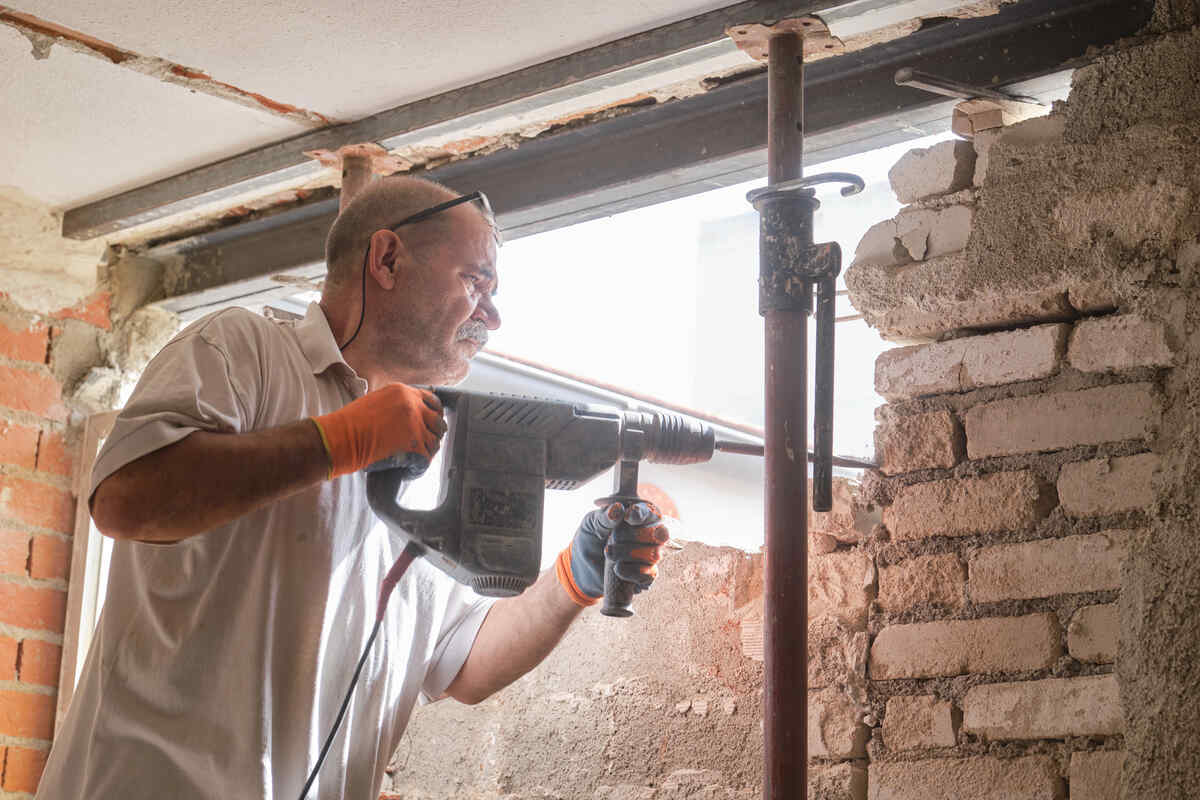
The average construction wage in Ontario was $36.92 an hour in 2023. Facility managers – especially good ones, especially ones with your background – make more. Sometimes a lot more.
And it’s not just about the paycheque. It’s about being able to work into your 60s without destroying your body. It’s about having a path to senior positions, director roles, executive spots. It’s about your back not hurting every morning.
Maybe that matters to you. Maybe it doesn’t yet. But it probably will.
What This Really Means
More than one in five Canadian workers are close to retirement. This isn’t just a construction thing. But in construction, we’re facing this perfect moment where all that experience is about to walk out the door right when facility management desperately needs people who actually understand buildings.
You’ve spent decades learning how things are built. How they break. How to fix them. How to keep them running. That knowledge doesn’t become useless just because your body’s tired of climbing scaffolding.
Facility management needs you. Like, really needs you. The organizations that figure this out first – the ones that actively recruit construction pros into these roles – they’re going to have a massive advantage. They’ll have people who can spot problems, talk to contractors, make smart decisions about when to repair and when to replace.
And you? You get to keep working in the industry you know, using the skills you’ve built, without the physical toll that’s been adding up.
So What’s Next?
If you’re sitting there thinking “OK, maybe this is actually something I should look into”… good. Start looking at job postings for facility managers. See what they’re asking for. Notice how much of it you already do.
Check out some of those IFMA courses. Join some LinkedIn groups. Talk to people who’ve made the jump. You’ll find they’re not that different from you.
Your construction career doesn’t have to end. It can just… evolve. Into something that uses everything you know, pays you fairly and doesn’t require ibuprofen every night.
That seems worth exploring, doesn’t it?
Images from Depositphotos