
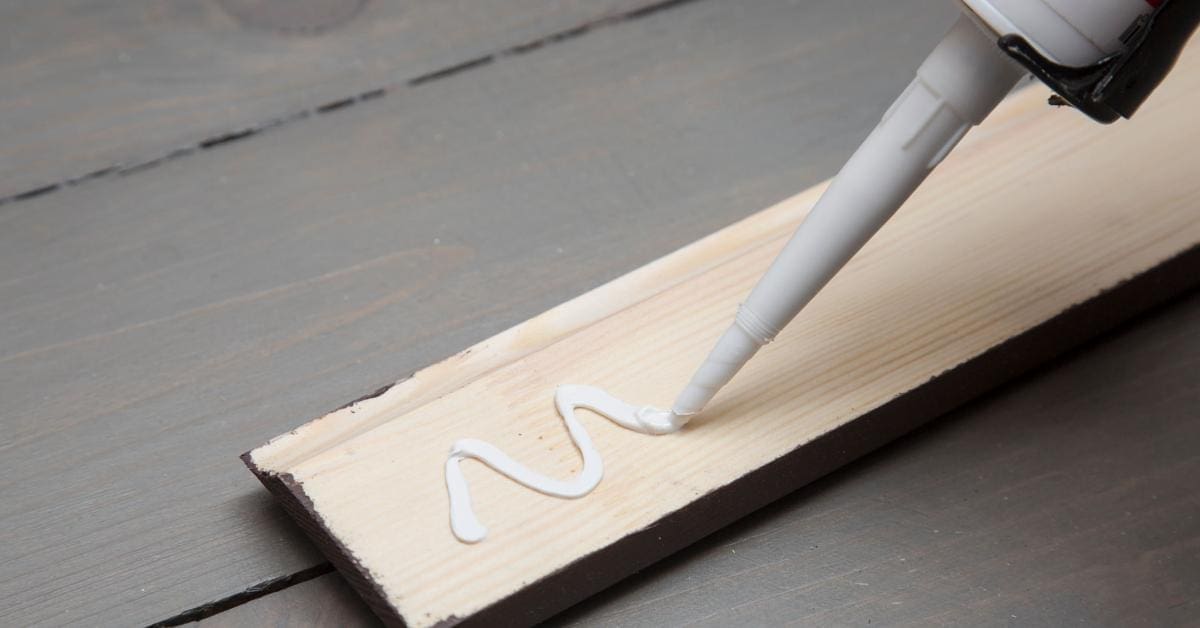
When renovating there are a lot of instances where you might want to attach wood to drywall, such as attaching baseboards or crown moulding to your walls. To get your job done properly you need to find the right kind of adhesive and you might also like to get one that’s less toxic and not as harmful for the environment.
We’re going to take a look at all of the different options at your disposal, the benefits and drawbacks, as well as some multiple examples of each so you know which one to pick for your next job.
The Best Types of Construction Adhesive for Wood to Drywall

As you’re about to find out, there are quite a few different types of construction adhesives for securing wood to drywall, with each one having specific benefits and drawbacks. Let’s take a closer look at each one right now.
1. Polyurethane Adhesives
One of the most common options you have at your disposal is polyurethane adhesive. Polyurethane adhesives are made out of polymers that contain urethane links. Many come in single component form, but there are several two-component systems as well, which include a resin and a hardener.
Polyurethane adhesives are regarded for their great strength and overall durability. They work well for heavy-duty applications, such as for attaching wooden panels or shelving. Polyurethane adhesives produce a long lasting and strong bond that can withstand a lot of stress and weight. As far as costs are concerned, polyurethane adhesives are moderately priced.

Get the Green Building Project Checklist
Use this handy checklist on your next project to keep track of all the ways you can make your home more energy-efficient and sustainable.
Other benefits of polyurethane adhesives are that they are durable, water resistant, can be used for many materials, and they expand slightly as they cure, thereby filling small gaps.
On the other hand, polyurethane adhesives, in general, are toxic. They release VOCs and their production is energy intensive so they have a large environmental footprint. That being said, there are low VOC products available. Polyurethanes also take longer to cure than some other adhesives and they are difficult to remove once cured. Gorilla Glue is a prime example.
2. Epoxy Adhesives
If you’re looking for something that’s going to form a very strong bond, epoxy adhesives are a solid choice. Epoxy adhesives usually consist of two parts, a resin and a hardener.
Individually, they do nothing at all, but when mixed together, there is a chemical reaction that happens, which forms a durable and strong bond. If you need a strong bond that can handle a lot of weight, like for structural applications, then epoxy glue is an ideal choice. They’re also moisture and chemical resistant, they work on many materials, and it’s one of the strongest types of adhesives out there.
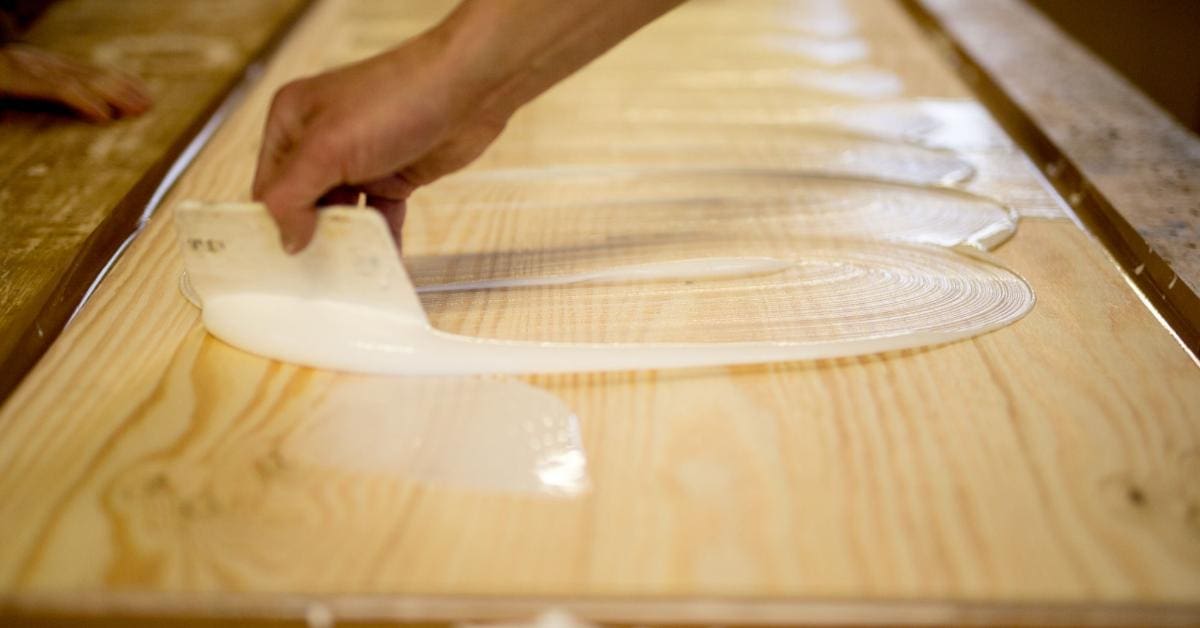
Because of their durability and longevity, they’re rather expensive. They’re also bad for your skin if you get it on yourself and the fumes contain VOCs so you’ll want to work in a well-ventilated area. If you’re looking for an epoxy, J-B Weld is a good brand to consider.
3. Silicone Adhesives
As the name implies, this type of construction adhesive is made out of silicone polymers. It’s a good type of construction adhesive for attaching wood to drywall because it’s resistant to extreme temperatures, moisture and it remains flexible when dried.
Any kind of application where moisture is involved, and you need good flexibility, is a prime candidate for a silicone adhesive. If you require a bond between drywall and wood in your bathrooms, for example, then a silicone adhesive is a great way to go. Silicone adhesives are also ideal for sealing joints. Although prices can vary, silicone adhesives are usually quite affordable.
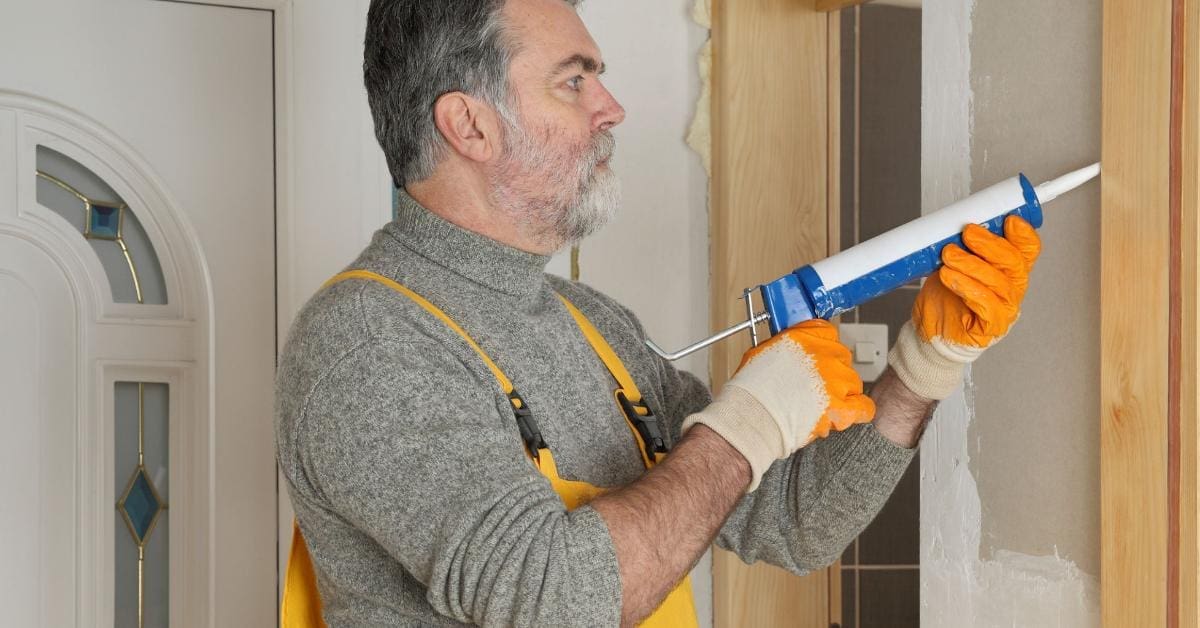
Silicone does not contain a lot of the harmful chemicals in other adhesives. They are also considered non-toxic once cured. They also make food-grade and low-VOC options that have less impact on the environment.
With all of their benefits, one thing that does need to be said is that in spite of their flexibility and moisture resistance, silicone adhesives are not intended for structural uses. They’re used for lightweight applications like trim and moulding. DAP is a brand that makes high-quality silicone adhesive.
4. Hybrid Polymer Adhesives
There are special hybrid polymer adhesives out there that combine different types of adhesives, such as silicone and polyurethane. It’s this combination of materials that make these some of the most versatile types of construction adhesives you can get. They are also formulated to be a less toxic alternative to standard options.
Hybrid polymer adhesives are generally considered one of the best options for attaching wood to drywall because they provide a very strong bond that remains flexible, they are temperature resistant, moisture resistant, cure quickly, can be painted over and can fill gaps. They provide a strong and durable bond suitable for moderate loads, good for things like attaching shelving, panelling and trim.
Hybrid polymers are also a less toxic adhesive as they typically are low or zero VOC, they are less likely to irritate the skin and they’re generally considered non-hazardous waste so they can be disposed of easily.
The only major downside is that they are more expensive to purchase than standard adhesives. A good one to check out is the Bostik Xtreme Flex.
5. PVA Adhesives
Next, we have PVA (polyvinyl acetate adhesives) aka white glue or wood glue. This type of glue is commonly used in woodworking and construction and is a good option for adhering wood to drywall. It’s a water-based adhesive that’s made with polyvinyl acetate polymers and is eco-friendly as far as adhesives are concerned.
It’s a very easy-to-use type of glue that’s good for indoor projects like attaching lightweight panelling and wooden trim. However, keep in mind that PVA is not all that moisture resistant, so you don’t want to put it in any sections where there will be a lot of moisture exposure like a bathroom. With all of that being said, this is one of the most affordable options that you have at your disposal.
Since PVA is a water-based formulation, it is low-VOC, has low toxicity and is biodegradable over time.
Environmental friendliness, low cost, drying clear and setting quickly are the biggest benefits. Not being water resistant, long curing time and insufficient bonding strength are its biggest drawbacks. A prime example of this type of construction adhesive is Elmer’s Wood Glue.
6. Hot Melt Adhesives
Yes, here we’re talking about hot glue, or in other words, sticks of plastic that are melted using heat. If you just need to attach some lightweight wood pieces to drywall like trim or small decorative elements, then hot glue can work for that purpose. Since hot glue sets quickly, it can also be used to temporarily attach wood until a more permanent adhesive cures or until fasteners are installed.
Hot glue does not release VOCs. It can also be disposed of as regular waste. Many people also like hot glue because it’s affordable and fast setting. With that being said, hot glue is not at all suitable for any sort of heavy-duty use, and it has very limited holding strength.
7. Acrylic Adhesives
Last but certainly not least we have acrylic adhesives. Acrylic adhesives are made out of acrylic polymers. They come in spray form, which is one of their leading benefits. Acrylic adhesives dry extremely quickly and they produce a strong bond.
If you have wooden panels, wainscoting, baseboards, decorative elements that aren’t too heavy, you can use this adhesive to attach them to drywall.
Acrylic adhesives come in water-based and solvent-based formulations. Water-based products release less VOCs, are non-toxic when cured and some products are even made to be biodegradable.
Though there are different kinds, acrylic adhesives are usually mid-range in price. Some types produce a strong odour and some types also have specific curing requirements. 3M makes quality acrylic spray adhesives.
How to Choose the Best Construction Adhesive for Wood to Drywall
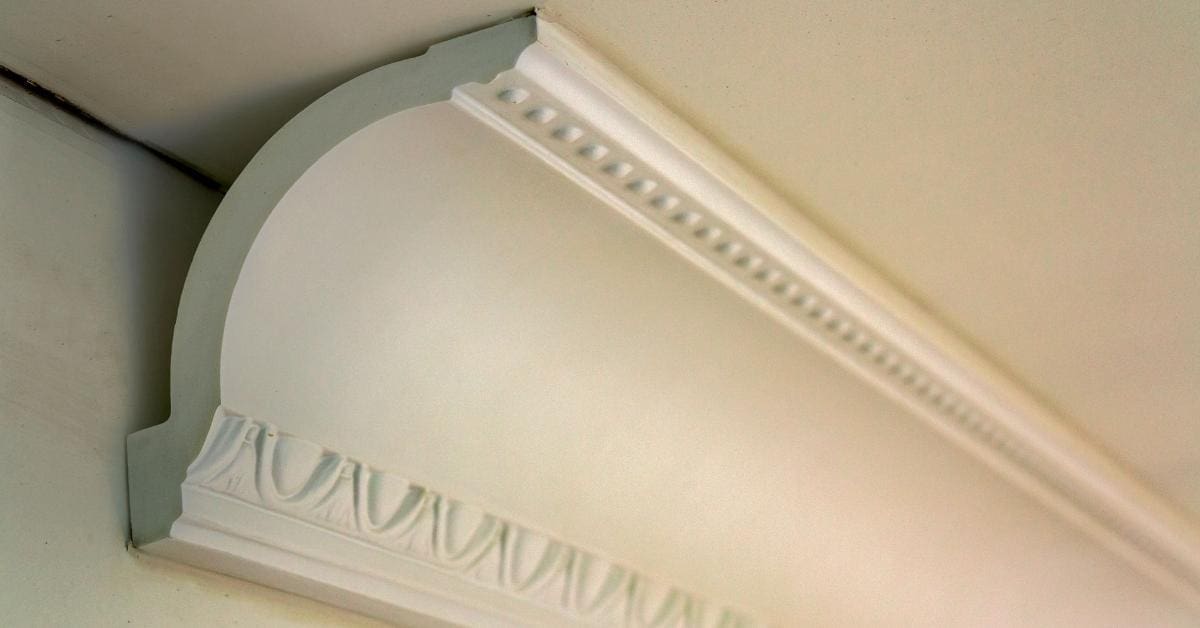
Now that you know what all the different options are, here are the most important factors you need to consider when choosing the best kind of adhesive for attaching wood to drywall.
Bonding Strength
One of the most important aspects to consider is how strong the bond created by the adhesive is. The heavier the wood that you’re attaching to drywall, the stronger the adhesive needs to be. Something like epoxy and polyurethane are usually called for when it comes to heavy duty applications.
The Environment
You then also need to consider the environment. This is especially the case when talking about moisture. If there are areas that see a lot of humidity and exposure to water, you’ll need moisture resistant adhesives. Ones like urethane, silicone, and polyurethane are all ideal. You’ll also need to choose these when it comes to temperature fluctuations. Not all construction adhesives can resist fluctuating temperatures.
Setting and Curing Time
You then also want to consider if you need an adhesive that sets quickly or not. Generally speaking, adhesives that cure slowly end up being stronger and form a more reliable bond than fast drying adhesives. However, if you need something that dries and cures very quickly, something like acrylic adhesive or hot melt works well.
Flexibility
The next thing to consider when choosing the right type of construction adhesive for wood to drywall is how flexible the final product ends up being. Flexibility is important in cases where there’s expansion and contraction due to temperature fluctuations and humidity, or you need impact resistance, you want to reduce vibrations or if you’re bonding an uneven surface.
Adhesives with some flexibility also tend to last longer. If you’re looking for an adhesive with good flexibility a hybrid polymer or silicone is recommended.
Toxicity and Impact on the Environment
Adhesives come in a quite a range of toxicity. Water-based adhesives are a lot less toxic and more environmentally friendly than solvent-based adhesives. Some of them can be low VOC, biodegradable and not harmful to your skin. If you’re looking for something that is less toxic, your best options are hybrid polymers, silicone, white glue, and water-based acrylic adhesives, assuming they provide a suitable bond strength for your application.
Budget
Although your budget isn’t the first thing we would recommend looking at when it comes to a good adhesive, let’s face it, we’re all on some kind of a budget. The fact of the matter is that some construction adhesives are more expensive than others.
That said, you often get what you pay for, and if you expect your final results to be high quality, then you need to be willing to invest in the right materials and tools.



Wow Fabien, I’m extremely impressed by your work (from an academic perspective). You laid out clearly all the different options and gave me a path to proceed. As a fairly new DIYer, I need to glue rather large corner blocks for crown moulding, and finish nails are difficult to get to the studs. Now I have a path to start testing. Thank you very much.