
Is it Normal to Have Condensation on Your Windows in the Winter?
The Causes of Excess Humidity, How to Know When It’s a Problem and How to Solve It When It Is

In this weekly Q&A column, retired builder/building inspector Cam Allen answers readers’ home renovation questions. Have a question? Enter it in the form below.

Just before Christmas I got a couple of inquiries about condensation on windows. In both cases the ladies who wrote to me lived in older, single-storey homes and they had taken advantage of some grant money to replace their older single pane and aluminum storm windows with new insulated ones. They were thrilled with the new windows as the drafts were seriously reduced, however now they think the windows are defective because of all the moisture collecting on them.
Causes of Excess Humidity and Identifying When It’s a Problem
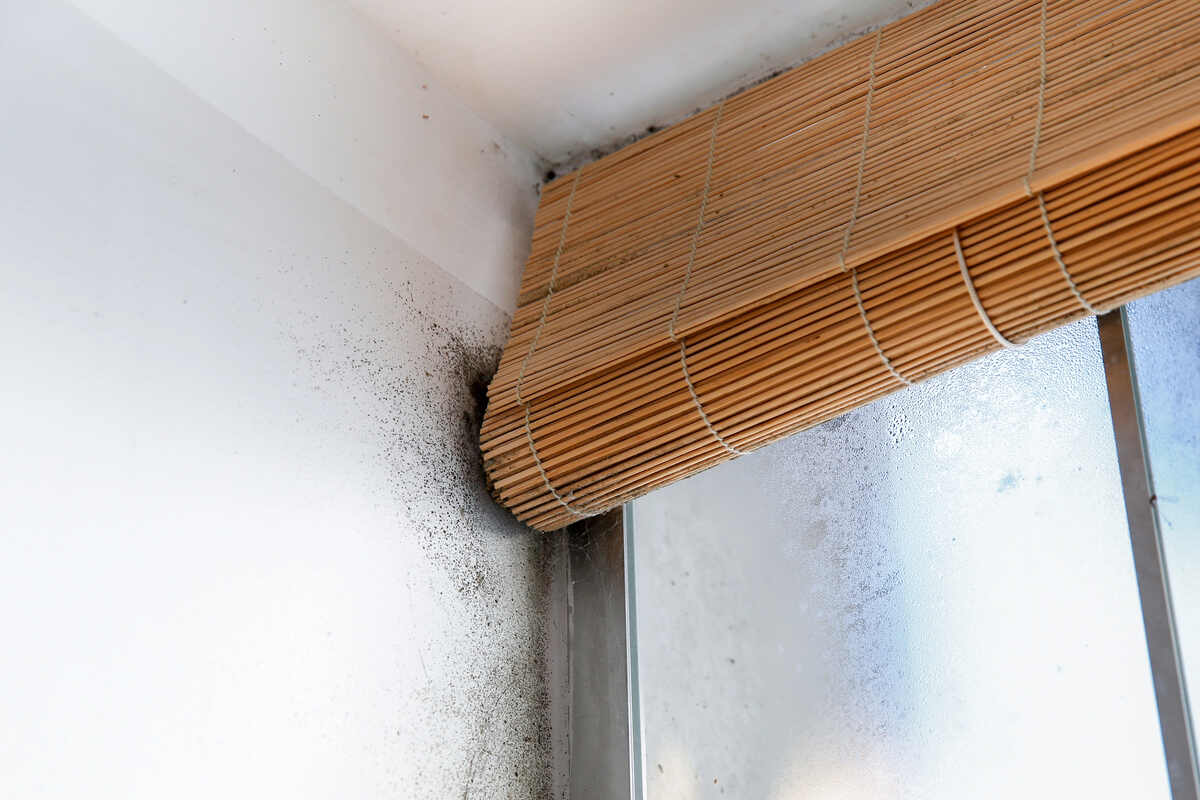
Some moisture buildup is not harmful and almost every home with insulated windows has this happen if the temperature takes a quick, unexpected dive into a deep freeze. Over a long period though this moisture can be an issue – mould and water-related deterioration can and will happen. The first thing to establish is whether this is happening on the surface of the glass in the home or in between the glass panes. If it’s the latter then it means the thermopane has lost its seal and will need to be replaced.
In the case of our ladies, it is on the surface of the glass inside the home. This is not uncommon in a Canadian home in the winter as even with new windows when the interior conditioned air cools on the surface of the window water droplets occur. If the humidity inside the home is high due to cooking, showers and baths without using the bathroom fan and general living, including a large number of plants, this is the result. Excess use of a humidifier can also cause this to happen.
Both of them made a number of upgrades to their homes, such as attic and wall insulation and contractors also installed sealing in areas where the homes leaked air. While this may not be the answer, they have succeeded in greatly improving the heating costs and living comfort in both of their homes. However, by doing so they also dramatically changed the natural airflow out of the home, thereby increasing the humidity captured inside the home. This is now showing up as condensation on the windows as the glass in the window is the coolest immediate surface. This is almost a double-edged sword as keeping an acceptable level of humidity in a home is recommended for human occupancy and things like wood furniture and flooring.

Get the Green Building Project Checklist
Use this handy checklist on your next project to keep track of all the ways you can make your home more energy-efficient and sustainable.
Measure Your Humidity Levels
The first step here is to invest in a digital humidiguide or hygrometer. The older analog ones were not as accurate and most needed to be constantly balanced before they operated properly. These devices are available at most hardware or lumber yards. They record relative humidity and are easy to set up. Most are packaged with a thermostat to tell you the actual temperature in your home. If you live in a two-storey home, you will need a couple of these. They are inexpensive – a decent one runs in the $15 to 25 range.
Most hygrometers need to be calibrated. Fill a small container (a shot glass works) with table salt and then dampen the salt, not wet. Now put the hygrometer with the shot glass and salt into a ziploc bag for 8 hours. The unit should read 75 percent humidity. Once this is confirmed, set the unit up. Location is important. Place them away from windows or direct sunlight as well as any heat source like a floor duct in a forced air heating system or radiant heat register. Then give it at least 24 hours to adjust to the inside home environment and check the reading.
In the winter in your average Canadian home if you are able to maintain humidity in the 25 to 40 percent range, depending upon the outside temperature, this is generally accepted as a healthy interior environment. There is as much a chance that the condensation on your windows is a reaction to extremes in the weather. Wipe the windows clean and monitor them.
2 Ways to Reduce Humidity Effectively
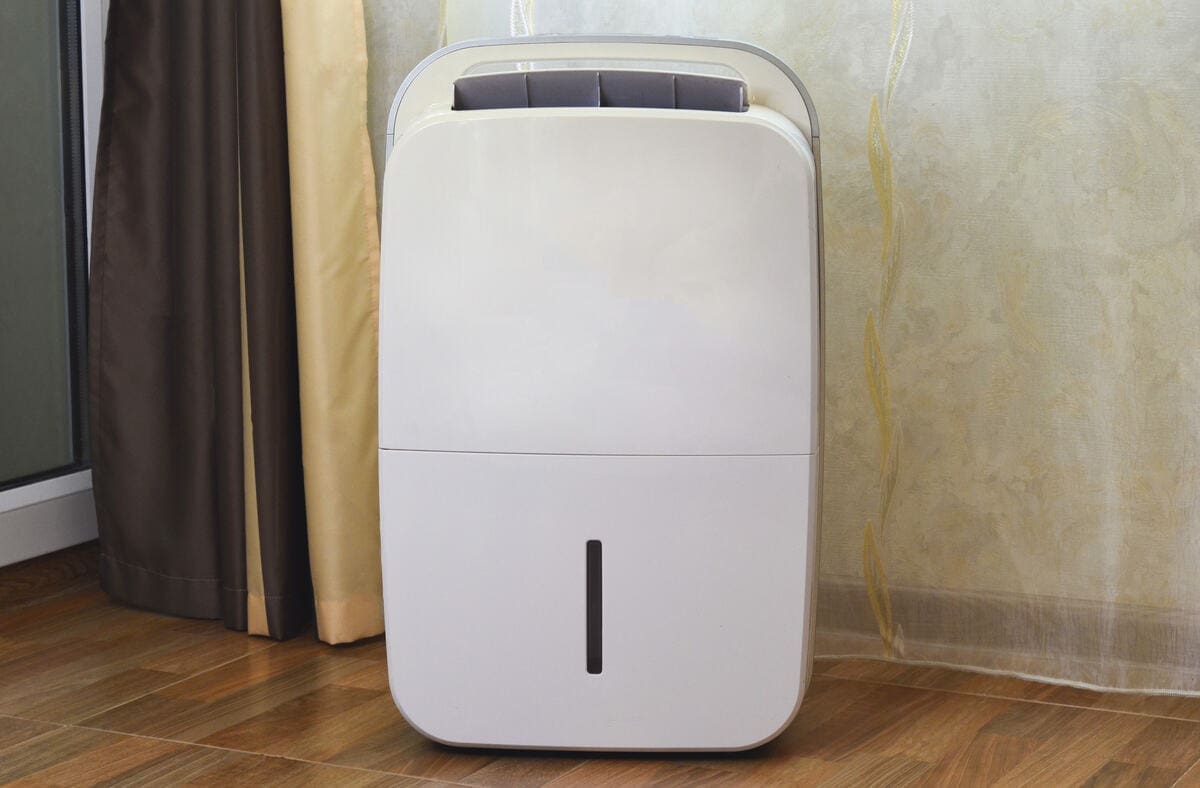
If humidity is a constant issue then there are some simple things most homes can do before you look into a mechanical ventilation system to manage the excess humidity.
In the case of these ladies they both live in heritage homes with stone foundations and dirt/stone floors in the cellar, not uncommon in older homes.
After installing a humidiguide and getting higher than average readings, I suggested the following: invest in a good, properly sized (by square footage) dehumidifier with a constant drain attached to the unit that drains to a floor drain or sump pump. This solution worked for one lady, but not the other one.
In the other case, I proposed an additional step, which was a bit more costly – though I have done this in other heritage homes with good success and it’s a lot cheaper than a finished concrete floor and internal drain system.
Clear out the basement floor, bring in washed stone to 3-4 inches, level and compact as best you can. In the stone, set big ‘O’ drain fully around the edge of the wall and two or three drain pipe runs spaced in the floor. Now set with an aggressive slope to a sump pump.
Set this drain pipe with a laser transit at a minimum of ¼” to 12” of fall on the pipe, as close to the original floor as possible. Now cover the stone with a taped and fitted covering of EPDM. This is a heavy rubber membrane that is used for flat roofing, is very durable and can be walked upon. For cellar storage bring in some pallets once completed. Run this EPDM up the walls at least 12-18” inches and attach with concrete fasteners and/or rubber-to-concrete adhesive. Relocate the dehumidifier in a central location.
Additional Tips for Managing Humidity in the Home

For most homes with excess humidity, a dehumidifier in the basement will make a significant difference. Make sure you use your bathroom fan and if you do a lot of cooking and have a kitchen stove fan, get it vented to the outdoors. Also use lids on your pots and pans. If you have a large amount of plants, they can increase your home humidity levels.
I have always subscribed to opening a couple of windows, with a cross flow in the home, for a few minutes every day in the winter. This not only exchanges the air, it’s good for the occupants and allows some excess humidity to escape.
Balancing humidity in a home during the winter is a constant exercise and takes some monitoring. Keeping the humidity stable is good for not only yourself, but your home.
Images from Depositphotos
Have a Home Renovation Question?
Write it down below and we’ll get back to you. All questions get answered – every week, we’ll select one for publication in the column.