The Most Common Electrical Problems in Homes – and How to Spot Them
A Homeowner-friendly Guide to Everyday Electrical Problems

In this weekly Q&A column, retired builder/building inspector Cam Allen answers readers’ home renovation questions. Have a question? Enter it in the form below.
Last week we took a look at the basics of home electricity, your home electrical panel and where all the electricity for your home is distributed from (read “Home Wiring 101: Before Upgrading Your Electrical Supply Understand How It All Works and What to Watch For“). Over my years in the home building and renovation business it never ceased to amaze me how creative some homeowners can be when it came to DIY electrical work, or should I say attempted work. Buried junction boxes, way over code number of duplex plugs on one circuit, lack of electrical boxes for circuit junctions, to name a few. It’s amazing how much electrical tape it takes to hide a connection behind a wall!!
Common Electrical Issues Homeowners Need to Know About
Knob and Tube Wiring
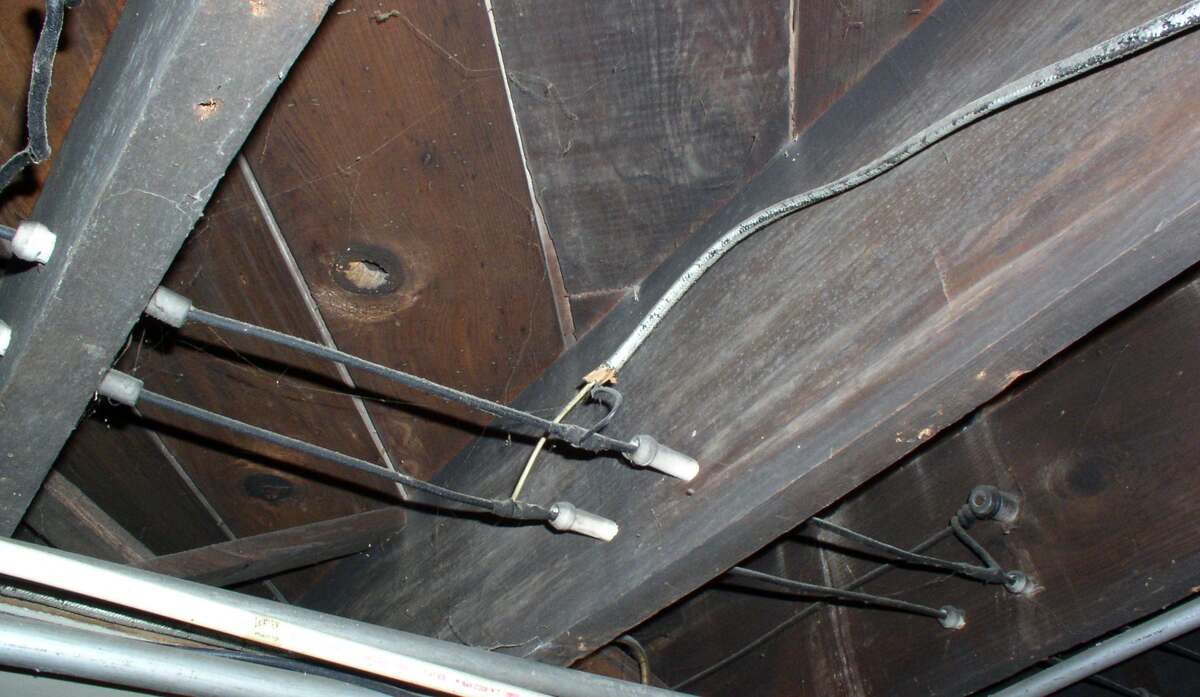
The early knob and tube wiring was suitable for homes before WWII but by the 1950s we had grown to the point where refrigerators, small appliances,TVs and stereos, clothes dryers and furnaces demanded a minimum of a 60 amp service. I have simply lost count of the number of times I have said or heard from one of our crew, “How the hell did this house not burn down!!”
So let’s look at some common issues you should be aware of. If you live in an older home and see any wiring in your basement or attic that shows a single black wire supported by a porcelain fitting or running through a small porcelain tube, generally drilled in a wood joist, you have knob and tube wiring somewhere in your home. I know of no home insurance company in Canada that will insure a home with this wiring present. This necessitates a call to your local licensed electrical contractor.

Get the Green Building Project Checklist
Use this handy checklist on your next project to keep track of all the ways you can make your home more energy-efficient and sustainable.
I just said electrical contractor, not electrician. In Ontario if you are getting any electrical work done, you must hire a licensed electrical contractor who is generally a master licensed electrician as well. Electricians can work for an electrical contractor, but not directly for a homeowner. I can’t speak for the rest of Canada but if you need electrical work done, make sure this tradesperson is qualified in your area to both do the work and get the necessary permits. In Ontario ask for the Electrical Safety Authority (ESRA/ESA) license number from the contractor, just to be sure.
Aluminum Wiring and Tinning
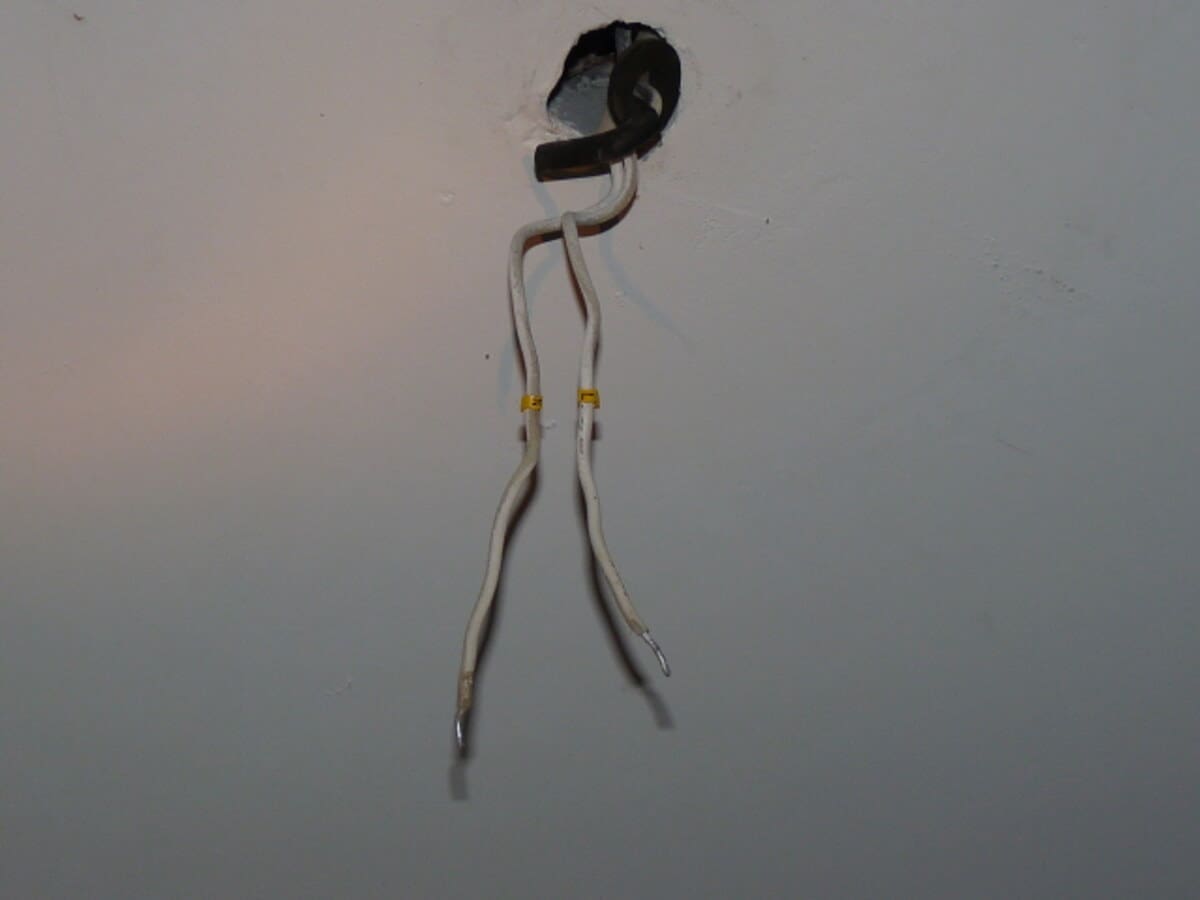
The next type of wiring, known as aluminum wiring, had a short, but controversial lifespan. During the period of mid 1960s-late 1970s aluminum wiring was used for household branch wiring instead of copper. Some hydro companies still use this type of wire for service entrances and in some commercial applications where higher voltage is used. It is no longer used for residential wiring.
The reason why it is no longer used is because aluminum tends to oxidize, making joints corrode. It is also affected by the heat conducted in the wiring during use and will cause “creep” as it expands and contracts, making some joints unstable. Most of the issues are with duplex plugs and switches. There are code compliant copper to aluminum marr connectors allowing electricians to fit a short piece of coated copper wire to the actual plug or switch and then connect with a marr to the aluminum wiring, making them safer. All of this work is done inside an electrical box, usually the switch or duplex box. There has been concern by some home insurance companies as to the stability of this kind of wiring so it’s best to check on this issue. The quickest way to confirm if you have this kind of wiring is to look inside your main panel. If you see a silver-coloured wire attached to an individual fuse block or circuit breaker there is a good chance it’s aluminum.
There was another time when wiring had a silver like look. It was called “tinning”. This was done to copper wiring in the early 20th century. If you live in a heritage home there is a small possibility you may have some of this wiring and it means the copper wire was coated in tin to help reduce oxidation.
Circuit Capacity
Dimming or flickering lights are not an issue with the fixture. Rather they are caused by a circuit that has reached its capacity and when things like a fridge or a space heater come on, this spike in electricity is the most common cause. Investigate and reduce or relocate the electrical load on this light circuit.
Outlets, Appliances and Extension Cords
If you are upgrading your home wiring, plan for enough wall outlets so the use of extension cords can be eliminated. Overheating of these cords is a major home fire issue. The majority of extension cords are a lighter gauge wire than home wiring and can overheat. This is often an issue with power bars too.
Any kind of buzzing, odd smell or an unusually warm electrical outlet or switch needs an immediate shut down and a quick call to your electrical contractor. Some counter appliances like toasters or coffee pots tend to draw a lot of power so the wire can feel a bit warm, the ticket here is a “bit.” Some plugs on small appliances and other convenience equipment are injection moulded and can lack a clean connection. If you see a spark when pulling the plug in or out, remove it immediately and get the outlet checked. Don’t be surprised if it’s found to be the plug.
If you are renovating a home from the 70s or early 80s and you find you have outlets that don’t work, look to see if you have ceiling lights in the room, especially a bedroom or living area. During this time period it was popular to wire the top outlet of a duplex receptacle to a wall switch so you could turn a table lamp on when you entered the room, eliminating ceiling lights. If you have a wall switch with no apparent use, turn the switch on and then take a table lamp and test all the wall outlets – this feature is usually the top outlet in a duplex receptacle.
While we are on the topic of electrical outlets, there are two kinds of outlets today that are now required in any new home and most electrical upgrades, especially in kitchens and bathrooms. The first one is known as a “ground fault circuit interruptor” or GFCI. They are more commonly known as GFI outlets. These safety devices are designed to protect you from electrical shock if there is dampness present like your hands or gloves if they are wet. These outlets will shut off or “trip” as it’s called. Once you have corrected the dampness issue all of these outlets have a reset button built into the front that allows you to reset it. If the outlet will not reset, try pushing the test button and then the reset. If that still does not work, time for a new outlet.
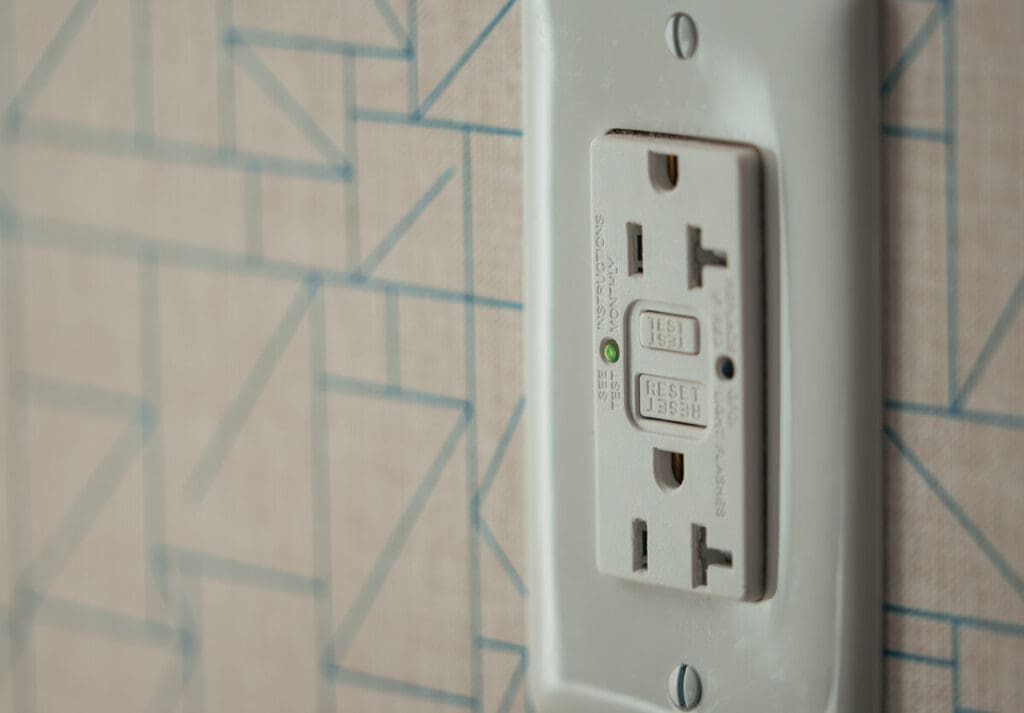
The other outlet that is now code in most regions is called an “arc-fault circuit interrupter” or AFCI. They were designed to trip when a loose connection or arc of electricity is detected in the circuit. They were initially required in all bedrooms. Today you can buy a combination AFCI/GFCI wall outlet.
For twenty years I wrote nearly 1900 weekly sustainable building and renovation columns for a newspaper in Ontario. I was always amazed at the steady stream of questions from readers. Today, part of our book series (www.fragileshelters.com) are public presentations on homes and the climate.
The questions continue to arrive, as they are here at my Reno-Green column. It seems that homeowners are always looking for an unbiased, straightforward and realistic answer to home issues both big and small. This column is now in its 5th month and, slowly but surely, I see readers reaching out for help. I am pleased to see this trend. At this time of year I wish each and everyone the best for the holiday season, peace to the world is my wish.
After a Christmas break, I will be back on January 8, 2026 to continue helping Canadian homeowners with any and all questions.
Happy Holidays,
Cam
Have a Home Renovation Question?
Write it down below and we’ll get back to you. All questions get answered – every week, we’ll select one for publication in the column.