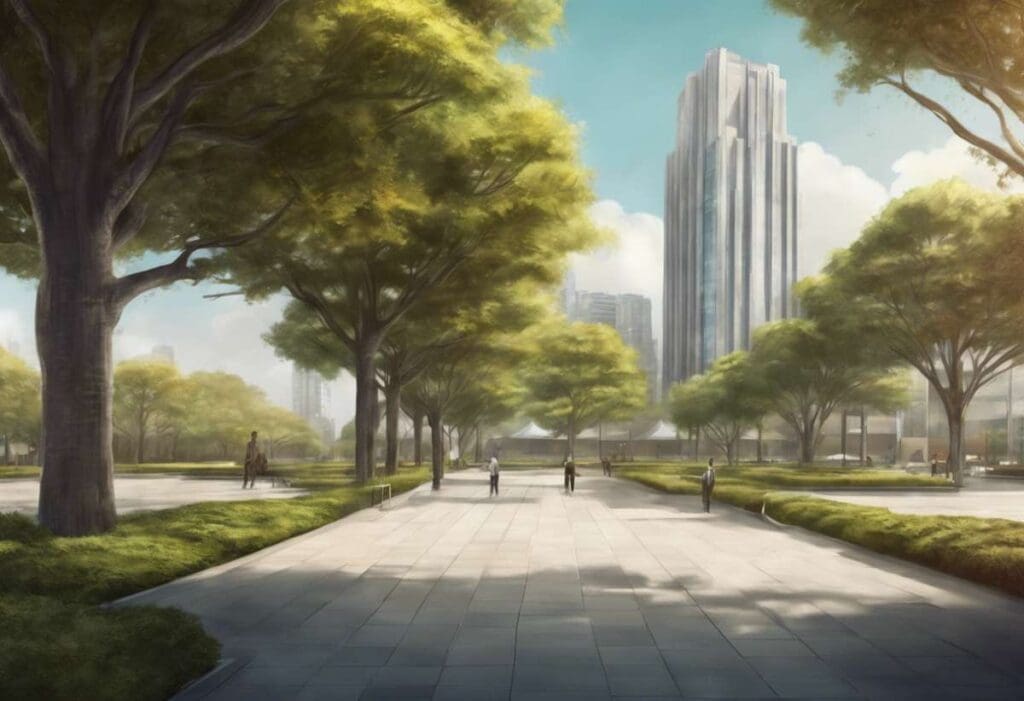

Commercial building owners and operators can take many different steps to reduce the heat island effect that their buildings create, making a big difference for both the building occupants and the local environment.
It’s important for the commercial sector to be aware of the impact that heat islands have, as well as the available strategies for mitigating them. This way, they can take proactive steps to protect their employees, customers and the planet. Here are eight ways commercial buildings can reduce the heat island effect.
1. Cool Roofs
One of the most effective ways to reduce the heat island effect is to install a cool roof. Cool roofs are designed to reflect more sunlight and absorb less heat than traditional roofs. This can help keep the building cooler in the summer, and also reduce energy costs associated with cooling.
Roofing jobs are expensive, but some government or utility incentives may be available to offset the cost. Additionally, the energy savings from a cool roof can pay back the initial investment. This makes cool roofs a great option for commercial buildings looking to reduce their heat island effect. It’s important to note that cool roofs are not only white – they can be any light colour, including green and blue.
2. Green Roofs

Get the Green Building Project Checklist
Use this handy checklist on your next project to keep track of all the ways you can make your home more energy-efficient and sustainable.
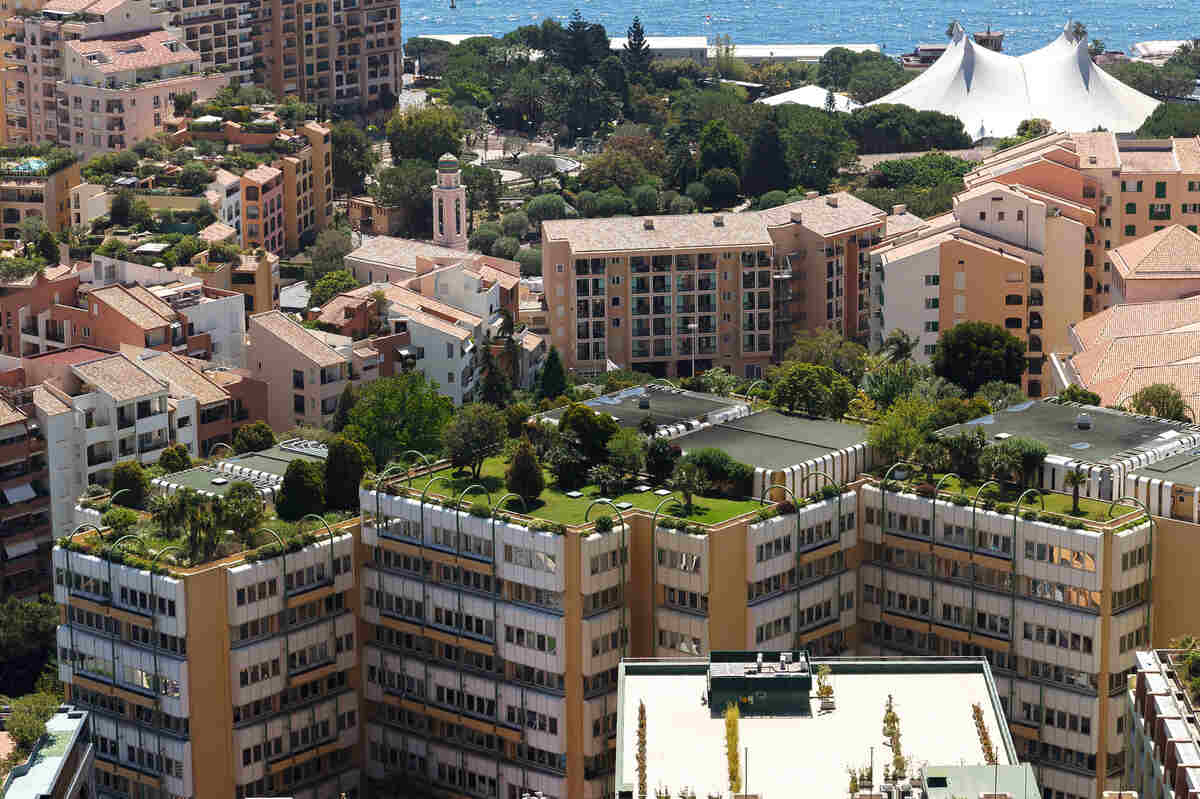
Another option for mitigating the heat island effect is to install a green roof. Green roofs use evaporative cooling and shading to effectively keep the building cooler and, consequently, cooling costs down. The benefits don’t stop there. Green roofs also improve air quality, help with stormwater management and enhance the aesthetics of a building.
Like cool roofs, there may be financial incentives available to offset the cost of installing a green roof. Additionally, green roofs can help commercial buildings earn LEED credits, making them more attractive to environmentally conscious tenants and customers.
If a green roof is not possible, planting trees and other vegetation around the building can also help to reduce the heat island effect.
3. Window Film
Another way to reduce the heat island effect is to install window film. Window film helps to reflect sunlight and reduce solar heat gain. This can keep the building cooler in the summer and thereby reduce the need for air conditioning.
When air conditioning needs are reduced, less heat is produced by the building’s mechanical systems, lowering the heat generated by the building.
Window film is a relatively low-cost option for mitigating the heat island effect, and it can also improve comfort and privacy for building occupants. Additionally, some window film products can help commercial buildings earn LEED credits.
It’s important to work with a qualified window film installer to ensure that the film is installed properly and performs as intended. If you’re looking for a more permanent solution, you can also consider installing energy-efficient windows with low-e coatings.
4. Insulation
Proper insulation is a major strategy for reducing the heat island effect. By keeping the building cooler, insulation can reduce the need for air conditioning, thus helping to reduce the building’s heat output.
In addition, insulation can improve comfort by reducing drafts and noise. When selecting insulation, it’s important to consider the climate, as well as the needs of the building. It’s important to work with a qualified energy auditor or engineer when selecting the right insulation for a commercial building.
5. Shades and Blinds

Shades and blinds can also help to reduce the heat island effect by blocking sunlight and solar heat gain. This can keep the building cooler in the summer and also reduce the need for air conditioning.
Like window film, shades and blinds are a relatively low-cost option for mitigating the heat island effect, and they can also improve comfort and privacy for building occupants.
When selecting shades or blinds, consider how they’ll need to perform in the climate where the building is located. For example, reflective shades or blinds are a good option for buildings in hot climates, while blackout shades or blinds may be more appropriate for buildings in colder climates.
6. Light-Coloured Exterior Finishes
Another way to reduce the heat island effect is to use light-coloured exterior finishes. Light-coloured materials reflect more sunlight and absorb less heat than dark-coloured materials. This can help keep the building cooler in the summer and also reduce the mechanical heat generated by hard-working cooling systems. Plus, light-coloured materials can make a small space appear bigger, as outlined in our guide to Designing the Perfect Kids’ Bedroom for a Tiny Home.
When selecting exterior finishes, it’s important to consider sustainability features like material longevity and emissions associated with production and transport. Also, keep in mind that some light-coloured materials may require more maintenance than dark-coloured materials.
7. Cool Pavement
Another way to reduce the heat island effect is to use cool pavement. Cool pavement is made with materials that reflect sunlight and absorb less heat than traditional pavement. Cool pavement can be permeable (i.e., it can allow water to soak directly through it) or non-permeable.
Installing cool pavement could be a large job, such as replacing existing asphalt with vegetative permeable paving, or it could involve applying a coating to existing pavement to make it more reflective. There are lots of options that work with a range of budgets and performance goals.
8. Heat-Tolerant Landscaping

Another way to reduce the heat island effect is to use heat-tolerant landscaping. This type of landscaping is designed to withstand the heat and still look good.
Trees provide the most effective form of heat reduction because of their ability to provide shade, but greenery in general will have a cooling effect wherever it’s planted. Select plants that are native to the area, as they will require less water and maintenance than non-native plants.
If you’re Canadian or live in a climate that’s similar to Canada’s, Bracing for the Impact of Extreme Heat in Urban Canada will give you more information on the choices you can make.
Feature image: Pixabay; Image 1: Matt Brown