Commercial buildings have always been one of the top consumers of nonrenewable energy, particularly fossil fuels like crude oil, natural gas and coal. But with the increasingly noticeable effects of global warming, commercial players are becoming more proactive in using green energy.
Integrating cost-effective renewable energy into your business is like watering two plants with one hose: both the business and the environment benefit from it.
The first step toward achieving this goal is knowing the energy required to power up a building. Using a carbon footprint calculator can help you arrive at an accurate figure. Once you know how much power you need, you can devise an actionable approach.
Three of the most cost-effective renewable energy sources are solar, geothermal and wind power.
Solar power is solar radiation converted into electrical or thermal energy. Geothermal power comes from steam generated by heat from the Earth’s core. Wind energy taps the wind’s kinetic energy, which can be converted to mechanical or electrical energy.
It’s important to weigh the cost-effectiveness of each option, given its associated benefits and drawbacks. So now let’s dive deeper into the subject of cost-effective renewable energy.
Solar Energy
Solar energy is a free and sustainable resource. Here are three ways commercial buildings can benefit from it.

Get the Green Building Project Checklist
Use this handy checklist on your next project to keep track of all the ways you can make your home more energy-efficient and sustainable.
Natural Light
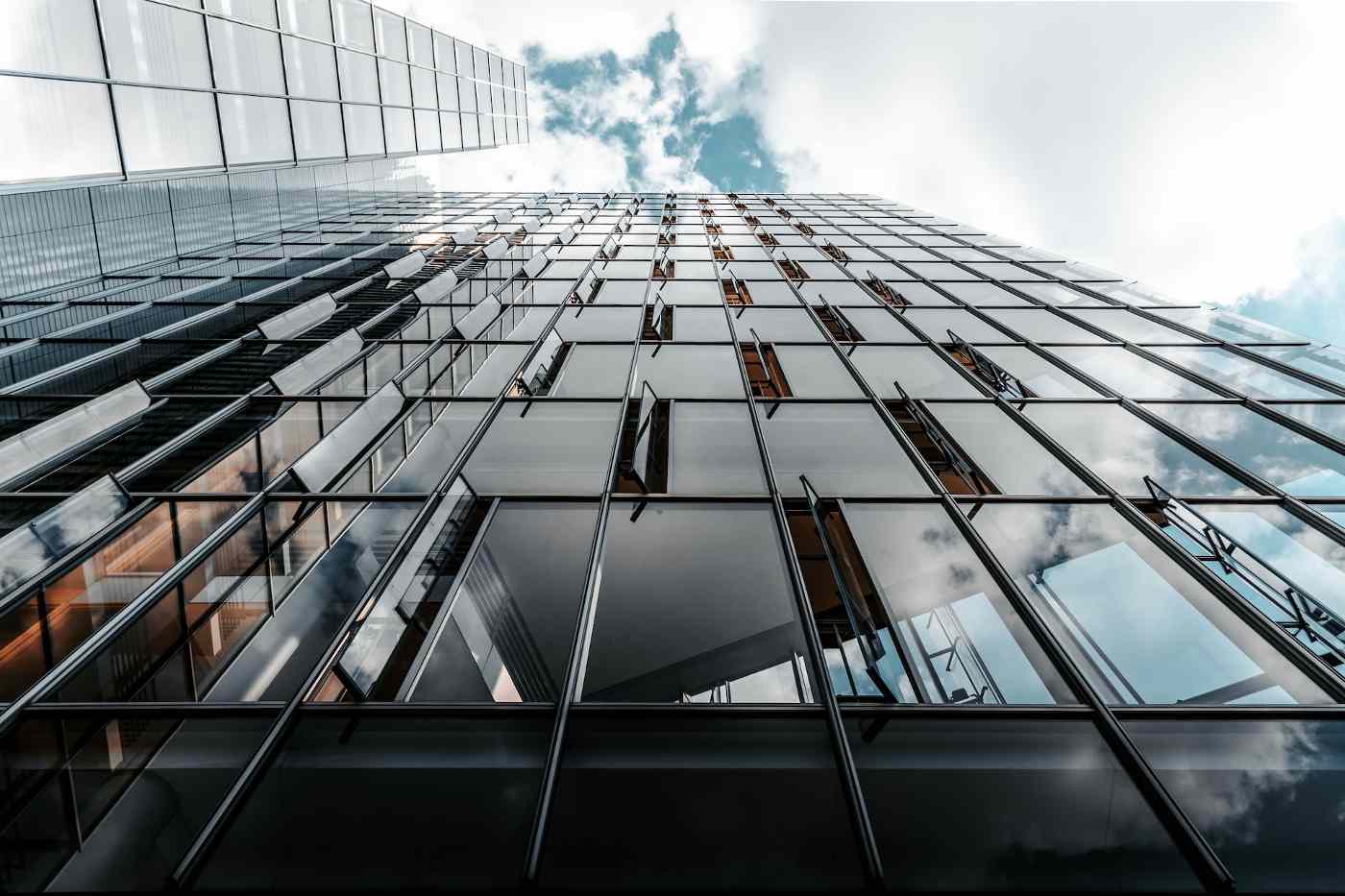
Using natural lighting, commercial buildings can reduce their reliance on conventional energy needed to power artificial lighting.
Utilizing passive solar design and daylighting strategies, architects and designers can create innovative ways to bring plenty of sunshine into a building while keeping it cool in summer and warm in winter.
Skylights, large windows and strategic placement of mirrors can maximize the amount of natural light entering a building without overheating it.
Solar Panels
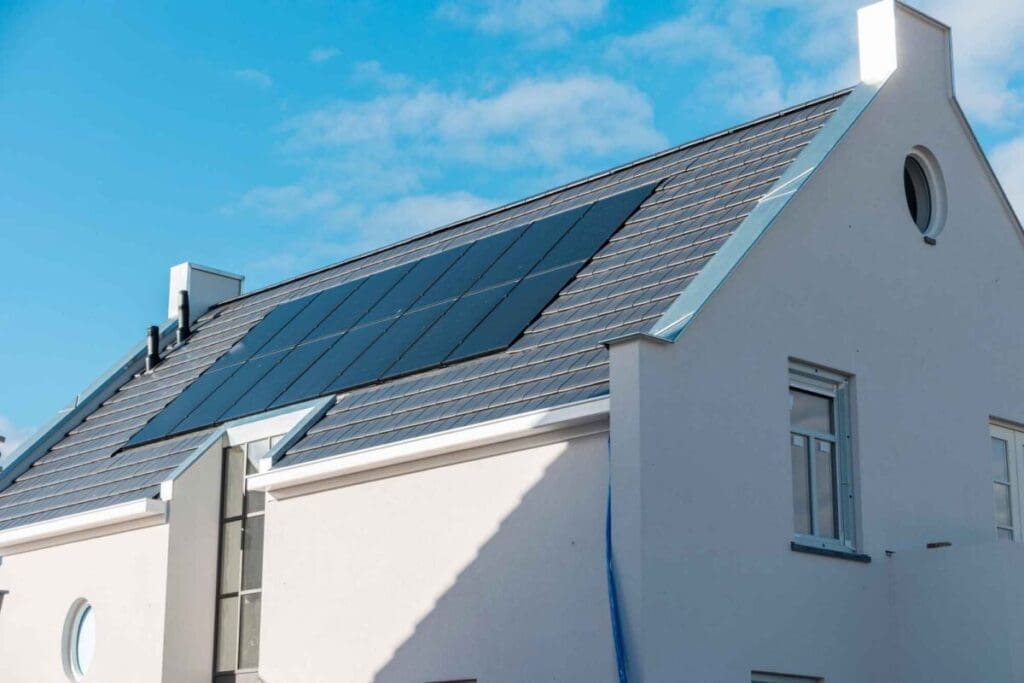
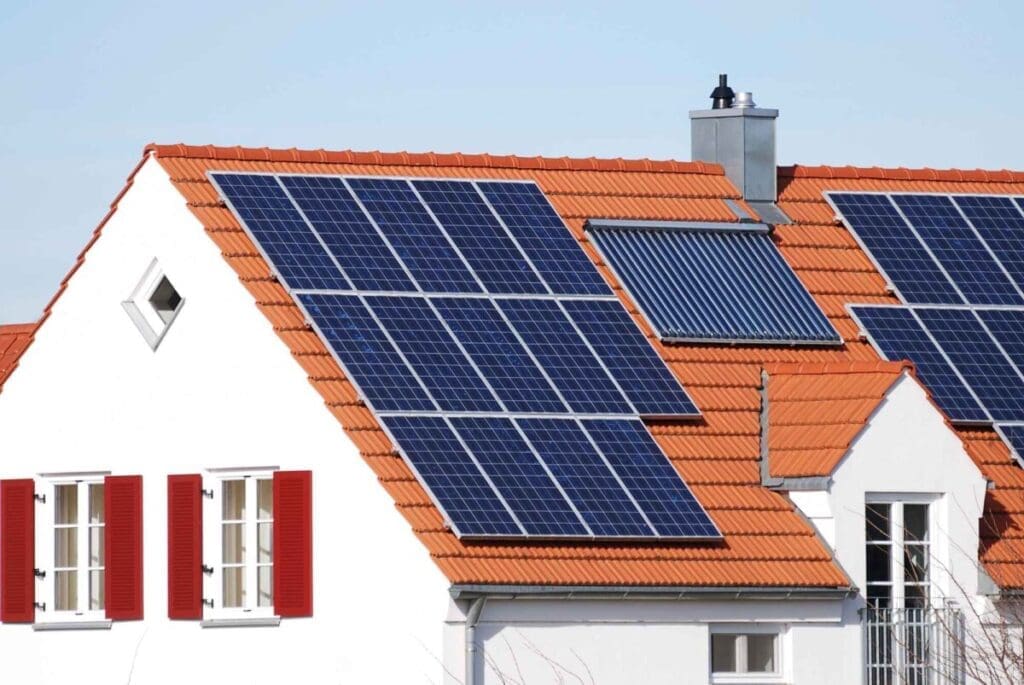
Solar panels convert light into electrical energy using photovoltaic (PV) cells. The PV cells absorb sunlight and convert it into direct current electricity. An inverter will then convert direct current electricity into alternating current.
The more sunlight the solar cells receive, the more energy they generate. Excess electricity generated by the panels is typically stored in batteries or sold back to the grid.
Commercial buildings often have plenty of roof space, which is ideal for a large solar panel system. The roof space has little to no distraction from trees and other objects, allowing for high energy production.
However, if the building is in an area where sunlight is scarce, the cost of solar panels may not be worth their limited energy production.
Solar Thermal Systems
Solar thermal systems use the sun’s rays to heat water or air. They’re suitable for many commercial applications, such as providing hot water in restaurants and hotels.
The solar thermal system collects the sun’s energy with a solar collector and stores it in an insulated tank. The heated water is circulated through pipes to the desired area for use. In some cases, commercial buildings can also use the solar thermal system to provide heating for an entire building.
As you can see, commercial buildings can benefit from solar energy in many ways. Compared to fossil fuels, solar panels are cheaper. Over time, you can reduce your energy costs and reliance on traditional energy sources. Since solar energy is clean and renewable, you can reduce your carbon footprint at the same time.
However, solar energy is not the only renewable energy option available. Another renewable energy source that’s gained popularity is geothermal energy.
Geothermal Energy
Geothermal energy is a renewable energy source that utilizes the Earth’s internal warmth to heat and cool commercial buildings.
It’s an efficient form of energy that uses ground source pumps that transfer heat from the ground into the commercial building during winter and out from the building into the ground during summer.
The system typically requires underground piping or open-loop wells and a pump to transfer the heat.
The system requirement for geothermal energy is why it isn’t always the appropriate solution for commercial buildings. For example, geothermal isn’t an option if the building doesn’t have enough underground space for the piping or wells.
Additionally, if it’s a crowded location, such as a city centre, the neighbours may disapprove of the digging process due to noise and disruption. The local government might also limit the depth of digging for safety reasons.
Wind Energy
Wind energy is a renewable energy source that people can use to power commercial buildings. Wind turbines capture the kinetic energy of the wind, which is then converted into electricity or mechanical energy.
Wind turbines come in various sizes and configurations, making them an ideal solution for commercial buildings of all sizes. A typical wind turbine consists of three blades connected to a generator that converts energy into electricity.
Wind turbines can be installed on the roof of a building or mounted on the ground on the property. They are also available in both onshore and offshore models, allowing businesses to access wind energy from either location if they can.
The cost of installing a wind turbine varies depending on the size and type of turbine and its installation location. While the upfront costs may be high, wind turbines can often pay for themselves quickly through reduced electricity bills.
Key Takeaways
Each renewable energy source has different advantages and disadvantages when deciding which is most cost-effective for a commercial building.
Solar energy is the most common since you can easily install solar panels on rooftops with little disruption. Geothermal requires more work to set up but can provide consistent heating and cooling throughout the year. While cost-effective in some regions, wind energy is still limited in availability.
Natural light is a simple and cost-efficient way to reduce energy costs and solar thermal systems are ideal for providing hot water. Ultimately, though, the most cost-effective renewable energy option will depend on the specific building and its needs.
It’s important to consult a professional in the field to ensure you choose the most efficient renewable energy option for a commercial building. They can provide valuable advice and assistance throughout the process, helping you find the best cost-effective solution for your commercial building.
Feature image: Christian Wiediger; Image 1: Berenice Melis