
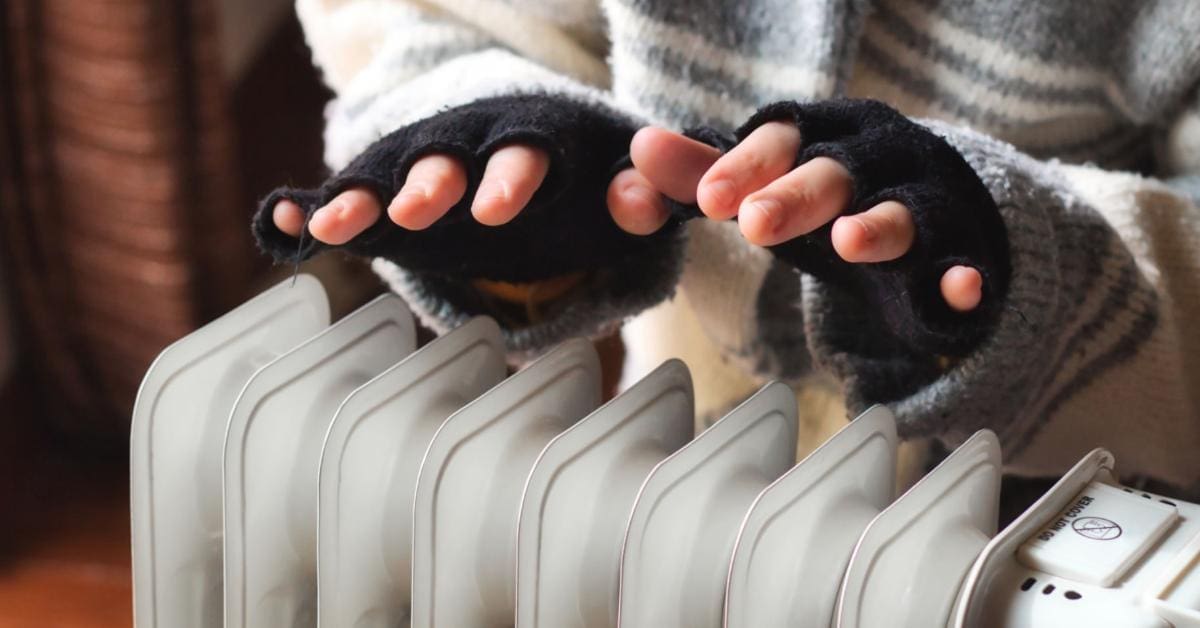
With the cold Canadian winter it’s no surprise that a lot of money goes into heating the home. But what is a surprise is just how much is spent: for the average Canadian home, an incredible 63.6 percent of its total energy use goes towards heating.
Of all the energy upgrades you can do, upgrading your HVAC system offers one of the highest returns on your investment. So if you’re now looking at a new heating system, you might be deciding between a column radiator and a panel radiator and wondering which is more energy efficient.
It’s All About Energy Efficiency

Though there are many variables at play when comparing two different systems (e.g. specific models, circumstances of the building being heated, installation, etc.) in general column radiators are more energy efficient than panel radiators.
Since they have a larger surface area they have multiple channels for water to flow through which provides more efficient heating and it also heats a room up faster.
The increased water content also means they retain heat longer and can maintain heat more evenly in a room. And because of their design, column radiators also allow for better air circulation which results in more even heat distribution throughout the room.
Column radiators’ increased energy efficiency is particularly useful for larger rooms or rooms with high ceilings, however. If you have all small rooms the difference between panel radiators and column radiators would be negligible.

Get the Green Building Project Checklist
Use this handy checklist on your next project to keep track of all the ways you can make your home more energy-efficient and sustainable.
Not all column radiators are made the same. You can choose between horizontal and vertical radiators and they also come with different numbers of columns. We’ll have a look at these differences now.
Horizontal vs Vertical Column Radiators
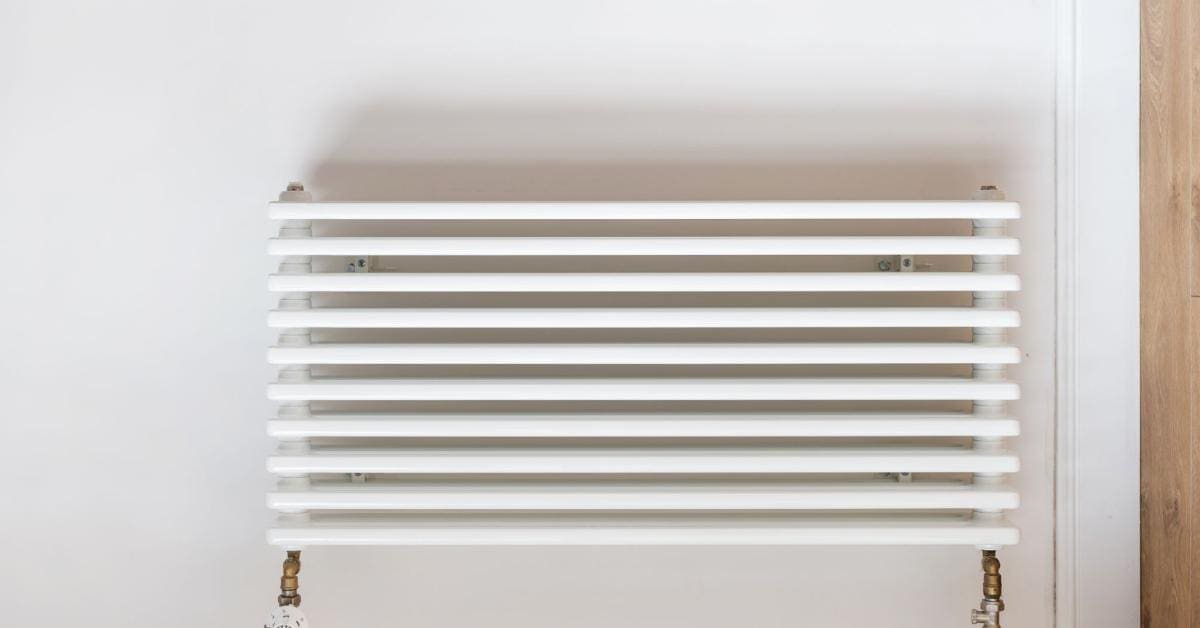
If you’re going to choose a column radiator, know that there are both vertical and horizontal columns to choose from. The big advantage with vertical column radiators is that they take up less wall space than horizontal versions, making them better suited for smaller spaces.
In case you’re worried about output, a vertical and horizontal column radiator of virtually the same size and build should produce roughly the same BTU, and therefore be equally as efficient.
Although this is a matter of preference, most people agree that vertical columns are more visually appealing and offer more design options when styling a room. On that note, they can be placed virtually anywhere, whereas you are quite limited in terms of where horizontal columns can be placed.
However, horizontal columns offer one distinct advantage: they make fantastic towel dryers. If you put these in your bathroom there’s really no better towel rack since they can dry your towel quickly, leaving you with a nice warm towel to use the next time you go to the bathroom.
You could even use them to dry some of your clothes, thus lessening the need for your power-hungry dryer. If you do this, don’t overload the radiator with clothes as there has to be enough airflow for them to operate properly and you also don’t want to put delicate clothes on them. The drying clothes will let off moisture so you’ll want to open a window, flick on a fan or turn on a dehumidifier.
The Number of Columns Makes a Difference
Column radiators generally have two, three or four columns. The basic rule here is that the more columns the radiator in question has, the more heat it will put out.
How many columns you need will depend on the size of the room. However, a three or four-column radiator will take up more space than a two-column radiator as they will jut out into the room farther. The rather slim profile of a two column radiator is ideal for tight spaces like hallways and small rooms.
How to Install Column Radiators: Step-by-Step
Now that we’ve determined that column radiators are best in terms of energy efficiency, let’s find out how to install them.
Preparation is Key
Before starting the actual process of installation, there are a few things you need to do to ensure a smooth installation process. First, decide on the location of the radiator. It should ideally be an area where heat can be evenly distributed throughout the room. Make sure the wall can take the weight of the radiator. Lastly, check the condition of your pipes to prevent any potential leaks.
Step 1: Mark the Position of the Radiator Brackets
Use a pencil and a spirit level to mark the positions where the brackets will go. Ensure they are in line and properly levelled. Double-check your measurements to ensure accuracy. This will greatly affect the stability of the column radiator installation.
Step 2: Drill the Holes for the Brackets
Once you’ve marked the positions, use a power drill to make the holes for the brackets. Make sure to go slowly and carefully to avoid causing unnecessary damage to the wall. Once done, use wall plugs to secure the brackets. Ensure they’re sturdy before moving on to the next step.
Step 3: Attach the Radiator to the Brackets
With the aid of another person to help bear the weight, align the radiator with the brackets and attach it. Make sure all the connections are secure, then check the radiator is properly levelled. If it’s not, adjust by loosening or tightening the bracket screws.
Step 4: Connect the Radiator to the Plumbing
The next step is to connect the radiator to your home’s heating system. This is a critical part of the process, so if you’re unsure about anything, it might be worthwhile calling a professional to finish the job. Connect the pipes to the different valves according to the instructions that came along with your column radiator, ensuring the joints are tightly secured to prevent any leaks.
Step 5: Fill the Radiator and Check for Leaks
Once everything is connected, it’s time to fill the radiator with water and check for leaks. If you notice any, tighten the connections further. Once there are no more leaks, you can turn on the heating system and check the radiator’s performance.
Proper Care and Maintenance
To get the most out of your column radiator, it’s important to perform regular cleaning and maintenance. This will not only extend its life but will also ensure it’s always working at peak efficiency.
Installation of a column radiator may seem daunting, but with careful preparation and a step-by-step approach, you can achieve a successful installation. Just remember, if you’re in doubt at any point, it’s better to call a professional than risk making a mistake.