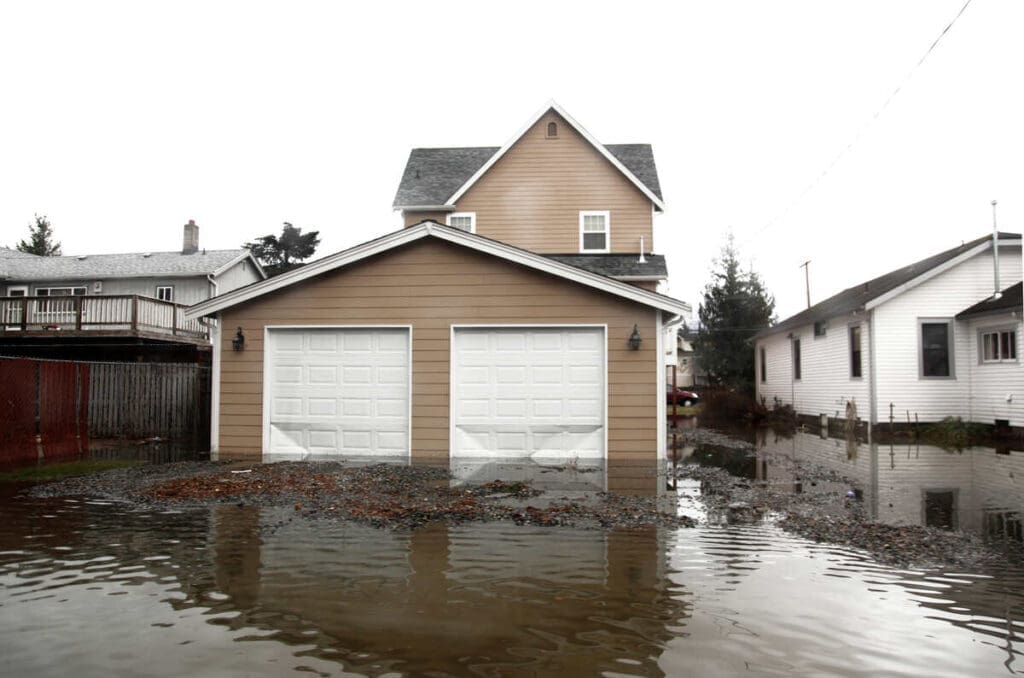
Climate-Proofing Basics for Your Home

I have an admission here, I am old enough to remember when climate change was called “Spring….summer….fall…..winter. My how times have changed!
Severe weather is fully documented today. Ample studies on why and where humans have abused Mother Nature. This week I am going to touch on some basic, experience-based suggestions for our changing times, starting with severe storms.
Storms and Flooding
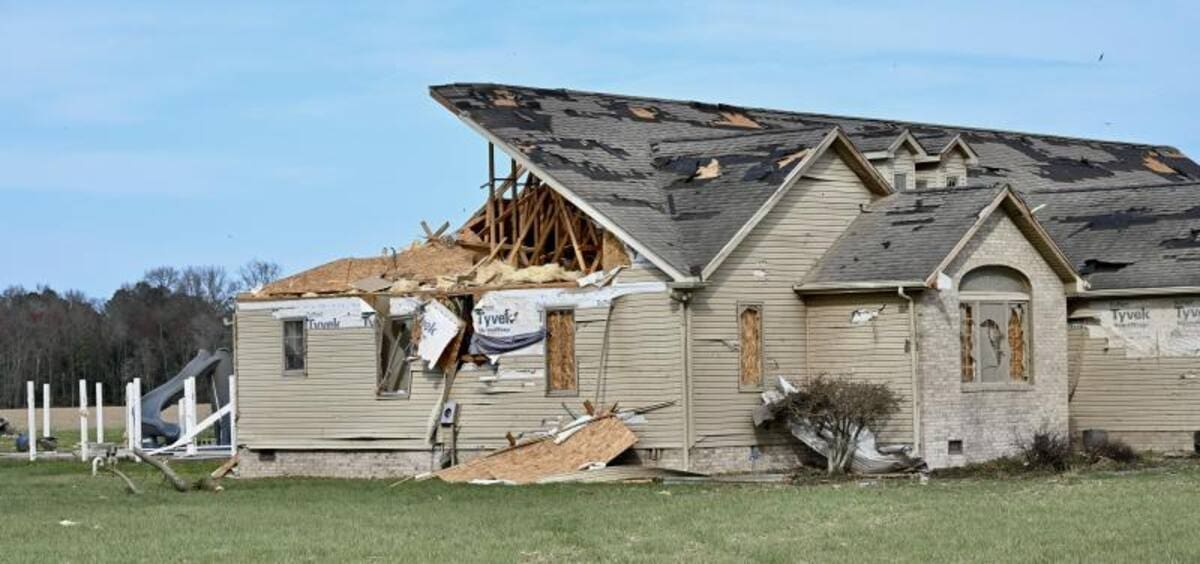
We commonly think of extreme wind or heavy rain as a severe storm. I usually include blizzards in that definition. Securing any outdoor fixtures or storing them should be first on your list, like lawn furniture and garden supplies. Seal up any outside openings including things like a hose bib and your dryer vent along with the windows.
Get the Green Building Project Checklist
Use this handy checklist on your next project to keep track of all the ways you can make your home more energy-efficient and sustainable.
Caulking has come a long way – find the best urethane for your application. If you have a fireplace, invest in an inflatable chimney draft stopper. I rarely see fully effective draft dampers.
For some time now we have recommended two locks on exterior doors. Not only for security but if located in 1/3rd spacing, the chance of your door blowing in is significantly reduced. Garage doors, especially if attached to the home, are known to collapse or buckle. The negative effects on both the garage and inside the home are dramatic. A simple 2×6 screwed across the door and attached to the doorframe is a quick solution.
I cannot remember the number of times we have heard, my sump pump failed! Yes, it probably did. But when was the last time you checked its operation? Dump enough water into the sump pit to make the pump operate at least twice a year. Consider a water alarm and a battery operated backup sump. Electricity is one of the first things to stop during a flood. Overland flooding is becoming more common and something as simple as a supply of sandless sandbags is worth considering. Lay them down, they absorb the water, fill up and inhibit water intrusion. When the flood recedes, they will dry up and are reusable.
Extreme Cold
Extreme cold is not given the recognition it needs and the climate crisis means just that, there will be deep cold spells. There are inexpensive foam covers for outdoor taps that help. If your heat goes off, set all your taps to a slow drip and open your vanity or kitchen cabinet doors.
Maintain your home at no less than 18C (65F) so if there’s a power failure you will have some time before the home becomes uncomfortable. If you have to abandon the home, shut the main water valve off. I have lost count of the number of times I have heard of a flooded basement after the home heats up because a pipe burst.
Extreme Heat
The number of deaths due to extreme heat every year is saddening. If at all possible, install some manner of air conditioning in your home. Portable AC units are convenient, window air conditioners are still the better choice. They use outside air to cool their coils while the cabinet style relies on air in the room, often pulling unconditioned air from other parts of the home.
While adding insulation is promoted to help keep you warm, in fact it has as much or more value helping keep a home cool. Properly fitted insulated blinds or drapes make a big difference. One trick I have seen used is cutting cardboard to fit your windows and covering the cardboard with aluminium foil facing out.
Wildfires and Smoke
Wildfires and the accompanying smoke are filling the headlines today and rightfully so. Canada is in one of its worst fire seasons on record. The Canadian program FireSmart has some excellent information on preparing and protecting your home.
There are numerous general recommendations, keep large trees at least 30 feet from a home, keep your grass mowed at least 100 feet from your home and shrubs trimmed. Any overhanging branches should be at least 10 feet from your home. Move your BBQ with its propane tank away from your home. While I know in some regions, Ontario for example, have standards that allow larger 420 lb tanks for heating close to a home. If at all possible locate your tank at least 20 feet from the home.
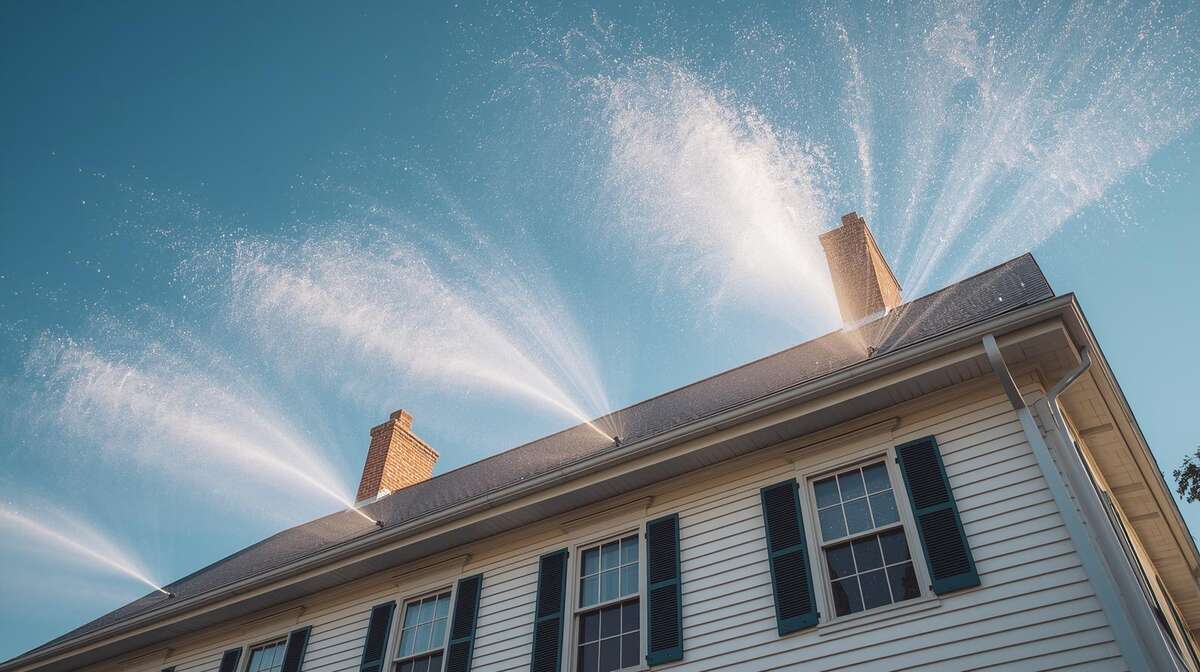
While we were researching our recent book, Fragile Shelters, on homes and the climate, we watched the popularity of roof sprinkler systems grow rapidly. I was able to see one system in operation and I can understand why they make the statements they do. The town of Logan Lake in British Columbia, working with FireSmart Canada and the local fire department, instituted a house-by-house program where 250 homes were outfitted. After the wildfire of 2021, 100 percent of the homes with roof sprinklers survived the wildfire, of the 500 homes not on the program, 15 percent sustained significant fire damage.
In the past two to three years a number of companies have begun manufacturing roof sprinkler systems and while they are not the only answer, they are effective. You do need a constant water supply and have made the effort to clear your property. You must begin to pre-wet your roof and surrounding landscape well before the wildfire arrives. The number one cause of homes catching fire are embers that are in advance of the main wildfire. There are recommendations as to locations on your roof, wind direction and other factors, but if we are going to reduce the catastrophic damage from homes affected by wildfires, this is one place to start.
Have a Home Renovation Question?
Write it down below and we’ll get back to you. All questions get answered – every week, we’ll select one for publication in the column.
Read more on this topic in Climate Resilient Building: How to Build for a Sustainable Future.
Images from Depositphotos