
The United States produces a tremendous amount of food every year – 235 million tons last year or 38 percent of all food that’s produced. And a third of that is wasted. Even more alarming is that, of the 235 million tons produced, only 146 million tons are eaten. The rest is recycled, donated or wasted.
To combat this waste, California introduced the Short-Lived Climate Pollutant Reduction Act (officially named SB 1383) – law enforcement has now begun and property owners have to prevent their food waste from ending up at the landfill.
The law has taken a long and arduous route to the implementation stage. Initially promulgated back in 2016, it didn’t come into effect until 2022 and has only now, in 2024, become a reality with inspections being conducted to ensure compliance and the threat of warnings and possible fines becoming a reality.
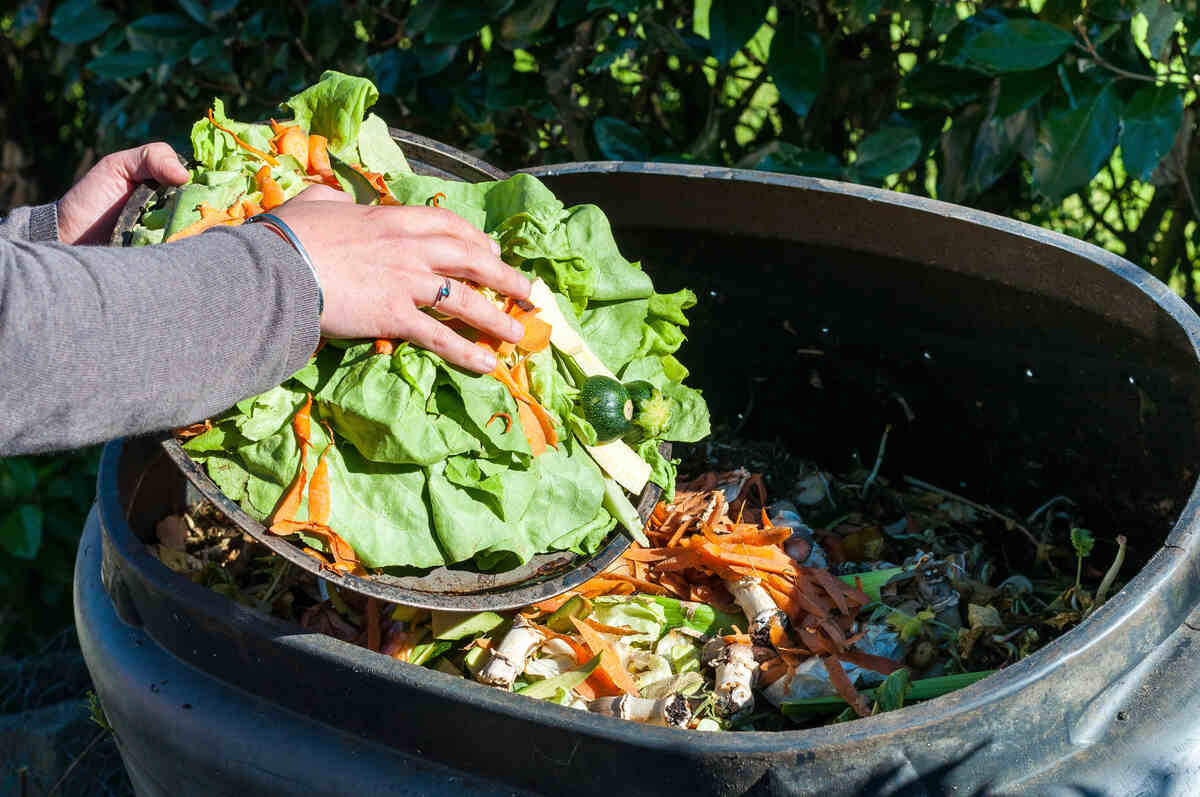
Fruit and vegetables make up a third of food waste, which is a combination of spoiled fruit and vegetables and discarded waste in the form of peels and cores.
All of this makes excellent compost, and with little effort, individual property owners can support the drive to reduce methane gas emissions and create nutritious food for their gardens at almost zero cost.
Implementing the Law involves a comprehensive educational program to inform residents about the use of designated organic bins and what is permitted to be deposited into them.
Monitoring of the bins will ensure that only specified materials are deposited, and where contaminating items are found, warnings and notices of violations will be issued with the likelihood of fines or other sanctions.
Managers of commercial and multi-family buildings are encouraged to subscribe to organic recycling services normally provided by local waste haulers. Businesses will be inspected to ensure proper organic waste separation and violations could result in fines or other sanctions.
Since January 2022, entities found to be violating the regulations have been provided with educational material to encourage compliance. Now, the emphasis has shifted to inspections of organic waste disposal and compliance with regulations contained in the SB 1383 law. Where regulations have been ignored, compliance deadlines will be issued, and penalties and fines could be issued for continuous violations.
Get the Green Building Project Checklist
Use this handy checklist on your next project to keep track of all the ways you can make your home more energy-efficient and sustainable.