Maintaining cleanliness in a commercial environment is a serious task with high stakes. From offices and retail stores to medical facilities and warehouses, each type of space comes with its own cleaning demands, schedules and safety standards. Overlooking even minor cleaning needs in a high-traffic environment can lead to poor impressions, health risks or even regulatory fines.
The complexity increases with scale. Commercial cleaning isn’t just about keeping things tidy. It’s about managing sanitation, appearance, functionality and compliance. For businesses that aren’t able to handle the cleaning in-house, they can outsource it. Regardless whether the business is located in Toronto, Halifax or Calgary commercial cleaning services are available throughout the country that can handle the job.
Unlike residential cleaning, which tends to be predictable and personal, commercial cleaning must be systematic and scalable. Each facility may need a tailored approach based on its use, materials, occupancy levels, and industry regulations.
1. High Foot Traffic and Rapid Dirt Accumulation
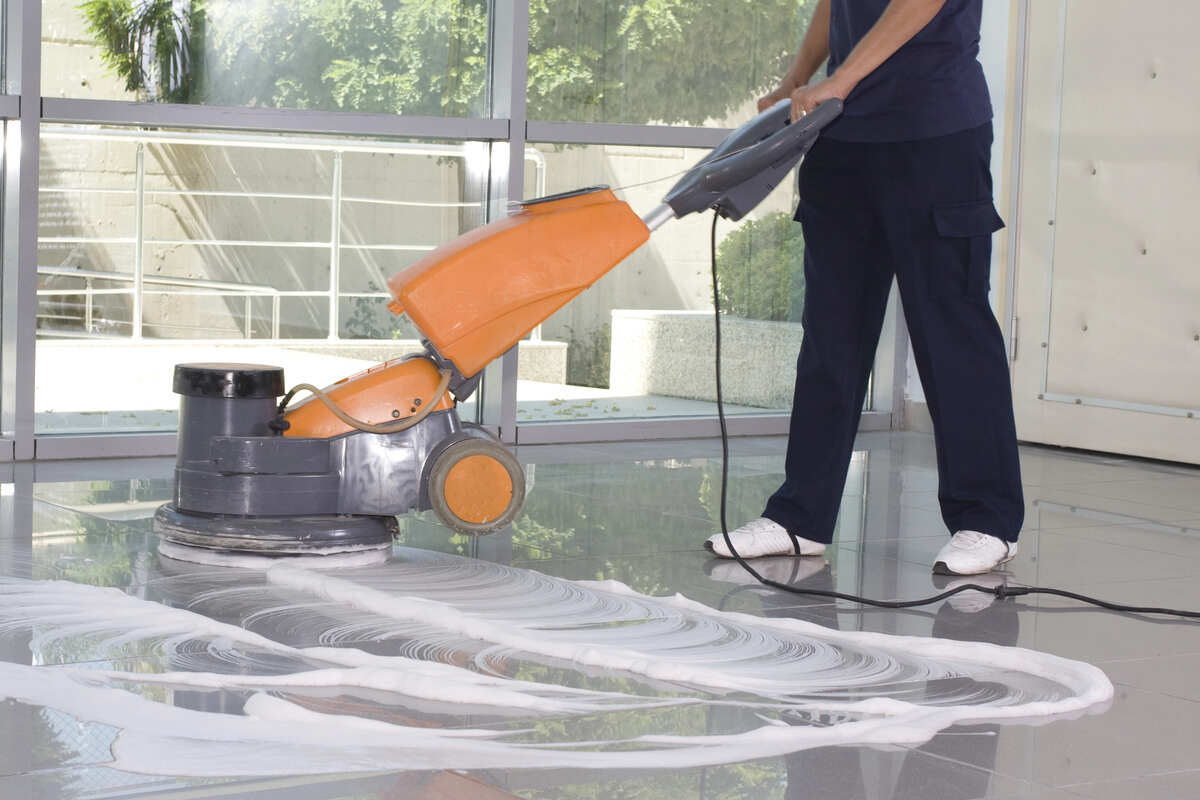
Commercial spaces, especially retail stores, malls and office buildings, see a high number of people every day. This leads to constant wear on the flooring, fast dirt buildup and increased need for daily attention. Entrances, lobbies and restrooms are especially susceptible to grime and require frequent cleaning to stay presentable.
Handling this challenge means establishing rotating cleaning schedules throughout the day and using durable materials that can withstand frequent maintenance. Entryway mats, anti-slip treatments and well-placed waste bins also help reduce mess before it spreads.
2. Diverse Surface Types and Cleaning Requirements

Get the Green Building Project Checklist
Use this handy checklist on your next project to keep track of all the ways you can make your home more energy-efficient and sustainable.
From polished concrete to carpeted floors, glass partitions to stainless steel handrails, commercial buildings feature a mix of materials, each requiring different cleaning agents and methods. Using the wrong product can cause staining, corrosion or even create safety hazards like slippery floors.
Commercial cleaners must be trained in handling a wide array of surfaces, and businesses should maintain product data sheets to ensure chemicals are used safely. Compatibility and safety matter just as much as cleanliness.
3. Health and Hygiene Standards
In medical offices, clinics, gyms and even schools, hygiene standards are non-negotiable. These spaces must meet specific cleanliness levels to ensure safety from pathogens, including bacteria, viruses, parasites and fungi. Disinfection isn’t just about visual cleanliness; it’s about using the right procedures to eliminate harmful microorganisms.
This level of cleaning involves knowledge of infection control protocols, use of approved disinfectants and strict adherence to guidelines. Regular audits, cross-contamination control and surface testing are often necessary.
4. Managing Waste and Recycling Streams
Commercial spaces generate multiple forms of waste – from standard trash to recyclables, organic waste and sometimes even hazardous materials. Poorly managed waste can lead to odours, pest infestations and even violations of local environmental regulations.
Effective commercial cleaning involves waste stream segregation, proper bin placement and adherence to recycling practices. Staff also need training to ensure waste is disposed of correctly and safely.
5. Scheduling Around Business Hours
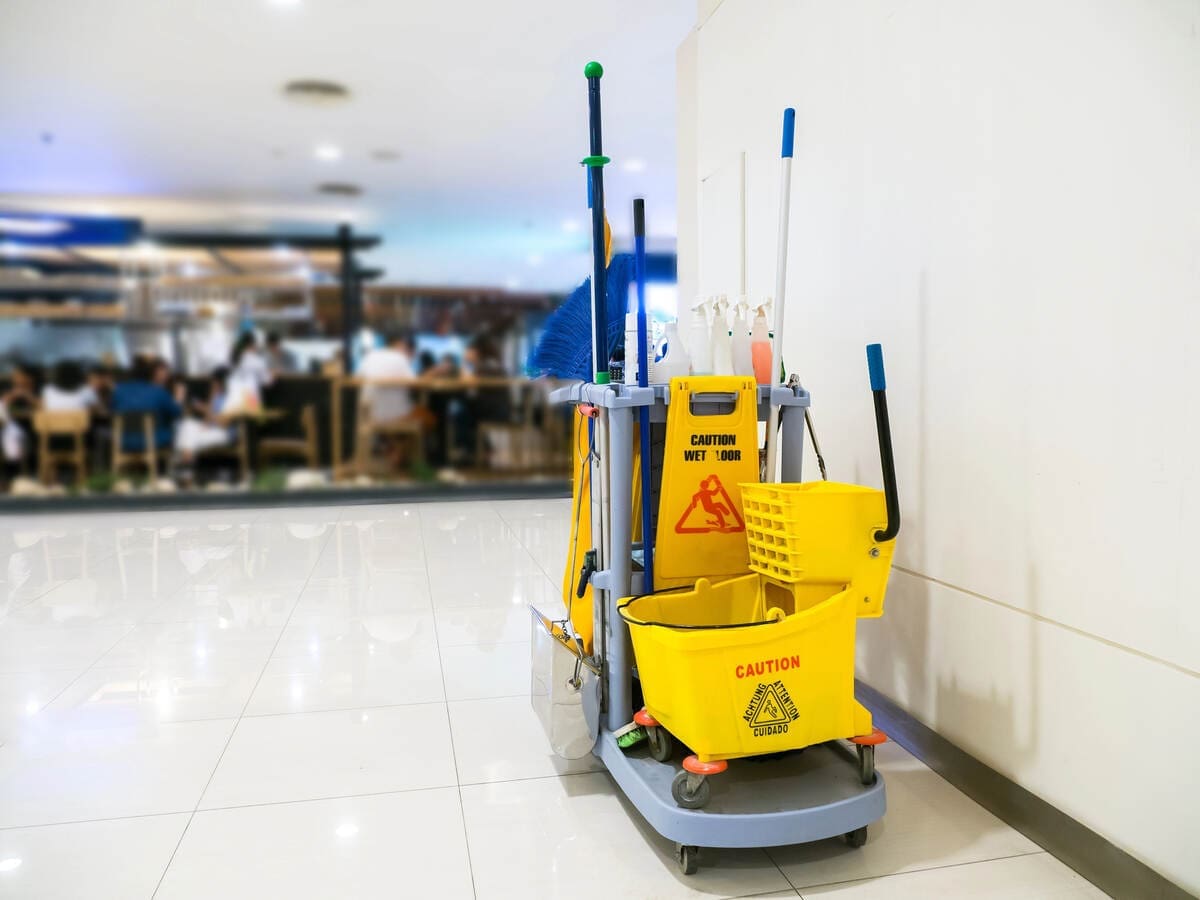
Cleaning must often take place without disrupting normal business activities. That might mean after-hours deep cleans, discreet daytime touch-ups or special attention to high-traffic periods. In restaurants and retail, for instance, cleanliness must be maintained while customers are present, without interrupting their experience.
Flexibility and discretion are key. Cleaners should work with business owners to build schedules that respect operational flow while ensuring no cleaning task is overlooked.
6. Safety and Compliance Regulations
Commercial cleaning staff face physical risks from slips, lifting, repetitive tasks and exposure to chemicals. Employers must ensure proper training, protective equipment and compliance with occupational health regulations.
Moreover, specific industries like food service, healthcare and manufacturing have their own regulatory bodies that dictate hygiene standards. OSHA, local health departments and industry certification bodies all influence how cleaning is performed.
Documentation, training records and cleaning logs can help ensure a facility is compliant and prepared for inspections.
7. Specialized Cleaning Needs
Some facilities have sensitive environments that require extra care. For instance, data centres must avoid electrostatic discharge and control dust strictly. Laboratories and cleanrooms need sterile conditions. Restaurants must deal with grease buildup that can’t be left to accumulate without risking fire hazards.
Addressing these needs requires specialized training, tools and sometimes third-party certifications. Using microfibre cloths, HEPA-filter vacuums and industry-specific cleaning protocols ensures safety and compliance in these niche environments.
8. Employee and Client Perception
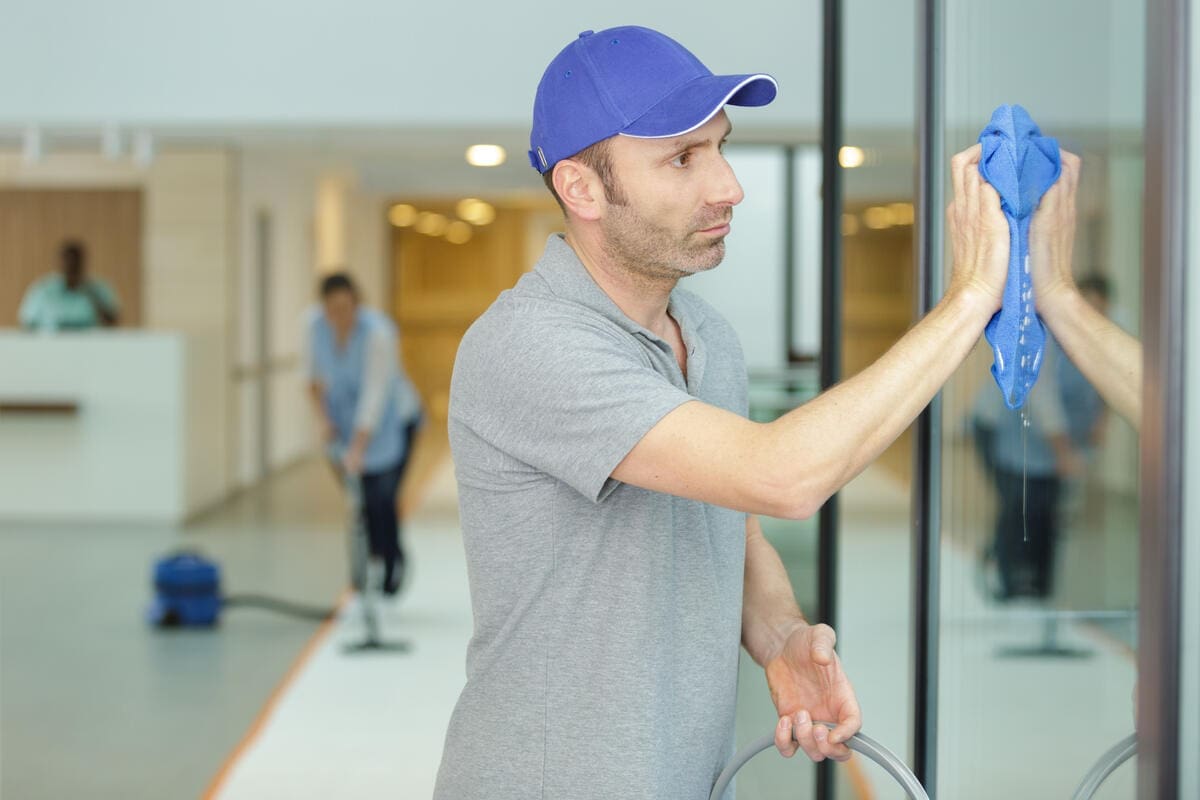
Cleanliness has a direct effect on how employees feel about their workplace and how clients perceive a brand. A cluttered or dirty space can lead to lower productivity, higher sick days and poor customer impressions. In contrast, clean environments signal professionalism, attention to detail and care for well-being.
Business owners need to recognize that cleaning isn’t a background operation; it’s a visible part of brand reputation and workplace culture.
9. Cost Control and Budgeting
Balancing cleanliness standards with financial constraints is a challenge for many businesses. It’s tempting to cut corners, but doing so often results in larger issues, like building deterioration, pest problems or poor inspection outcomes.
The key lies in strategic budgeting: prioritize critical areas, use efficient cleaning tools and products, and assess outsourcing vs. in-house staffing costs. Periodic evaluations help adjust the strategy without compromising on hygiene.
10. Sustainability and Eco-Conscious Cleaning
Today’s businesses are increasingly expected to reduce their environmental impact. That means using eco-friendly cleaning products, minimizing water use and reducing plastic and chemical waste.
Green cleaning practices are not just about optics, they also protect the health of occupants and cleaning staff. Implementing sustainable cleaning solutions can be both a cost-saver and a brand strength in the long run.
Read more on this topic in our article Keep a Home Clean While Going Green
Building an Effective Commercial Cleaning Strategy
To tackle these challenges, businesses need more than just a checklist, they need a system. A successful commercial cleaning strategy should include:
- Clear protocols for different types of areas (eg. restrooms, kitchens, common spaces)
- Training programs for cleaning staff to ensure safety and consistency
- Maintenance schedules aligned with operational hours
- Performance monitoring through inspections, logs and feedback
- Flexibility to adjust as seasons, foot traffic or use of space change
Technology can also play a role. Automated cleaning tools, scheduling apps and smart dispensers for soap or sanitizer can improve both efficiency and outcomes.
Commercial cleaning is both a science and an art. It requires attention to detail, strategic planning and a deep understanding of the specific challenges each space presents. Done right, it enhances health, safety, brand reputation and workplace satisfaction.
Images from Depositphotos